
Side-by-Side IQ Profile: Unpacking the Shared 3/5 Scores
The Cosmic Pet Pet IQ Lab assigns both the Mastiff and the Finnish Spitz a consistent 3/5 across all five cognitive dimensions: Problem Solving, Training Speed, Social Intelligence, Instinctive Drive, and Memory. While these numerical scores are identical, the expression and application of these abilities diverge significantly due to their inherent breed roles and temperaments. Understanding this nuance is key to appreciating their distinct cognitive landscapes.
For the Mastiff, a 3/5 in Problem Solving typically reflects a methodical approach to assessing environmental changes or potential threats within their territory. Their problem-solving isn't about intricate puzzles, but rather discerning safety and establishing routines. A 3/5 Training Speed indicates they are capable learners, though not lightning-fast; they absorb commands with consistent, patient instruction, often motivated by a desire to please their family. Their Social Intelligence at 3/5 means they are highly attuned to their human family's emotions and household dynamics, forming strong bonds and understanding social cues within their trusted circle. The 3/5 in Instinctive Drive primarily manifests as a powerful protective instinct, a deep-seated desire to guard their home and loved ones. Finally, a 3/5 in Memory suggests they retain learned behaviors and recognize individuals and routines over long periods, crucial for their guardian role.
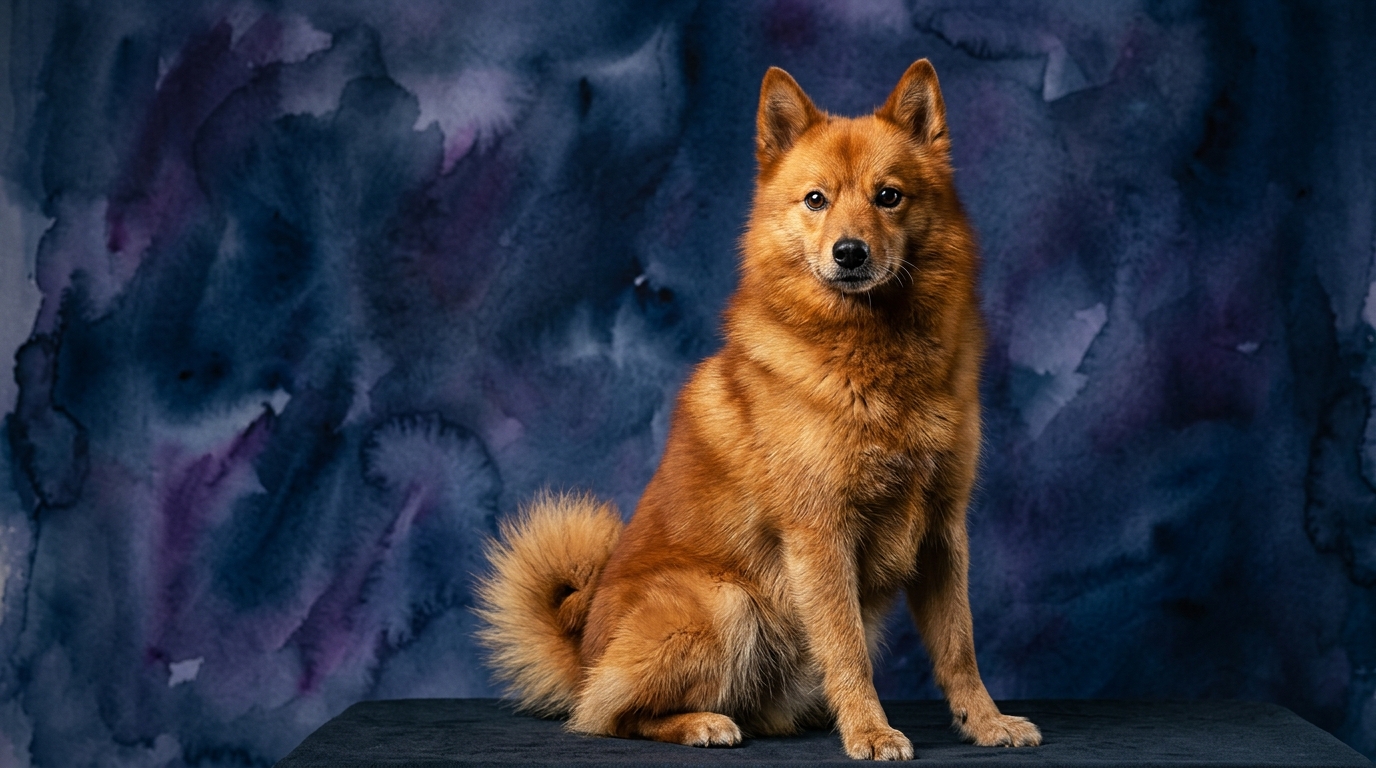
The Finnish Spitz, on the other hand, interprets these same 3/5 scores through the lens of a vocal hunting dog. Their 3/5 Problem Solving often involves navigating complex outdoor environments, locating game, and strategizing how to alert their human companions. This isn't abstract logic, but rather practical, environment-based ingenuity. A 3/5 Training Speed means they learn, but often with an independent streak; they might grasp a command quickly but choose to execute it on their own terms, requiring engaging and positive methods. Their Social Intelligence at 3/5 shows they are capable of forming bonds and understanding human intentions, but they often retain a degree of independence, not always seeking constant human direction. The 3/5 Instinctive Drive is overwhelmingly expressed through their strong prey drive and characteristic vocalization, using barks to 'point' or alert hunters to game. Their 3/5 Memory is evident in their ability to recall hunting patterns, navigate familiar territories, and remember specific calls or signals associated with their working tasks.
Where the Mastiff Wins Cognitively
The Mastiff's cognitive strengths shine particularly in areas related to their historical role as a formidable but gentle guardian. Their 3/5 Social Intelligence, combined with their 3/5 Memory, gives them an edge in understanding complex household hierarchies and remembering specific individuals or situations that pose a perceived threat or are deemed safe. They excel at subtle monitoring of their environment, often making nuanced judgments about who belongs and who doesn't, a skill that relies heavily on recalling past interactions and assessing current social cues. This isn't just about recognizing family; it's about remembering the delivery person who visits weekly versus the stranger who approaches unexpectedly. Their problem-solving, though rated 3/5, is particularly adept at assessing and mitigating perceived risks to their family, often choosing a calm, imposing presence over immediate aggression, which requires a calculated cognitive response. Their ability to remain calm and discerning in potentially stressful situations, relying on their memory of past experiences, sets them apart.
Where the Finnish Spitz Wins Cognitively
The Finnish Spitz demonstrates superior cognitive application in scenarios requiring independent thought, sustained focus on a task, and keen environmental awareness, all stemming from their hunting heritage. Their 3/5 Problem Solving is exceptional when it comes to navigating varied terrain, tracking scents, and locating hidden game without constant human direction. This isn't about solving human-designed puzzles, but rather complex, real-world environmental challenges. Their 3/5 Instinctive Drive for hunting, coupled with their 3/5 Memory for tracking routes and game patterns, means they possess an unparalleled ability to concentrate on a single, instinct-driven objective for extended periods. They are masters of their natural environment, using their senses and memory to outwit prey, and their distinctive vocalizations are a testament to their specialized problem-solving communication. This self-reliance and environmental mastery, where they must make swift, independent decisions in the field, highlights a distinct cognitive advantage in specific, natural contexts.
Which is Easier to Train and Why
Despite both breeds scoring 3/5 in Training Speed, the practical experience of training a Mastiff versus a Finnish Spitz can feel quite different. The Mastiff, while not the fastest to learn complex obedience, often possesses a strong desire to please its family and a calm demeanor, which can make consistent training rewarding. Their large size means that early and consistent training in leash manners and basic obedience is crucial for manageability, but their motivation to cooperate, rooted in their social intelligence and bond with their owners, can make them receptive to patient, positive reinforcement. They tend to be deliberate learners, needing repetition but retaining information well once it's solid, particularly for commands related to their protective role.
The Finnish Spitz, conversely, often presents a greater challenge for the average owner, not because they are incapable of learning, but due to their independent nature and strong hunting instincts. Their 3/5 Training Speed means they can learn commands, but their motivation might be harder to capture and sustain. They were bred to work independently, making their own decisions in the field, and this self-reliance often translates into a less 'eager to please' attitude. Training a Finnish Spitz requires creativity, making sessions fun and engaging, and understanding that their primary drive isn't necessarily to obey every command instantly. Their vocal nature and prey drive can also be significant distractions, demanding an owner who is patient, consistent, and willing to manage these inherent traits through positive reinforcement and environmental management. While they can learn just as quickly, maintaining their focus and motivation is the unique training hurdle.
Which Suits Active Owners vs. Relaxed Owners
For owners seeking a more relaxed companion, the Mastiff generally proves to be a better fit, despite their immense size. While they require moderate daily exercise to maintain health, such as leisurely walks, they are not high-energy dogs seeking strenuous activity for hours on end. They are content with being a calm, watchful presence indoors, often preferring to lounge near their family. Their relaxed nature makes them suitable for individuals or families who enjoy a quiet home life but can still provide consistent, gentle leadership and manage their protective instincts. Their sheer bulk means a casual stroll is often sufficient exercise, and their calm temperament makes them excellent companions for a relaxed evening on the couch.
The Finnish Spitz, in contrast, is undeniably suited for active owners. This breed possesses significant energy levels and a strong need for both physical and mental stimulation, reflecting their history as a bird-hunting dog. They thrive on outdoor activities, long walks, hiking, and even dog sports like agility or rally. Their vocal nature and hunting instincts mean they require an owner who can channel these drives productively, providing outlets for their energy and intelligence. They are not content to be couch potatoes and can become destructive or excessively vocal if bored or under-exercised. Owners who enjoy an active outdoor lifestyle and are prepared to engage with their dog's independent and energetic personality will find a rewarding companion in the Finnish Spitz.
The Verdict
Choose the Mastiff if you desire a calm, watchful, and deeply loyal companion who thrives on strong family bonds and moderate activity, excelling in subtle guardianship.
Opt for the Finnish Spitz if you're an active owner seeking an independent, vocal, and spirited companion who excels in outdoor pursuits and requires consistent mental and physical engagement.
🧠 Find Your Pet's IQ Score
Our Pet IQ Lab assessment covers 25+ tests across 5 cognitive dimensions — personalized to your breed.
Take the Full IQ Test →Frequently Asked Questions
Are Mastiffs good family dogs?
Yes, Mastiffs are generally excellent family dogs due to their 3/5 social intelligence, forming strong bonds and being highly attuned to their human companions. Their protective instincts, when properly managed through early socialization and training, make them devoted guardians of their household.
Why are Finnish Spitz so vocal?
The Finnish Spitz's vocal nature stems directly from their 3/5 instinctive drive as a hunting dog, specifically bred to 'bark point' game to hunters. This ingrained behavior means they use their voice to communicate excitement, alert to perceived novelties, or express their feelings, making them naturally expressive through sound.
What does a 3/5 IQ score mean for these breeds?
A consistent 3/5 IQ score for both breeds indicates they are capable learners with good problem-solving abilities, reliable memory, and adequate social intelligence. It signifies a solid cognitive foundation, not a deficiency, meaning they are responsive to training and environmental cues, albeit with distinct breed-specific motivations and applications of these skills.