Side-by-Side IQ Profile
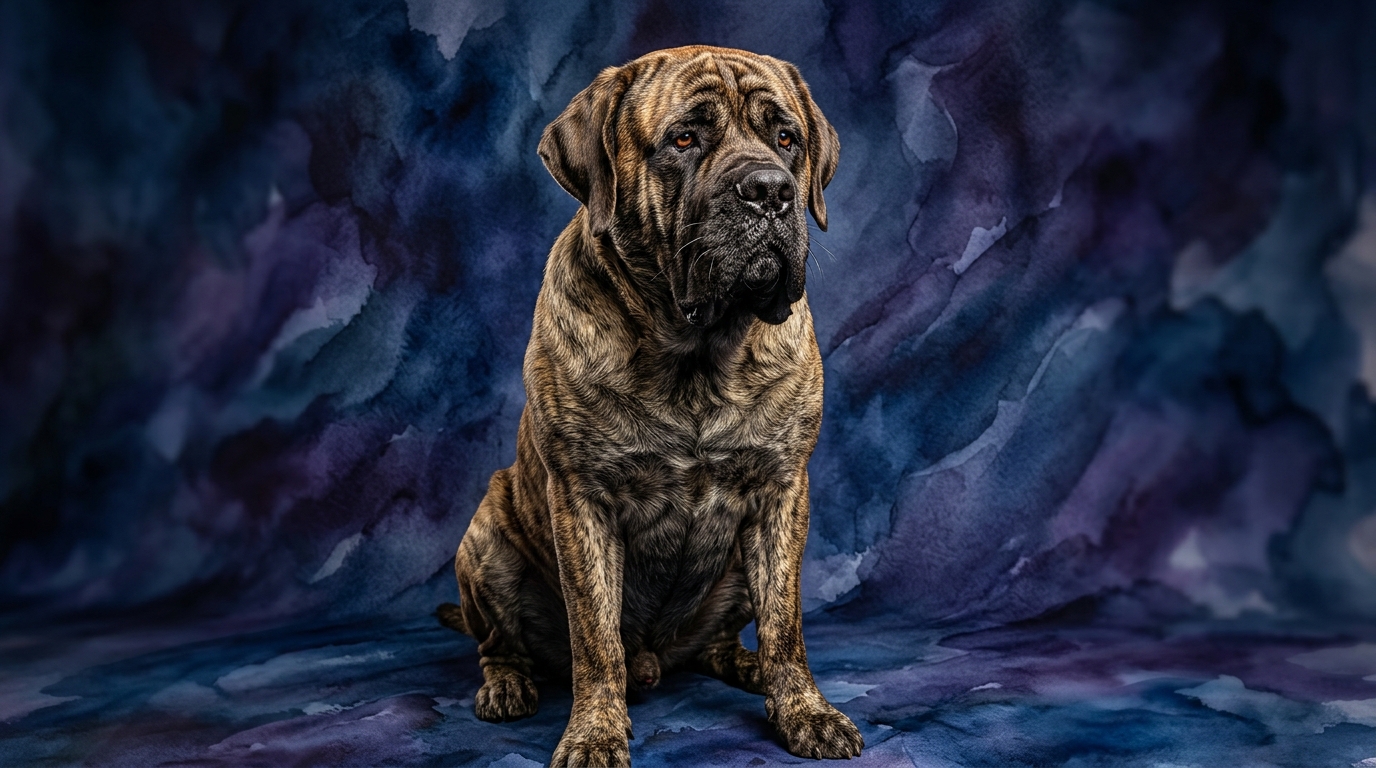
The Mastiff, a breed revered for its imposing stature and steadfast nature, exhibits a consistent cognitive profile across our five dimensions, scoring 3/5 in each. Their Problem Solving ability at 3/5 indicates a practical intelligence; they are capable of navigating everyday challenges and learning routines, but may not actively seek out complex mental puzzles or intricate tasks. This suggests a dog that is competent and adaptable within established parameters rather than an innovator. Their Training Speed, also at 3/5, implies a steady learning curve. Mastiffs are certainly trainable, but they require consistent, patient, and positive reinforcement methods, often needing more repetition to solidify commands than some other breeds. This isn't a reflection of inability, but rather a preference for deliberate processing. Social Intelligence at 3/5 means they are generally aware of human emotions and social cues, capable of forming deep bonds and understanding family dynamics. However, their social interactions might be more reserved or focused on their immediate circle, rather than overtly gregarious. Instinctive Drive, again 3/5, points to a moderate level of inherent behaviors. While they possess protective instincts, these are typically expressed with a calm, watchful demeanor rather than impulsive actions. Their drives are present but often well-controlled. Finally, Memory at 3/5 suggests a reliable retention of learned behaviors and experiences. They remember their training and their people, but perhaps not with the same vivid recall for every minor detail as breeds with higher scores.
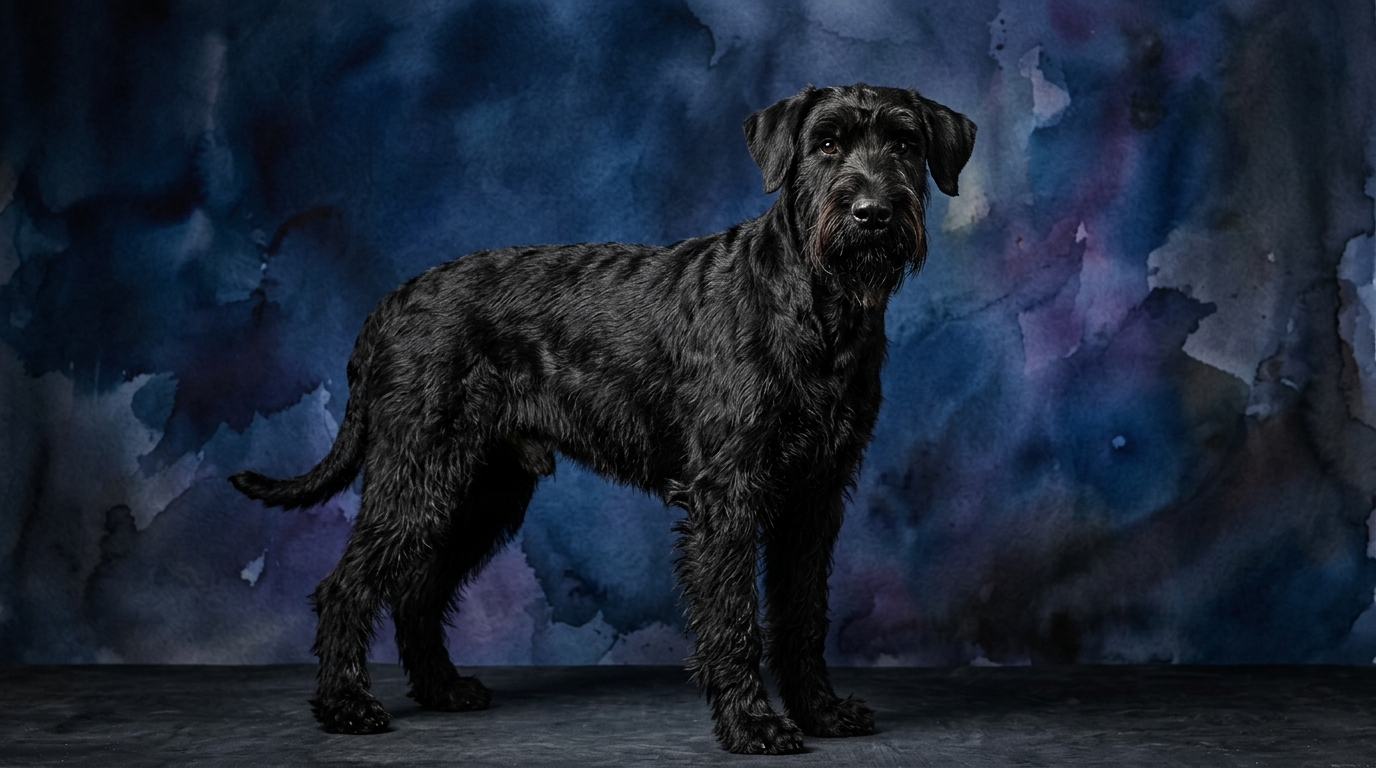
In contrast, the Giant Schnauzer presents a more elevated cognitive profile, particularly in areas demanding active mental engagement. Their Problem Solving score of 4/5 indicates a keen ability to analyze situations and devise solutions, suggesting a dog that genuinely enjoys mental stimulation and can figure out how to achieve goals, sometimes independently. This breed often thrives on tasks that require strategic thinking. With a Training Speed of 4/5, Giant Schnauzers typically grasp new commands and concepts with impressive rapidity. They are eager learners, often requiring fewer repetitions and demonstrating a quick understanding of what is expected of them, making them highly responsive to well-structured training. Their Social Intelligence stands at 3/5, mirroring the Mastiff. They are attuned to their human companions and family dynamics, forming strong, loyal bonds. Like the Mastiff, their social awareness is solid, enabling them to integrate effectively into a household, though they might not possess the universal amiability of some other breeds. Instinctive Drive, also 3/5, reflects a moderate but purposeful set of inherent behaviors. Their working heritage means they have a natural inclination for tasks like guarding and herding, but these drives are typically manageable and can be channeled effectively through training and appropriate outlets. Crucially, the Giant Schnauzer's Memory score of 4/5 highlights a superior ability to retain information over extended periods. This contributes significantly to their training prowess and their capacity to learn complex sequences or retrieve specific memories, making them excellent candidates for advanced obedience or specialized roles.
Where Mastiff Wins Cognitively
While the Giant Schnauzer numerically edges out the Mastiff in several cognitive dimensions, the Mastiff's consistent 3/5 across the board represents a specific cognitive advantage: unwavering stability and measured response. Their moderate Problem Solving means they are less prone to overthinking or independently devising solutions that might conflict with human expectations, favoring a steady adherence to established routines and commands. This cognitive steadiness translates into a predictable companion whose actions are typically deliberate and well-considered, rather than impulsive. Their strength lies in a calm, consistent application of their intellect, making them remarkably unflappable in various situations. For owners seeking a dog whose cognitive processes are geared towards dependable companionship and watchful guardianship without constant mental demands, the Mastiff's balanced intellect is a profound win, offering a serene and predictable presence.
Where Giant Schnauzer Wins Cognitively
The Giant Schnauzer's cognitive strengths are evident in its higher scores for Problem Solving (4/5), Training Speed (4/5), and Memory (4/5). This breed excels in active mental engagement and rapid acquisition of new skills. Their superior problem-solving ability means they are more adept at navigating novel situations, figuring out how to open gates, or understanding intricate multi-step commands, often showing a genuine enthusiasm for mental challenges. The quicker training speed allows them to master a broader repertoire of commands and tricks in less time, making them highly rewarding for owners who enjoy advanced obedience or competitive dog sports. Furthermore, their enhanced memory ensures that these learned skills and solutions are retained effectively, allowing them to build upon their knowledge base and apply past experiences to new scenarios with impressive recall. This combination creates a highly capable and mentally agile companion.
Which is Easier to Train and Why
Based on their IQ profiles, the Giant Schnauzer is generally considered easier to train than the Mastiff, primarily due to their superior scores in Training Speed (4/5 vs. 3/5) and Memory (4/5 vs. 3/5). A Giant Schnauzer will typically grasp a new command or concept with fewer repetitions, often showing a keen desire to learn and engage during training sessions. Their quicker processing and retention mean that once a behavior is learned, it is likely to be remembered and reliably performed, even after a break. In contrast, the Mastiff's 3/5 in Training Speed indicates they are certainly trainable, but they require more patience, consistency, and repetition to solidify commands. They might take longer to connect an action with a verbal cue and may need more frequent refreshers to ensure long-term retention. Mastiffs respond best to calm, positive reinforcement and can become resistant if training is rushed or overly harsh. While both breeds benefit from early socialization and consistent training, the Giant Schnauzer's cognitive wiring makes the process generally faster and more fluid for dedicated trainers, allowing for quicker progression to advanced skills, whereas the Mastiff thrives on a more deliberate, foundational approach.
Which Suits Active Owners vs Relaxed Owners
The cognitive profiles and inherent drives of these two breeds naturally align with different owner lifestyles. The Giant Schnauzer, with its 4/5 scores in problem-solving, training speed, and memory, coupled with its working background, thrives with active owners who can provide consistent mental stimulation and physical exercise. They are excellent companions for individuals interested in advanced obedience, agility, protection work, or even just long, engaging walks that involve exploring and learning. Their desire to work and think means they can become bored or destructive if their cognitive needs are not met, making them ideal for owners who enjoy an interactive and mentally demanding canine partner. Conversely, the Mastiff, with its balanced 3/5 scores across all dimensions, often suits more relaxed owners who appreciate a calm, steady, and less intensely demanding companion. While they still require foundational training and regular, moderate exercise, their cognitive makeup suggests they are content with a more predictable routine and do not constantly seek out complex mental challenges. Their strength lies in their serene presence and steadfast guardianship, making them perfect for owners who desire a devoted, watchful companion without the daily pressure of intense mental engagement, as long as basic needs for structure and companionship are met.
The Verdict
Choose a Mastiff if you value a calm, predictable companion whose cognitive strengths lie in steady adherence to routine and a measured, unflappable demeanor, requiring patient, consistent training.
Opt for a Giant Schnauzer if you are an active owner seeking a highly trainable, mentally agile partner who thrives on complex problem-solving and rapid learning in advanced activities.
🧠 Find Your Pet's IQ Score
Our Pet IQ Lab assessment covers 25+ tests across 5 cognitive dimensions — personalized to your breed.
Take the Full IQ Test →Frequently Asked Questions
Does Coren rank directly correlate with a dog's overall intelligence?
Coren rank primarily reflects a breed's 'working and obedience intelligence,' which is their ability to learn and follow human commands. While a higher rank often indicates faster learning, it doesn't encompass all aspects of a dog's cognitive capacity, such as problem-solving or social intelligence, which are also crucial.
Can a Mastiff perform complex tasks like a Giant Schnauzer?
A Mastiff is capable of learning complex tasks, but it will typically require more repetition and patience than a Giant Schnauzer, which has a higher training speed and memory score. Mastiffs excel when tasks are broken down into simpler steps and taught with consistent, positive reinforcement over time.
How important is mental stimulation for both breeds?
Mental stimulation is crucial for both, but the nature differs. Giant Schnauzers require frequent, challenging mental exercises to prevent boredom due to their higher problem-solving and memory scores. Mastiffs benefit more from consistent routines, puzzle toys, and moderate mental engagement that reinforces their calm and steady nature, rather than intense, novel challenges.