Side-by-Side IQ Profile: Mastiff vs. Standard Schnauzer
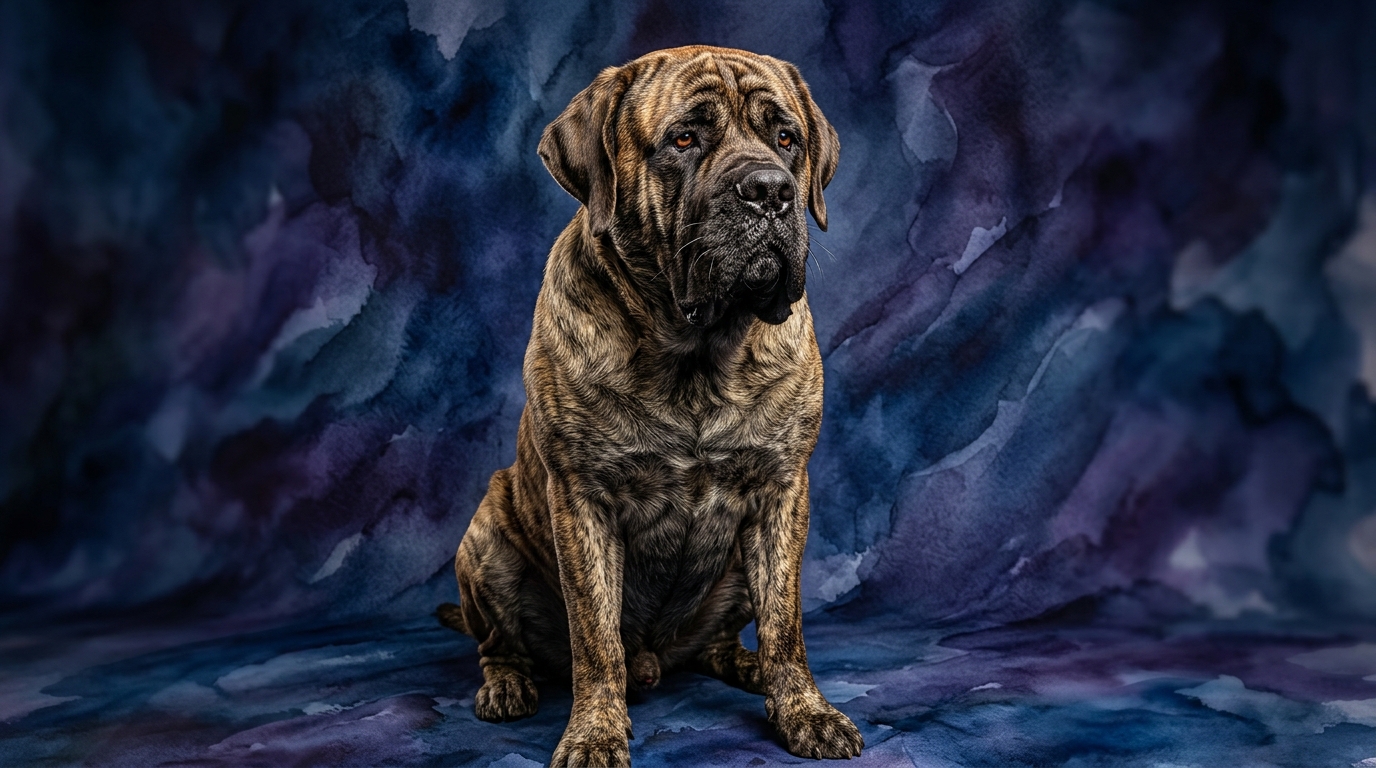
At The Cosmic Pet Pet IQ Lab, we evaluate canine intelligence across five key dimensions, offering a nuanced view beyond simple rankings. The Mastiff, a Working group dog, registers a Coren rank of #72, indicating a more deliberate cognitive processing style. Their Problem Solving is 3/5, meaning they prefer established routines and take a methodical, often unhurried approach to new challenges. Training Speed is also 3/5; they learn steadily but require consistent, patient reinforcement. Social Intelligence stands at 3/5, reflecting a deep bond with their family but often a reserved demeanor with strangers. Instinctive Drive is 3/5, primarily focused on guardianship, while Memory is 3/5, retaining information but potentially needing refreshers over time.
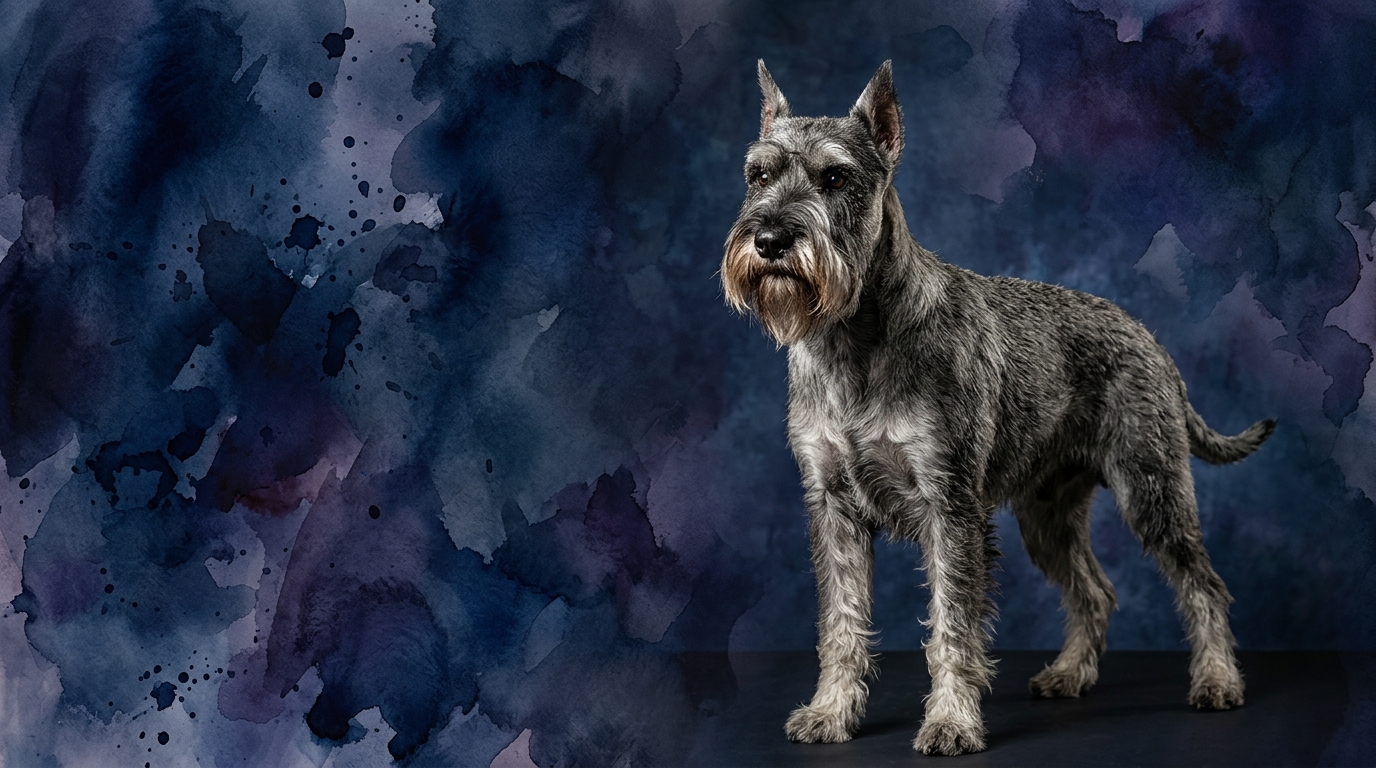
The Standard Schnauzer, also from the Working group, holds a significantly higher Coren rank of #22, suggesting a more agile and responsive mind. Their Problem Solving is 4/5, demonstrating a strong capacity for independent thought and creative solutions to novel situations. Training Speed is 4/5, indicating they grasp new commands and concepts with remarkable efficiency and enthusiasm. Social Intelligence matches the Mastiff at 3/5, showing an engaged connection with their family and observant nature, though potentially wary of new faces. Instinctive Drive is 3/5, encompassing their historical roles in guarding, herding, and vermin control, manifesting as a purposeful focus. Notably, their Memory is 4/5, reflecting excellent long-term retention of learned skills and experiences.
Where the Mastiff’s Cognition Shines
While their scores are numerically lower in several categories, the Mastiff’s cognitive profile emphasizes profound stability and deliberate processing, which can be unique strengths. Their 3/5 for problem-solving isn't about rapid innovation, but a methodical approach, often evaluating situations with a calm, unhurried demeanor before acting. This deliberate processing can be a significant asset in scenarios requiring a measured response rather than an impulsive one, particularly in their historical role of guardianship where hasty actions could be detrimental. Their immense physical presence also influences their cognitive solutions, often involving strategic positioning or blocking rather than agile evasion.
The Mastiff's 3/5 in social intelligence, though not indicating a quick read of every fleeting human nuance, points to a deep, unwavering attunement to their immediate family's emotional states. They often provide a comforting, steady presence, acting as a profoundly loyal and predictable anchor. This consistency in their social engagement can be a significant cognitive asset for owners seeking a companion whose understanding runs deep, even if not expressed with rapid shifts in behavior or immediate, complex responses. Their steady memory, while not rapid, means once a bond or routine is established, it is profoundly ingrained and relied upon.
Where the Standard Schnauzer’s Cognition Excels
The Standard Schnauzer's higher scores illuminate a more agile and proactive cognitive style, making them adept at navigating a complex world. Their 4/5 in problem-solving demonstrates a clear aptitude for independent thought and creative solutions, whether it's figuring out a new puzzle toy, learning a complex trick, or navigating an unfamiliar environment with purpose. This mental flexibility allows them to quickly adapt and strategize, making them engaging partners in diverse activities and environments where quick thinking is an advantage.
Coupled with a 4/5 in training speed, Standard Schnauzers absorb new commands and concepts with remarkable efficiency, often eager to engage in learning sessions and master complex sequences. Their inherent drive to participate and learn means they pick up skills rapidly. Their 4/5 memory ensures that these learned skills and experiences are retained over extended periods, building a robust cognitive repertoire that makes advanced training and consistent performance achievable. This combination of quick learning, strong retention, and resourceful problem-solving positions the Standard Schnauzer as a cognitively dynamic and highly responsive companion.
Ease of Training: Mastiff vs. Standard Schnauzer
Training efficacy hinges significantly on a breed's intrinsic motivation and processing speed. The Standard Schnauzer, with its 4/5 training speed and problem-solving, generally presents a more straightforward and often rewarding training experience. They possess an innate eagerness to learn and please, often viewing training as an engaging mental exercise rather than a chore. Their quick grasp of new commands, coupled with a strong memory, means sessions can be shorter, more varied, and yield faster results, making them excellent candidates for advanced obedience, rally, or dog sports. Their alert nature means they are often 'tuned in' and ready to respond.
Conversely, the Mastiff, with a 3/5 in training speed, requires a different approach. Their learning style is more deliberate, needing considerable patience and consistency from their owner. While they are capable learners, their motivation often aligns more with comfort, companionship, and a desire for peaceful coexistence, rather than an intrinsic drive for rapid task completion or novelty. Training a Mastiff demands clear, positive reinforcement, breaking down tasks into smaller, manageable steps, and understanding that their immense size necessitates early, consistent foundational training to ensure good manners and control. Their profound loyalty, once earned, ensures compliance, but the path to that compliance is often longer and more nuanced, focusing on building trust and routine.
Lifestyle Match: Active vs. Relaxed Owners
The cognitive profiles of these two breeds often align with an owner's lifestyle and energy levels. The Standard Schnauzer's cognitive strengths, marked by 4/5 problem-solving and training speed, make them an ideal match for active owners who relish engaging their dog in varied physical and mental activities. They thrive on challenges like agility, obedience trials, or long, exploratory hikes, where their quick thinking and robust memory can be fully utilized. A Schnauzer without sufficient mental and physical stimulation might channel their energy into less desirable behaviors, needing an owner committed to providing consistent outlets for their sharp minds.
In contrast, the Mastiff's cognitive strengths lean towards a more settled, contemplative existence. While they require moderate daily exercise to maintain health and prevent obesity, their 3/5 scores across most cognitive dimensions suggest they are content with a consistent, predictable routine. Relaxed owners who appreciate a calm, steadfast companion will find the Mastiff a fitting match. Their social intelligence, focused on deep family bonds, means they are often happiest when simply in the presence of their loved ones, providing a comforting, protective anchor in the home. They are less driven by the need for constant novelty but still benefit from gentle, consistent mental engagement and a secure environment.
The Verdict
Choose a Mastiff if you seek a calm, steadfast companion who offers a quiet, protective presence and thrives on consistent routines and deep family bonds, and you are prepared to invest patience in their deliberate training.
Choose a Standard Schnauzer if you enjoy an active lifestyle, seek a mentally agile and responsive companion for varied activities, and appreciate a dog that quickly grasps new concepts and challenges.
🧠 Find Your Pet's IQ Score
Our Pet IQ Lab assessment covers 25+ tests across 5 cognitive dimensions — personalized to your breed.
Take the Full IQ Test →Frequently Asked Questions
Do Mastiffs forget training easily?
With a memory score of 3/5, Mastiffs retain learned commands and experiences, but their learning style is more deliberate. They might not forget, but they may need consistent refreshers and positive reinforcement to solidify and maintain behaviors over time.
Are Standard Schnauzers prone to boredom?
Given their 4/5 problem-solving and training speed, Standard Schnauzers thrive on mental stimulation and varied activities. Without sufficient engagement, they can indeed become restless or invent their own 'problems' to solve, which might manifest as undesirable behaviors.
How do their protective instincts differ?
Both breeds have a 3/5 instinctive drive, but it manifests differently. The Mastiff's protection often involves a calm, imposing presence and deliberate assessment, acting as a gentle giant. The Standard Schnauzer is typically more alert and vocal, quick to sound an alarm and actively investigate perceived threats with their characteristic spirited demeanor.