Side-by-Side Cognitive Profile
The Cosmic Pet Pet IQ Lab's assessment provides a fascinating baseline for understanding the mental faculties of our canine companions. For both the Miniature American Shepherd and the Glen of Imaal Terrier, a consistent score of 3/5 across all five cognitive dimensions suggests a robust and capable mind, yet the *manifestation* of these abilities differs profoundly due to their distinct breed histories and inherent drives.
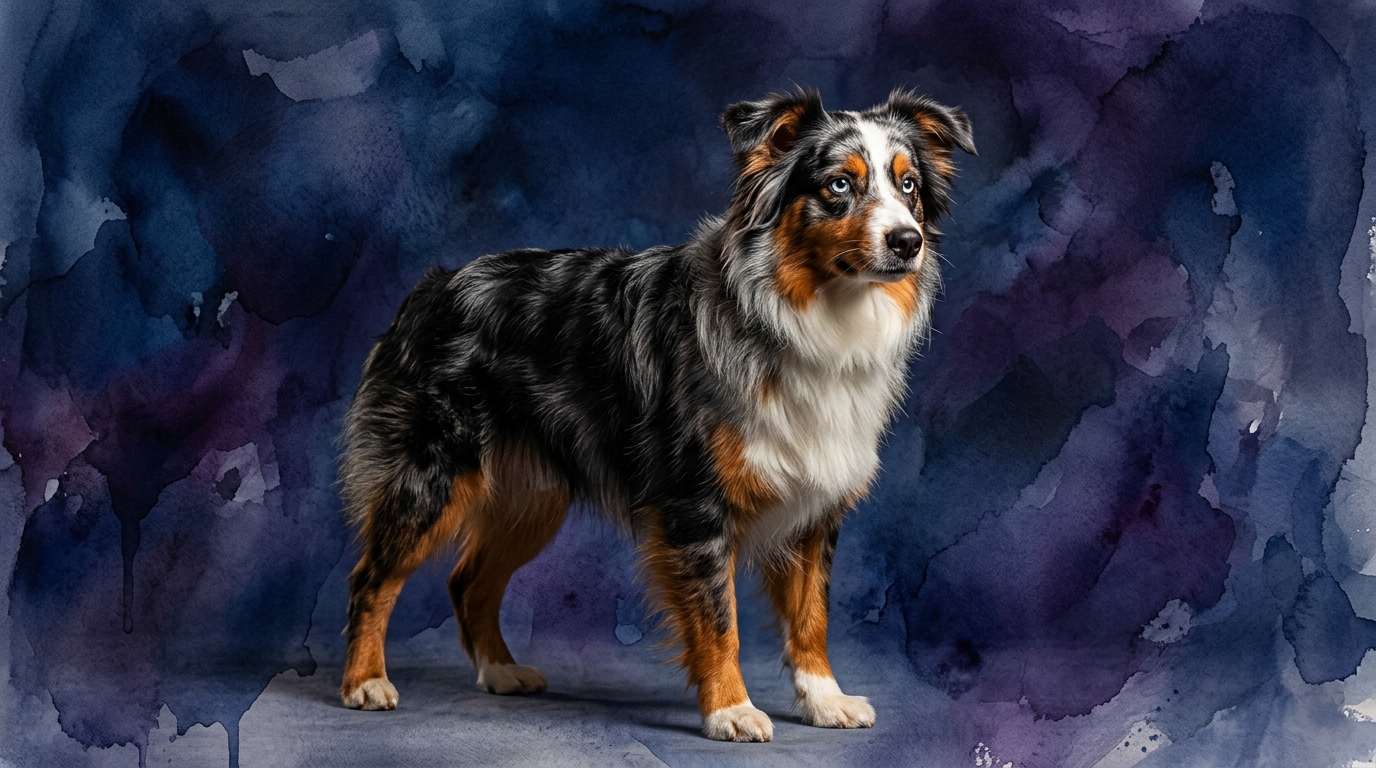
**Miniature American Shepherd (Herding Group):** This breed’s cognitive architecture is deeply rooted in its herding lineage, emphasizing cooperative intelligence and responsiveness. Their Problem Solving (3/5) is practical, adept at understanding patterns and sequences in tasks like managing groups or navigating agility courses. They often anticipate next steps in a routine, showcasing a systematic approach to challenges. Their Training Speed (3/5) reflects a moderate pace of learning, often driven by an eagerness to collaborate and receive positive feedback from their handlers, thriving on structured training. Social Intelligence (3/5) in the MAS means they are generally attuned to human emotions and intentions, making them perceptive partners capable of interpreting subtle cues. Their Instinctive Drive (3/5) is a pronounced herding impulse, a desire to gather, control movement, and maintain order, which serves as a powerful motivator for engagement and focus. Finally, their Memory (3/5) allows them to retain information about learned behaviors, established routines, and the spatial layouts relevant to their tasks quite well, recalling complex command sequences over time.
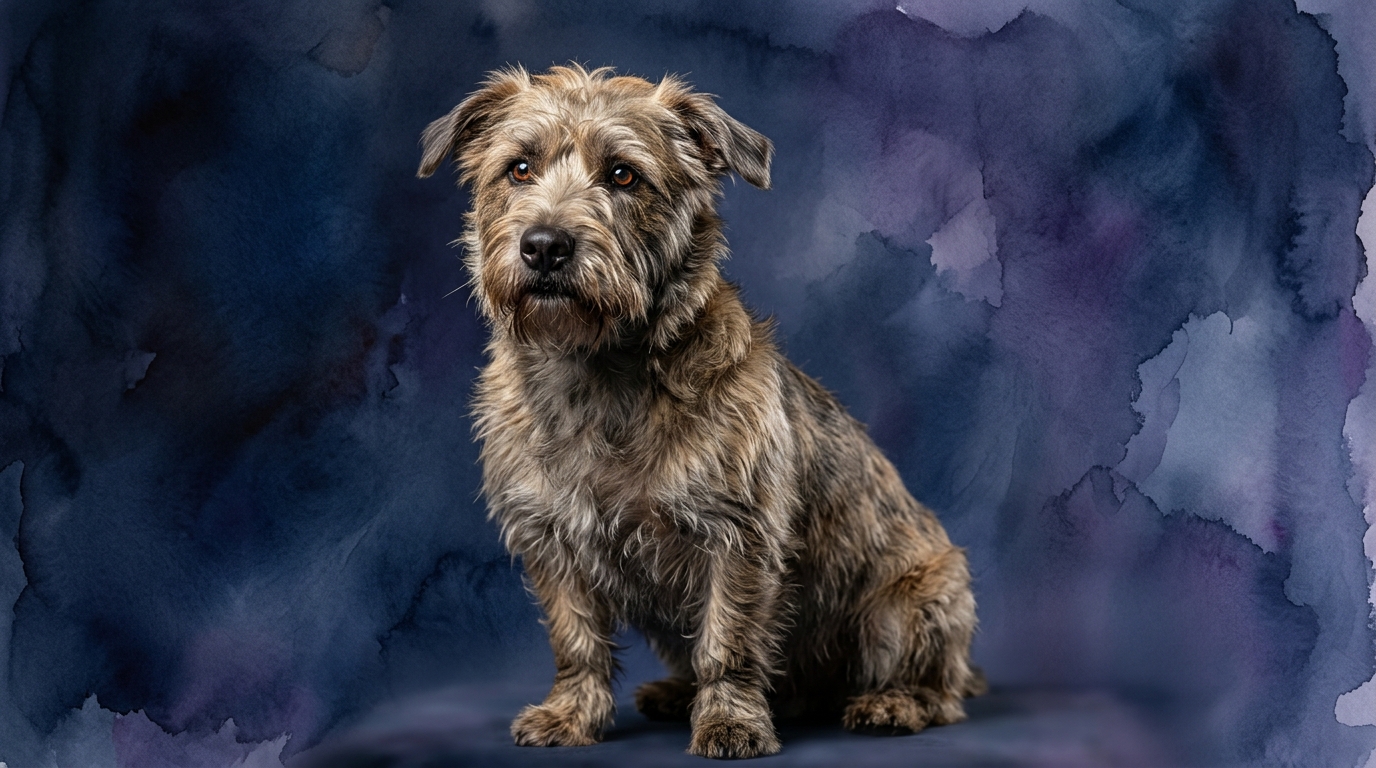
**Glen of Imaal Terrier (Terrier Group):** The Glen of Imaal Terrier’s cognitive makeup is shaped by its history as an independent hunter, requiring tenacity and self-reliance. Their Problem Solving (3/5) manifests as a tenacious, independent spirit, often devising their own methods to overcome obstacles, particularly when pursuing a goal like finding a hidden object or navigating a tight space. This intelligence is geared towards practical, self-directed tasks. While their Training Speed (3/5) is moderate, they can require patient and engaging methods; their independent nature means they learn best when training feels like a partnership or game rather than strict obedience. Social Intelligence (3/5) for the Glen involves forming deep bonds with their families and understanding household dynamics, though they might be less overtly "people-pleasing" and more focused on their own objectives. Their Instinctive Drive (3/5) is a strong terrier focus on hunting and digging, providing them with a persistent and determined focus when these instincts are engaged, translating into a strong work ethic for tasks they deem worthwhile. Their Memory (3/5) is solid for important locations, past experiences, and the outcomes of their independent problem-solving efforts, remembering what works (and what doesn't) for achieving their goals.
Where the Miniature American Shepherd Wins Cognitively
The Miniature American Shepherd's cognitive strengths shine brightest in environments requiring cooperative intelligence and structured learning. Their herding heritage has profoundly honed their capacity for sequential task learning and understanding complex, multi-step commands. For instance, an MAS might more readily grasp a series of agility obstacles or a choreographed freestyle routine, processing the order and execution with relative ease due to their inherent drive for systematic work. Their ability to read and react to a handler's subtle body language, a remnant of managing livestock, gives them an edge in tasks demanding close human-animal partnership and immediate responsiveness. This breed tends to excel in scenarios where anticipating human cues and working within a defined framework are paramount, showcasing a cognitive architecture built for purposeful collaboration and precision in execution.
Where the Glen of Imaal Terrier Wins Cognitively
In contrast, the Glen of Imaal Terrier's cognitive advantages manifest in areas demanding independent thought, tenacity, and creative problem-solving, particularly when driven by a self-directed goal. Their historical role as badger and fox hunters fostered a mindset geared towards overcoming obstacles autonomously. A Glen might outmaneuver an MAS in a puzzle toy designed for independent manipulation, or persistently figure out how to access a desired item through trial and error, demonstrating a unique brand of "terrier cunning." Their ability to focus intensely on a singular objective, undeterred by distractions, allows them to dissect and solve problems through sheer determination. This breed's cognitive strengths lie in their capacity for self-motivated exploration and the resourceful application of their instincts to achieve a tangible outcome, often without continuous human prompting or guidance.
Which is Easier to Train and Why
When evaluating trainability, the Miniature American Shepherd generally presents as the more straightforward student due to their inherent desire to work *with* their human companions. Their herding background instilled a strong sense of partnership and a readiness to respond to direction, making them typically eager to please and receptive to traditional positive reinforcement methods. An MAS often finds joy in the training process itself, viewing it as a shared activity and a means to receive approval. They are more inclined to repeat behaviors that yield positive feedback, demonstrating a cognitive loop focused on cooperation and mutual engagement with their handler.
The Glen of Imaal Terrier, while equally capable of learning, approaches training with a more independent and discerning mindset. Their terrier nature means they are often motivated by the *task* itself or the inherent reward, rather than solely by a desire to please. Training a Glen requires creativity, patience, and a deep understanding of what truly motivates them, as they might be less inclined to perform a task if they don't perceive its value or if it feels repetitive. While they can learn quickly, their strong will means trainers must make the process engaging and demonstrate clear benefits for the dog, tapping into their natural drive for exploration and problem-solving to encourage consistent participation.
Which Suits Active Owners vs. Relaxed Owners
The Miniature American Shepherd is well-suited for active owners who can provide consistent mental and physical engagement. Their cognitive profile, marked by a drive for purposeful activity and cooperative work, means they thrive when given “jobs” like agility, obedience, or even advanced trick training. Owners who enjoy structured activities and can channel the MAS's herding instincts into productive outlets will find a highly engaged and responsive companion. Their need for regular interaction and stimulating tasks makes them less ideal for entirely relaxed owners who prefer a purely ornamental pet, as their mental capabilities demand an outlet.
The Glen of Imaal Terrier, while possessing a robust terrier drive, can adapt to a slightly more relaxed owner, provided their specific needs for exploration and occasional bursts of focused activity are met. They appreciate opportunities for independent sniffing, digging in a designated area, or engaging in challenging puzzle toys that tap into their problem-solving instincts. While they enjoy walks and playtime, their exercise needs are generally moderate compared to some working breeds. Owners who appreciate a dog with a strong, independent personality and are content with a companion that might prefer solving a scent game over performing elaborate obedience routines will find a good match in the Glen. They are not couch potatoes, but their activity is often more self-directed and less about continuous, high-impact exercise.
The Verdict
Opt for the Miniature American Shepherd if you seek a cooperative, responsive partner for structured activities, enjoying a dog that thrives on shared tasks and readily adapts to new routines and handler cues.
Select the Glen of Imaal Terrier if you appreciate an independent, tenacious companion that excels at self-directed problem-solving and offers a unique personality with moderate, focused activity needs.
🧠 Find Your Pet's IQ Score
Our Pet IQ Lab assessment covers 25+ tests across 5 cognitive dimensions — personalized to your breed.
Take the Full IQ Test →Frequently Asked Questions
Do Miniature American Shepherds bark a lot?
Miniature American Shepherds can be vocal, often using barks to communicate or alert their family. Their herding instincts mean they might bark to "manage" their environment or express excitement, so early training to manage vocalization is beneficial.
Are Glen of Imaal Terriers good with other pets?
Glen of Imaal Terriers can coexist with other pets, especially if introduced early and socialized well from a young age. However, their strong prey drive means careful supervision is needed with smaller, non-canine animals, and introductions should always be gradual.
What kind of mental stimulation do these breeds need?
The Miniature American Shepherd benefits from learning new tricks, interactive puzzle toys, and participating in dog sports like agility or obedience. The Glen of Imaal Terrier enjoys scent work, digging opportunities in a designated area, and puzzle toys that challenge their independent problem-solving skills and persistence.