Side-by-Side Cognitive Profiles: Decoding the '3/5' Scores
At first glance, both the Miniature American Shepherd and the Japanese Chin share identical ratings across five key cognitive dimensions: Problem Solving (3/5), Training Speed (3/5), Social Intelligence (3/5), Instinctive Drive (3/5), and Memory (3/5). However, these scores manifest quite differently when filtered through each breed's distinct heritage and purpose. A '3/5' indicates a solid, functional level of ability, not exceptional brilliance, but certainly not a deficit, implying competence that is well-suited to their respective roles.
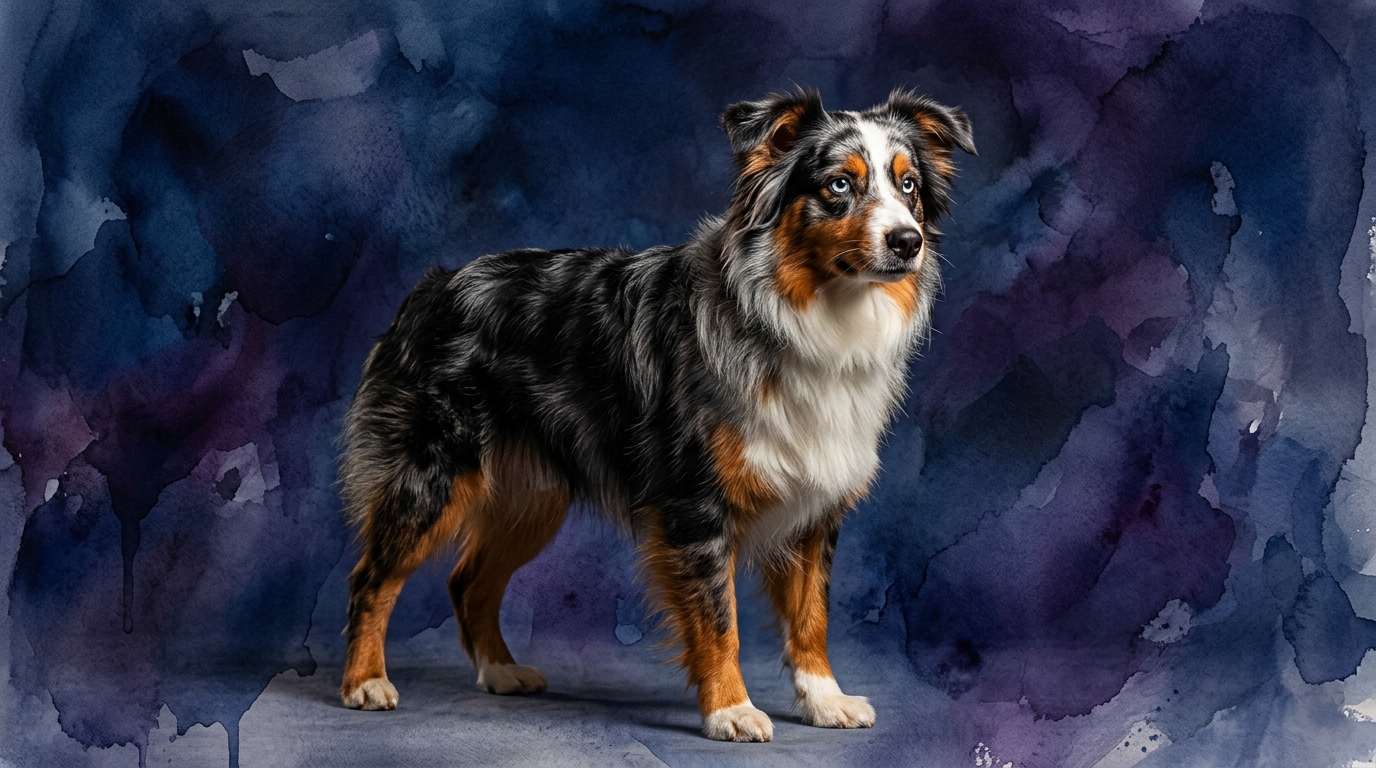
For the Miniature American Shepherd, a '3/5' in Problem Solving suggests an aptitude for practical challenges, such as navigating an agility course or figuring out how to move livestock efficiently. Their solutions are often task-oriented and goal-driven, reflecting their herding background where strategic thinking is beneficial for managing flocks. This problem-solving capability is less about abstract thought and more about efficient, physical application.
Their Training Speed at 3/5 means Miniature American Shepherds generally pick up new commands and routines at a good pace, especially when the training is engaging and tied to a purpose. They respond well to consistent, positive reinforcement and thrive on having a 'job' to do, which aids in their retention and application of learned behaviors. They are not instant learners but are eager to participate.
Social Intelligence at 3/5 for the Miniature American Shepherd indicates they are adept at reading their primary handler's cues and intentions, crucial for effective teamwork in herding or dog sports. They understand pack dynamics and can be reserved with strangers, preferring to bond deeply with their immediate family. Their social understanding is often geared towards cooperation and partnership.
The Miniature American Shepherd's Instinctive Drive, also 3/5, points to a moderate but distinct herding instinct, including a desire to gather, chase, and control movement. This drive is foundational to their breed and needs appropriate outlets, manifesting as a need for activity and mental stimulation. It's a drive for purpose, rather than just random energy.
Finally, their Memory at 3/5 means Miniature American Shepherds possess good recall for learned commands, routines, and the spatial layout of their environment. They remember training sequences and past experiences, allowing them to build on previous learning effectively. This memory is vital for consistent performance in various tasks.
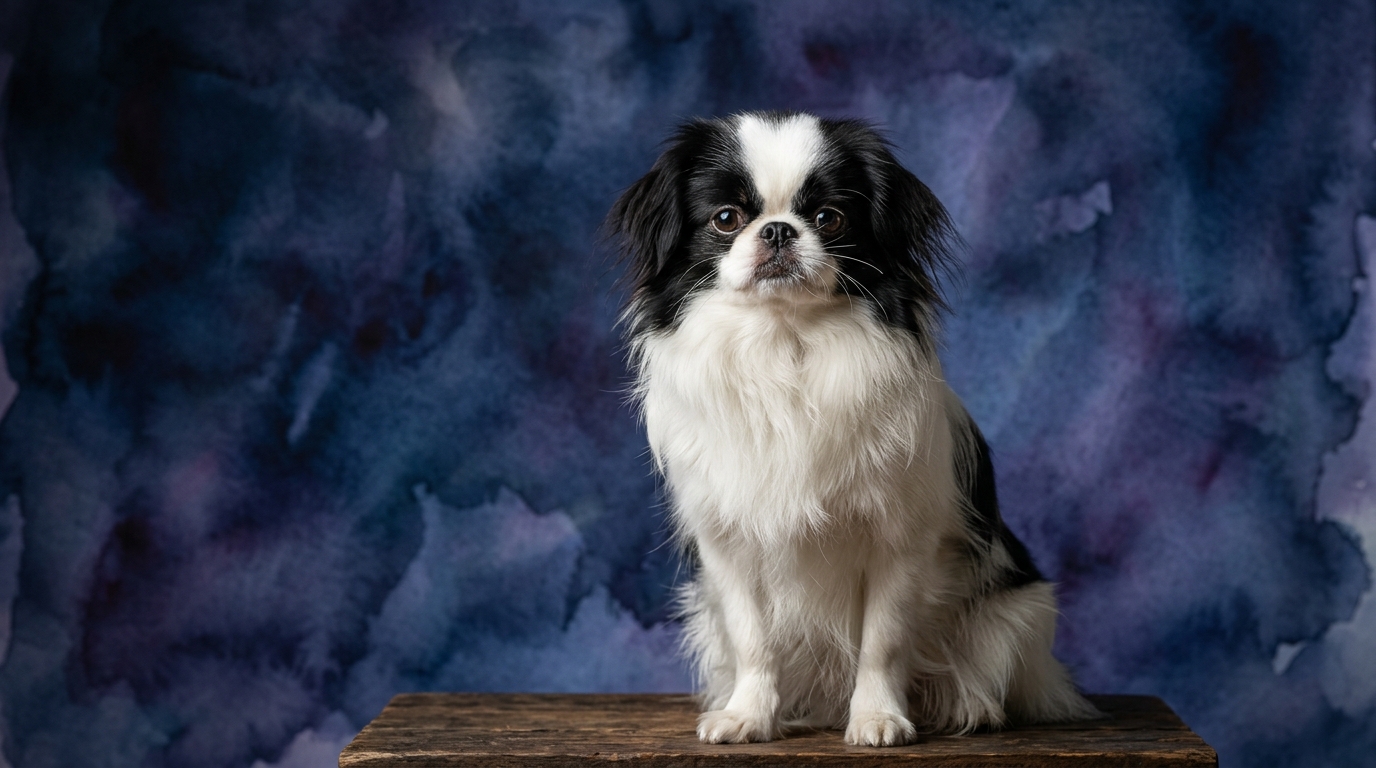
Turning to the Japanese Chin, their '3/5' in Problem Solving manifests differently, often centered on navigating their home environment for comfort or attention. They can be quite clever at figuring out how to get onto a favorite lap, manipulate their owners for treats, or access cozy spots. Their problem-solving is typically focused on personal comfort and social interaction, not on complex physical tasks.
A 3/5 in Training Speed for the Japanese Chin indicates they can learn commands at a reasonable pace, particularly when motivated by affection, treats, or the desire to please their beloved humans. They may have a charmingly independent streak, sometimes requiring a bit more persuasion or making the training feel like a fun game rather than a chore. They are not necessarily quick to obey without personal investment.
Their Social Intelligence, also 3/5, is a significant strength, showing a keen awareness of human emotions and family dynamics. Japanese Chins are highly attuned to their owners' moods, often offering comfort or seeking attention at opportune moments. They excel at subtle communication and maintaining harmony within the household, acting as sensitive barometers of the social climate.
The Japanese Chin's Instinctive Drive at 3/5 is primarily centered around companionship and comfort. They possess a strong desire for close proximity to their people, enjoying cuddles and gentle play. Unlike herding breeds, their drive is not for work or physical tasks, but for social bonding, warmth, and the routines of a comfortable domestic life. They are motivated by connection.
Their Memory, rated 3/5, means Japanese Chins remember routines, the people who provide the best attention, and the locations of their favorite resting spots or toys. They retain information about social interactions and can recall which behaviors elicit desired responses from their human companions. Their memory is finely tuned to their social and comfort needs.
Where the Miniature American Shepherd Shines Cognitively
While both breeds score identically, the Miniature American Shepherd demonstrates a cognitive edge in areas requiring practical application and sustained focus on a task. Their problem-solving, even at a 3/5, is inherently more geared towards understanding multi-step sequences and adapting to dynamic environments, crucial for herding or advanced dog sports. This involves processing spatial information and cause-and-effect relationships in a functional context.
Their social intelligence, though rated the same, is often more directed towards understanding and responding to human commands as part of a working partnership, making them exceptionally attuned to a handler's directives during training or competition. This cognitive strength translates into a greater capacity for structured cooperation and following complex instructions, benefiting from a history of working alongside humans.
Where the Japanese Chin Holds a Cognitive Advantage
The Japanese Chin, despite matching scores, shows a distinct cognitive advantage in the nuanced realm of social interaction and emotional intelligence. Their problem-solving, while not for herding, is highly effective at navigating human social structures to achieve desired outcomes like attention or comfort, demonstrating a sophisticated understanding of their owners' behaviors and vulnerabilities. This isn't about physical tasks, but about subtle social manipulation.
Their social intelligence, also rated 3/5, is deeply rooted in companionship, allowing them to excel at reading subtle human emotional cues and responding with empathy or charming antics. They are masters of adapting their behavior to the mood of the room, often anticipating needs for comfort or play. This cognitive strength makes them exceptional emotional support animals, instinctively knowing how to soothe or entertain their human companions.
Training Dynamics: Herding Drive vs. Companion Charm
Determining which breed is 'easier' to train is less about raw cognitive capacity and more about their inherent motivations and behavioral tendencies. The Miniature American Shepherd, with its herding background and moderate instinctive drive, often finds structured training rewarding because it provides a sense of purpose and a 'job' to do. Their desire to work and please a handler means they are generally responsive to obedience commands and excel in activities like agility or rally, provided training is consistent and engaging. Their focus is often external and task-oriented.
The Japanese Chin, on the other hand, while equally capable of learning, might approach training with a more independent and charmingly selective attitude. Their primary motivation is companionship and comfort, so training needs to be highly positive, treat-motivated, and feel like a fun interaction rather than a rigid command session. They might quickly learn house manners or tricks that earn them affection, but repetitive or unrewarding tasks might be met with a polite refusal. Their focus is often internal and socially driven.
Matching Lifestyles: Active Explorers vs. Relaxed Companions
The cognitive profiles of these breeds naturally align with different owner lifestyles. The Miniature American Shepherd, with its moderate instinctive drive and practical problem-solving skills, thrives with active owners who enjoy outdoor adventures, dog sports, or engaging in mentally stimulating activities. Their cognitive makeup benefits from structured environments where they can apply their intelligence to tasks, making them ideal for individuals or families who lead dynamic lives and can provide consistent training and exercise. They need an outlet for their physical and mental energy.
Conversely, the Japanese Chin's social intelligence and comfort-oriented problem-solving make them perfect companions for more relaxed owners seeking a devoted, sensitive, and charming presence. They excel in quieter home environments where their social acumen can be fully appreciated, and they can lavish affection on their human family. While they enjoy short walks and play, their cognitive strengths are best utilized in close social interaction rather than demanding physical tasks, fitting seamlessly into a serene, companionship-focused lifestyle.
The Verdict: When to Choose Each Breed
The Verdict
Choose a Miniature American Shepherd if you seek an active, intelligent partner for sports, outdoor adventures, or structured training, valuing their practical problem-solving and task-oriented cooperation. They thrive with owners who can channel their moderate herding drive into purposeful activities and consistent engagement.
Opt for a Japanese Chin if you desire a charming, sensitive, and devoted companion who excels in social dynamics and brings a calm, affectionate presence to the home. They are ideal for owners who appreciate subtle intelligence focused on comfort and connection, and prefer a more relaxed lifestyle.
🧠 Find Your Pet's IQ Score
Our Pet IQ Lab assessment covers 25+ tests across 5 cognitive dimensions — personalized to your breed.
Take the Full IQ Test →Frequently Asked Questions
Do Miniature American Shepherds require a lot of mental stimulation?
Yes, their 3/5 problem-solving and instinctive drive mean Miniature American Shepherds benefit greatly from regular mental stimulation. Activities like puzzle toys, obedience training, or dog sports help satisfy their cognitive needs and prevent boredom-related behaviors, ensuring they remain engaged and content.
Are Japanese Chins good at learning tricks despite their toy breed status?
Absolutely, Japanese Chins, with their 3/5 training speed and social intelligence, can be quite adept at learning tricks. They are often highly motivated by praise, treats, and the joy of interacting with their owners, making trick training a fun and rewarding bonding experience when approached positively.
How do their social intelligence ratings impact their interactions with children or other pets?
Both breeds, with a 3/5 social intelligence, can adapt well to families with children or other pets, though their approach differs. Miniature American Shepherds might be more reserved initially but form strong bonds, while Japanese Chins are often more openly affectionate and attuned to family dynamics, thriving on harmonious interactions within the household.