Side-by-side IQ Profile: A Qualitative Look
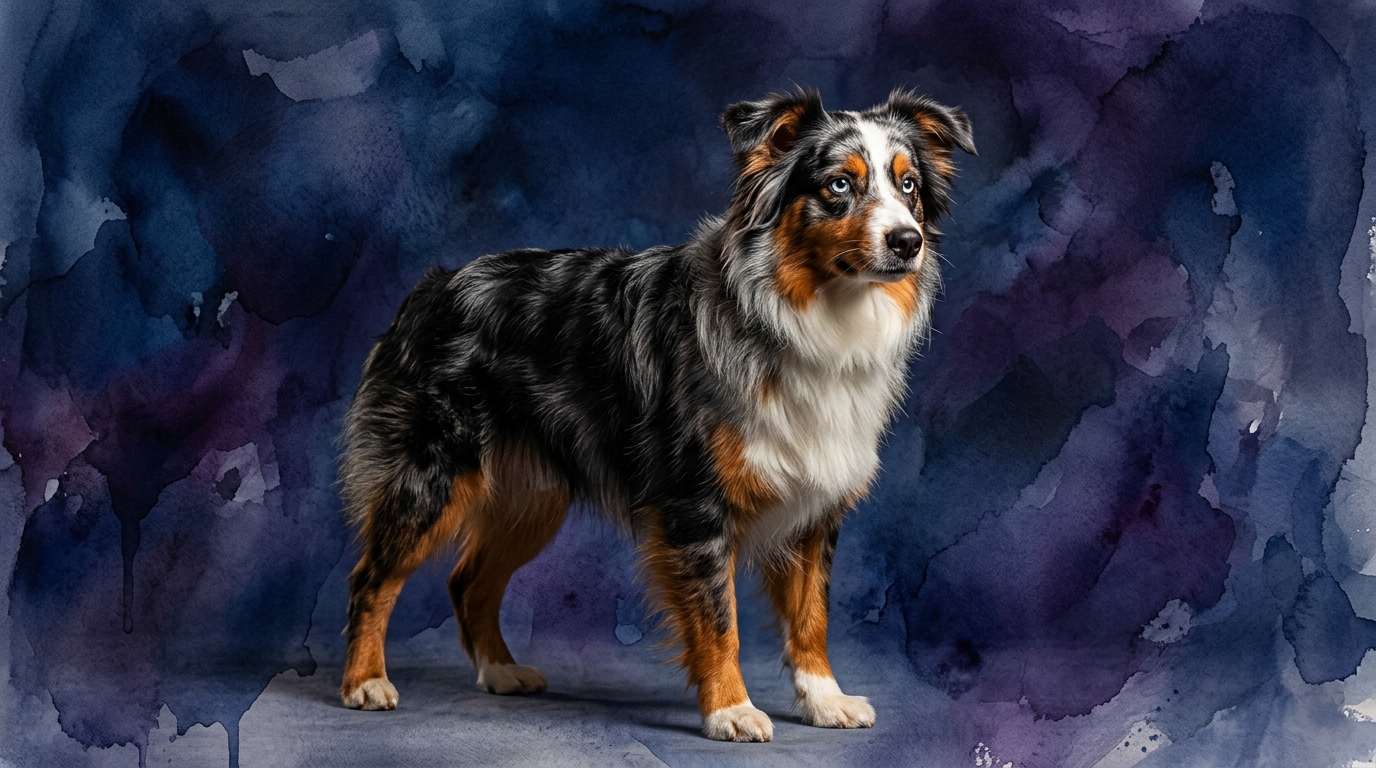
The Cosmic Pet Pet IQ Lab rates both the Miniature American Shepherd and the Nova Scotia Duck Tolling Retriever consistently at 3/5 across all five cognitive dimensions: Problem Solving, Training Speed, Social Intelligence, Instinctive Drive, and Memory. This numerical parity, however, belies distinct qualitative expressions shaped by their breed histories. For the Miniature American Shepherd, a herding breed, Problem Solving involves strategically maneuvering livestock, anticipating movement and reacting to environmental cues under handler guidance. Their Training Speed reflects a strong desire to cooperate and learn complex sequences for control and direction, making them proficient in structured obedience. Social Intelligence often means a keen awareness of their family unit and protective instincts, while their Instinctive Drive is rooted in gathering and controlling movement. Their Memory supports recalling intricate patterns and commands for consistent herding tasks.
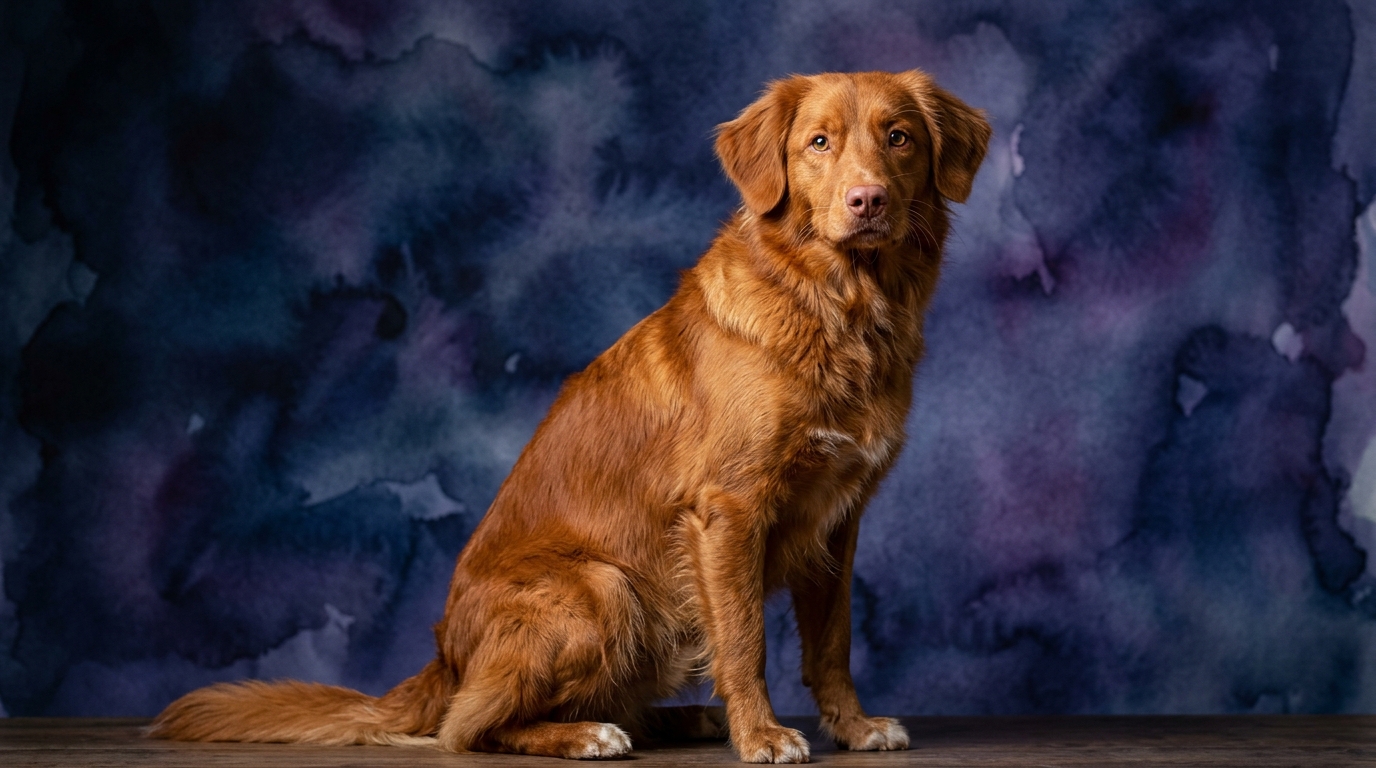
In contrast, the Nova Scotia Duck Tolling Retriever, a sporting breed, applies its Problem Solving skills to independently locating and retrieving game in varied terrains, requiring self-reliance and navigation. Their Training Speed is propelled by a high play and prey drive, excelling in retrieve-based training, though their enthusiasm can be a distraction. The Toller's Social Intelligence typically presents as an outgoing, friendly demeanor, adept at reading human intentions during cooperative hunting scenarios. Their Instinctive Drive is profoundly tied to their unique "tolling" behavior—luring waterfowl—and an intense retrieving drive, coupled with a love for water. Their Memory enables them to recall precise retrieve locations, complex scent trails, and learned sequences for hunting or competitive dog sports.
Where the Miniature American Shepherd Wins Cognitively
The Miniature American Shepherd's cognitive strengths particularly shine in environments demanding precise control, strategic thinking within a defined system, and a deep partnership with their handler. Their herding legacy means they excel at predictive problem-solving where the "problem" involves managing dynamic, often unpredictable, elements like sheep or cattle. This translates to an acute ability to anticipate movement and respond with agility, not just physically, but mentally, adjusting their strategy on the fly based on subtle changes in their environment or their handler's cues. This breed demonstrates a nuanced understanding of spatial relationships and boundaries, a critical cognitive asset for their original purpose.
Furthermore, their strong desire to work *with* a human partner gives them an edge in tasks requiring sustained focus and biddability. Their social intelligence is finely tuned to human direction, making them exceptional at interpreting complex sequences of commands and executing them with precision. This cognitive aptitude for cooperative problem-solving, where the dog acts as an extension of the handler's will, allows them to navigate intricate obedience courses or elaborate agility sequences with a remarkable blend of independent thought and directed action.
Where the Nova Scotia Duck Tolling Retriever Wins Cognitively
The Nova Scotia Duck Tolling Retriever's cognitive prowess is most evident in scenarios requiring independent initiative, persistent problem-solving in natural environments, and a robust prey drive channeled into productive work. Their primary role was to lure ducks and retrieve game, tasks that often demand self-reliance and creative strategizing when a human partner isn't directly dictating every move. This means their problem-solving manifests in their ability to independently locate hidden objects, navigate complex cover, and adapt their retrieving approach based on environmental factors like water currents or dense vegetation.
Their unique "tolling" behavior itself is a testament to a specific cognitive strength—the ability to engage in a playful, luring dance with the explicit goal of attracting game. This requires a level of environmental awareness and an understanding of cause-and-effect that goes beyond simple obedience. Tollers also demonstrate a remarkable capacity for sustained focus on a task, particularly when it involves scent work or retrieving, showcasing a memory attuned to spatial information and the nuances of scent trails. Their cognitive drive is intrinsically linked to the thrill of the hunt and retrieve, making them exceptionally persistent and resourceful in pursuit of their "prey," whether it's a thrown bumper or a hidden treat.
Which is Easier to Train and Why
When considering ease of training, the Miniature American Shepherd generally exhibits a higher degree of biddability and a more intrinsic desire to please their handler, which can make initial training phases smoother. Their herding background instills a natural inclination towards structure and responsiveness to commands, as their work required precise control and immediate reactions to human directives. They thrive on clear communication and consistent expectations, often finding satisfaction in the act of working cooperatively with their human. This makes them highly receptive to traditional obedience training, where their focus on the handler helps them absorb new commands and routines quickly.
The Nova Scotia Duck Tolling Retriever, while equally capable of learning rapidly, often brings a more independent and energetic approach to training. Their training is profoundly influenced by their powerful prey and retrieving drive. While this provides immense motivation for tasks like fetch or scent games, it can also lead to distractions if not properly channeled. Training a Toller often requires creativity, incorporating their natural drives into the learning process to maintain engagement. They might learn quickly, but their enthusiasm can sometimes override their focus on the handler if the environment offers more stimulating distractions. Therefore, while both learn efficiently, the Mini American Shepherd might present as "easier" due to their inherent handler-centric focus, whereas the Toller requires a trainer who can effectively harness and direct their high-octane drive.
Which Suits Active Owners vs. Relaxed Owners
Neither the Miniature American Shepherd nor the Nova Scotia Duck Tolling Retriever are suited for relaxed, sedentary owners; both require significant engagement and activity. However, the *type* of activity they thrive on differs. The Miniature American Shepherd, while energetic, often prefers activities that involve a partnership with their owner and a clear purpose. They excel in dog sports like agility, obedience, flyball, and herding trials, which provide both physical exertion and crucial mental stimulation through problem-solving and following complex sequences. They are content with long, brisk walks or hikes, but truly flourish when given a "job" that engages their cognitive faculties and their desire for cooperative work. Owners who enjoy structured training, teaching new tricks, and participating in dog sports will find a highly engaged partner in a Mini American Shepherd.
The Nova Scotia Duck Tolling Retriever, conversely, demands a more intense and often physically demanding outlet for their boundless energy and powerful retrieving drive. They are built for endurance, water work, and persistent fetching, making them ideal companions for owners who enjoy running, hiking, swimming, kayaking, or participating in retrieve-based dog sports like dock diving or hunt tests. Their need for vigorous physical exercise is paramount, and without it, their instinctive drive can lead to restless behaviors. While they also benefit from mental challenges, their primary requirement is often a robust physical outlet that allows them to use their natural retrieving and luring instincts. Owners with a very active, outdoors-oriented lifestyle, particularly those who enjoy water activities or field work, will find the Toller to be an unparalleled companion.
The Verdict
Opt for the Miniature American Shepherd if you seek a highly cooperative and biddable partner for structured activities like obedience, agility, or herding, valuing a dog that thrives on working closely with you and possesses a watchful, family-oriented nature.
Select the Nova Scotia Duck Tolling Retriever if your lifestyle is intensely active and outdoors-focused, especially if you enjoy water sports, hiking, or field work, and desire a dog that combines independent problem-solving with an enthusiastic, persistent drive for retrieving.
🧠 Find Your Pet's IQ Score
Our Pet IQ Lab assessment covers 25+ tests across 5 cognitive dimensions — personalized to your breed.
Take the Full IQ Test →Frequently Asked Questions
Are Miniature American Shepherds good with children?
Miniature American Shepherds can be wonderful family dogs and are generally good with children, especially when raised with them. Their herding instincts might lead them to "herd" children, so supervision and teaching appropriate interactions are important, but their loyalty and desire to be part of the family make them loving companions.
Do Nova Scotia Duck Tolling Retrievers bark a lot?
Nova Scotia Duck Tolling Retrievers are known for their distinctive "Toller scream" or "scream of excitement" which is a high-pitched vocalization they often use when excited or anticipating something. While not constant barkers, they can be vocal, especially if bored or not receiving enough mental and physical stimulation, or when expressing their enthusiasm.
What kind of mental stimulation do these breeds require?
Both breeds require significant mental stimulation to prevent boredom and destructive behaviors. Miniature American Shepherds thrive on learning new commands, puzzle toys, and participating in dog sports that involve problem-solving and partnership. Nova Scotia Duck Tolling Retrievers benefit from scent work, retrieving games, interactive toys, and activities that tap into their natural hunting and luring instincts.