Side-by-Side IQ Profile
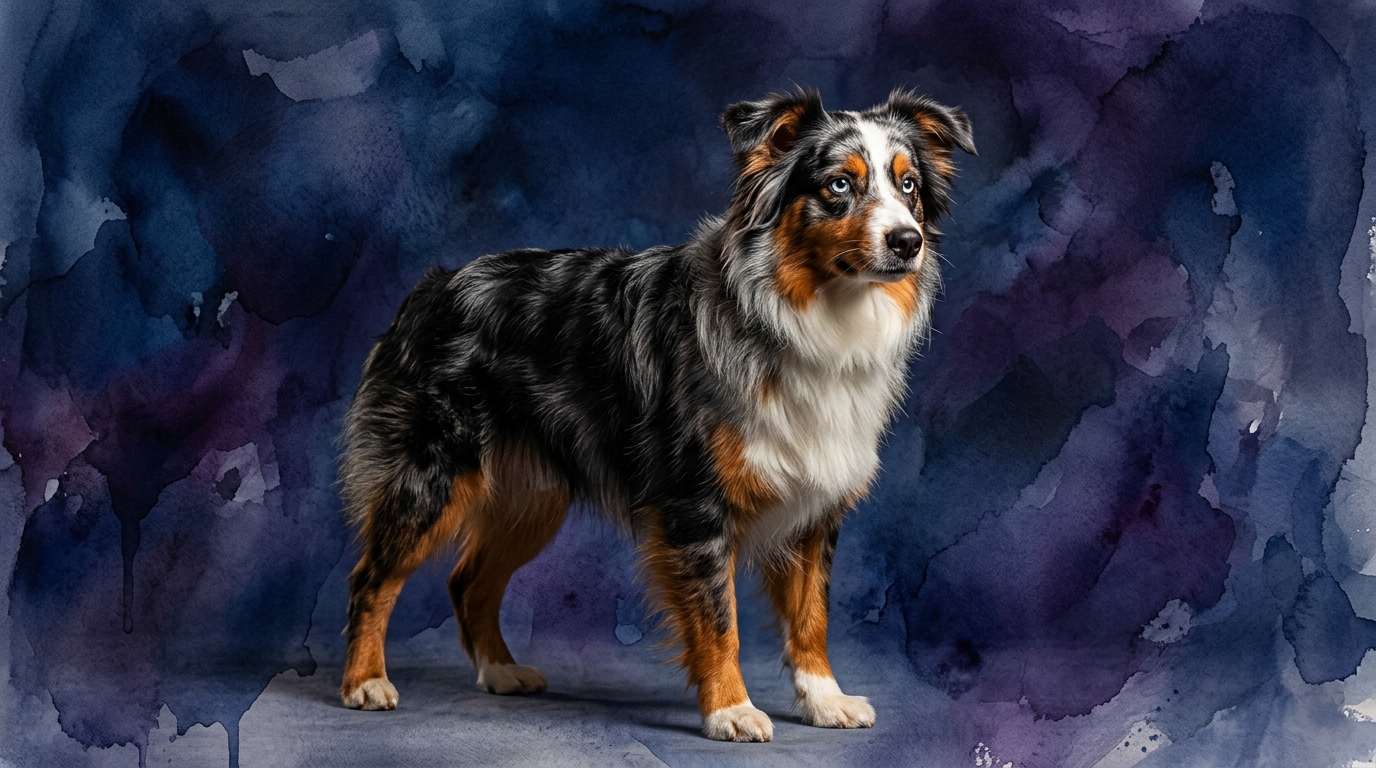
The Miniature American Shepherd's Problem Solving (3/5) involves dynamic assessment and strategic adjustments, crucial for herding and anticipating movement. Training Speed (3/5) reflects their eager responsiveness to instruction, driven by a desire for purpose and partnership. Social Intelligence (3/5) shines in interpreting subtle handler cues and navigating group dynamics effectively. Instinctive Drive (3/5) centers on herding behaviors—gathering, driving, and boundary setting—channeling energy into focused activity. Memory (3/5) supports recall of complex command sequences, environmental layouts, and established routines, enabling consistent performance.
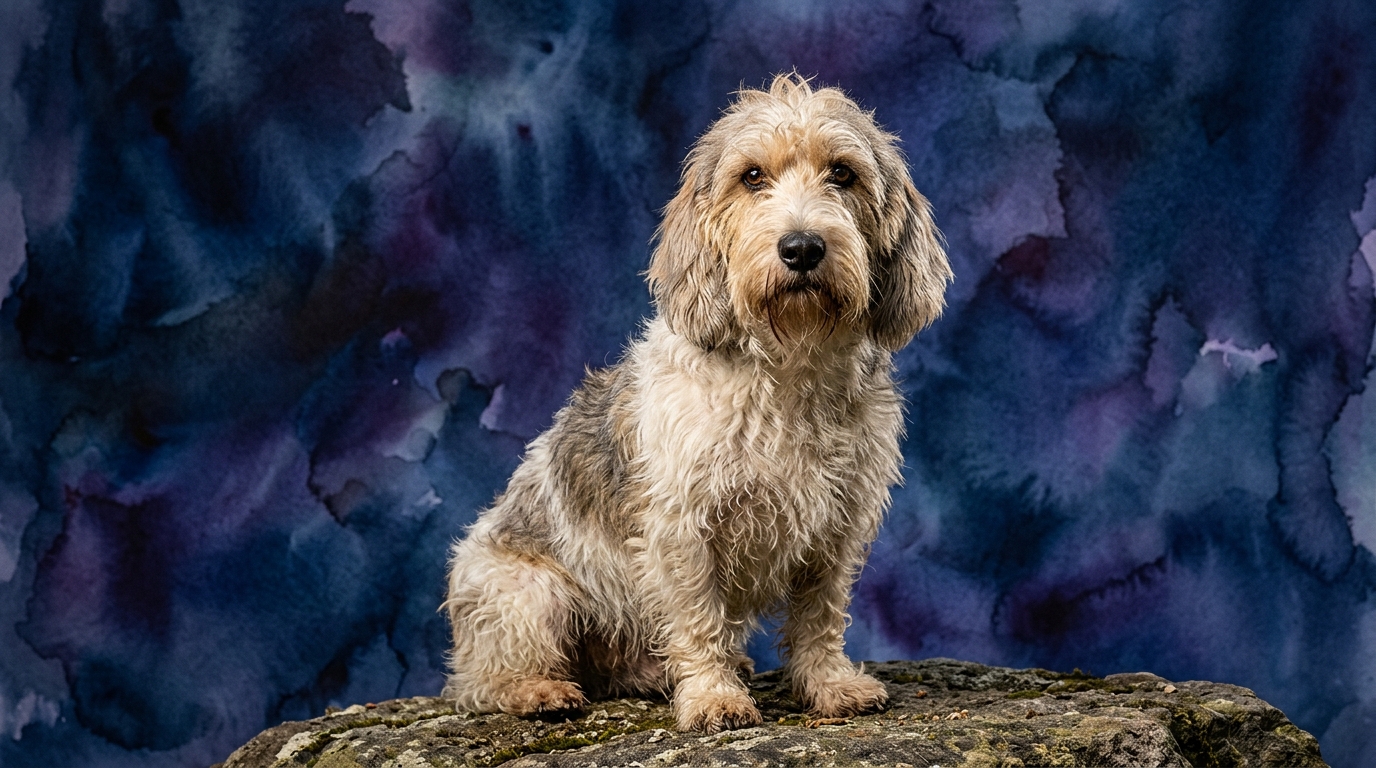
The PBGV's Problem Solving (3/5) manifests as persistent, independent tracking, unraveling scent trails and navigating obstacles with sensory acumen. Training Speed (3/5) indicates they learn well, though motivation often stems from personal interest, requiring engaging, rewarding methods. Social Intelligence (3/5) fosters a cheerful pack mentality, amiable with people and other dogs, but less focused on strict human directives. Instinctive Drive (3/5) is rooted in relentless scent work and pursuit, compelling them to follow their nose with unwavering focus. Memory (3/5) is robust for scent recognition and recalling successful hunting routes or food locations, essential for their tracking prowess.
Where Miniature American Shepherd Wins Cognitively
While both breeds score a 3/5 across the board, the Miniature American Shepherd exhibits a particular cognitive advantage in tasks requiring structured cooperation and dynamic strategy. Their herding background means their 3/5 in problem-solving often translates into superior spatial reasoning and predictive intelligence, allowing them to anticipate movement and manage a group of animals or people effectively. This contrasts with the PBGV's more independent, sensory-driven problem-solving. Furthermore, their 3/5 in social intelligence is finely tuned for interpreting nuanced human cues and collaborating in complex, multi-step tasks, making them particularly adept at precision work alongside a handler. Their memory, also a 3/5, excels at recalling sequences of actions and handler commands, building a reliable foundation for intricate routines. This breed thrives when given a clear objective and the mental challenge to achieve it within a defined framework, showcasing a proactive, adaptive form of intellect.
Where Petit Basset Griffon Vendéen Wins Cognitively
The Petit Basset Griffon Vendéen, despite identical 3/5 scores, demonstrates distinct cognitive strengths rooted in their independent hunting heritage. Their problem-solving (3/5) uniquely shines in autonomous navigation and persistent sensory investigation, allowing them to unravel complex scent puzzles across varied terrains without constant human direction. Unlike the MAS, their 3/5 in instinctive drive is a powerful, self-directed engine for exploration and tracking, compelling them to pursue a scent with unwavering focus and determination. This single-mindedness, while sometimes challenging in a domestic setting, is a profound cognitive asset for their original purpose. Their memory, also a 3/5, is exceptionally keen for scent imprints and terrain navigation relevant to tracking, enabling them to recall specific scent profiles and successful routes. The PBGV's social intelligence (3/5) fosters a cheerful pack dynamic, making them excellent companions for other dogs and people in a less structured, more convivial environment, where their ability to read subtle social cues might be less about obedience and more about amiable interaction.
Which is Easier to Train and Why
When comparing training ease, the Miniature American Shepherd generally presents a more straightforward experience for the average owner due to their herding legacy. Their 3/5 in training speed is coupled with a strong desire to engage with their handler and a natural inclination towards structured tasks. They often find satisfaction in learning commands and performing routines, viewing it as a collaborative effort. Their social intelligence (3/5) means they are typically eager to please and responsive to verbal and physical cues, making recall and obedience training more intuitive. In contrast, the Petit Basset Griffon Vendéen's 3/5 in training speed is heavily influenced by their independent hound nature. While capable of learning, their powerful instinctive drive (3/5) to follow a scent can make consistency a significant challenge. A PBGV might learn a command quickly but choose to ignore it if a more compelling scent stimulus arises. Training requires immense patience, creativity, and a reliance on high-value rewards to capture and maintain their focus against their inherent drive for exploration. Their interpretation of social intelligence might be more about enjoying company than strictly adhering to human directives, often leading to a charmingly stubborn streak.
Which Suits Active Owners vs Relaxed Owners
For owners seeking an active companion who thrives on structured activity and mental engagement, the Miniature American Shepherd is an excellent fit. Their 3/5 instinctive drive is best met with activities like agility, obedience, herding trials, or even long, purposeful hikes that engage their minds and bodies. They benefit from owners who can provide consistent training, offer mental challenges, and appreciate a dog that wants to be an active participant in daily life. Their social intelligence (3/5) makes them adaptable to various social settings, eager to interact and learn. Conversely, the Petit Basset Griffon Vendéen, while certainly active, suits an owner who understands and appreciates their unique blend of enthusiasm and independence. Their 3/5 instinctive drive for scenting means they need opportunities for supervised exploration and 'nose work,' but their activity often takes the form of bursts of energetic tracking followed by periods of comfortable relaxation. They are not typically suited for owners who desire strict obedience or a dog that will always stay perfectly by their side off-leash in an open environment. Their social intelligence (3/5) makes them wonderful, cheerful companions, but their independent streak means they are less likely to be 'velcro dogs' and more content to explore their world at their own pace, making them suitable for owners who value a dog with a strong, self-directed personality.
The Verdict
Choose the Miniature American Shepherd if you seek a highly trainable, cooperative partner for structured activities and mental challenges, valuing their eagerness to please and collaborative intelligence.
Opt for the Petit Basset Griffon Vendéen if you appreciate a cheerful, independent companion with a powerful scent drive, understanding that their intelligence thrives on exploration and less rigid obedience.
🧠 Find Your Pet's IQ Score
Our Pet IQ Lab assessment covers 25+ tests across 5 cognitive dimensions — personalized to your breed.
Take the Full IQ Test →Frequently Asked Questions
Do Miniature American Shepherds and PBGVs have different problem-solving approaches despite similar scores?
Absolutely. While both score 3/5, the Miniature American Shepherd's problem-solving leans towards dynamic spatial reasoning and strategy for tasks like herding, while the PBGV excels at persistent, independent sensory investigation to unravel scent trails. Their cognitive styles are distinct, reflecting their breed purposes.
How does each breed's social intelligence manifest differently?
The Miniature American Shepherd's 3/5 social intelligence focuses on interpreting human cues for cooperative tasks, making them highly responsive partners. The Petit Basset Griffon Vendéen's 3/5 manifests as general amiability and a strong pack mentality, being sociable with less emphasis on strict human direction.
Can a PBGV be trained for complex tasks like an MAS?
A PBGV can certainly learn, but their independent nature and strong scent drive mean training for complex, precision-based tasks requires far more patience, motivation, and creative engagement than with a Miniature American Shepherd. Their intelligence is geared towards autonomous exploration, not necessarily strict obedience.