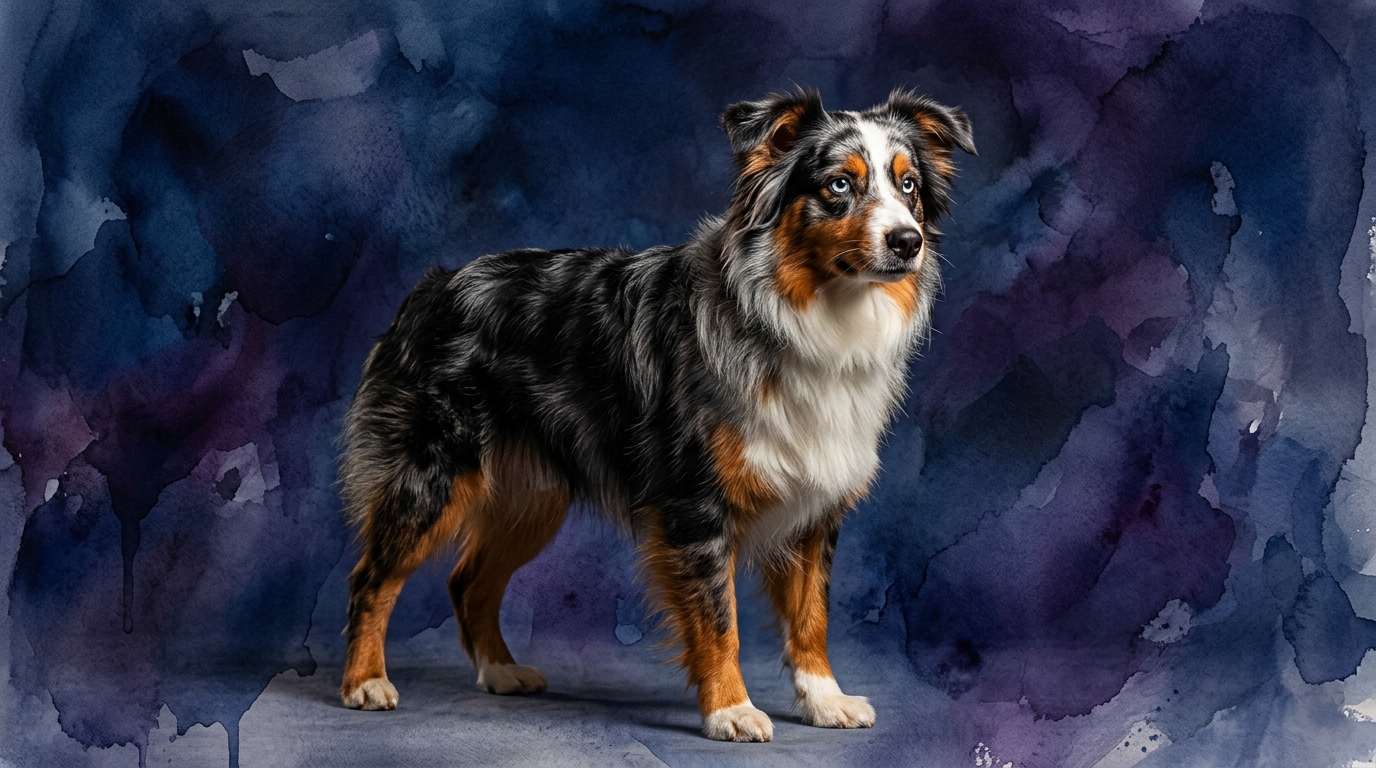
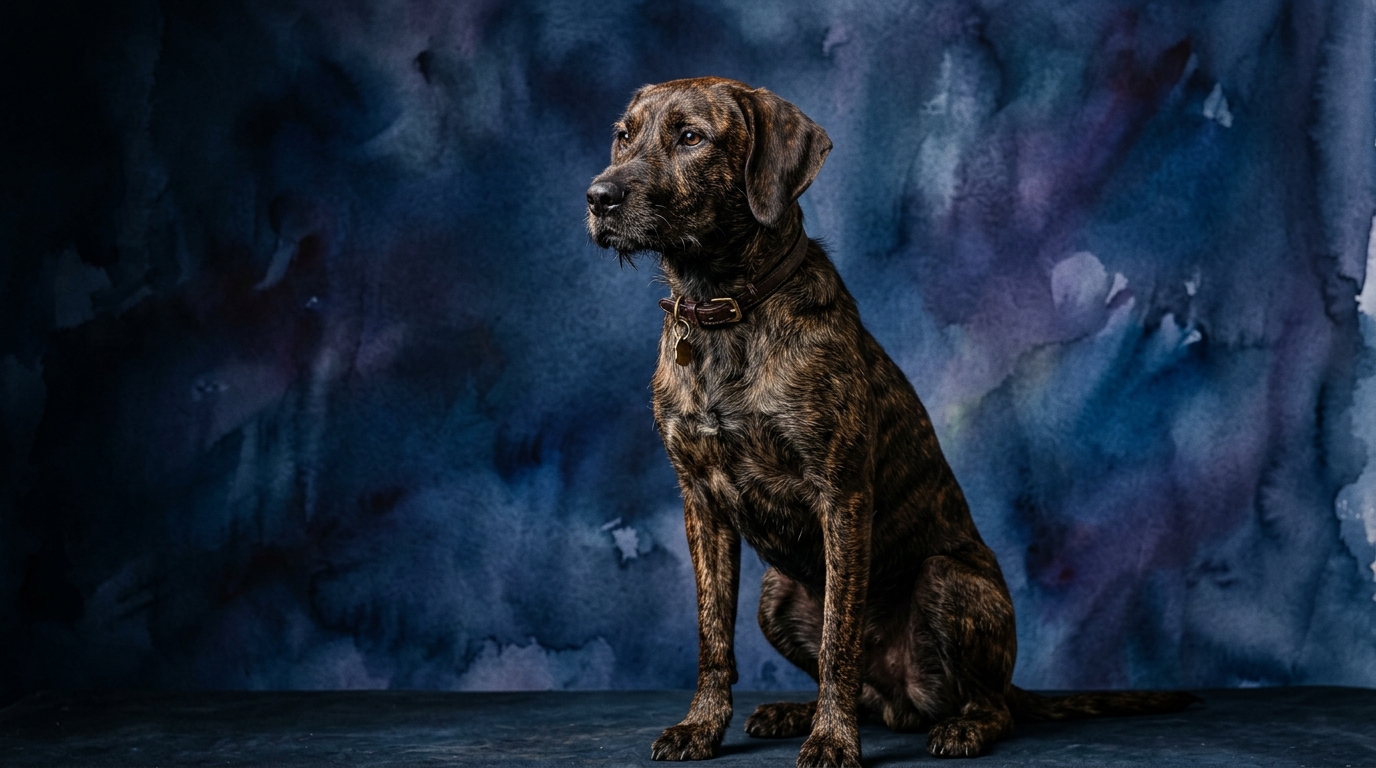
Side-by-Side Cognitive Profiles
While both the Miniature American Shepherd (MAS) and the Plott Hound register a consistent 3 out of 5 across all five IQ dimensions in our lab, the *manifestation* of these scores differs significantly due to their distinct evolutionary purposes. This uniform rating doesn't imply identical mental processes, but rather an equivalent capacity channeled into specialized forms of cognition.
For Problem Solving (3/5), the MAS excels in dynamic, real-time scenarios, such as anticipating livestock movement or navigating an agility course with precision, requiring quick adjustments based on visual cues and handler input. The Plott Hound's 3/5 problem-solving, conversely, shines in independent, sustained tasks like deciphering a complex scent trail over varied terrain, demanding focus and persistence to overcome environmental obstacles.
Training Speed (3/5) in the MAS reflects their eagerness to engage with a handler and absorb multi-step commands, driven by a desire for cooperative work. Their capacity for quick learning is often leveraged in obedience and performance sports. The Plott Hound's 3/5 training speed means they are capable of learning, but their primary motivators are often intrinsic, particularly the allure of a scent. Learning for a Plott might be slower if it conflicts with their innate drives, requiring more creative and high-value reinforcement strategies.
Social Intelligence (3/5) for the MAS is deeply rooted in their herding heritage, involving a keen awareness of their human partner's intentions, subtle body language, and vocal cues, facilitating close teamwork. The Plott Hound's 3/5 social intelligence, while present, is often geared more towards pack dynamics and understanding canine communication during a hunt, and less exclusively focused on human directives when on a mission. They appreciate companionship but might prioritize their sensory world.
Instinctive Drive (3/5) in the MAS translates to a strong impulse to gather, control, and work in partnership, often manifesting as a desire for a 'job' and structured activity. This drive is a powerful motivator for learning and cooperation. The Plott Hound's 3/5 instinctive drive is an intense, unwavering compulsion to track and pursue scent, driving them with remarkable tenacity and endurance. This drive is their primary engine, often overriding other stimuli.
Finally, Memory (3/5) in the MAS supports their ability to recall complex command sequences, routines, and the spatial layout of their environment for tasks. Their memory is practical and application-oriented within a structured context. The Plott Hound's 3/5 memory is equally robust but focused on remembering successful hunting strategies, the nuances of various scent trails, and the specific locations associated with past finds, aiding their independent pursuit.
Where the Miniature American Shepherd Excels Cognitively
The Miniature American Shepherd's cognitive strengths are most apparent in their capacity for highly responsive, collaborative work. Their 3/5 problem-solving is intrinsically linked to their social intelligence, allowing them to rapidly assess situations and make decisions in conjunction with their handler. This manifests in their quick uptake of new commands and ability to adapt to changing environments during tasks like agility or herding, where split-second adjustments are critical.
Their memory, also rated 3/5, supports their versatility across various disciplines. An MAS can retain intricate sequences of commands and movements, making them adept at mastering complex routines in competitive obedience or freestyle. This cognitive architecture allows them to anticipate handler cues and execute tasks with a precision that reflects their heritage as working partners, always ready to receive and act upon direction. They thrive on mental engagement that involves active participation and feedback from their human companion.
Where the Plott Hound Excels Cognitively
The Plott Hound's cognitive prowess is undeniably rooted in their extraordinary sensory perception and relentless pursuit. Their 3/5 problem-solving is not about pleasing a handler in a ring, but about independently unraveling the puzzle of a scent trail, navigating challenging terrain, and demonstrating remarkable spatial reasoning to pinpoint their quarry. This involves filtering out myriad distractions to focus singularly on their primary objective.
Their instinctive drive, a powerful 3/5, fuels an unparalleled persistence. Once a Plott Hound locks onto a scent, their memory (3/5) for successful tracking patterns and their ability to recall specific scent profiles allows them to maintain focus over long distances and extended periods. This tenacity, combined with their capacity for autonomous decision-making, makes them exceptionally effective in their specialized role, highlighting a different, yet equally capable, form of working intelligence.
Training: Harnessing Different Motivations
When considering ease of training, the behavioral differences stemming from their cognitive profiles become pronounced. The Miniature American Shepherd, with their strong social intelligence and cooperative drive (both 3/5), generally presents as more amenable to traditional training methods. They often possess a natural inclination to please their handler, making them eager participants in learning new commands and routines. Their problem-solving is geared towards understanding human expectations, and their training speed (3/5) allows for relatively quick acquisition of behaviors when motivated by positive reinforcement and partnership.
The Plott Hound, however, can pose a greater challenge due to their powerful instinctive drive (3/5) for scent work and their more independent problem-solving approach. While their training speed is also 3/5, their focus can be heavily diverted by environmental scents, often overriding a handler's commands. Training a Plott requires immense patience, consistency, and a deep understanding of their primary motivators. It's less about 'breaking' their will and more about creatively channeling their natural drives, utilizing scent games and tracking exercises as rewards, rather than relying solely on traditional obedience cues. Their memory for successful hunts or scent finds is strong, but their memory for 'sit' might be weaker if a captivating scent is present.
Activity Levels: Purposeful Engagement vs. Scent-Driven Exploration
Both breeds demand active lifestyles, but the *type* of activity that best suits their cognitive and physical needs varies significantly. The Miniature American Shepherd thrives on purposeful engagement. Their 3/5 instinctive drive to work and their strong social intelligence mean they require structured activities that involve their human partner. This includes dog sports like agility, obedience, rally, or even simulated herding, which provide both physical exertion and crucial mental stimulation. Without a 'job' or consistent mental challenge, an MAS can become bored and develop undesirable behaviors, as their problem-solving and memory are geared towards learning and applying skills.
The Plott Hound's activity needs are driven by their potent 3/5 instinctive drive for scent work and their impressive endurance. They require extensive opportunities to use their nose and explore. Long, leisurely walks where they can sniff and track are far more enriching for a Plott than a short, intense burst of structured play. Off-leash time in securely fenced areas or participation in scent work and tracking sports are ideal outlets for their independent problem-solving and memory for trails. A truly 'relaxed' owner would struggle with either breed, but the Plott's need for independent, scent-driven exploration can be particularly challenging to manage without sufficient dedicated outdoor time.
The Verdict
Choose a Miniature American Shepherd if you seek a highly cooperative, versatile canine partner eager for structured activities, mental challenges, and a strong, communicative bond. They excel when given a 'job' and thrive on consistent interaction and guidance.
Opt for a Plott Hound if you value independence, tenacity, and an unparalleled drive for scent work, and are prepared to manage their powerful instincts with creative training and extensive opportunities for scent-based exploration. They are best for those who appreciate a dog's autonomous pursuit and deep engagement with the natural world.
🧠 Find Your Pet's IQ Score
Our Pet IQ Lab assessment covers 25+ tests across 5 cognitive dimensions — personalized to your breed.
Take the Full IQ Test →Frequently Asked Questions
Do Miniature American Shepherds make good family pets?
Yes, with proper socialization, training, and sufficient exercise, Miniature American Shepherds can be loyal, protective, and affectionate family members. They thrive when given a 'job' or consistent mental engagement, which helps channel their herding instincts positively.
Are Plott Hounds good with children?
Plott Hounds are generally good-natured and tolerant, making them suitable companions for families with children. However, their energetic and sometimes boisterous nature means supervision is always key, especially with younger kids, to ensure respectful interactions.
What kind of mental stimulation do Plott Hounds need?
Plott Hounds require significant mental stimulation centered around their powerful sense of smell. Scent-based games, tracking exercises, 'hide and seek' with treats, and puzzle toys that involve sniffing out rewards are excellent ways to engage their specialized cognitive abilities.