Side-by-Side Cognitive Profiles
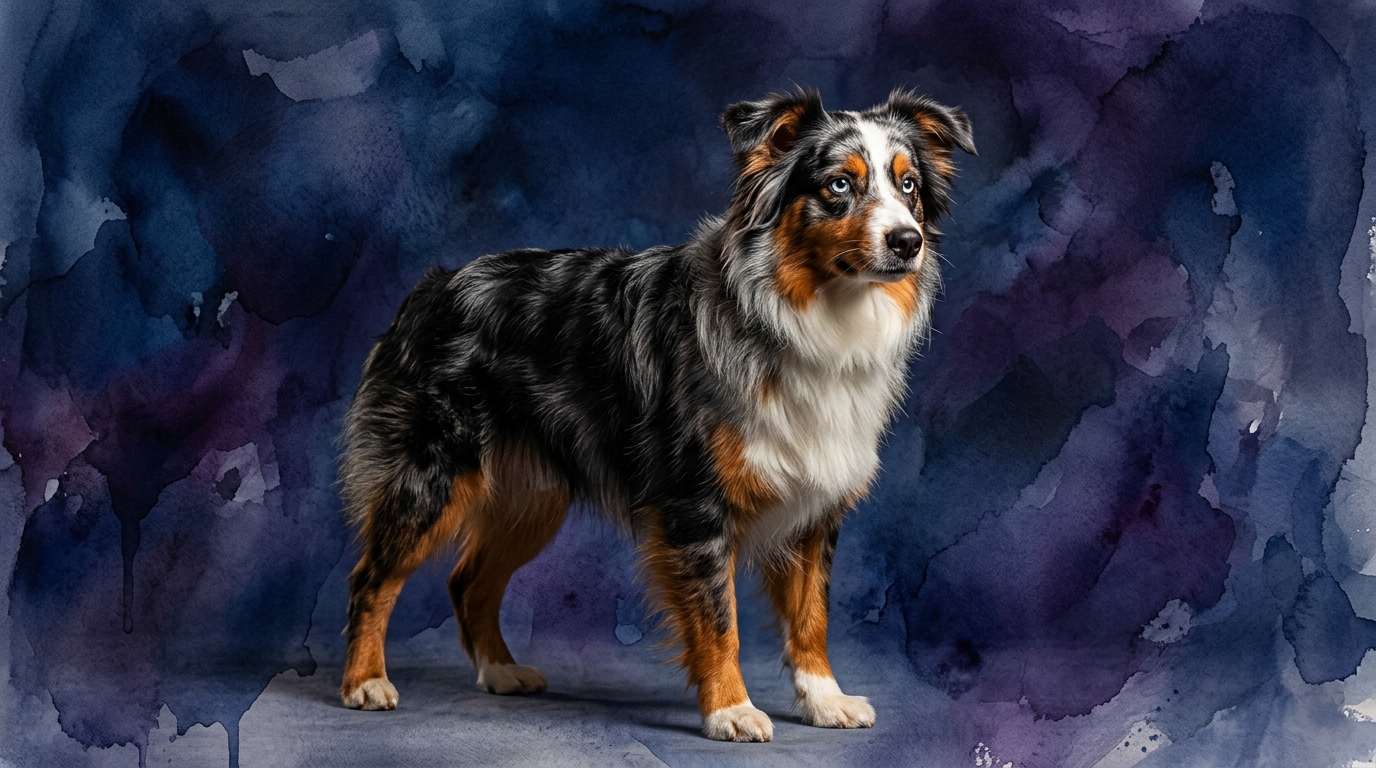
The Miniature American Shepherd (MAS), a member of the Herding group, exhibits a cognitive makeup finely tuned for cooperative work. Its Problem Solving is rated 3/5, reflecting an ability to strategize in dynamic situations, such as maneuvering a flock or navigating complex agility courses, often involving spatial reasoning and anticipating movement. Training Speed, also 3/5, indicates they learn efficiently with clear communication and consistent motivation, responding well to positive reinforcement and engagement. Their Social Intelligence (3/5) manifests in their cooperative nature with handlers and their ability to read subtle cues from livestock or human family members, forming strong bonds and being attuned to their social group. An Instinctive Drive of 3/5 primarily channels into herding, a desire to gather, control, and work, often translating into productive tasks rather than solely pursuit. Their Memory, at 3/5, allows for reliable recall of commands, routines, and environmental layouts, remembering complex sequences in training.
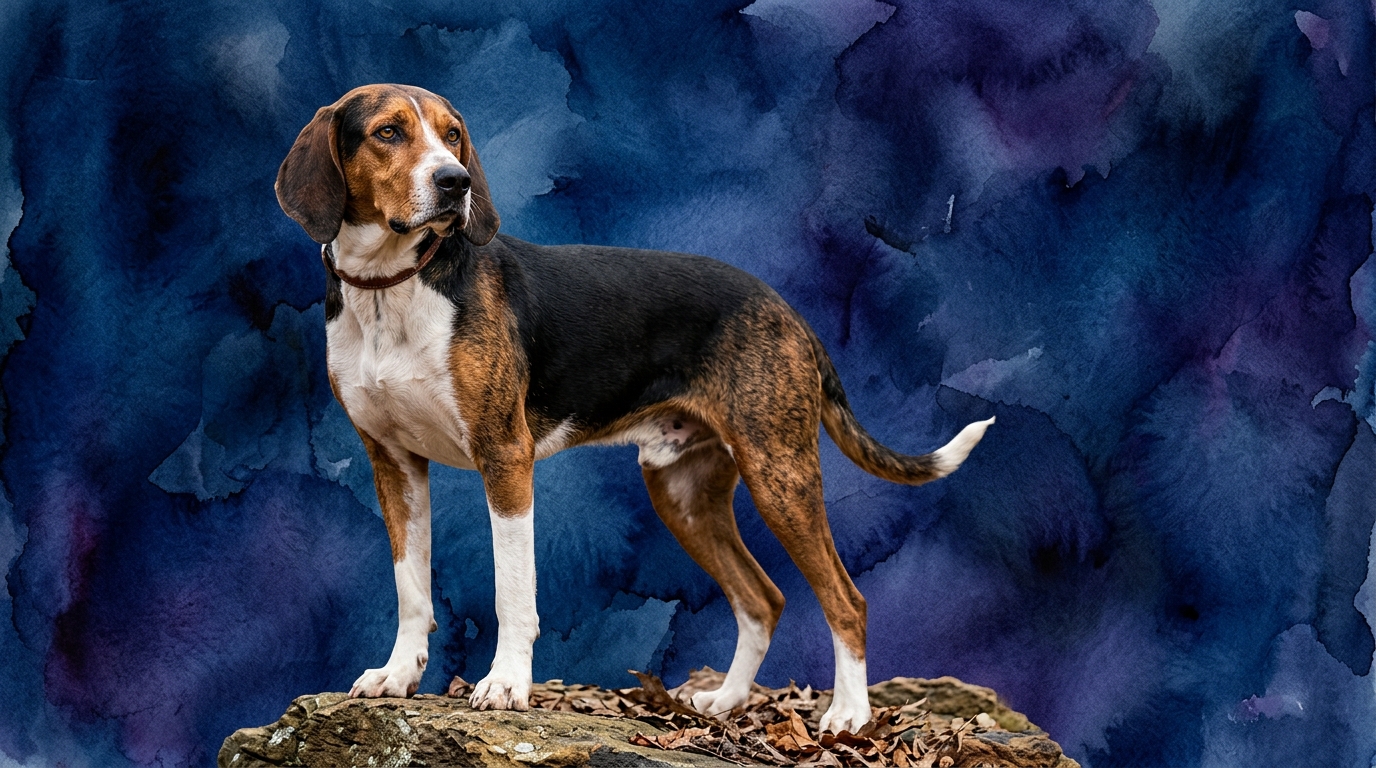
The Treeing Walker Coonhound (TWC), from the Hound group, possesses a distinct cognitive architecture shaped by its role in tracking and treeing quarry. Its Problem Solving, rated 3/5, centers on intricate scent work, deciphering trails, and overcoming environmental obstacles to locate quarry, involving persistence and deductive reasoning in a sensory-rich environment. Training Speed, also 3/5, means they can learn at a good pace, but their training is often influenced by a strong independent streak and focus on scent, requiring compelling and consistent motivation. Social Intelligence (3/5) is evident in their pack dynamics, cooperating with other hounds and communicating effectively during a hunt; with humans, they are often affectionate and responsive to familiar social cues. An Instinctive Drive of 3/5 is overwhelmingly centered on scent tracking and pursuit, a powerful instinct that can make them single-minded when on a trail, overriding other stimuli. Their Memory, 3/5, involves a good recall for scent profiles, hunting grounds, and established routines, remembering complex scent patterns over time and space.
Where the Miniature American Shepherd Excels Cognitively
The Miniature American Shepherd's cognitive edge lies in their adaptability to human-directed tasks and their proactive problem-solving within a structured environment. Their herding background means they excel at anticipating and reacting to dynamic situations under human guidance, often requiring quick adjustments and strategic thinking. For instance, an MAS might intuitively understand how to block an escape route for a sheep or navigate an agility course with minimal direction, demonstrating a nuanced understanding of spatial relationships and handler intentions. Their social intelligence is finely tuned to cooperative work, making them particularly adept at learning complex sequences of commands and executing them precisely. This breed's strength is in their capacity for collaborative, goal-oriented work that demands both mental agility and a willingness to follow a leader's cues, applying their problem-solving to achieve a shared objective. They process information quickly in a work context, making rapid decisions that benefit the collective task, such as moving livestock efficiently or performing intricate obedience routines.
Where the Treeing Walker Coonhound Excels Cognitively
The Treeing Walker Coonhound's cognitive strengths are rooted in their unwavering focus on sensory information and their independent, persistent problem-solving in pursuit of a goal. Their scent drive is not merely an instinct but a complex cognitive process involving pattern recognition, differentiation of scent trails, and memory recall of past scent experiences. A TWC excels at deciphering a faint trail across varied terrain, filtering out distractions, and demonstrating immense perseverance until the quarry is treed. This requires a unique form of problem-solving that relies heavily on olfactory deduction and an intrinsic motivation to follow through, even when the path is unclear. Their memory, while rated 3/5, is particularly impressive when it comes to recalling specific scent profiles and terrain features associated with past hunts. They are masters of independent decision-making in the field, making their own judgments based on sensory input rather than relying heavily on human direction once on a scent. This breed's cognitive prowess shines in tasks demanding sustained, self-directed exploration and the interpretation of a rich sensory landscape.
Training Dynamics: Which is Easier?
When considering ease of training, the Miniature American Shepherd generally presents a more straightforward experience for the average owner due to their inherent desire to please and their cooperative nature. Their herding heritage has instilled a strong inclination to work with a handler, making them highly responsive to commands and eager for engagement. They thrive on structured training, clear cues, and positive reinforcement, often picking up new behaviors and complex sequences with a relatively consistent effort. Their social intelligence means they are attuned to their owner's moods and intentions, which can facilitate communication during training sessions.
In contrast, the Treeing Walker Coonhound, while capable of learning, often requires a different approach. Their powerful instinctive drive for scent work means they can be easily distracted by an interesting smell, making recall a significant training challenge. Their independent problem-solving style, honed over generations of solitary tracking, means they are less inclined to automatically defer to human direction when their nose tells them something else is more compelling. Training a TWC demands exceptional patience, creativity, and a deep understanding of their motivations, often requiring high-value rewards and specialized techniques to keep their attention focused on the handler rather than the environment.
Matching Breeds to Lifestyles: Active vs. Relaxed Owners
Both breeds require significant activity, but the nature of that activity differs, making them suitable for distinct types of active owners. The Miniature American Shepherd thrives with owners who can provide structured activities that engage both their body and mind. These dogs excel in dog sports like agility, obedience, flyball, and herding trials, which satisfy their need for physical exertion, problem-solving, and a sense of purpose. They are excellent companions for hiking, running, and long walks, but they truly flourish when given 'a job' to do, even if it's just learning new tricks or participating in advanced training classes. Their need for mental stimulation and collaborative work means they are not ideal for relaxed owners who prefer minimal interaction or unstructured exercise; a bored MAS can become destructive or develop unwanted behaviors.
The Treeing Walker Coonhound also requires a highly active owner, but one who appreciates their independent spirit and passion for exploration. These dogs need extensive opportunities to engage their powerful scent drive, whether through scent work, tracking games, or long, leashed walks where they can investigate interesting smells. They are built for endurance and can be tireless companions for runners, hikers, or those who enjoy exploring varied terrain. Off-leash exercise can be challenging due to their propensity to follow a scent, meaning secure areas or long lines are essential. While they enjoy companionship, their idea of 'activity' often involves following their nose, which can sometimes mean less direct interaction with the owner compared to a MAS. They are not suited for owners seeking a low-maintenance exercise routine or those who cannot accommodate their strong vocalizations and independent pursuit of scent. Neither breed is a fit for genuinely 'relaxed' owners in terms of daily activity requirements.
The Verdict
Choose the Miniature American Shepherd if you seek a cooperative, versatile companion eager to engage in structured activities and collaborative problem-solving, thriving on a shared sense of purpose and consistent mental stimulation.
Opt for the Treeing Walker Coonhound if you appreciate an independent, persistent partner with an exceptional nose, willing to dedicate time to scent-driven exploration and managing their profound instinctive drive.
🧠 Find Your Pet's IQ Score
Our Pet IQ Lab assessment covers 25+ tests across 5 cognitive dimensions — personalized to your breed.
Take the Full IQ Test →Frequently Asked Questions
Are Miniature American Shepherds good family dogs?
Miniature American Shepherds can be excellent family dogs, known for their loyalty and affectionate nature with their chosen people. They typically get along well with children and other pets, especially if socialized early. Their need for mental and physical engagement means they thrive in active households that involve them in daily activities and training.
Do Treeing Walker Coonhounds bark a lot?
Treeing Walker Coonhounds are vocal dogs, known for their distinctive baying, which is a key part of their hunting heritage. They will often use their voice to express excitement, alert to strangers, or when they are on a scent. Managing their vocalizations requires consistent training and understanding of their communicative nature.
What are the key exercise differences between the two breeds?
While both breeds need substantial exercise, the Miniature American Shepherd benefits most from structured activities that engage their mind and body, like agility or obedience training, and collaborative outdoor adventures. The Treeing Walker Coonhound, conversely, thrives on opportunities for independent scent work and sustained endurance activities, such as long-leashed walks or tracking games, where their powerful nose can lead the way.