Side-by-Side IQ Profile
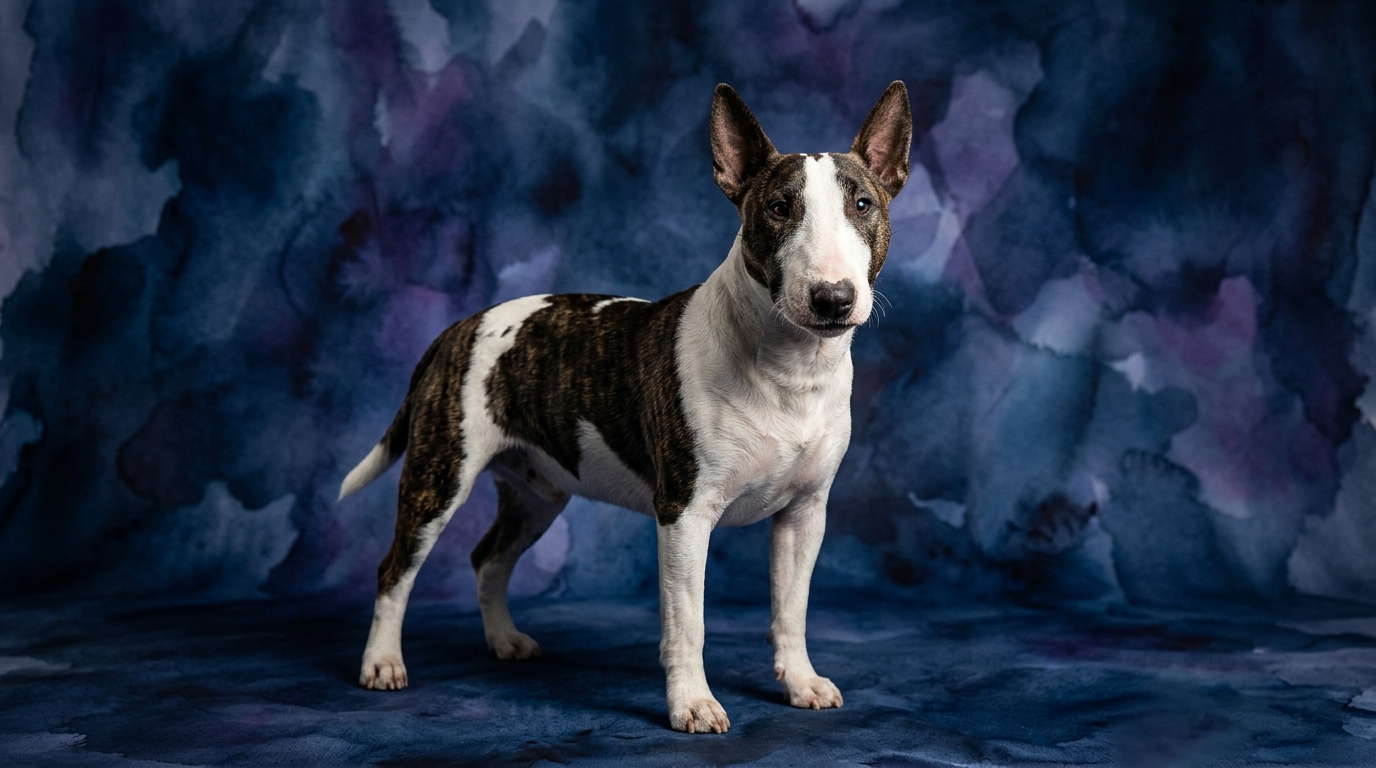
Miniature Bull Terrier Problem Solving (3/5): This score reflects a tenacious approach; Miniature Bull Terriers often persist through challenges, relying on their strong will and physical prowess rather than delicate manipulation. They excel at figuring out how to access desired objects or locations, frequently employing a direct, sometimes mischievous, strategy to achieve their goals.
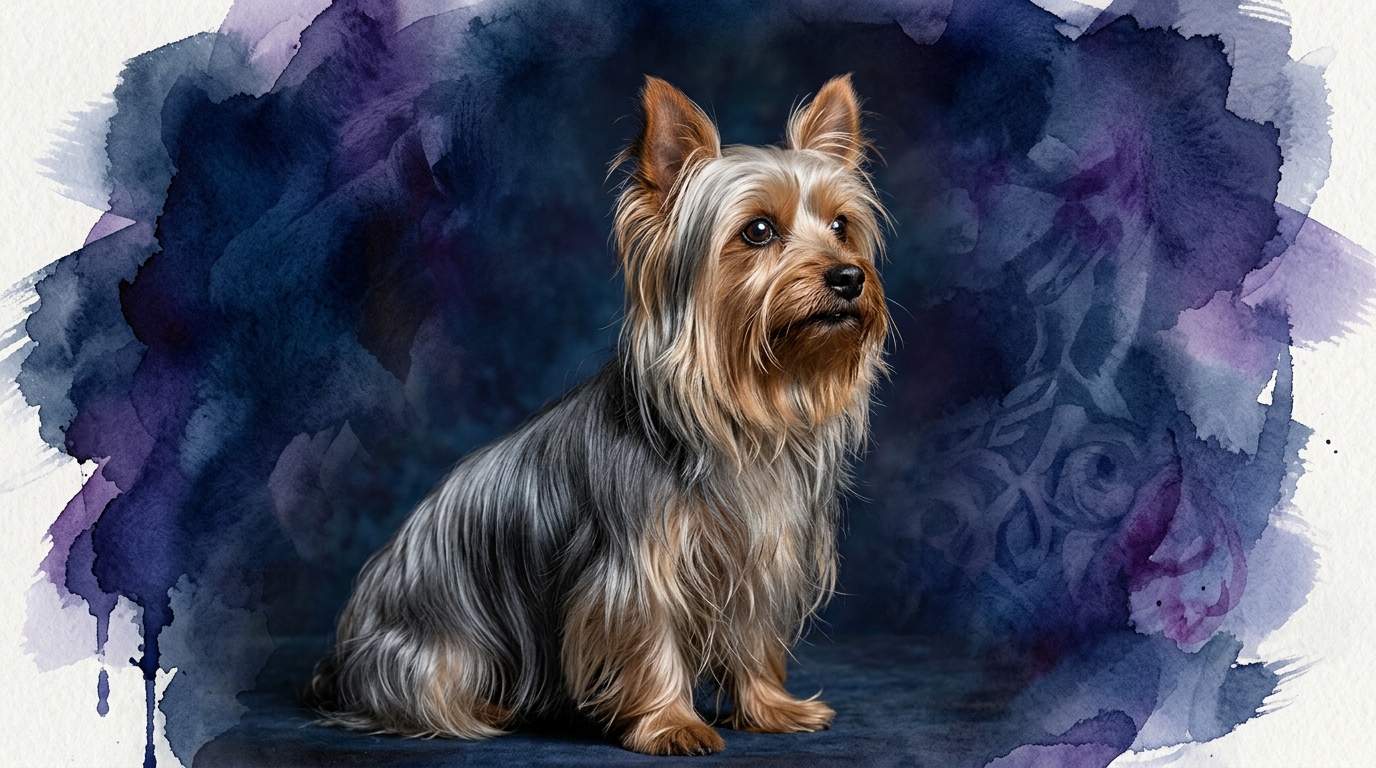
Silky Terrier Problem Solving (3/5): Silky Terriers demonstrate a keen, observant problem-solving style, often using their agility and sharp wits to navigate obstacles or achieve objectives. They might quickly learn to open cabinets or outsmart puzzle toys, showcasing a cleverness that leverages their smaller stature and quick thinking.
Miniature Bull Terrier Training Speed (3/5): While capable of learning a wide array of commands, the Miniature Bull Terrier's training speed is influenced by their independent and sometimes stubborn nature. Consistent, positive reinforcement methods are crucial, as they respond best when they perceive a clear benefit or find the training engaging and fun, rather than purely compliant.
Silky Terrier Training Speed (3/5): Silky Terriers generally grasp new concepts quickly, often driven by a desire to please their primary caregiver, which can accelerate the training process. However, their spirited terrier temperament means they can also be easily distracted or decide that their own agenda is more pressing, requiring an instructor with patience and engaging techniques.
Miniature Bull Terrier Social Intelligence (3/5): Miniature Bull Terriers are deeply loyal and form strong bonds with their immediate family, often exhibiting a keen awareness of their people's moods and routines. While affectionate with their inner circle, they can be reserved or discerning with strangers and may require careful socialization to develop appropriate interactions outside their trusted group.
Silky Terrier Social Intelligence (3/5): Silky Terriers possess a high degree of social awareness within their family unit, often becoming highly attuned to their owners' expressions and vocal tones. They are often charming and enjoy being the center of attention, though their initial wariness of new people or situations reflects their protective instincts and discerning nature.
Miniature Bull Terrier Instinctive Drive (3/5): Reflecting their terrier heritage, Miniature Bull Terriers exhibit a moderate to strong instinctive drive, particularly for chasing, digging, and exploring new scents. This drive, while manageable, requires outlets through structured play and activities to prevent it from manifesting in undesirable ways, such as vigorous yard excavation.
Silky Terrier Instinctive Drive (3/5): Despite their toy status, Silky Terriers retain a significant terrier instinctive drive, displaying an eagerness to chase small objects and investigate their surroundings with enthusiasm. Their natural alertness and propensity for digging or barking at perceived threats are clear indicators of their active, instinct-driven nature, needing appropriate stimulation.
Miniature Bull Terrier Memory (3/5): Miniature Bull Terriers have a robust memory for both commands and past experiences, quickly recalling what they have learned and the consequences of their actions. This means they can remember training cues effectively, but also retain memories of negative interactions, emphasizing the importance of positive and consistent handling.
Silky Terrier Memory (3/5): Silky Terriers demonstrate good memory recall, quickly associating specific cues with actions and remembering routines or locations of interest, like hidden treats. Their ability to retain information from past training sessions or social encounters makes them responsive to consistent guidance, though they also remember perceived slights.
Where Miniature Bull Terrier Wins Cognitively
Despite identical scores, the Miniature Bull Terrier's unique cognitive strengths often lie in their sheer tenacity and independent thought. Their problem-solving, while rated 3/5, often involves a persistent, unyielding drive to achieve a goal, which can be an asset in situations requiring sustained effort or overcoming physical barriers. For instance, a Mini Bull might spend hours figuring out how to dismantle a seemingly impenetrable puzzle toy, not through delicate manipulation but through sheer force of will and repeated attempts. This determined approach can also translate into an unwavering focus when engaged in tasks they deem worthwhile, allowing them to block out distractions and concentrate on the objective at hand. Their strong memory (3/5) combined with this persistence means they rarely forget a successful strategy, even if it took them a while to discover.
Where Silky Terrier Wins Cognitively
The Silky Terrier, while equally rated, often excels in areas demanding quick perception and adaptable cunning. Their 3/5 problem-solving frequently manifests as a nimble, intelligent approach, where they might quickly observe, deduce, and then execute a solution using their agility and smaller size. For example, a Silky might swiftly learn to open a specific latch or find the quickest route through a complex environment, demonstrating a more strategic, less brute-force method than their Bull Terrier counterpart. Their social intelligence (3/5) is often paired with a keen observational ability, allowing them to quickly assess new people or situations and adjust their behavior accordingly, showcasing a nuanced understanding of social cues. This perceptive nature makes them highly responsive to subtle changes in their environment.
Which Is Easier to Train and Why
When considering ease of training, the nuances of their 3/5 training speed scores become critical, revealing distinct experiences for owners. The Silky Terrier generally presents as easier to train for a novice, primarily due to their characteristic eagerness to please their primary caregiver and their higher responsiveness to positive reinforcement. They often pick up new commands with relative speed and enjoy the engagement of training sessions, provided they are kept stimulating and varied. However, their terrier feistiness and occasional independent streaks mean they can become bored or choose to ignore commands if they find something more interesting, requiring an owner who can maintain their focus and make learning consistently rewarding.
In contrast, the Miniature Bull Terrier, while perfectly capable of learning, demands a more experienced or very patient owner. Their independent and strong-willed nature means they often need to be convinced that complying with a command is their idea or offers a significant reward. While they remember commands well (3/5 memory), their tendency to challenge authority or engage in stubbornness can make initial training phases more protracted. Successful training with a Mini Bull relies heavily on unwavering consistency, creative motivation, and establishing clear leadership without resorting to harsh methods, which they will likely resist. Therefore, for general obedience and reliability, the Silky Terrier often proves to be the more straightforward student, while the Mini Bull offers a rewarding challenge for those who understand their unique cognitive style.
Which Suits Active Owners vs. Relaxed Owners
Both breeds bring considerable energy, but their expression of activity and cognitive needs varies, influencing their suitability for different lifestyles. The Miniature Bull Terrier, with its robust build and persistent nature, is an excellent match for active owners who enjoy structured activities like long walks, vigorous play sessions, or even dog sports that require stamina and focus. Their instinctive drive (3/5) means they thrive on having a 'job' or engaging in mentally stimulating games that channel their tenacity, such as advanced scent work or agility. While they appreciate downtime with their family, they are not content to be couch potatoes; their cognitive well-being is tied to having outlets for their physical and mental energy, preventing boredom-induced mischief.
The Silky Terrier, despite its smaller size, is also a spirited and active companion, making them suitable for owners who enjoy consistent daily engagement. Their 3/5 instinctive drive translates into a need for regular walks, interactive play, and opportunities to explore safely, but they don't typically demand the same level of intense physical exertion as a Mini Bull. Their quick wit and social intelligence (3/5) mean they also benefit greatly from mental stimulation through puzzle toys, trick training, and being involved in family activities. While they can adapt to apartment living with sufficient exercise, they are not suited for entirely relaxed owners who prefer minimal interaction. A Silky thrives when their sharp mind is kept engaged, making them a good fit for owners who are active in a more integrated, family-centric way, rather than solely focused on high-impact sports.
The Verdict
Choose the Miniature Bull Terrier if you are an experienced, patient owner seeking a tenacious, devoted companion who thrives on consistent boundaries and engaging, challenging activities.
Opt for the Silky Terrier if you desire a spirited, keen, and adaptable companion who enjoys being at the heart of family life and responds well to positive, engaging training methods.
🧠 Find Your Pet's IQ Score
Our Pet IQ Lab assessment covers 25+ tests across 5 cognitive dimensions — personalized to your breed.
Take the Full IQ Test →Frequently Asked Questions
Are Miniature Bull Terriers hard to train?
Miniature Bull Terriers are capable learners, but their independent and sometimes stubborn nature requires consistent, patient, and creative training methods. They respond best to positive reinforcement and clear boundaries from an owner who understands their unique drive.
Do Silky Terriers need a lot of mental stimulation?
Yes, Silky Terriers, despite their small size, possess a keen mind and significant terrier drive, requiring regular mental stimulation. Puzzle toys, trick training, and engaging play are essential to keep them happy and prevent boredom-related behaviors.
Which breed is better with children, Miniature Bull Terrier or Silky Terrier?
Both breeds can be good with respectful, well-behaved children when properly socialized from a young age and supervised. The Miniature Bull Terrier's robust nature can withstand more boisterous play, while the Silky Terrier's smaller size makes them more vulnerable to rough handling, requiring careful interactions.