Side-by-side IQ profile
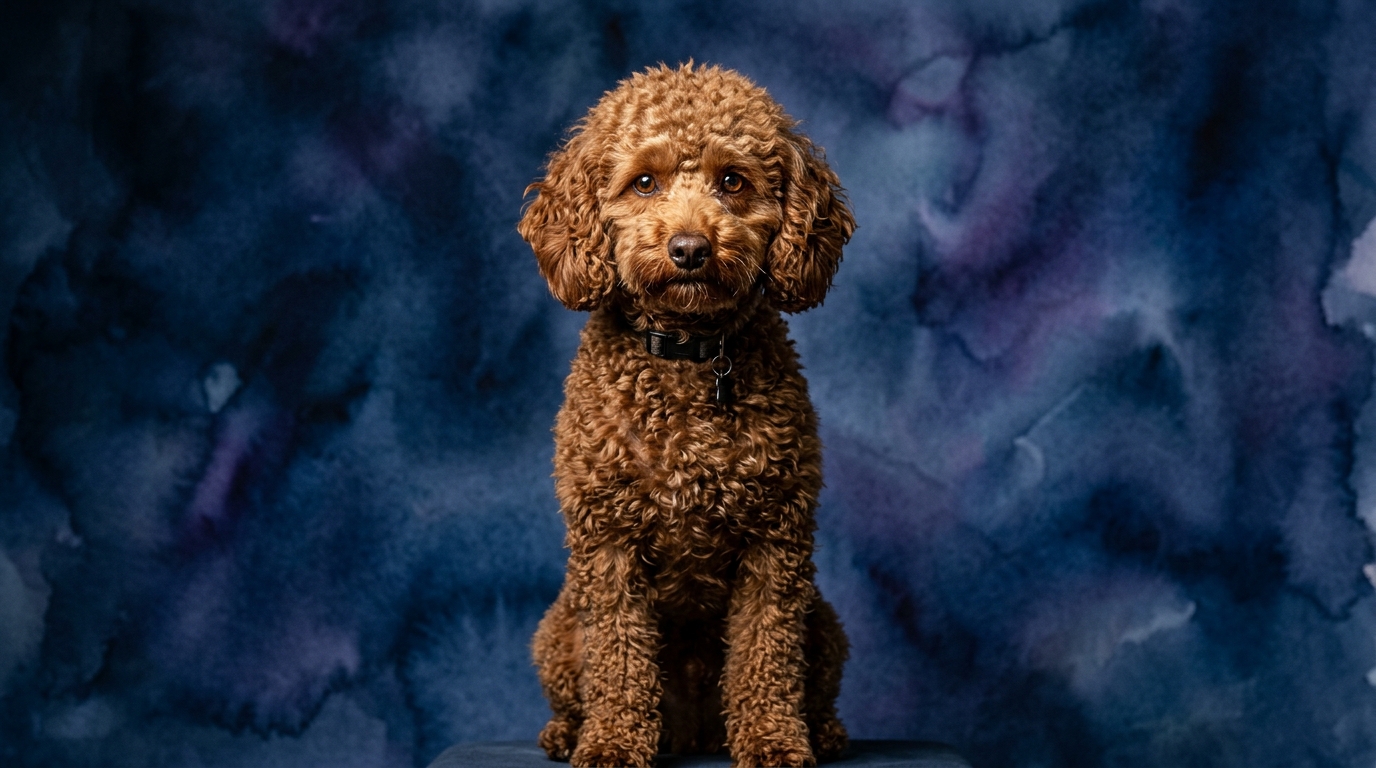
The Cosmic Pet Pet IQ Lab employs a five-dimensional framework to assess canine intelligence, offering a granular look at how different breeds process the world. The Miniature Poodle presents a profile of exceptional cognitive agility in specific areas: a perfect 5/5 in Problem Solving signifies an outstanding capacity to analyze novel situations, devise solutions independently, and adapt quickly. Their Training Speed, also 5/5, denotes an unparalleled ability to grasp new commands and routines with minimal repetition, often appearing to anticipate handler cues. The Poodle's Social Intelligence is a moderate 3/5, meaning they form strong bonds but might not possess extreme empathy or group cohesion. Their Instinctive Drive, also 3/5, suggests balanced inherent behaviors that are generally manageable. Finally, their Memory is an impressive 5/5, allowing them to retain vast amounts of information over long periods.
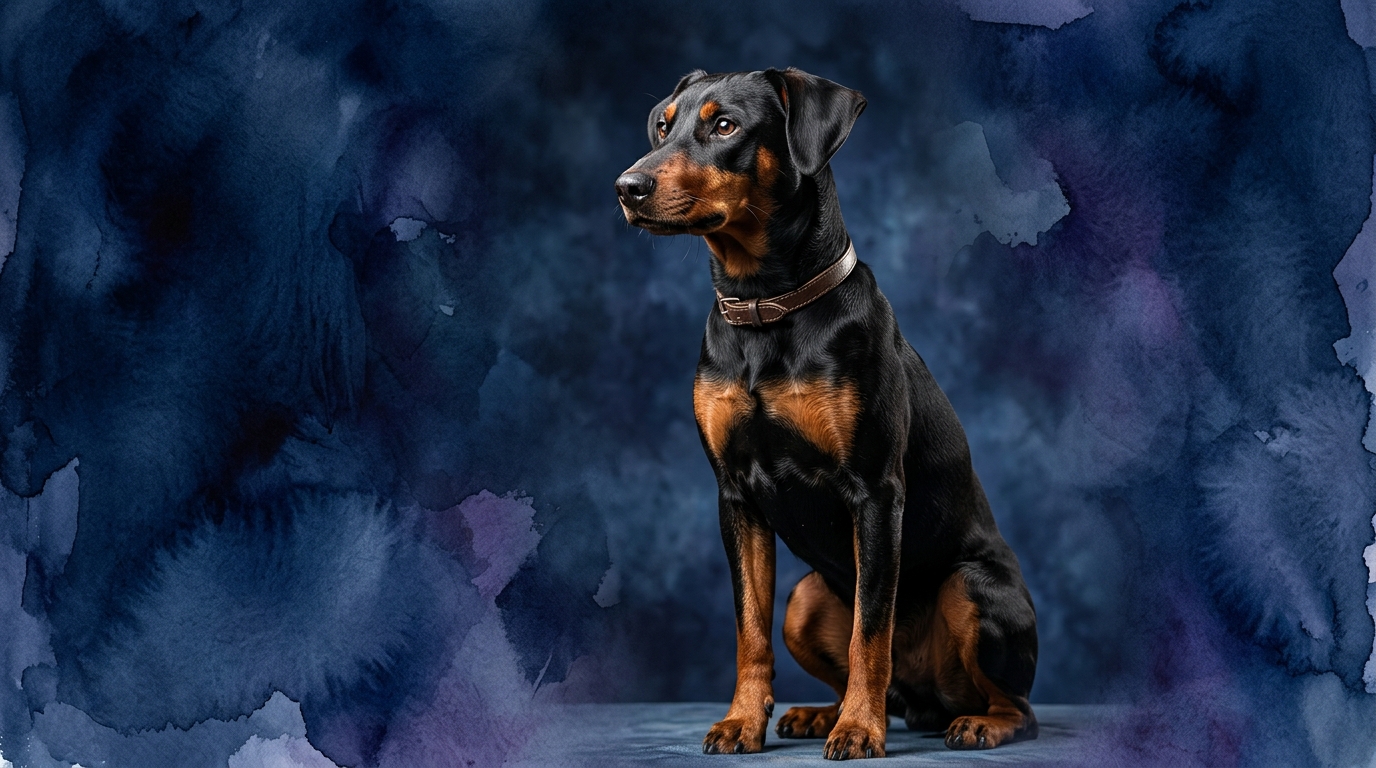
In contrast, the German Pinscher exhibits a consistently moderate cognitive profile. Their Problem Solving is 3/5, indicating they resolve typical challenges but may require more guidance for intricate tasks. Training Speed is 3/5, meaning they are trainable but acquire new skills at a more deliberate pace, requiring consistent effort. The German Pinscher's Social Intelligence, at 3/5, mirrors the Poodle's, suggesting capacity for connection without being overly dependent. Their Instinctive Drive, also 3/5, points to balanced natural behaviors, including moderate prey and territorial instincts. Lastly, their Memory is 3/5, allowing adequate retention but perhaps not with the intricate detail of a 5/5 score. This balanced profile suggests a competent, adaptable generalist.
Where Miniature Poodle Wins Cognitively
The Miniature Poodle's cognitive strengths distinctly shine in areas demanding rapid acquisition and flexible thought. Their 5/5 Problem Solving score means they excel at tasks requiring abstract thinking and novel solutions, quickly deciphering complex puzzle feeders or independently retrieving items from awkward spaces. This breed’s mind is constantly processing and strategizing, making them adept at navigating new environments and learning intricate sequences of behaviors. Coupled with their 5/5 Training Speed, they not only learn commands swiftly but also understand underlying concepts, generalizing behaviors to new contexts with remarkable ease. An owner might find their Poodle mastering a multi-step obedience routine in a fraction of the time needed for other breeds, then performing variations without explicit re-training. Their 5/5 Memory further solidifies these advantages, ensuring rapidly acquired skills and problem-solving strategies are retained long-term. This combination positions the Miniature Poodle as a prime candidate for advanced obedience, agility, or complex service work where intricate learning and retention are paramount.
Where German Pinscher Wins Cognitively
While the German Pinscher does not exhibit the peak scores of the Miniature Poodle, their consistent 3/5 across all categories fosters a unique cognitive advantage: balanced reliability and practical adaptability. This breed's moderate scores mean they are less prone to cognitive "overthinking," making their responses more grounded. Their 3/5 Problem Solving suggests a practical approach to challenges; they are competent at learning and applying effective, tried-and-true methods, resulting in a predictability valued by owners seeking a steady companion. The 3/5 Instinctive Drive is particularly noteworthy, providing sufficient natural drive for tasks like alert barking without becoming overwhelming or difficult to manage, offering foundational alertness without excessive intensity. Similarly, their 3/5 Social Intelligence allows them to be affectionate and form bonds without the potential for extreme dependence sometimes associated with higher social scores. This balance creates a dog that is engaged, responsive, and capable, yet generally less prone to the mental complexities or high-strung behaviors that can arise from more specialized cognitive profiles. Their strength lies in their well-roundedness, making them robust and adaptable generalists.
Which Is Easier to Train and Why
When considering ease of training, the Miniature Poodle holds a clear advantage, primarily due to their exceptional 5/5 Training Speed and 5/5 Problem Solving. This breed grasps new commands with astonishing rapidity, often requiring only a few repetitions before a behavior is understood. Their strong problem-solving skills mean they comprehend the *concept* behind training, allowing them to generalize learned behaviors to different environments without extensive re-teaching. Their 5/5 Memory ensures these lessons are not fleeting, leading to highly reliable and consistent responses over time, making them exceptionally amenable to advanced training and complex dog sports.
In contrast, the German Pinscher, with a 3/5 Training Speed, requires a more patient and consistent approach. While trainable, they will generally need more repetitions and a clearer, more structured environment to solidify new commands. Their 3/5 Problem Solving means they might take longer to connect actions with consequences. Their 3/5 Memory means retention is adequate, but consistent reinforcement is crucial. Training a German Pinscher demands a dedicated handler who understands the value of repetition, positive reinforcement, and clear communication, thriving on routine and clear expectations.
Which Suits Active Owners vs. Relaxed Owners
The choice between these two breeds hinges significantly on an owner's lifestyle and capacity for engagement, both physical and mental. The Miniature Poodle, with its 5/5 Problem Solving and 5/5 Memory, is ideal for active owners who relish providing substantial mental stimulation. Their keen intellect means they thrive on learning new things, engaging in puzzle toys, dog sports, and complex tricks. A Poodle without sufficient mental challenge can become bored, potentially channeling their intellectual energy into less desirable behaviors. While physically capable, their primary need is intellectual engagement, making them suitable for owners who enjoy interactive play and consistent training.
The German Pinscher, with its consistent 3/5 across the board, including Instinctive Drive and Problem Solving, is better suited for owners who are active but perhaps less focused on intense intellectual pursuits. They require regular physical exercise to satisfy their moderate drives; daily walks, runs, or vigorous play are essential. Their moderate problem-solving and memory scores mean they are less likely to demand constant novel mental challenges compared to a Poodle. They appreciate routine and structured activity. For a relaxed owner, neither breed is truly "low maintenance," but the German Pinscher's needs are more straightforwardly met through physical activity and consistent boundaries, whereas the Poodle requires dedicated mental enrichment.
The Verdict
Opt for the Miniature Poodle if you are an owner eager to engage in advanced training, dog sports, or intellectually stimulating activities, and can provide consistent mental challenges for a highly adaptive and quick-learning companion.
Select the German Pinscher if you value a balanced, robust companion who thrives on consistent physical activity and clear, patient training, offering predictable responses without extreme cognitive demands.
🧠 Find Your Pet's IQ Score
Our Pet IQ Lab assessment covers 25+ tests across 5 cognitive dimensions — personalized to your breed.
Take the Full IQ Test →Frequently Asked Questions
Do Miniature Poodles need a lot of exercise despite their size?
While Miniature Poodles are not large, their high cognitive scores and moderate instinctive drive mean they require both physical activity and significant mental stimulation. Daily walks, interactive play, and regular training sessions are crucial to satisfy their active minds and bodies.
Are German Pinschers good with families and children?
German Pinschers, with their 3/5 social intelligence, can be excellent family dogs, forming strong bonds with their human companions. However, their moderate instinctive drive and independent nature mean early socialization and consistent training are important to ensure they interact politely and safely with children and other pets.
How do these breeds compare in terms of their "watchdog" abilities?
Both breeds possess some watchdog capabilities due to their moderate instinctive drives. The German Pinscher's 3/5 instinctive drive, combined with its alert nature, makes it a capable alert dog, often quick to notify its owners of strangers. The Miniature Poodle, while also alert, may be less inclined to territorial barking unless specifically trained for it, focusing more on social cues.