Side-by-Side IQ Profile
To understand the cognitive nuances of these two breeds, The Cosmic Pet Pet IQ Lab employs a five-dimensional framework. Let's break down how the Miniature Schnauzer and Affenpinscher measure up in each area.
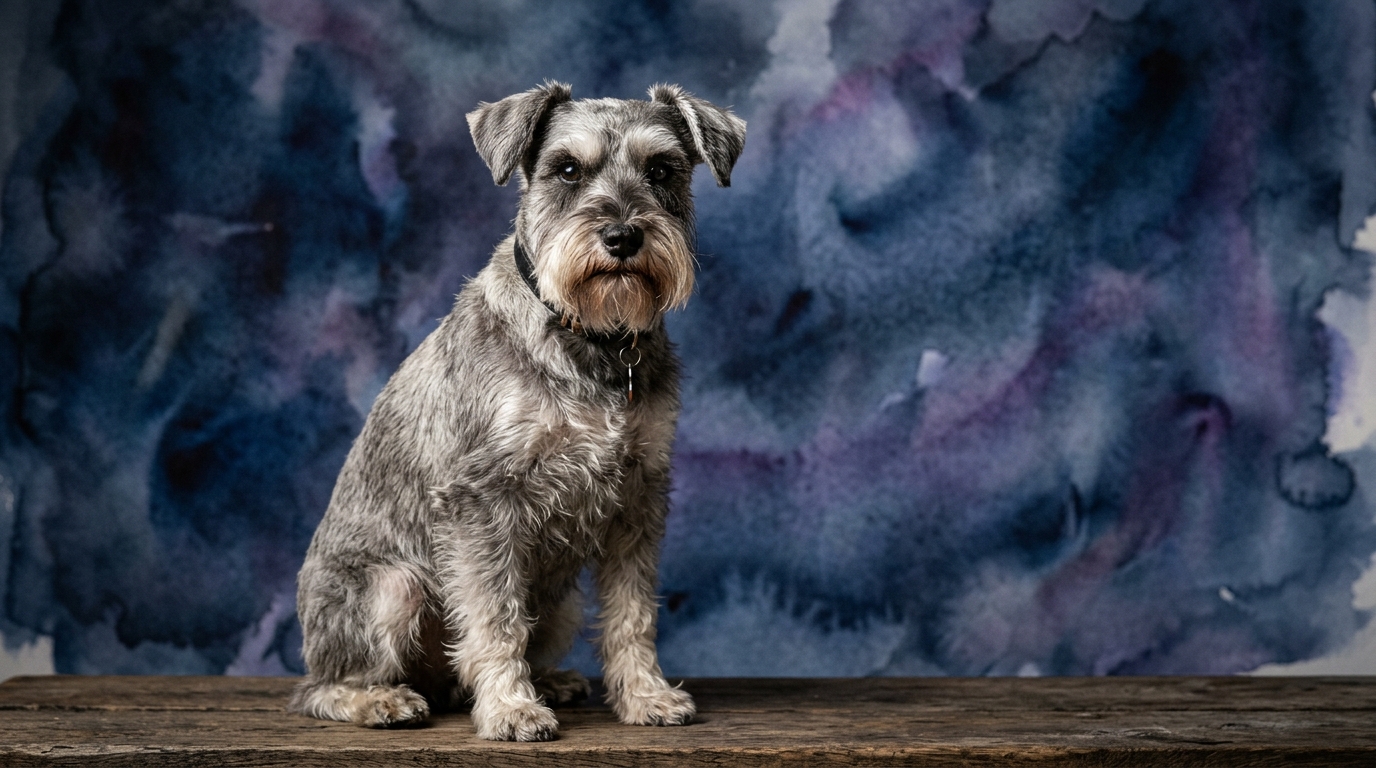
**Miniature Schnauzer (Terrier):**
**Problem Solving (4/5):** This score indicates a robust capacity for navigating complex situations and strategizing. Miniature Schnauzers often demonstrate an ability to figure out multi-step puzzle toys, open latches, or devise methods to reach desired objects. Their terrier heritage imbues them with a persistent curiosity that fuels their investigative problem-solving.
**Training Speed (5/5):** A perfect score here signifies a profound eagerness to learn and a rapid acquisition of new commands and behaviors. Miniature Schnauzers are typically quick to grasp concepts, respond well to positive reinforcement, and enjoy the mental engagement of training sessions, often excelling in obedience and agility.
**Social Intelligence (4/5):** Possessing a strong understanding of social cues, Miniature Schnauzers can adeptly read human emotions and intentions, often adapting their behavior accordingly. They form strong bonds with their families and can navigate varied social dynamics, though their terrier assertiveness means clear boundaries are appreciated.
**Instinctive Drive (4/5):** Reflecting their working terrier roots, Miniature Schnauzers exhibit a strong instinctive drive, particularly for chasing, digging, and managing perceived pests. This drive translates into an energetic and alert demeanor, requiring outlets for this inherent industriousness.
**Memory (4/5):** Their excellent memory allows them to retain learned commands, routines, and experiences over extended periods. This contributes to their trainability and their ability to recall past interactions or locations, making them consistent in their learned behaviors.
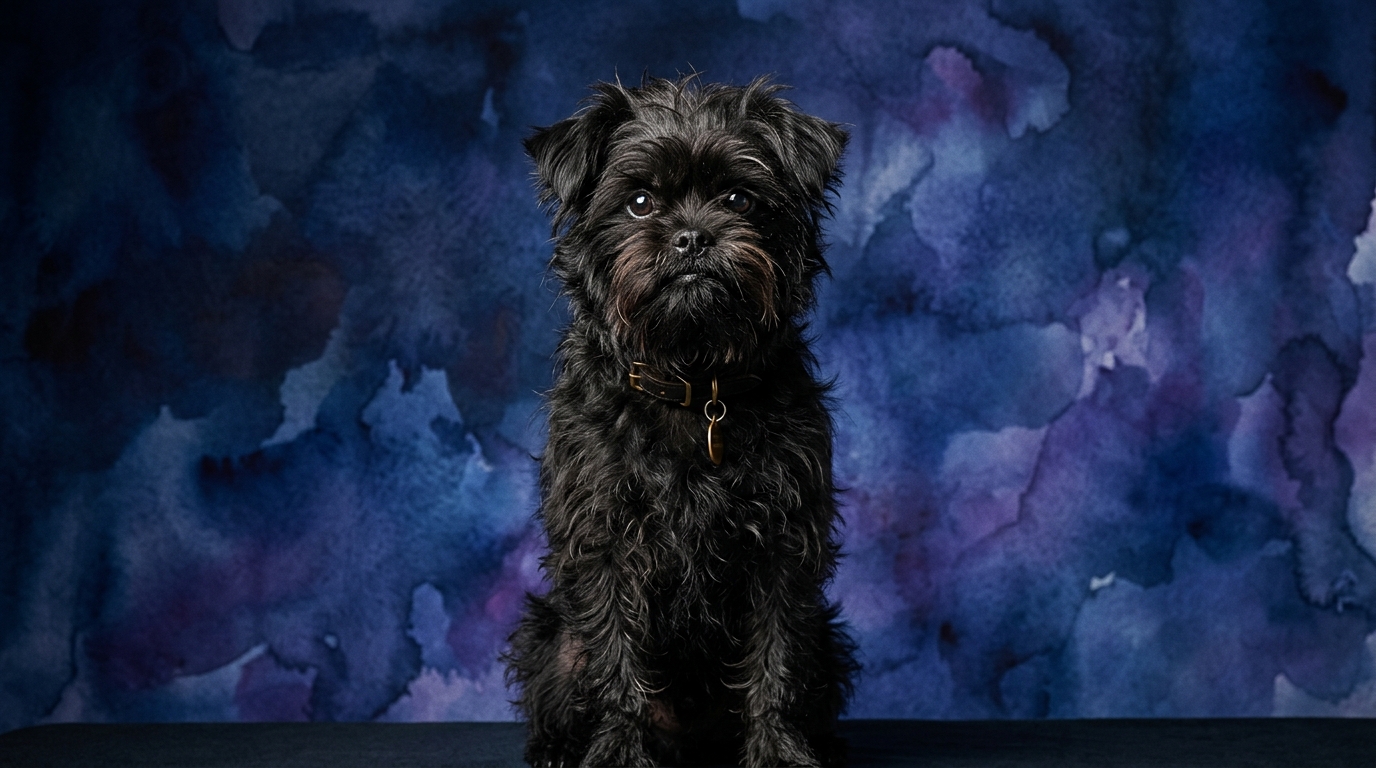
**Affenpinscher (Toy):**
**Problem Solving (3/5):** An Affenpinscher's problem-solving skills, while present, are typically more focused on immediate, practical concerns rather than intricate puzzles. They can figure out how to get what they want through observation and charming persistence, often employing social strategies rather than complex mechanical ones.
**Training Speed (3/5):** While capable of learning, the Affenpinscher's training speed is more moderate. They may require more repetition and patience, as their independent streak or a shorter attention span can sometimes make them less immediately receptive to new commands compared to more driven breeds.
**Social Intelligence (3/5):** Affenpinschers demonstrate a solid understanding of their immediate social circle, forming deep, often singular, bonds with their primary caregivers. Their social radar is usually keenly tuned to their family's dynamics, though they might be less inclined to engage broadly with strangers or large groups.
**Instinctive Drive (3/5):** Their instinctive drive, while present, is typically less intense than that of a terrier. They may have a moderate prey drive for small critters but are generally more content as companion animals, with their energy directed towards playful interaction rather than intense hunting or guarding.
**Memory (3/5):** Affenpinschers possess a functional memory, allowing them to remember basic commands and routines. They recall past experiences and people, contributing to their consistent companionship, though perhaps not with the same breadth or detail as breeds scoring higher in this dimension.
Where Miniature Schnauzer Wins Cognitively
The Miniature Schnauzer consistently demonstrates a cognitive edge across several dimensions, primarily rooted in its terrier lineage and purpose. Their **training speed (5/5)** is a standout, allowing them to absorb new commands and complex sequences with remarkable alacrity. This means an owner can introduce new tricks, advanced obedience exercises, or even canine sports like agility and rally with a high expectation of rapid mastery. For instance, teaching a multi-step routine involving 'stay,' 'come to heel,' and 'weave' would likely progress significantly faster with a Miniature Schnauzer, who thrives on the mental challenge and structure. Furthermore, their **problem-solving (4/5)** ability, combined with a persistent nature, means they are more likely to independently figure out how to open childproof gates or dismantle intricate treat dispensers, showcasing a proactive approach to overcoming obstacles. Their **memory (4/5)** supports this, ensuring that once a solution is found or a command is learned, it is retained effectively, leading to reliable performance over time. This makes them particularly adept at tasks requiring consistent recall of learned behaviors and environmental cues, far surpassing the Affenpinscher's more moderate retention.
Where Affenpinscher Wins Cognitively
While the Miniature Schnauzer often demonstrates a broader application of its cognitive faculties, the Affenpinscher's cognitive profile, with its consistent **3/5 scores**, excels in areas that define its breed purpose as a charming and devoted companion. Their **social intelligence (3/5)**, while not as broadly adaptable as the Schnauzer's, often manifests as a highly attuned sensitivity to their primary human's moods and needs, leading to incredibly deep, focused bonds. An Affenpinscher might "win" by intuitively offering comfort or seeking interaction precisely when their person needs it, displaying a nuanced understanding of their specific family's emotional landscape rather than a general social dexterity. Furthermore, their **instinctive drive (3/5)**, being more moderate, means they are less prone to the intense, often demanding, pursuit behaviors seen in terriers. This can be a cognitive 'win' for owners seeking a dog less likely to bolt after squirrels or obsessively dig in the yard, translating to a calmer, more domestically oriented canine presence. Their problem-solving, while numerically lower, often leans into clever, charming manipulations to achieve their desires, a distinct form of 'winning' in a household setting.
Which is Easier to Train and Why
When evaluating ease of training, the Miniature Schnauzer clearly holds an advantage, primarily due to its superior **training speed (5/5)** and strong **problem-solving (4/5)** skills. Miniature Schnauzers typically exhibit a keen desire to please their handlers and possess a natural aptitude for learning, making them highly responsive to positive reinforcement methods. Their quick grasp of new concepts means fewer repetitions are needed to solidify a command, and they often enjoy the mental stimulation of training as a form of engagement. For example, teaching a 'stay' command for an extended period or in a distracting environment will likely progress much faster with a Miniature Schnauzer, as they can quickly understand the parameters and hold focus. Their robust memory further ensures that once learned, commands are reliably recalled. In contrast, the Affenpinscher, with a **training speed of 3/5**, may present more of a challenge. While certainly trainable, they often possess an independent, sometimes stubborn, streak characteristic of many toy breeds. They might require shorter, more frequent training sessions to maintain focus, and their motivation might need to be more tailored, relying heavily on high-value treats or engaging play to keep their interest. An Affenpinscher might learn 'sit' and 'stay,' but it might take more consistent effort and patience from the owner to achieve the same level of reliability and enthusiasm seen in a Miniature Schnauzer, as their attention can wander more readily.
Which Suits Active Owners vs Relaxed Owners
The cognitive profiles of the Miniature Schnauzer and Affenpinscher inherently steer them towards different owner lifestyles. The Miniature Schnauzer, with its robust **instinctive drive (4/5)** and energetic disposition, is an ideal match for active owners. Their need for mental and physical engagement means they thrive with daily structured walks, interactive play sessions, and opportunities to channel their terrier instincts through activities like earthdog trials, agility, or extensive puzzle toys. An owner who enjoys hiking, regular park visits, or wants a canine partner for learning new tricks will find the Miniature Schnenauzer's cognitive zest and stamina highly rewarding. Their **social intelligence (4/5)** also means they generally adapt well to varied social outings, making them suitable for owners who frequently take their dog to different environments. Conversely, the Affenpinscher, with its more moderate **instinctive drive (3/5)** and a preference for close companionship, is often a better fit for relaxed owners. While they still require daily walks and playtime, their energy requirements are less intense, and their cognitive focus is often directed more towards intimate interaction within the home. An Affenpinscher is content with shorter, consistent routines and finds deep satisfaction in cuddling on the couch or engaging in quiet, focused play with their human. Their **social intelligence (3/5)**, while strong within their inner circle, means they might be less enthusiastic about frequent new social introductions, preferring the predictability of their established family unit. This makes them an excellent choice for individuals or families seeking a devoted, less demanding companion who thrives on consistent, calm interaction.
The Verdict
Opt for a Miniature Schnauzer if you are an active owner seeking a highly trainable, mentally agile companion eager to engage in diverse activities and learn quickly. Their robust cognitive profile thrives on consistent challenges and structured interaction.
Select an Affenpinscher if you prefer a devoted, charming companion with a more moderate energy level, content with focused companionship and a predictable, calmer home environment. Their unique cognitive strengths shine in intimate settings with patient, consistent guidance.
🧠 Find Your Pet's IQ Score
Our Pet IQ Lab assessment covers 25+ tests across 5 cognitive dimensions — personalized to your breed.
Take the Full IQ Test →Frequently Asked Questions
Do Miniature Schnauzers or Affenpinschers excel more at learning complex tricks?
Miniature Schnauzers, with their 5/5 training speed and 4/5 problem-solving, generally excel more at learning complex tricks and multi-step routines. Their eagerness and capacity for sustained focus make them quicker and more enthusiastic learners for advanced behaviors. Affenpinschers can learn tricks, but may require more patience and creative motivation.
Which breed is more likely to develop separation anxiety based on their social intelligence scores?
Neither breed's social intelligence score directly predicts separation anxiety, as many factors contribute to it. However, the Affenpinscher's 3/5 social intelligence often translates to deeper, more singular bonds, potentially making them more prone to distress if left alone for long periods without proper conditioning, whereas the Miniature Schnauzer's 4/5 might mean they are more adaptable to varied social situations.
How does the difference in instinctive drive impact daily life for owners of these breeds?
The Miniature Schnauzer's 4/5 instinctive drive means owners should prepare for a dog with a stronger urge to chase, dig, and be generally alert, requiring more structured outlets for these behaviors. The Affenpinscher's 3/5 drive implies a generally calmer demeanor regarding these instincts, making them potentially easier to manage in a typical home environment without constant redirection of high-energy impulses.