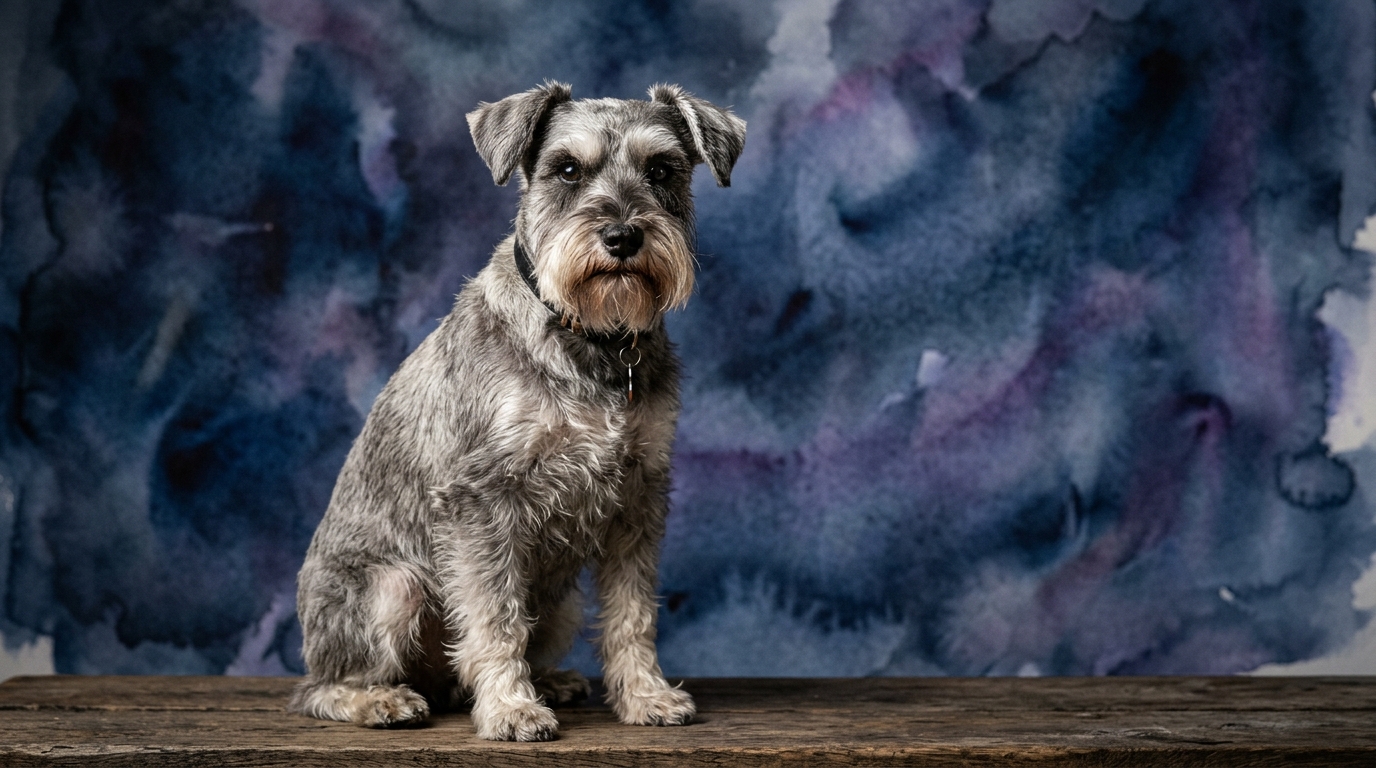
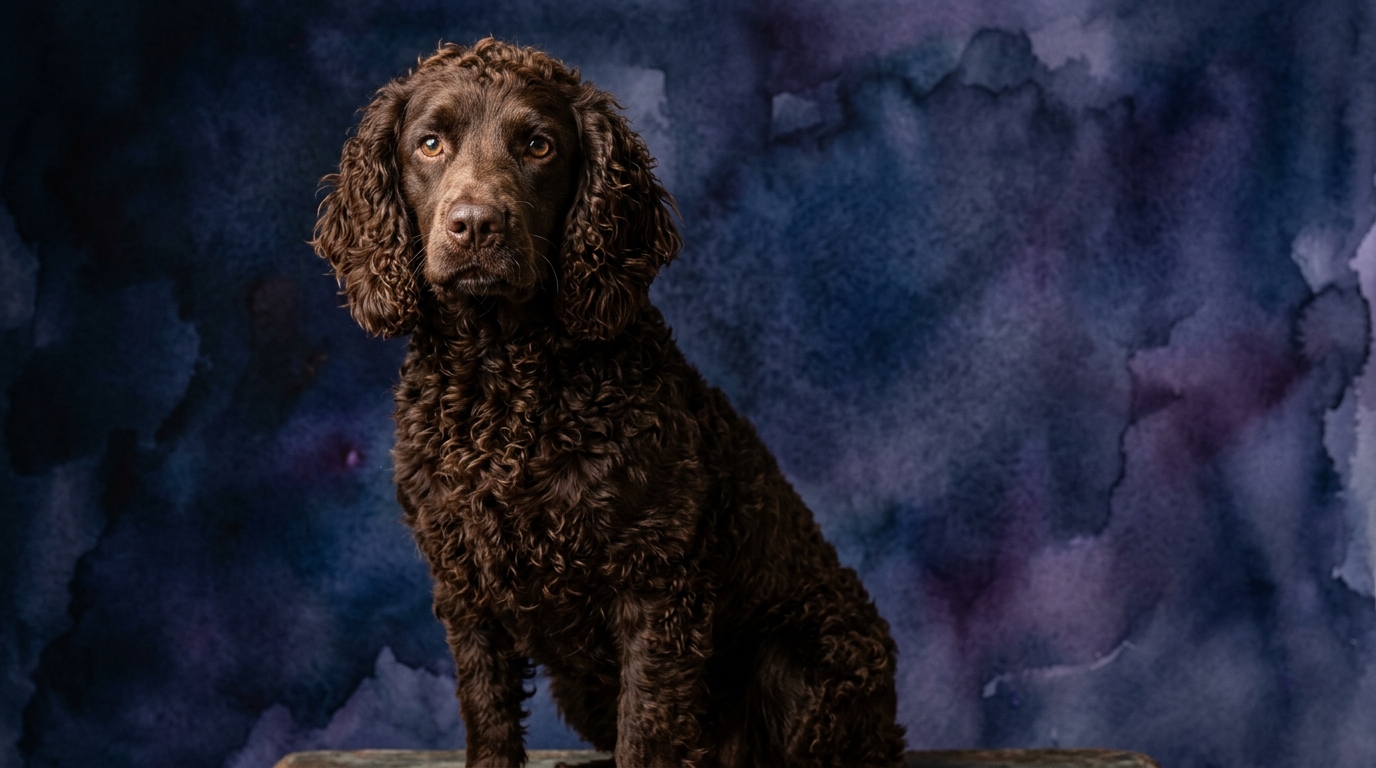
Side-by-Side IQ Profile: Miniature Schnauzer vs. American Water Spaniel
**Miniature Schnauzer (Terrier, Coren Rank #12):** This breed consistently scores high across multiple cognitive dimensions, reflecting its terrier heritage of independent thinking and keen observation. Their cognitive profile suggests a dog that is both mentally agile and responsive to its human companions.
**Problem Solving (4/5):** Miniature Schnauzers excel at navigating novel situations and devising solutions, often figuring out how to open gates or retrieve hidden toys with impressive ingenuity, indicating a flexible mind. This high score suggests they don't easily get stuck in a rut and can adapt quickly to new challenges.
**Training Speed (5/5):** Their rapid learning curve means they pick up new commands and routines with remarkable quickness, requiring minimal repetition. This exceptional score reflects an eagerness to engage and a keen ability to form associations between actions and consequences rapidly.
**Social Intelligence (4/5):** These dogs are adept at reading human cues and understanding social dynamics within their family unit. They often anticipate owner moods and respond appropriately, showing a high degree of attunement to their environment and human companions.
**Instinctive Drive (4/5):** Rooted in their ratting heritage, Miniature Schnauzers possess a robust drive for pursuit and exploration. This translates into a focused determination, whether it's tracking a scent, engaging in a mentally stimulating task, or protecting their territory.
**Memory (4/5):** They effectively retain learned behaviors and past experiences, remembering complex sequences or locations over time. This solid memory underpins their rapid training speed and consistent performance, ensuring that once learned, behaviors stick.
**American Water Spaniel (Sporting, Coren Rank #44):** The American Water Spaniel's cognitive profile is shaped by its role as a versatile hunting and retrieving dog, emphasizing practicality, endurance, and a strong connection to its working purpose.
**Problem Solving (3/5):** American Water Spaniels approach challenges with a more methodical, sometimes trial-and-error, strategy. While capable of finding solutions, they may take slightly longer to process new situations compared to the Schnauzer's quicker insights, preferring a deliberate approach.
**Training Speed (3/5):** These dogs learn at a moderate pace, requiring consistent reinforcement and patience during training sessions. While not as quick to grasp new concepts as some breeds, they are certainly trainable and responsive to clear, patient instruction.
**Social Intelligence (3/5):** American Water Spaniels are generally sociable and form strong bonds, but their social intelligence leans towards a more independent nature. They are observant of their human companions but might not always be as overtly 'tuned-in' to subtle cues as the Schnauzer.
**Instinctive Drive (3/5):** Their drive is strongly focused on their sporting heritage, particularly water retrieval and scent work. While persistent in these areas, their general instinctive drive might be less pervasive than a terrier's, making it more specialized and directed.
**Memory (4/5):** Much like the Schnauzer, American Water Spaniels exhibit a strong memory, crucial for remembering complex retrieve patterns, scent trails, or previously learned commands. This ensures that once a behavior is mastered, it is retained reliably for future use.
Where Miniature Schnauzer Wins Cognitively
The Miniature Schnauzer clearly excels in areas demanding rapid cognitive processing and adaptability. Their Problem Solving score of 4/5 means they are quick to analyze new situations and find creative solutions, often surprising owners with their ingenuity in navigating their environment or manipulating objects. This cognitive agility allows them to quickly understand abstract concepts during training, making them adept at learning complex sequences or rules.
Furthermore, their superior Training Speed (5/5) is a significant advantage, indicating an exceptional ability to form associations and internalize commands with minimal repetition. This rapid learning extends beyond basic obedience, enabling them to master complex tricks, agility courses, or even advanced canine sports at an accelerated pace. Their higher Social Intelligence (4/5) also makes them particularly attuned to human emotions and intentions, often anticipating needs or reacting sensitively to their owner's mood, fostering a deep, responsive bond.
Where American Water Spaniel Wins Cognitively
While the American Water Spaniel's scores might appear lower in some categories, their cognitive strengths are deeply rooted in their specialized purpose, leading to unique advantages. Their Instinctive Drive, rated 3/5, is specifically channeled towards water work and retrieving, making them unparalleled in tasks requiring sustained focus and endurance in aquatic environments. This specialized drive means less broad 'prey drive' compared to a terrier, which can be a cognitive 'win' for owners seeking a more focused working companion in specific scenarios, rather than a generalist hunter.
Both breeds share a strong Memory (4/5), but for the American Water Spaniel, this is vital for remembering complex scent trails and multiple retrieve locations, a critical cognitive function for their traditional role in the field. Their slightly lower Social Intelligence (3/5) can translate into a more self-reliant nature, meaning they might be less prone to over-reliance on constant human direction, fostering independent decision-making when working away from their handler.
Which is Easier to Train and Why
Without a doubt, the Miniature Schnauzer presents an easier and faster training experience due to its exceptional Training Speed (5/5) and robust Problem Solving abilities (4/5). They pick up new commands almost instantaneously, often anticipating what's expected of them, which makes positive reinforcement highly effective and rewarding for both dog and owner. This quick cognitive uptake means fewer repetitions are needed to solidify behaviors, allowing for rapid progression through training levels and the mastery of intricate commands.
Conversely, the American Water Spaniel, with a Training Speed of 3/5, requires a more patient and consistent approach. While certainly trainable and possessing a strong memory (4/5), they will need more repetitions to fully grasp new concepts. Their methodical learning style means trainers must be prepared for a slower, steady pace, but once a behavior is learned, their excellent memory ensures it is retained reliably. Miniature Schnauzers might sometimes use their problem-solving to find loopholes in rules, requiring firm but fair boundaries, whereas American Water Spaniels are generally more straightforward in their learning, albeit slower.
Which Suits Active Owners vs. Relaxed Owners
The Miniature Schnauzer, with its high Instinctive Drive (4/5) and superior Problem Solving (4/5), thrives with active owners who enjoy engaging their dog in various mental and physical challenges. They are well-suited for activities like agility, obedience trials, earthdog events, or even advanced trick training, needing consistent mental stimulation to prevent boredom and channel their sharp minds constructively. A relaxed owner might find the Schnauzer's need for engagement overwhelming, potentially leading to undesirable behaviors if their cognitive needs aren't met.
The American Water Spaniel, while possessing an Instinctive Drive (3/5) primarily focused on water work, also benefits from active engagement, particularly if it involves their natural retrieving abilities or swimming. However, their slightly lower overall cognitive intensity in some areas might make them a better fit for owners who are active in specific pursuits like hunting or hiking, rather than needing constant, novel mental challenges. They can adapt to a slightly more relaxed pace outside of their working tasks, provided their exercise needs are met, making them suitable for owners who appreciate a dog with distinct 'on' and 'off' switches for activity.
The Verdict
The Miniature Schnauzer is the ideal choice for owners who desire a quick-witted, highly trainable, and socially attuned partner, relishing active mental engagement and rapid learning in a companion.
The American Water Spaniel suits owners seeking a more specialized, methodical companion, perfect for those involved in water sports or hunting, appreciating a dog with strong memory and focused drive for specific tasks.
🧠 Find Your Pet's IQ Score
Our Pet IQ Lab assessment covers 25+ tests across 5 cognitive dimensions — personalized to your breed.
Take the Full IQ Test →Frequently Asked Questions
Is a Miniature Schnauzer difficult to keep mentally stimulated?
Miniature Schnauzers, with their 4/5 problem-solving and 4/5 instinctive drive, require consistent mental engagement to prevent boredom. Daily puzzle toys, varied training sessions, and interactive games are essential to satisfy their active minds and prevent them from devising their own, potentially mischievous, forms of entertainment.
How does the American Water Spaniel's memory impact its training?
The American Water Spaniel's 4/5 memory means that while they may take more repetitions to learn a new command (3/5 training speed), once a behavior is mastered, it is retained very reliably. This makes them excellent candidates for complex routines or tasks that require remembering specific sequences over time, such as in field trials or advanced obedience.
Can an American Water Spaniel live in an apartment?
While adaptable, an American Water Spaniel's 3/5 instinctive drive and sporting heritage mean they require substantial daily exercise, ideally involving water or retrieving activities. An apartment living situation would necessitate a highly committed owner who can provide frequent, vigorous outdoor activities to meet their physical and mental needs, making a home with yard access generally more suitable.