Side-by-Side Cognitive Profiles: Decoding Their IQ
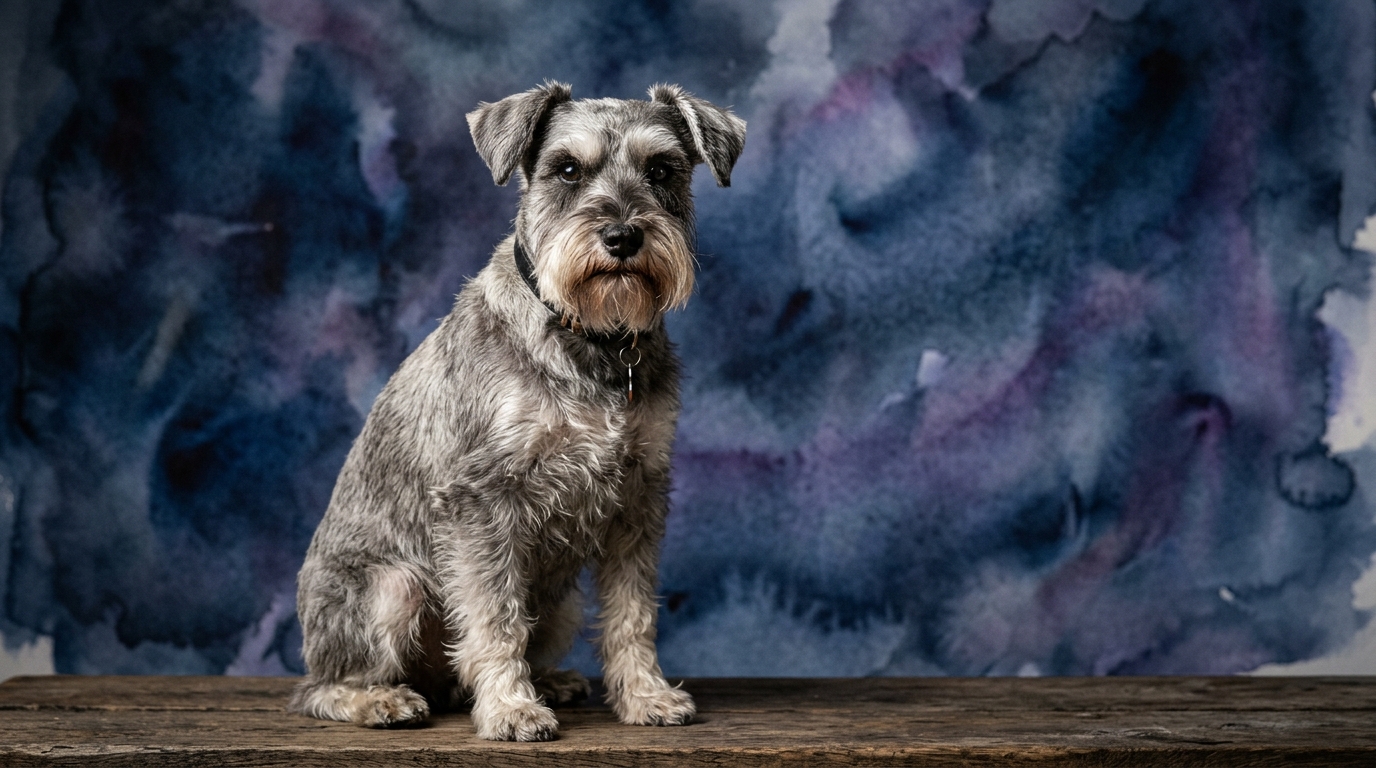
At The Cosmic Pet Pet IQ Lab, we evaluate canine intelligence across five key dimensions, providing a nuanced understanding beyond simple obedience. For the Miniature Schnauzer, a breed recognized by Stanley Coren as ranking #12 in working and obedience intelligence, their cognitive profile is notably robust. They score 4/5 in Problem Solving, indicating a high capacity for independent thought and devising strategies to navigate novel situations. Their Training Speed is exceptional at 5/5, meaning they grasp and execute new commands with remarkable swiftness, often requiring fewer repetitions. Social Intelligence is rated 4/5, reflecting their astute observation of human behavior and ability to interpret subtle cues. An Instinctive Drive of 4/5 points to a strong, purposeful drive often channeled into vigilance and engaging in structured activities, while their Memory at 4/5 ensures excellent recall for learned behaviors and routines, contributing to their overall reliability.
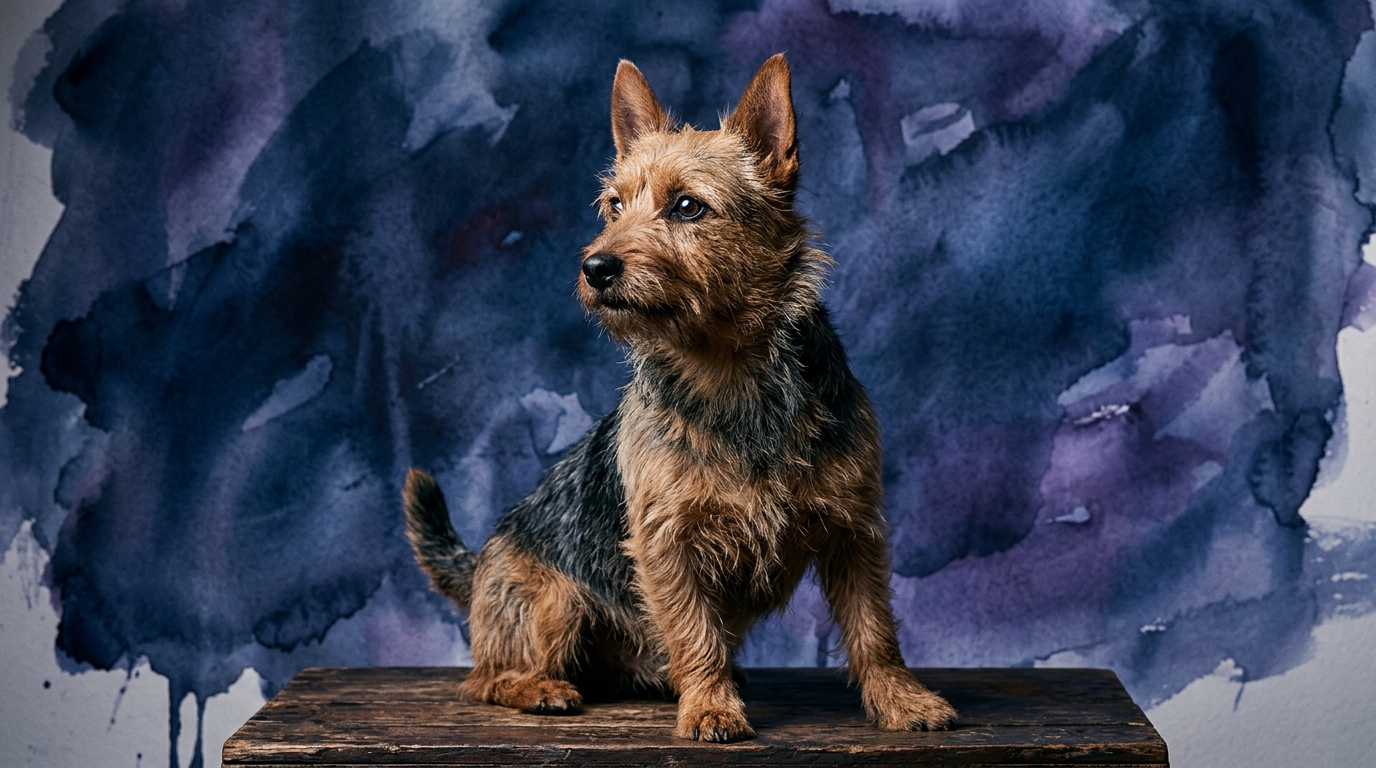
In contrast, the Australian Terrier, while not specifically ranked by Coren, presents a consistent and balanced cognitive profile across the board, scoring 3/5 in every dimension. Their Problem Solving at 3/5 suggests they are capable, but may approach challenges with more direct, less nuanced methods, relying on persistence rather than intricate strategizing. Training Speed, also 3/5, indicates they are consistent learners, but require patient and clear instruction, mastering tasks steadily rather than rapidly. Social Intelligence at 3/5 means they understand basic human interactions and form strong bonds, though they might be less inclined to complex social interpretations. Their Instinctive Drive of 3/5 is a solid terrier drive, often focused on hunting small prey, and can be tenacious in pursuit. Finally, their Memory at 3/5 ensures good retention of core commands and familiar routines, though perhaps not as expansive or immediate as the Miniature Schnauzer.
Where the Miniature Schnauzer Excels Cognitively
The Miniature Schnauzer's cognitive strengths lie in its remarkable capacity for rapid assimilation and complex engagement. Their 5/5 Training Speed is a standout feature, making them exceptionally receptive to advanced obedience, trick training, and even demanding canine sports like agility. They don't merely learn quickly; they often demonstrate a genuine enjoyment in the process of acquiring new skills, eager to please and interact. This high trainability is complemented by their 4/5 Problem Solving ability, which translates into a dog capable of independent thought, often figuring out how to open gates, retrieve out-of-reach toys, or navigate complex environments. They thrive on mental puzzles and can become bored if not consistently challenged with varied and engaging tasks.
Furthermore, their 4/5 Social Intelligence makes Miniature Schnauzers incredibly perceptive companions. They are adept at understanding shifts in owner mood, household dynamics, and even subtle vocal inflections. This nuanced understanding allows them to adapt their behavior accordingly, making them highly integrated and responsive family members. Their 4/5 Memory ensures that once a command or routine is learned, it tends to stick, providing a significant advantage in everyday life and for long-term training goals. This combination of quick learning, strategic thinking, social acumen, and reliable recall positions the Miniature Schnauzer as a cognitively agile breed that flourishes with consistent mental stimulation and a deeply interactive partnership.
The Distinctive Cognitive Strengths of the Australian Terrier
While the Miniature Schnauzer's scores demonstrate a certain cognitive agility and complexity, the Australian Terrier's consistent 3/5 across all dimensions presents a different, equally valuable, cognitive profile. This isn't a deficit but a distinct approach to interacting with their world. An Australian Terrier's problem-solving (3/5) tends to be more direct and persistent, often relying on steadfast effort rather than intricate strategizing. They are less likely to overthink a situation, preferring a straightforward application of their instincts and learned behaviors. This can manifest as a robust mental resilience, where they are less prone to being flustered by novel challenges and instead meet them with a pragmatic determination.
Their moderate social intelligence (3/5) means they form strong, clear bonds without necessarily requiring the same level of nuanced human-like interaction or complex emotional interpretation as their Schnauzer counterparts. They are loyal and affectionate, communicating their needs and affections without excessive subtlety, which can be a refreshing quality for owners seeking a more uncomplicated connection. Furthermore, their instinctive drive (3/5) is potent and purposeful, often channeled into traditional terrier pursuits like digging or tracking, providing a clear outlet for their natural inclinations without the added layer of complex decision-making that might accompany a higher problem-solving score. This balanced profile offers a companion that is dependable, resilient, and engaging in its own unique, straightforward manner.
Training Dynamics: Which Breed Learns More Readily?
The disparity in training ease between these two breeds is quite pronounced, rooted directly in their cognitive profiles. The Miniature Schnauzer, with its exceptional Training Speed (5/5), high Problem Solving (4/5), and strong Memory (4/5), often appears to 'think along' with its trainer. They grasp new commands with remarkable rapidity, frequently anticipating the next step in a sequence or understanding the underlying intent of an exercise. This combination makes them highly responsive to positive reinforcement and capable of mastering a wide repertoire of commands, tricks, and even complex sport routines like agility or obedience trials with relative ease. Their social intelligence further aids this by making them attuned to human cues and eager to cooperate for praise and reward, fostering a deeply collaborative training experience.
In contrast, the Australian Terrier's Training Speed (3/5) suggests a more deliberate learning process. They are certainly trainable, but they require a greater degree of patience, consistency, and repetition to solidify new behaviors. Their problem-solving (3/5) is more direct, meaning they might not always connect the dots as quickly in novel training scenarios. Furthermore, their instinctive drive (3/5), while manageable, can occasionally manifest as a strong independent streak or a preoccupation with environmental stimuli, particularly small moving objects. This means that an Australian Terrier might require more dedicated effort in proofing commands in distracting environments and ensuring solid recall, as their natural instincts can sometimes override learned responses if not consistently reinforced from a young age. Training an Australian Terrier is a rewarding journey that builds a strong bond, but it demands a more persistent and creative approach to keep them engaged and focused.
Matching Canine Cognition to Owner Lifestyles
When considering which breed aligns with an active versus a more relaxed owner, their distinct cognitive profiles offer clear guidance. The Miniature Schnauzer, with its higher Problem Solving (4/5) and robust Instinctive Drive (4/5), thrives with owners who enjoy engaging in varied mental and physical activities. They benefit immensely from consistent training, puzzle toys, agility, or even roles like therapy work, which tap into their perceptive nature and desire for purpose. Their social intelligence means they genuinely enjoy being involved in family activities and can become bored or exhibit undesirable behaviors if their cognitive needs are not met through regular, engaging interaction and mental challenges. They are a suitable match for owners who are prepared to be active participants in their dog's mental life.
Conversely, the Australian Terrier can be a good fit for owners who appreciate a companion that is less demanding of constant complex cognitive challenges, but still requires regular physical activity. While they are terriers and need walks, playtime, and opportunities for exploration, their consistent 3/5 scores suggest they might be content with a more predictable routine and less intricate mental tasks than a Schnauzer. They are not low-energy dogs, but their cognitive demands are less intensely focused on problem-solving or rapid learning. They are adaptable and enjoy companionship without necessarily needing to 'work' all the time, making them suitable for owners who seek a steadfast, resilient, and affectionate presence that is happy with moderate, consistent engagement rather than constant intellectual stimulation.
The Verdict
Choose the Miniature Schnauzer if you seek a highly trainable, perceptive companion eager for complex mental challenges, advanced obedience, and a deeply engaged, collaborative partnership.
Opt for the Australian Terrier if you prefer a steadfast, direct, and resilient companion that thrives on consistent routines and moderate mental engagement without requiring constant intellectual problem-solving.
🧠 Find Your Pet's IQ Score
Our Pet IQ Lab assessment covers 25+ tests across 5 cognitive dimensions — personalized to your breed.
Take the Full IQ Test →Frequently Asked Questions
Are Miniature Schnauzers good for first-time dog owners?
Yes, their high trainability and social intelligence make them responsive to guidance, though their need for consistent mental stimulation means a first-time owner should be committed to engagement. They learn quickly and enjoy a structured routine, which can simplify the training process.
Do Australian Terriers have strong prey drives?
With an instinctive drive score of 3/5, Australian Terriers do possess a solid prey drive, typical of their terrier heritage, which means they may chase small animals. Consistent training, especially recall, is essential to manage this natural inclination and ensure their safety outdoors.
Which breed is more adaptable to apartment living?
Both breeds can adapt to apartment living with sufficient exercise, but the Miniature Schnauzer's higher social intelligence and adaptability might make it slightly more content in varied indoor environments, provided its mental needs are met. The Australian Terrier, while smaller, still benefits from a secure outdoor space for its terrier instincts like digging and exploring.