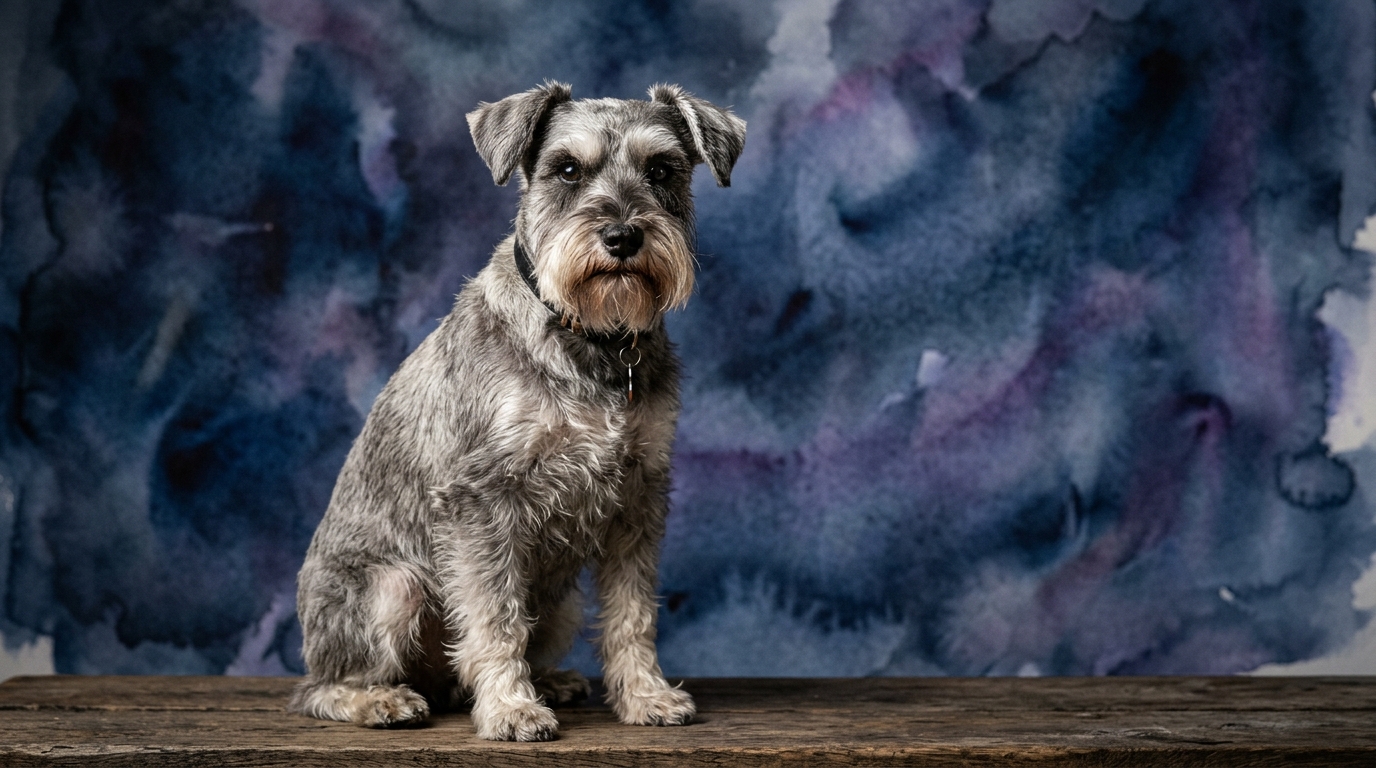
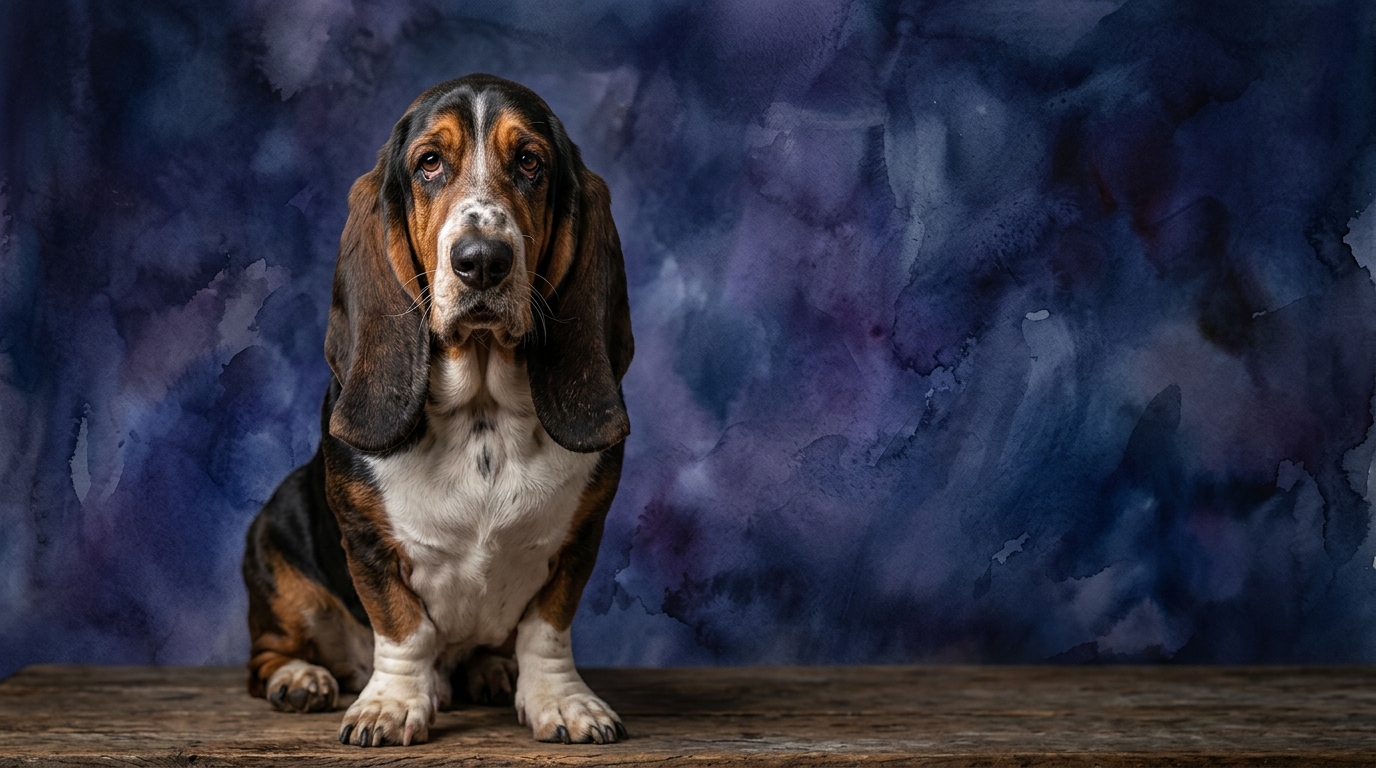
Side-by-Side IQ Profile: Schnauzer vs. Basset Hound
**Problem Solving:** The Miniature Schnauzer (4/5) approaches novel situations with an investigative spirit, adept at quickly deciphering puzzle toys or learning complex sequences. They employ strategic thinking and trial-and-error efficiently. The Basset Hound (3/5) primarily solves problems through their superior olfactory senses, meticulously following scent trails rather than engaging in abstract reasoning or object manipulation. When not scent-focused, they might appear less interested in finding quick, human-centric solutions.
**Training Speed:** Ranking #12 in Coren's intelligence scale, the Miniature Schnauzer (5/5) excels in acquiring new commands rapidly due to their attentiveness and desire to engage. They often pick up new cues after only a few repetitions and generalize learned behaviors efficiently. The Basset Hound (3/5), ranking #71, learns at a more deliberate pace. Their independent nature and focus on scent can make them appear stubborn during training, requiring consistent, patient, and reward-based methods.
**Social Intelligence:** Miniature Schnauzers (4/5) display a keen understanding of human emotions and social cues, adept at reading body language and anticipating routines. This acumen fosters strong bonds and facilitates cooperative living. Basset Hounds (3/5) possess a calm, amiable social intelligence, forming deep, steady attachments. While less reactive to subtle human cues, their intelligence manifests as placid, unwavering companionship, often preferring gentle interaction.
**Instinctive Drive:** The Miniature Schnauzer's (4/5) instinctive drive is rooted in its terrier heritage—a drive to hunt small vermin, manifesting as alert vigilance and a moderate prey drive. They enjoy tasks that engage these instincts, like "hunting" for toys. The Basset Hound's (3/5) instinctive drive is overwhelmingly centered on its powerful sense of smell. Their drive is to follow a scent trail, often to the exclusion of all else, making them appear single-minded and unresponsive when "on a mission.
**Memory:** Miniature Schnauzers (4/5) demonstrate excellent memory, recalling commands, routines, and specific training sequences over long periods. They remember people, places, and past experiences with clarity, which contributes to their trainability and adaptability. Basset Hounds (3/5) have a functional memory for routines and familiar people, but their recall for specific commands, especially those not intrinsically rewarding or tied to scent, can be less consistent. Their memory is often highly contextual, particularly strong when it relates to food or established comfort zones.
Where the Miniature Schnauzer Wins Cognitively
The Miniature Schnauzer excels in areas demanding quick cognitive processing and versatile learning. Their 4/5 problem-solving score means they frequently outmaneuver complex interactive toys, finding solutions that require abstract thought, strategic planning, and manipulation. This cognitive agility allows them to adapt rapidly to new situations and challenges, making them adept at navigating novel environments or tasks. This breed's 5/5 training speed is a testament to their rapid comprehension and eagerness to perform, allowing them to master intricate command sequences, multi-step tricks, and even advanced dog sports with remarkable efficiency. Their ability to quickly associate commands with actions and retain information over time is a significant advantage. Furthermore, their 4/5 social intelligence allows them to keenly interpret human intentions, emotions, and subtle cues, fostering a highly communicative and responsive partnership. They thrive on intellectual engagement, consistently seeking out mental challenges and demonstrating a robust capacity for learning and adapting to new situations, reflecting their terrier heritage of quick wit, vigilance, and problem-solving aptitude in diverse contexts.
Where the Basset Hound Wins Cognitively
While the Basset Hound's overall scores are moderate in comparison, its cognitive strengths lie in areas deeply tied to its ancient purpose and specialized sensory world. Its 3/5 instinctive drive, though numerically lower in a general ranking, represents an unparalleled dedication and capacity for scent work. A Basset Hound's 'win' is found in its singular focus and remarkable endurance when tracking a scent trail, a profoundly complex cognitive task. This involves intricate scent discrimination, the ability to build and recall a detailed mental map based purely on olfactory input, and unwavering persistence in pursuit of a target odor. This specialized intelligence allows them to process and follow a scent trail that would be imperceptible or overwhelming to most other breeds, demonstrating a unique form of environmental problem-solving. Their calm and steady social intelligence (3/5) also provides a unique benefit, offering a placid, unwavering companionship. This wins over owners seeking a dog that connects on a less frantic, more grounded level, providing a comforting and stable presence rather than demanding constant, high-energy interaction.
Training Dynamics: Which Breed is Easier?
The Miniature Schnauzer is unequivocally the easier breed to train, largely due to its 5/5 training speed and an inherent desire to collaborate. They grasp concepts swiftly, are motivated by praise and rewards, and possess a focused attention span, making them responsive to a wide range of commands and behavioral adjustments. Conversely, the Basset Hound, with its 3/5 training speed, presents a greater challenge. Their training requires immense patience and creativity, as their strong, independent scent drive can easily override human directives. They are not unintelligent, but their priorities are often self-directed by their nose, demanding trainers find ways to make learning more appealing than the next interesting smell.
Lifestyle Match: Active vs. Relaxed Owners
For active owners seeking a dynamic companion, the Miniature Schnauzer is an ideal match. Their energetic nature, keen intelligence, and desire for engagement mean they thrive on daily walks, interactive play, and mental puzzles, easily keeping pace with an adventurous lifestyle. Relaxed owners, on the other hand, will find a kindred spirit in the Basset Hound. While they appreciate a leisurely stroll to explore scents, their overall demeanor is calm and unhurried. They are content with lounging and require less intense physical activity, making them perfect for those who enjoy a tranquil home environment and a steady, affectionate presence.
The Verdict
Opt for the Miniature Schnauzer if you desire a quick-witted, highly trainable companion eager for mental challenges and active participation in your life. Their adaptability and responsive nature make them a rewarding partner for engaged owners.
Select the Basset Hound if you appreciate a calm, independent spirit with a profound connection to the world of scent, and are prepared for a patient, reward-based training journey. They offer unwavering, low-key companionship for a relaxed household.
🧠 Find Your Pet's IQ Score
Our Pet IQ Lab assessment covers 25+ tests across 5 cognitive dimensions — personalized to your breed.
Take the Full IQ Test →Frequently Asked Questions
Are Basset Hounds difficult to train?
Basset Hounds are not "difficult" in the sense of being unable to learn, but their strong scent drive and independent nature mean they require more patience and highly motivating rewards than many other breeds. Consistency is key, and their training speed is rated 3/5, indicating a more deliberate learning pace.
Do Miniature Schnauzers need a lot of mental stimulation?
Yes, Miniature Schnauzers, with their 4/5 problem-solving and social intelligence, thrive on mental engagement. They benefit greatly from puzzle toys, learning new tricks, and varied activities to keep their sharp minds occupied and prevent boredom.
Which breed is better with children?
Both breeds can be good with children, but in different ways. Miniature Schnauzers (social intelligence 4/5) are often more interactive and playful, while Basset Hounds (social intelligence 3/5) are typically more placid and tolerant, making them calm companions for gentle children. Supervision is always recommended.