Side-by-Side IQ Profile: Unpacking Cognitive Strengths
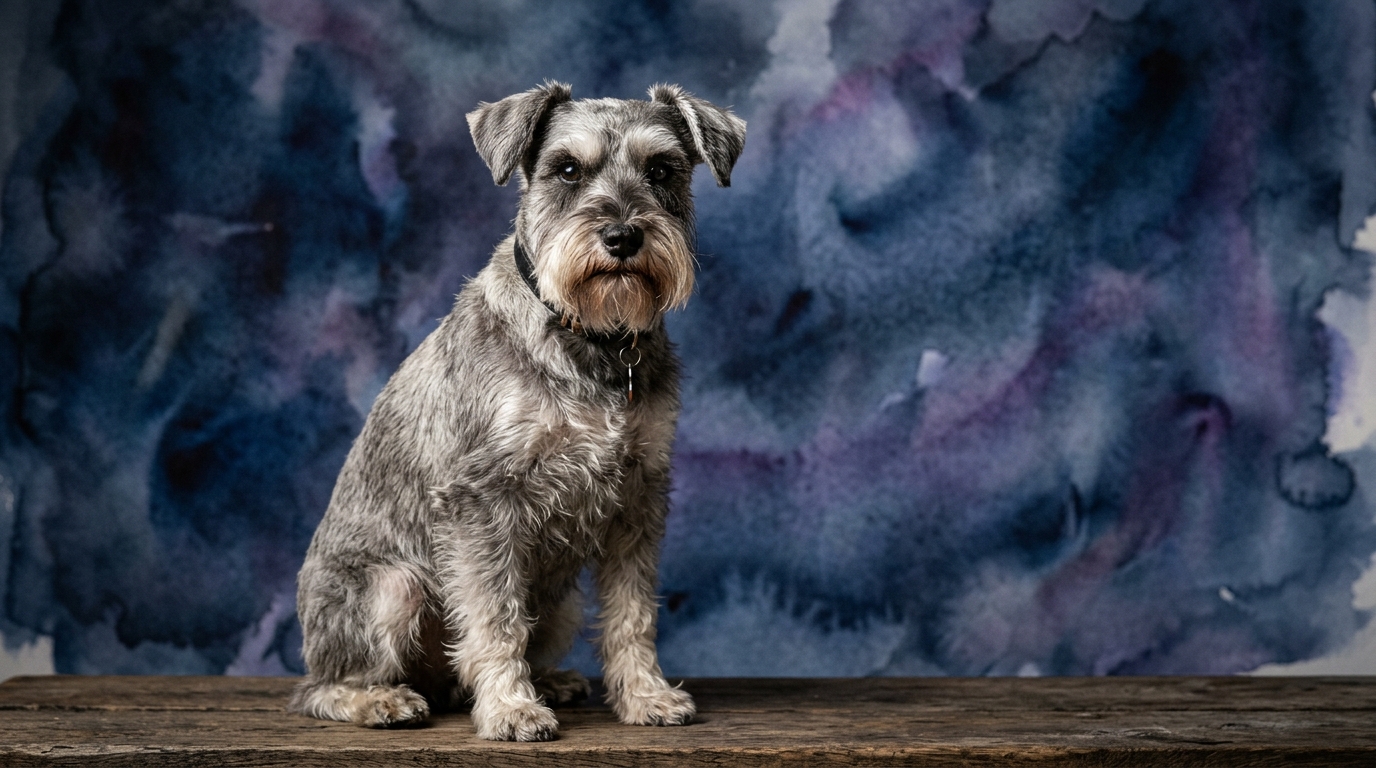
At The Cosmic Pet Pet IQ Lab, we evaluate canine intelligence across five key dimensions. For the Miniature Schnauzer, a Terrier breed with a Coren ranking of #12, we observe a robust cognitive profile indicative of a highly engaged partner. Their Problem Solving is rated at 4/5, suggesting a capacity to navigate complex environments or figure out desired items efficiently, often through observation and deduction. An exceptional Training Speed of 5/5 means they grasp new commands rapidly and retain them well, eager to perform for their handlers. Their Social Intelligence, also 4/5, highlights a strong awareness of human emotions and social cues, enabling them to adapt well to household dynamics and communicate effectively. Instinctive Drive, at 4/5, reflects their terrier heritage of vigilance, prey drive, and a purposeful approach to tasks, while their Memory, a solid 4/5, supports their training prowess and ability to recall learned experiences.
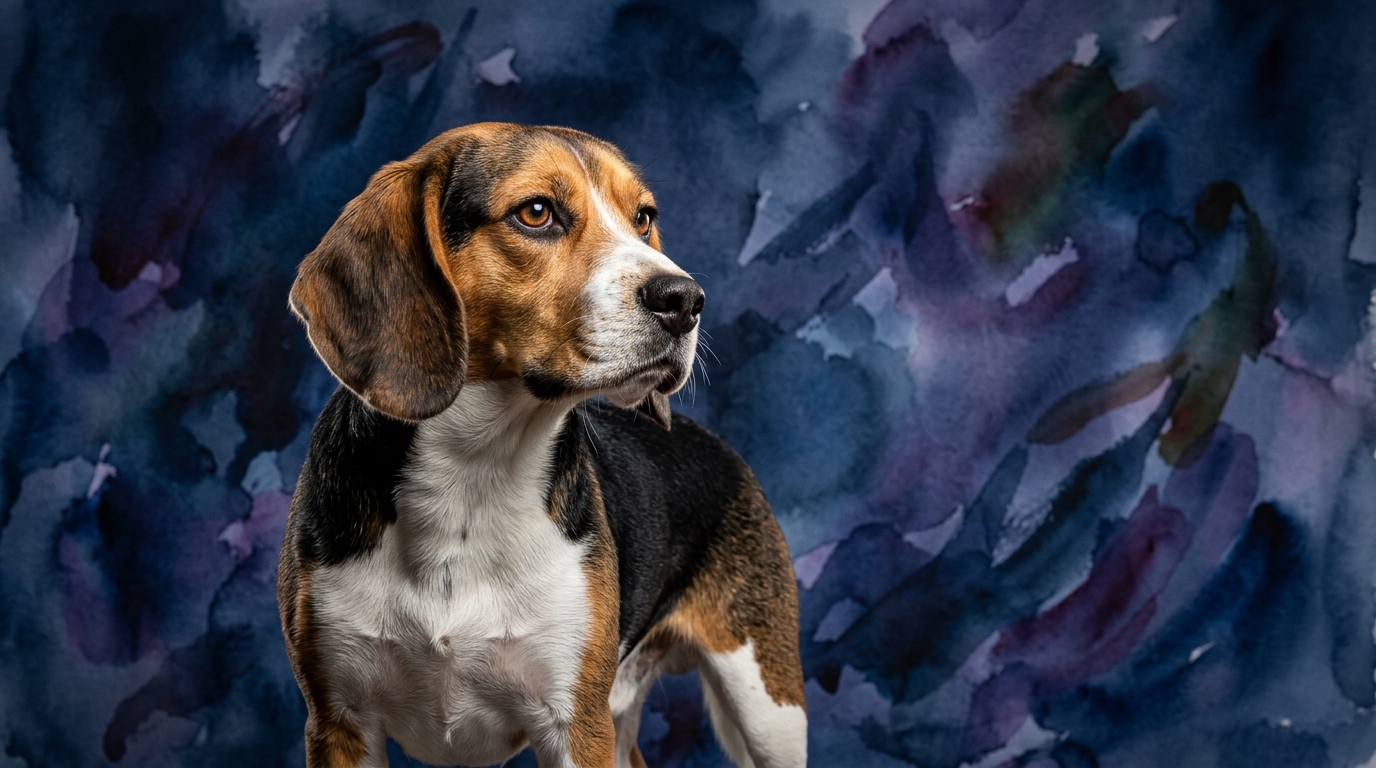
The Beagle, a Hound breed, presents a distinct cognitive blueprint, reflected in its Coren ranking of #72. Despite this lower rank, their Problem Solving mirrors the Schnauzer at 4/5, though it’s often applied differently – typically in the pursuit of scent. Their Training Speed, however, is significantly lower at 2/5, indicating that learning commands requires substantial repetition, patience, and highly motivating rewards due to their independent nature. A Social Intelligence score of 3/5 suggests they are generally friendly but may be less attuned to subtle human cues, often prioritizing their powerful olfactory world. The Beagle’s Instinctive Drive is an outstanding 5/5, a testament to their unwavering focus on tracking and following a scent trail, which can override most other impulses. Their Memory is rated 4/5, exceptional for recalling specific scents and the locations where they encountered them, a crucial asset for their original purpose.
Where the Miniature Schnauzer Shines Cognitively
The Miniature Schnauzer truly excels in areas requiring direct partnership and responsiveness to human direction. Their superior Training Speed (5/5) means they not only learn new commands quickly but also demonstrate a strong desire to comply, making structured obedience and advanced trick training highly rewarding. This rapid acquisition of skills is bolstered by their high Social Intelligence (4/5), which enables them to keenly observe and interpret human body language, tone, and intent, leading to a more seamless communication flow. Their problem-solving abilities, while rated the same as a Beagle’s, are frequently applied to human-centric challenges, such as navigating an agility course or figuring out a puzzle toy designed for mental enrichment, demonstrating a more versatile application of their cognitive skills within a domestic setting. The Schnauzer's cognitive strengths lie in their adaptability to structured environments and capacity for consistent, reliable performance under instruction, often seeking to understand and please their human companions.
Where the Beagle's Cognition Takes the Lead
Conversely, the Beagle’s cognitive prowess lies in its specialized, instinct-driven intelligence, particularly its unparalleled olfactory capabilities. Their Instinctive Drive, rated a perfect 5/5, is a dominant force that shapes their problem-solving and memory functions. A Beagle’s 4/5 problem-solving score is almost exclusively channeled through their nose; they are masters at deciphering complex scent trails, navigating varied terrain to pinpoint a hidden object, or tracking a specific odor through a distracting environment. This isn't just a physical act; it's a sophisticated cognitive process involving scent discrimination, pattern recognition, and sustained focus. Their memory (4/5) is particularly strong for olfactory information, allowing them to recall scents and their associated contexts over long periods. In any scenario requiring sustained focus on scent, such as search and rescue, detection work, or advanced nose work sports, the Beagle’s specialized cognitive architecture makes them an undisputed champion, demonstrating a depth of sensory intelligence that is truly remarkable.
Training Ease: A Tale of Two Priorities
When it comes to training, the difference between these two breeds is profound, rooted in their inherent motivations and cognitive priorities. The Miniature Schnauzer, with its exceptional Training Speed (5/5) and high Social Intelligence (4/5), is generally a dream to train. They possess an innate eagerness to please and an attentiveness to their owner, meaning they pick up new commands with few repetitions and are highly responsive to cues. Their terrier drive can be channeled effectively into positive reinforcement training, making them excel in obedience, rally, and agility. They want to understand what you're asking and are motivated by praise and connection, making the training process a collaborative and relatively swift endeavor.
The Beagle, on the other hand, presents a different kind of training challenge due to its lower Training Speed (2/5) and overwhelming Instinctive Drive (5/5). They are not stubborn in the malicious sense, but their world is primarily driven by scent. If a compelling scent is present, their focus will invariably shift to tracking it, often rendering human commands secondary. This requires immense patience, creativity, and high-value rewards to compete with the allure of their nose. Training a Beagle often means learning to work *with* their instincts, incorporating scent games into their routine, and understanding that off-leash reliability in an open, sniff-rich environment may always be a significant hurdle. While they can learn, their independent nature and powerful drive mean the training journey will be longer, demand more consistency, and require an owner appreciating their unique priorities.
Suiting Different Lifestyles: Active Engagement vs. Scent Exploration
The cognitive and instinctive differences between Miniature Schnauzers and Beagles naturally lead them to suit different owner lifestyles, even if both require active engagement. The Miniature Schnauzer thrives with owners who enjoy interactive activities and mental stimulation. They are well-suited to households that want a dog to participate in varied structured activities like obedience classes, agility, trick training, or even barn hunt, where their terrier drives can be positively directed. While they enjoy physical exercise, their mental needs for problem-solving and engagement with their human companions are equally critical. They can adapt to a range of activity levels, provided their sharp minds are kept busy and they receive consistent attention and opportunities for partnership. Owners who appreciate a dog that is consistently "checking in" and responsive to direction will find the Schnauzer a rewarding companion.
The Beagle, by contrast, is best suited for owners who are prepared to embrace and facilitate their profound need for scent-driven exploration. These are not dogs content with a quick walk around the block; they need long, meandering walks where they can follow their nose, investigate every interesting smell, and engage their primary cognitive tool. Owners interested in dog sports like tracking, nose work, or field trials will find a Beagle to be an exceptional partner, as these activities directly tap into their deepest instinctive drives. While they need physical exercise, the *type* of exercise is crucial: it must be mentally stimulating through scent. A relaxed owner who prefers minimal outdoor activity or expects a dog to simply 'switch off' without dedicated scent exploration will likely find a Beagle's persistent behaviors challenging, as these are often manifestations of unmet instinctive needs.
The Verdict
For owners seeking a highly responsive, trainable companion who excels in structured learning and enjoys a clear partnership, the Miniature Schnauzer is an excellent choice. They thrive on mental engagement and human interaction, making them adaptable family members eager to participate in various activities.
Opt for a Beagle if you appreciate a dog driven by an extraordinary sense of smell and are prepared to channel that instinct into enriching activities like tracking or long, exploratory walks. They suit patient owners who celebrate independence and can provide consistent, scent-focused engagement, understanding that their nose often leads the way.
🧠 Find Your Pet's IQ Score
Our Pet IQ Lab assessment covers 25+ tests across 5 cognitive dimensions — personalized to your breed.
Take the Full IQ Test →Frequently Asked Questions
Is a Miniature Schnauzer better at obedience than a Beagle?
Yes, based on their Coren rank (#12 vs #72) and training speed (5/5 vs 2/5), Miniature Schnauzers typically demonstrate higher obedience and learn commands more rapidly than Beagles. Their natural inclination to partner with humans and interpret cues gives them an edge in structured training environments.
Do Beagles have good memory?
Beagles possess a strong memory, rated 4/5, particularly for scents and locations crucial to their hunting heritage. While this memory is exceptional for their instinctive drives, it might not always translate as readily to remembering human-centric commands without consistent reinforcement.
Which breed is more social with people?
Miniature Schnauzers, with a social intelligence of 4/5, tend to be more attuned to human emotions and social cues, often forming strong, communicative bonds with their families. Beagles, while generally friendly, have a social intelligence of 3/5 and can sometimes prioritize their powerful scent drive over human interaction, especially when a compelling scent is present.