Side-by-Side IQ Profile
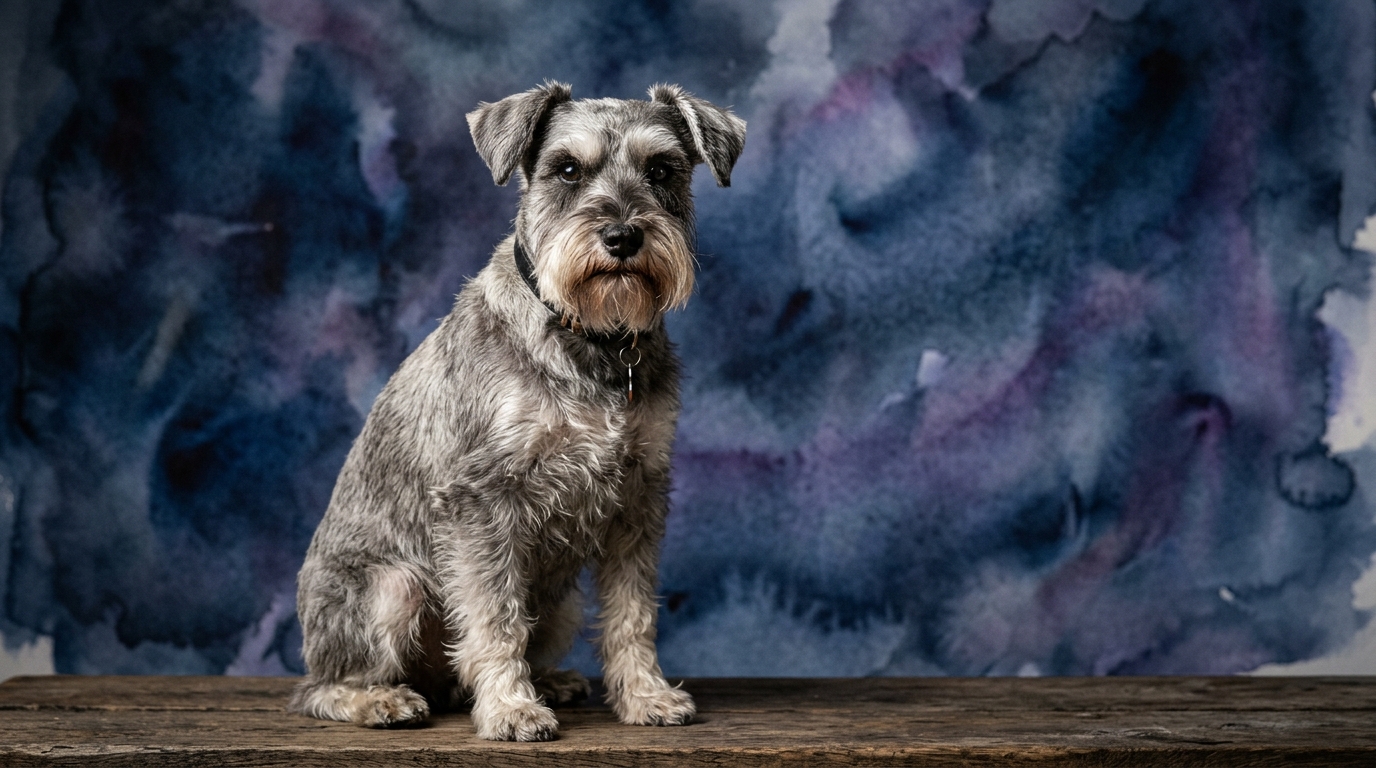
**Miniature Schnauzer:** These dogs consistently demonstrate a strong capacity for independently navigating novel situations and devising solutions, often through keen observation or strategic trial and error (Problem Solving 4/5). Exceptional quickness in grasping new commands and routines is a hallmark, often needing only a few repetitions to solidify a new behavior (Training Speed 5/5). Miniature Schnauzers are adept at interpreting human cues, understanding social dynamics, and responding appropriately to varying emotional states, fostering deep bonds and perceptive companionship (Social Intelligence 4/5). Their terrier heritage manifests as a robust, focused drive for exploration, chasing, and engaging with their surroundings, characterized by determined, self-assured intensity (Instinctive Drive 4/5). They possess a lasting and reliable recall for learned commands, established routines, and the whereabouts of favored objects or people, retaining information over considerable timeframes (Memory 4/5).
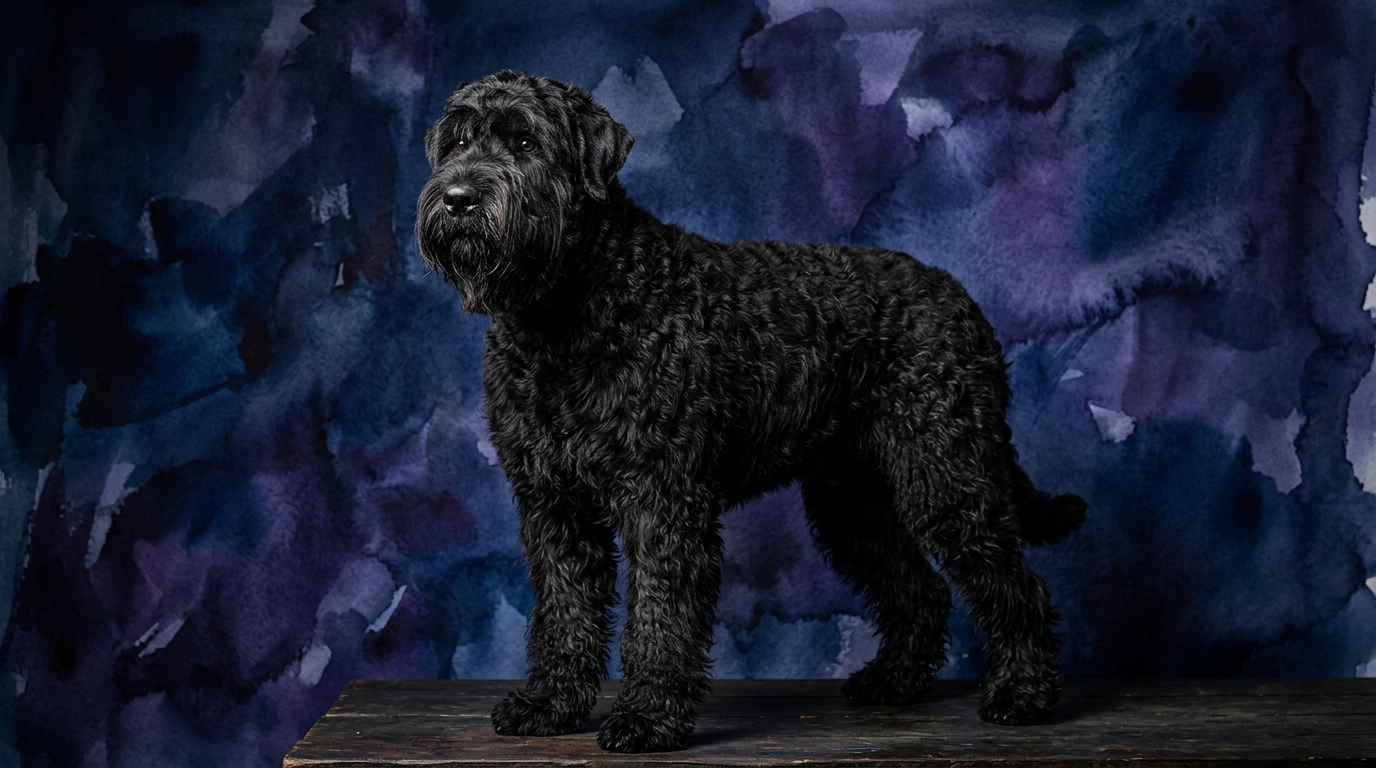
**Black Russian Terrier:** Black Russian Terriers typically approach challenges methodically, preferring established methods or guidance over spontaneous innovation (Problem Solving 3/5). They excel at understanding and executing complex, multi-step tasks once clearly demonstrated. While capable learners, they require consistent, clear instruction and more repetitions to integrate new commands fully (Training Speed 3/5); their learning style prioritizes thoroughness and purpose over immediate, flashy responses. Their social understanding is discerning and reserved; they form deep bonds with family but may be cautiously aloof with strangers, processing social cues thoughtfully and prioritizing familiarity (Social Intelligence 3/5). Their inherent drive is powerfully channeled towards protection, guardianship, and companionship, manifesting as a steady, purposeful commitment to their family and perceived duties (Instinctive Drive 3/5). They possess a reliable memory for established routines, significant people, and learned commands, ensuring consistency in their behavior and responses within their familiar environment, particularly for crucial information related to their role (Memory 3/5).
Where Miniature Schnauzer Wins Cognitively
The Miniature Schnauzer's cognitive profile highlights a mentally agile companion, excelling where quick uptake and adaptability are key. Their 4/5 Problem Solving means they often approach new puzzles or environmental changes with a keen, investigative mind, quickly figuring out solutions without extensive human intervention. This mental nimbleness, combined with their 5/5 Training Speed, allows them to master complex sequences of commands and tricks with remarkable efficiency, often seeming to anticipate expectations after just a few repetitions. Their strong Social Intelligence (4/5) enables them to pick up on subtle human emotional cues, making them highly responsive to their owners' moods and intentions, and capable of adjusting their behavior accordingly. Furthermore, a 4/5 Memory ensures they retain a vast library of learned behaviors and household rules, making their ongoing education a cumulative and rewarding experience. This combination makes them particularly adept at navigating dynamic home environments and participating in diverse activities like agility or obedience trials where rapid learning and recall are paramount.
Where Black Russian Terrier Wins Cognitively
While the Black Russian Terrier's scores are generally lower, their cognitive strengths are aligned with their historical role as a guardian, emphasizing reliability and purpose over sheer speed. Their 3/5 Problem Solving often translates into a deliberate, thoughtful approach to challenges; they may not solve puzzles with alacrity, but their solutions are typically robust and consistent once established. This methodical nature is coupled with an Instinctive Drive (3/5) singularly focused on protection and loyalty, giving them a profound sense of purpose and unwavering commitment to their family. Their Social Intelligence (3/5) is deeply perceptive within their established social circle, enabling them to discern genuine threats and form intensely loyal bonds. They excel at understanding and adhering to routines, making them dependable partners. Their 3/5 Memory, though not photographic for every detail, is exceptionally reliable for critical information like family members, boundaries, and learned protective behaviors, ensuring consistency in their guardian role. Their cognitive advantages are rooted in steadfastness, sustained focus on important tasks, and unwavering loyalty.
Which is Easier to Train and Why
When considering ease of training, the Miniature Schnauzer generally presents a more straightforward path for most owners. Their exceptional 5/5 Training Speed means they absorb new commands and behaviors rapidly, often eager to please and quick to offer desired actions. This, combined with their 4/5 Problem Solving ability, allows them to generalize learned behaviors to new contexts with relative ease, making training sessions efficient and enjoyable. They respond well to positive reinforcement and can progress quickly to more advanced tasks. In contrast, the Black Russian Terrier, with a 3/5 Training Speed, requires a more patient, consistent, and structured approach. They are certainly capable of learning, but they need clear, unambiguous commands and more repetitions to solidify new information. Their 3/5 Social Intelligence means they might not be as attuned to subtle human body language or vocal inflections, necessitating more explicit communication. Furthermore, their 3/5 Instinctive Drive, while powerful for their purpose, means training must often appeal to their sense of duty or provide a clear, logical reason for the action, rather than relying solely on playful engagement. Owners of a Black Russian Terrier will find success through unwavering consistency, early socialization, and making training a regular, purposeful part of their dog's routine, rather than expecting instant results.
Which Suits Active Owners vs Relaxed Owners
The choice between these two breeds also hinges significantly on an owner's lifestyle and activity level. The Miniature Schnauzer, with its robust 4/5 Instinctive Drive and 4/5 Social Intelligence, is often an adaptable companion. They thrive with active owners who enjoy engaging them in various activities, from daily walks and structured play to dog sports like agility or earthdog trials, which satisfy their natural terrier instincts. However, their strong social intelligence also allows them to adapt to more relaxed home environments, provided their mental and physical needs are met through consistent, albeit perhaps less intense, interaction. They appreciate being included in family activities and can settle well indoors after their exercise requirements are fulfilled. The Black Russian Terrier, on the other hand, is best suited for active owners who are prepared to provide not just physical activity, but also consistent mental stimulation and a clear sense of purpose. Their 3/5 Instinctive Drive, while not overtly 'high-energy' in a scattered sense, demands an outlet for their guardian instincts and a structured routine. They benefit from owners who can provide consistent training, long walks, and perhaps even protection sports or advanced obedience, which channel their thoughtful problem-solving and focused drive. A 'relaxed' owner who cannot provide this steady guidance and purposeful engagement might find a Black Russian Terrier challenging, as their intelligence and drive require consistent direction to prevent boredom or the development of unwanted behaviors.
The Verdict
The Miniature Schnauzer is an excellent choice for owners seeking a responsive, quick-witted companion who thrives on varied mental challenges and social interaction, adapting well to diverse family dynamics.
The Black Russian Terrier is ideal for experienced, committed owners who can provide consistent leadership, purposeful training, and a structured environment for a steadfast, discerning guardian.
🧠 Find Your Pet's IQ Score
Our Pet IQ Lab assessment covers 25+ tests across 5 cognitive dimensions — personalized to your breed.
Take the Full IQ Test →Frequently Asked Questions
Are Miniature Schnauzers good family dogs?
Yes, Miniature Schnauzers, with their 4/5 Social Intelligence and adaptable nature, typically form strong bonds with family members and can be wonderful companions. They enjoy being involved in household activities and are generally good with children when properly socialized.
Do Black Russian Terriers require a lot of exercise?
Black Russian Terriers require consistent physical and mental exercise to channel their 3/5 Instinctive Drive and maintain their well-being. This includes daily structured walks, training sessions, and opportunities for purposeful activity, rather than just casual backyard play.
Which breed is better for a first-time dog owner?
Given its 5/5 Training Speed and high adaptability, the Miniature Schnauzer is generally more forgiving and a better fit for a first-time dog owner willing to provide consistent engagement. The Black Russian Terrier's specific needs for experienced handling and structured training make it more suitable for owners with previous large breed or working dog experience.