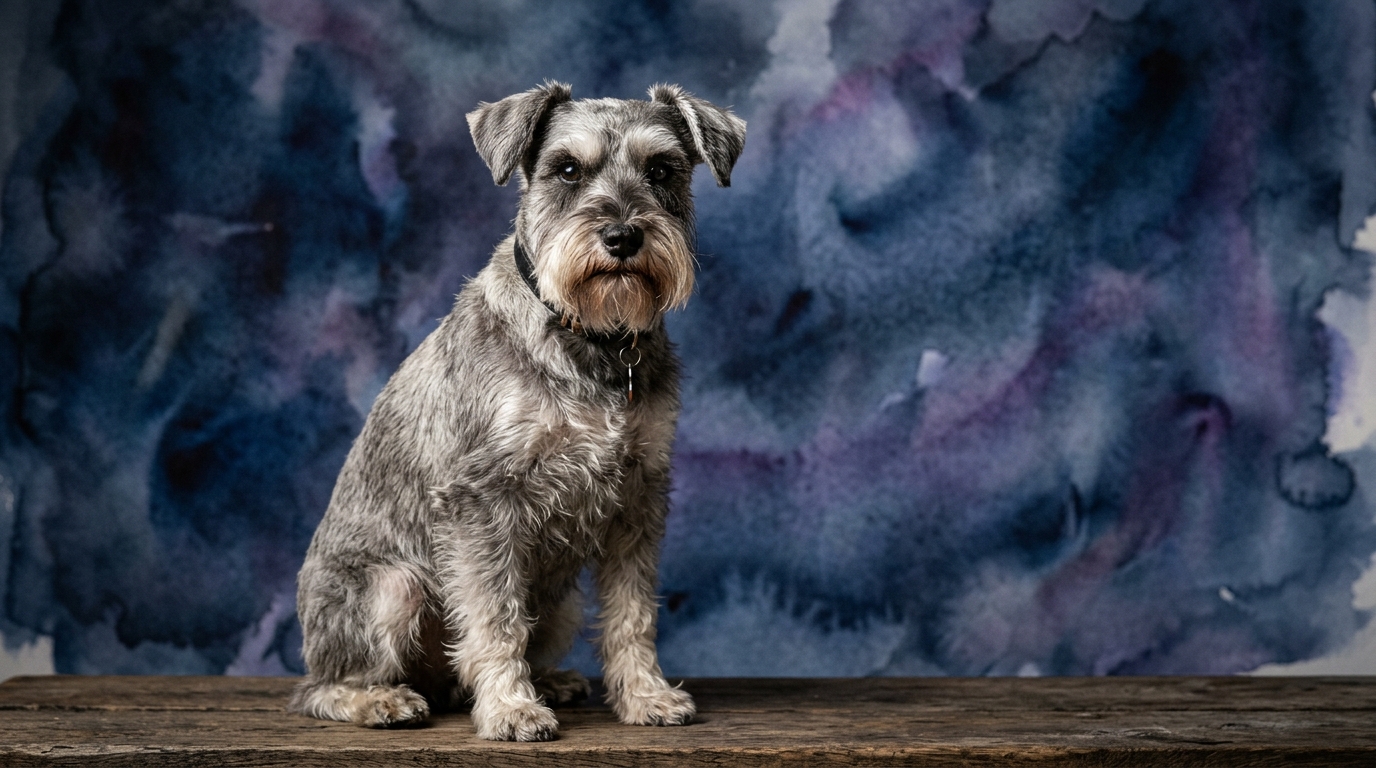
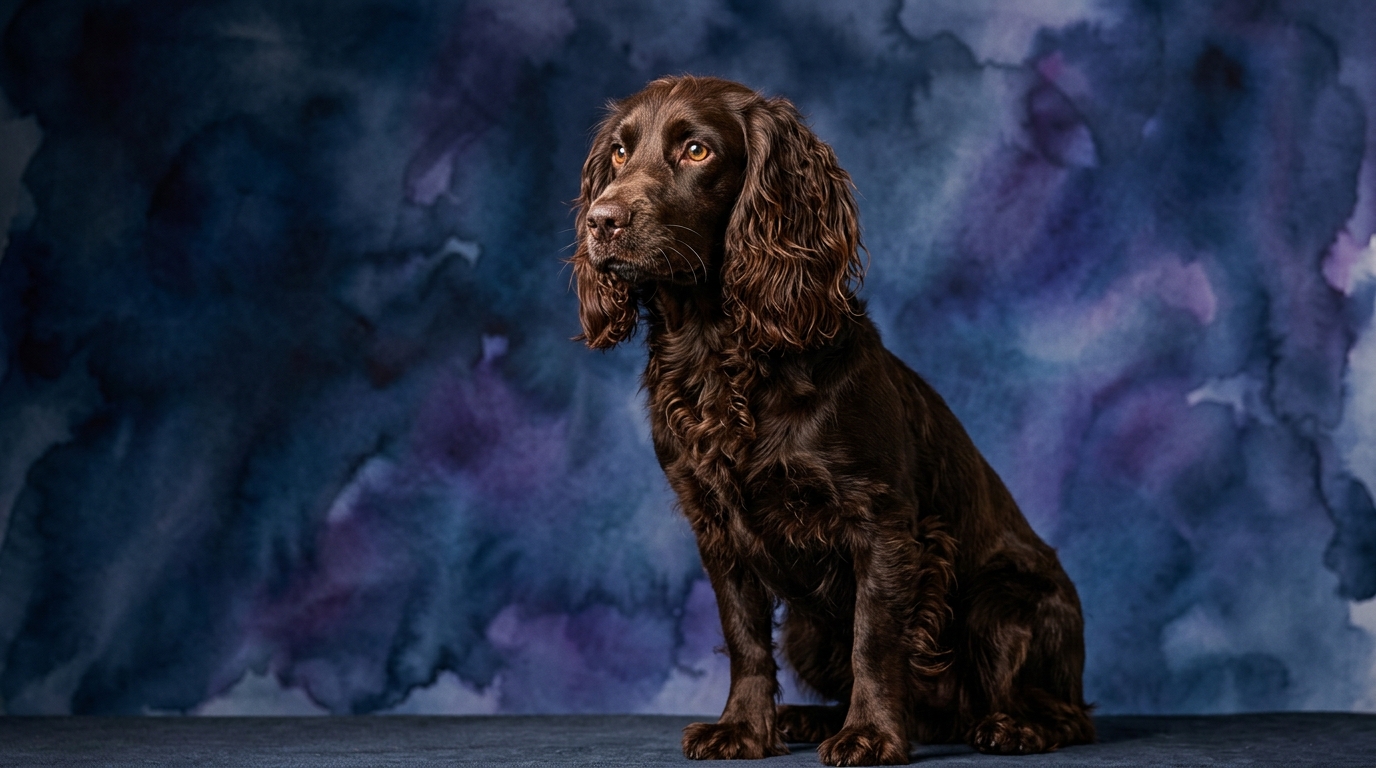
Side-by-Side IQ Profile
**Miniature Schnauzer (Terrier, Coren rank #12):**
**Problem Solving (4/5):** These dogs exhibit a notable capacity for figuring out complex situations. They often approach novel challenges with curiosity and will methodically work through puzzles, whether it's opening a tricky treat dispenser or navigating a new environment to achieve a goal. Their terrier heritage imbues them with a persistent, independent streak that fuels their investigative efforts.
**Training Speed (5/5):** The Miniature Schnauzer is a standout in its ability to grasp new commands and routines with remarkable swiftness. Their eagerness to engage with their human companions, coupled with their sharp memory and focus, means they often require fewer repetitions to master a new skill, making them highly receptive to advanced obedience and trick training.
**Social Intelligence (4/5):** Schnauzers are adept at interpreting human cues, including subtle body language and vocal intonations. This allows them to form strong bonds and often predict their owner's intentions, contributing to their reputation as responsive and attuned companions. They can adjust their behavior based on social feedback, demonstrating a nuanced understanding of their environment.
**Instinctive Drive (4/5):** Their terrier roots manifest in a strong prey drive and a vigilant nature. This isn't just about chasing; it's about a focused, persistent pursuit of a goal, whether it's “catching” a” toy or alerting their household to perceived intrusions. This drive, while sometimes requiring redirection, provides a powerful engine for engagement and task completion.
**Memory (4/5):** Miniature Schnauzers possess a robust memory, retaining learned commands, routines, and even specific sequences of events over extended periods. This contributes significantly to their high trainability and their ability to recall complex tricks or navigation paths, making them reliable in consistent environments.
**Boykin Spaniel (Sporting, Not Coren-ranked):**
**Problem Solving (3/5):** Boykin Spaniels typically approach problems with a more pragmatic, task-oriented mindset. While capable of solving challenges, they might rely more on established patterns or persistent trial-and-error rather than abstract reasoning. Their problem-solving is often rooted in their primary function, such as finding game or retrieving, rather than deciphering complex, non-instinctual puzzles.
**Training Speed (3/5):** These spaniels are trainable and willing, but they generally require more consistent repetition and patience compared to the quick-witted Schnauzer. Their learning curve is steady, rather than rapid, meaning owners should anticipate a more gradual process to solidify commands, especially those not directly related to their natural sporting instincts.
**Social Intelligence (3/5):** Boykins are affectionate and bond deeply with their families, demonstrating a clear understanding of social hierarchy and affection. While perhaps less nuanced in interpreting complex human emotions than some breeds, they are responsive to direct commands and positive reinforcement, thriving on clear communication and consistent interaction.
**Instinctive Drive (3/5):** The Boykin Spaniel's instinctive drive is primarily geared towards their sporting heritage – retrieving, flushing, and swimming. This drive is powerful and focused when engaged in activities aligned with their breed purpose, but it might not translate into the same independent investigative persistence seen in terriers. Their drive is more about cooperative partnership in a task.
**Memory (3/5):** Boykin Spaniels have a functional memory, retaining commands and routines with consistent reinforcement. They can recall learned behaviors and familiar environments. However, they may not process and store abstract information or complex, multi-step sequences with the same ease or speed as breeds with higher memory scores, necessitating continued practice to maintain proficiency.
Where Miniature Schnauzer Wins Cognitively
The Miniature Schnauzer clearly edges out the Boykin Spaniel in several cognitive domains, particularly in areas demanding independent thought and rapid acquisition of new information. Their 4/5 problem-solving score signifies a dog that actively engages with novel challenges, often devising solutions rather than waiting for direction. This manifests in their ability to quickly learn how to manipulate latches, open containers, or navigate obstacle courses with minimal guidance. Their 5/5 training speed is a testament to their exceptional capacity for processing and internalizing new commands, making them prime candidates for advanced obedience, agility, and even complex trick training. This speed isn't just about learning "sit" quickly; it's about chaining commands, understanding subtle cues, and adapting to new rules of engagement on the fly. Furthermore, their 4/5 social intelligence means they are often more perceptive of human emotional states and intentions, allowing for a more nuanced and responsive interaction, anticipating needs or reacting appropriately to mood shifts. This combination of quick learning, proactive problem-solving, and social attunement positions the Schnauzer as a cognitively agile companion, eager to engage with the world on an intellectual level.
Where Boykin Spaniel Wins Cognitively
While the Boykin Spaniel's scores are generally lower, their cognitive strengths are deeply rooted in their purpose as a sporting dog, manifesting as a different kind of intelligence rather than a deficit. Their 3/5 instinctive drive, while not as broadly investigative as a terrier's, is highly focused and unwavering when directed towards tasks aligned with their heritage. This means exceptional endurance, focus, and determination in retrieving game, swimming, or tracking scents. Their memory, also a 3/5, is particularly robust for spatial awareness in the field, remembering specific locations of retrieves or navigation patterns through dense cover. This isn't about recalling abstract sequences but about practical, ingrained knowledge crucial for their job. Their problem-solving, rated 3/5, often involves persistent, methodical approaches to overcome physical obstacles in the pursuit of their task, such as finding a way through thick brush to retrieve a downed bird, rather than solving a puzzle box. This persistence, combined with their cooperative nature, makes them exceptionally reliable partners in specific working environments. They excel where dedication to a primary objective and physical endurance are key, demonstrating a focused, resilient cognitive profile that serves their sporting role admirably.
Which is Easier to Train and Why
Without a doubt, the Miniature Schnauzer is generally easier to train due to its exceptional 5/5 training speed. This breed possesses a remarkable ability to quickly associate commands with actions and consequences. Their keen memory (4/5) ensures that once a concept is learned, it is retained effectively, minimizing the need for constant re-teaching. Schnauzers often display a strong desire to please and engage in interactive learning, which, combined with their independent problem-solving (4/5), means they're not just executing commands but often understanding the underlying intent. They thrive on mental stimulation and respond enthusiastically to positive reinforcement, making training sessions efficient and rewarding.
In contrast, the Boykin Spaniel, with a 3/5 training speed and memory, requires a more patient and consistent approach. While certainly trainable and eager to work alongside their human, they need more repetition to solidify new behaviors. Their training benefits immensely from being tied to their natural instincts, such as retrieving. For instance, teaching a Boykin "stay" might take more sessions and consistent practice than with a Schnauzer, but once they understand it, especially in a context like waiting for a retrieve, their inherent drive can reinforce the behavior. Owners of Boykins often find success by making training fun, utilizing positive reinforcement, and understanding that progress might be slower but is ultimately achievable through dedication. Behavioral differences include the Schnauzer's quick uptake and sometimes independent interpretation of commands, while the Boykin often benefits from clear, consistent, and task-oriented instruction that taps into their sporting drive.
Which Suits Active Owners vs Relaxed Owners
Both breeds benefit from active engagement, but their ideal activity types diverge based on their cognitive and physical predispositions. The **Miniature Schnauzer**, with its high mental agility (4/5 problem-solving, 5/5 training speed) and moderate instinctive drive (4/5), suits owners who enjoy interactive, mentally stimulating activities. This includes advanced obedience, agility courses, trick training, puzzle toys, and regular walks that offer varied sensory experiences. They thrive with owners who are keen to teach and engage their dog's mind, providing consistent mental challenges alongside physical exercise. While they enjoy outdoor adventures, their cognitive needs often extend beyond just physical exertion, making them excellent companions for owners who appreciate a dog that can learn and perform complex tasks.
The **Boykin Spaniel**, while also requiring regular exercise, particularly excels with owners whose active lifestyle involves outdoor pursuits that leverage their sporting instincts. Their 3/5 instinctive drive is powerful when channeled into activities like hunting, retrieving in water or field, long hikes, and swimming. These dogs are built for endurance and focused work, making them ideal for owners who enjoy spending significant time in nature and are willing to engage in activities that mimic their ancestral purpose. While they can adapt to family life, a Boykin will truly flourish with an owner who can provide an outlet for their retrieving drive and physical stamina, whether through organized dog sports or simply regular, vigorous outdoor play. For more relaxed owners, both breeds might pose challenges if their mental and physical needs aren't met, but the Boykin's intense, focused drive for specific tasks might be harder for a truly relaxed owner to consistently channel. The Schnauzer, while needing mental work, can often find satisfaction in structured home-based games.
The Verdict
For individuals seeking a highly trainable, quick-witted companion eager for mental challenges and capable of rapid learning, the Miniature Schnauzer is an excellent choice. Choose the Miniature Schnauzer if you enjoy teaching complex commands, participating in dog sports like agility or obedience, and appreciate a dog that is socially perceptive and can adapt quickly to varied routines.
If your lifestyle involves consistent outdoor adventures, particularly those related to retrieving, swimming, or field work, and you are prepared to provide patient, consistent training to harness a focused, resilient drive, the Boykin Spaniel will be a devoted and capable partner.
🧠 Find Your Pet's IQ Score
Our Pet IQ Lab assessment covers 25+ tests across 5 cognitive dimensions — personalized to your breed.
Take the Full IQ Test →Frequently Asked Questions
Can a Boykin Spaniel be trained for advanced obedience like a Miniature Schnauzer?
While a Boykin Spaniel can certainly learn advanced obedience, their 3/5 training speed means it will generally require more patience, repetition, and consistency compared to a Miniature Schnauzer's 5/5. Success with a Boykin often comes from making training engaging and leveraging their natural drive.
Do Miniature Schnauzers require more mental stimulation than Boykin Spaniels?
Miniature Schnauzers, with their 4/5 problem-solving and 5/5 training speed, thrive on consistent mental challenges like puzzle toys, trick training, and varied routines. Boykin Spaniels also need stimulation, but theirs is often more focused on physical tasks that engage their 3/5 instinctive drive, such as retrieving or scent work.
Which breed is better for a first-time dog owner concerning intelligence and training?
For a first-time owner prioritizing ease of training and quick learning, the Miniature Schnauzer's 5/5 training speed and high social intelligence might offer a smoother experience. The Boykin Spaniel, while amiable, requires a more dedicated and consistent training approach due to its 3/5 training speed, which might be more challenging for a novice.