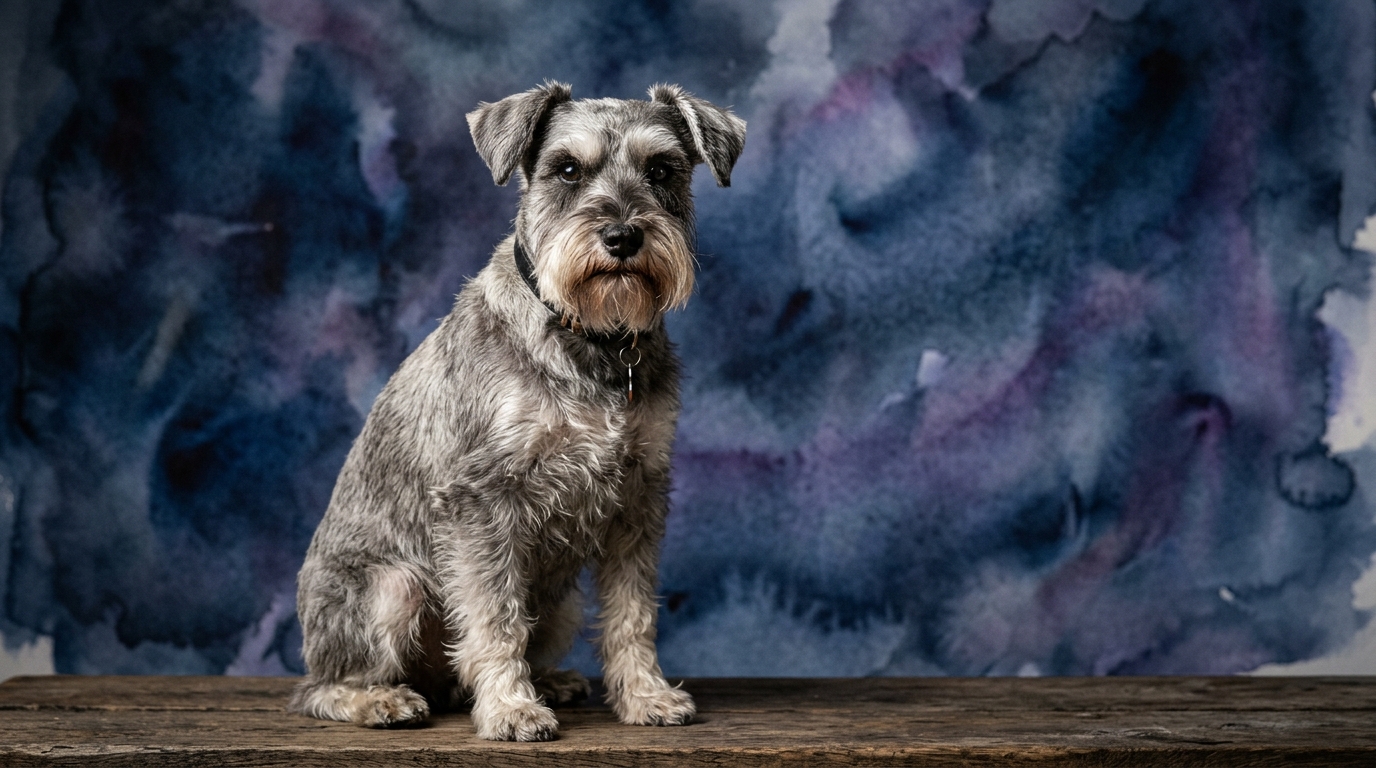
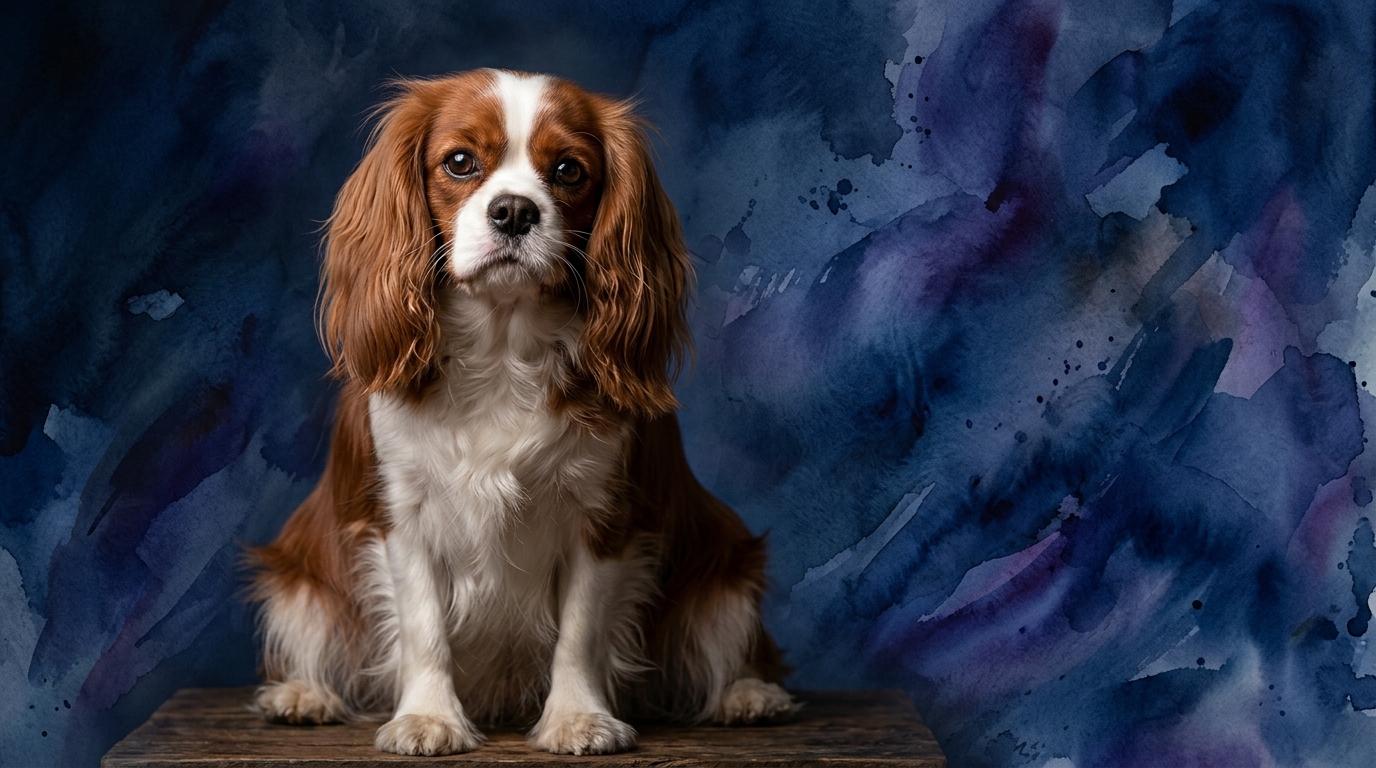
Side-by-Side IQ Profile: Miniature Schnauzer vs. Cavalier King Charles Spaniel
The Cosmic Pet Pet IQ Lab employs a comprehensive framework to assess canine cognition, moving beyond simple obedience ranks to illuminate a breed's full mental tapestry. For the Miniature Schnauzer, classified under Coren rank #12, their cognitive profile reflects their terrier heritage and purpose. Their Problem Solving is rated 4/5, indicating a strong capacity for independent thought and figuring out practical challenges. Training Speed is exceptionally high at 5/5, suggesting they grasp new commands and routines with remarkable quickness. Social Intelligence stands at 4/5, showing they are adept at reading human cues but retain a degree of self-reliance. Their Instinctive Drive is also 4/5, characterized by a persistent prey drive and a vigilant nature. Finally, their Memory is rated 4/5, allowing them to retain learned behaviors and environmental details effectively.
In contrast, the Cavalier King Charles Spaniel, holding Coren rank #44, presents a profile geared towards companionship and emotional connection. Their Problem Solving is 3/5, meaning they can navigate routine challenges but may not seek out complex puzzles with the same fervor as a Schnauzer. Training Speed is 3/5, indicating a moderate pace of learning, often motivated by positive interaction rather than task mastery alone. Where the Cavalier truly shines is in Social Intelligence, scoring a perfect 5/5; they possess an unparalleled ability to understand and respond to human emotions and intentions. Their Instinctive Drive is 3/5, reflecting a gentle disposition with less emphasis on hunting or guarding behaviors. Memory is also 3/5, sufficient for remembering routines and beloved people, though perhaps less for intricate sequences of commands.
Where the Miniature Schnauzer Excels Cognitively
The Miniature Schnauzer's cognitive strengths are deeply rooted in their history as versatile farm dogs, tasked with vermin control and guarding. Their exceptional Training Speed (5/5) means they typically pick up new commands and multi-step routines with impressive alacrity, often requiring fewer repetitions than many other breeds. This rapid acquisition of knowledge makes them highly responsive to structured training environments and competitive canine sports, where precision and speed of learning are paramount. They don't just learn; they internalize and apply, demonstrating a keenness to perform.
Furthermore, their Problem Solving ability (4/5) is a direct asset in practical situations. A Miniature Schnauzer often displays ingenuity in navigating obstacles, whether it's figuring out how to open a cabinet latch or devising a strategy to retrieve a toy from a tight space. This isn't brute force; it's a calculated assessment of their environment and a persistent drive to achieve their goal. Their strong Instinctive Drive (4/5) further fuels this, providing the motivation to pursue and overcome challenges, making them effective at scent work or tasks requiring sustained focus and determination.
Where the Cavalier King Charles Spaniel Excels Cognitively
The Cavalier King Charles Spaniel's cognitive brilliance lies in their profound capacity for emotional understanding and connection, evidenced by their perfect 5/5 Social Intelligence score. They possess an almost uncanny ability to read human moods, empathize with their owners, and adjust their behavior accordingly. This isn't just knowing when you're happy; it's sensing subtle shifts in tone, body language, and energy, and responding with comforting affection or gentle play. Their primary cognitive function appears to be fostering deep, reciprocal bonds, making them exceptional emotional support animals.
While their Problem Solving and Training Speed scores are moderate, the Cavalier's high social intelligence means they are often highly motivated to cooperate and please their human companions. They learn through connection and positive reinforcement, thriving in environments where their efforts are met with warmth and encouragement. Their memory (3/5) is perfectly suited for remembering the people they love, the routines that bring comfort, and the positive interactions that define their world, reinforcing their role as devoted family members.
Ease of Training: Behavioral Differences Unpacked
When considering ease of training, the Miniature Schnauzer generally presents as a faster study due to their 5/5 Training Speed and 4/5 Memory. They typically absorb commands quickly and retain them well, often eager to engage in structured learning sessions. However, their 4/5 Instinctive Drive, coupled with a terrier's characteristic independent streak, means they require consistent, firm, and engaging training to channel their energy and focus. If training isn't stimulating or consistent, they might decide their own agenda is more interesting, potentially leading to behaviors like persistent barking or digging. Success with a Schnauzer often hinges on making training a mentally stimulating game, leveraging their problem-solving acumen.
The Cavalier King Charles Spaniel, with a 3/5 Training Speed and 3/5 Memory, might take a bit longer to master new commands, but their exceptional 5/5 Social Intelligence makes them incredibly willing pupils. They are motivated by the desire for connection and positive interaction with their owner, rather than an inherent drive to perform complex tasks. This means they are generally less prone to stubbornness than a Schnauzer, responding beautifully to gentle, reward-based methods. Their primary challenge in training might be a tendency to be easily distracted by their environment or the desire for affection, requiring patience and a positive, encouraging atmosphere to maintain focus.
Matching Canine Cognition to Lifestyle: Active vs. Relaxed Owners
Owners with an active lifestyle who seek a canine partner for various endeavors will likely find a strong match in the Miniature Schnauzer. Their 4/5 Problem Solving and 4/5 Instinctive Drive mean they thrive on mental stimulation and physical activity. They excel in activities like agility, obedience trials, earthdog events, or even just long, engaging walks with plenty of opportunities to explore and investigate. A Miniature Schnauzer left without sufficient mental and physical outlets may become bored and channel their energy into less desirable behaviors, like excessive barking or finding their own 'projects' around the house. They are partners in adventure, requiring an owner who can consistently provide structure and engagement.
For relaxed owners prioritizing companionship and emotional comfort, the Cavalier King Charles Spaniel is an ideal choice. Their paramount 5/5 Social Intelligence means their greatest need is close interaction and affection from their human family. While they enjoy moderate walks and playtime, their primary contentment comes from being near their people, whether curled up on the couch or gently playing in the yard. They are adaptable to apartment living and less demanding in terms of high-intensity exercise, thriving in a home environment that values quiet companionship and consistent emotional connection. Their gentle nature and sensitivity make them wonderful lap dogs and attentive family members.
The Verdict
Choose the Miniature Schnauzer if you desire a quick-witted, agile companion eager for mental challenges and structured activities, thriving with an owner who provides consistent engagement and purpose.
Opt for the Cavalier King Charles Spaniel if your priority is a deeply affectionate, emotionally sensitive companion who excels at forming strong bonds and thrives in a home environment filled with gentle interaction and close proximity.
🧠 Find Your Pet's IQ Score
Our Pet IQ Lab assessment covers 25+ tests across 5 cognitive dimensions — personalized to your breed.
Take the Full IQ Test →Frequently Asked Questions
Do Miniature Schnauzers require a lot of mental stimulation?
Yes, Miniature Schnauzers, with their 4/5 problem-solving and instinctive drive, absolutely thrive on mental stimulation. They need consistent training, puzzle toys, and engaging activities to prevent boredom and channel their sharp minds constructively. Without it, they may invent their own 'work,' which might not always align with your preferences.
Are Cavalier King Charles Spaniels difficult to train due to their lower Coren rank?
Not necessarily difficult, but their training style differs. While their Coren rank and training speed (3/5) suggest a moderate learning pace, their exceptional social intelligence (5/5) means they are highly motivated by positive reinforcement and a desire to please their owners. Patience and gentle, reward-based methods are key, making them willing and cooperative learners.
Which breed is better with children?
Both breeds can be good with children, but in different ways. The Cavalier's high social intelligence and gentle nature often make them naturally patient and understanding companions for children, especially if raised together. Miniature Schnauzers can be playful and loyal, but their terrier energy and independent streak mean they might require more supervision with very young children to ensure interactions remain positive and respectful on both sides.