Unpacking Their Cognitive Profiles: A Side-by-Side Look
The Coren ranking system offers a broad strokes view of a breed's working and obedience intelligence, placing the Miniature Schnauzer remarkably high at #12, while the Dachshund holds a respectable but more independent position at #49. This numerical difference hints at fundamental cognitive divergences, but a deeper dive into their specific IQ dimensions provides a more nuanced understanding of their individual brilliance.
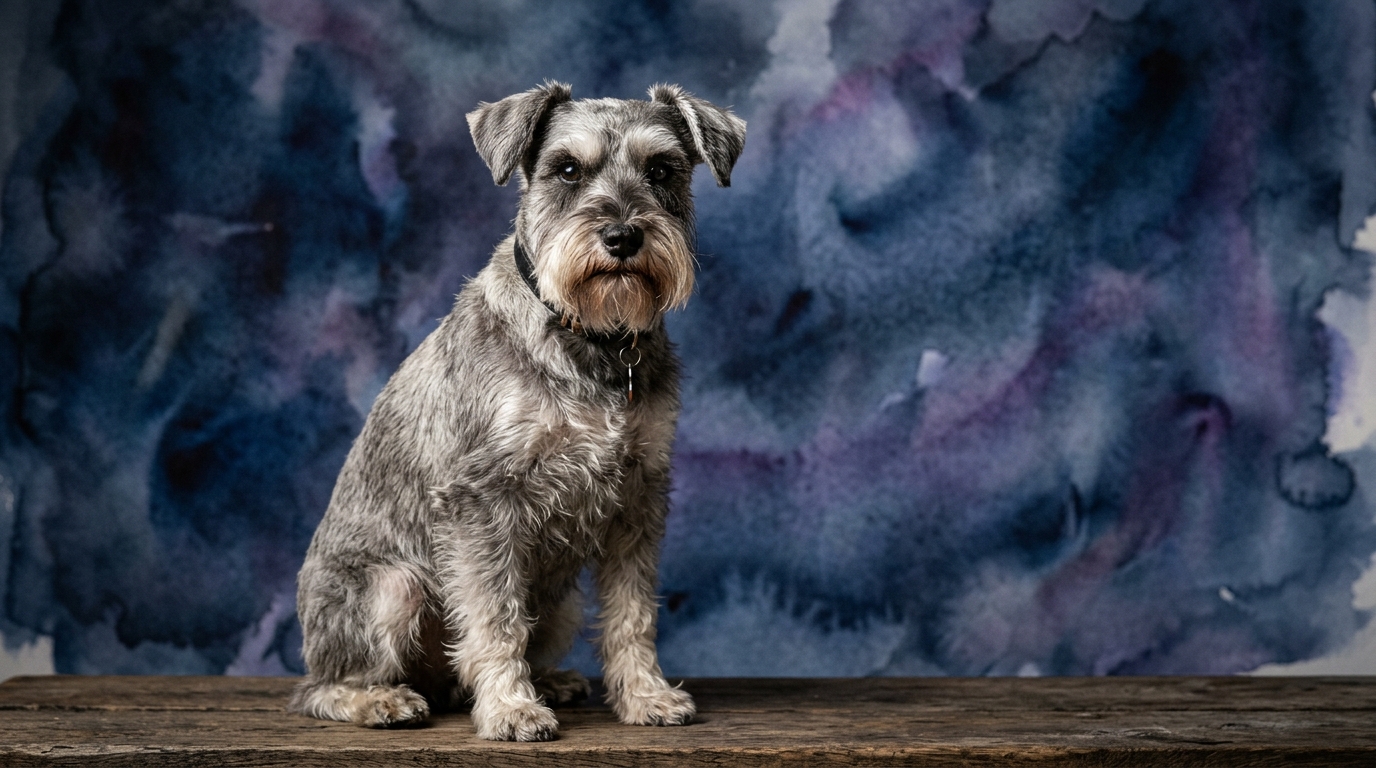
The Miniature Schnauzer, a Terrier by classification, presents a balanced and robust cognitive profile. With a Problem Solving score of 4/5, they demonstrate a keen ability to navigate novel situations and figure out solutions. Their Training Speed of 5/5 highlights a remarkable eagerness and capacity to quickly grasp and execute commands. Social Intelligence, also rated at 4/5, reflects their strong attunement to human cues and social dynamics, fostering deep cooperative bonds. An Instinctive Drive of 4/5 speaks to their terrier heritage of alertness and a moderate prey drive, while their Memory of 4/5 ensures they retain learned behaviors and recognize familiar patterns consistently.
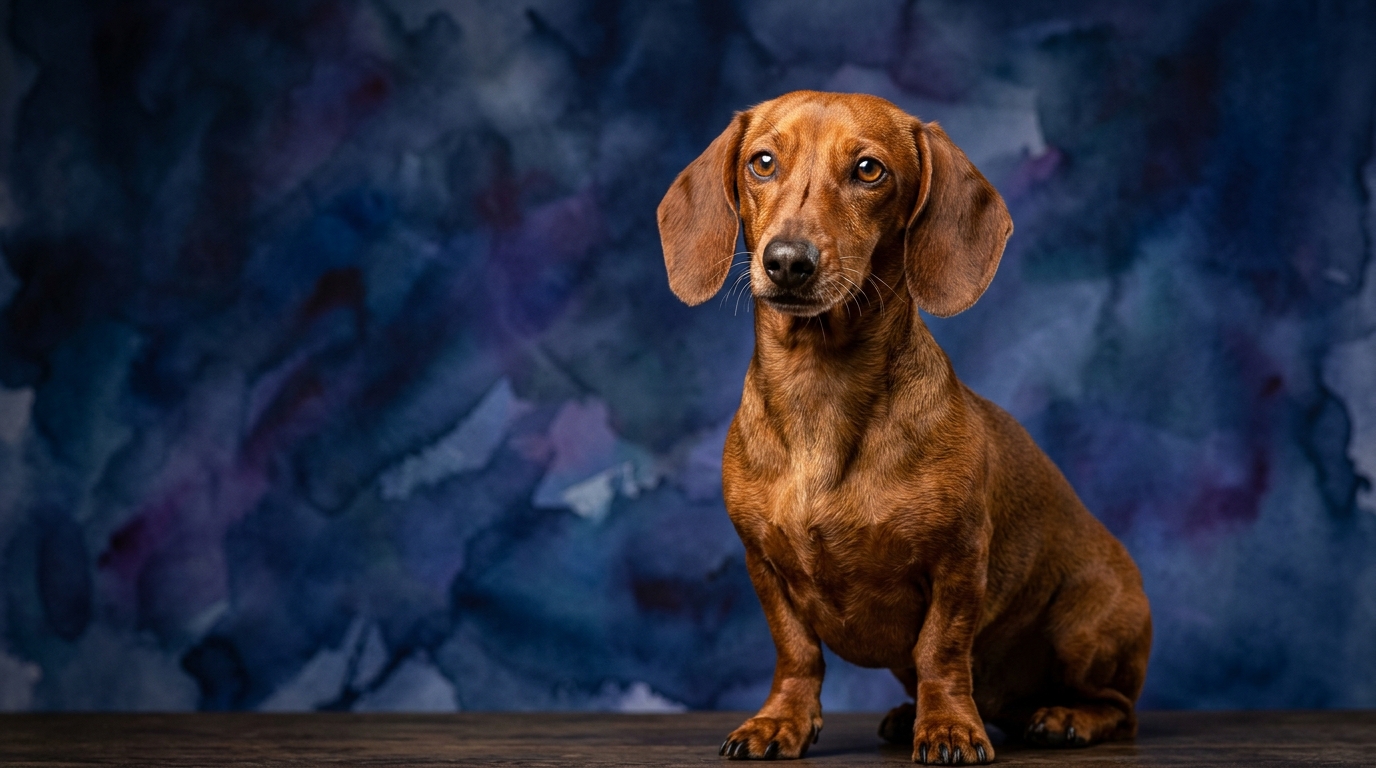
In contrast, the Dachshund, a Hound breed, showcases a cognitive makeup deeply rooted in its original purpose. Its Problem Solving ability is also 4/5, but this often manifests as tenacious resourcefulness in pursuit of its own goals. A Training Speed of 2/5 indicates a more independent and sometimes challenging approach to formal obedience. Social Intelligence at 3/5 suggests they bond fiercely with their inner circle but can be more reserved or less overtly responsive to general human social expectations. Their Instinctive Drive, a powerful 5/5, is the hallmark of the breed, emphasizing an unwavering focus on scent and burrowing. Finally, a Memory score of 3/5 implies they remember what serves their drives and interests, perhaps less so for arbitrary human commands if not consistently reinforced and made relevant.
Where the Miniature Schnauzer Shines Cognitively
The Miniature Schnauzer truly excels in areas requiring cooperative engagement and rapid learning. Their impressive Training Speed of 5/5 means they are quick studies, absorbing new commands and routines with an admirable efficiency. This isn't merely about rote memorization; it's intricately linked to their Social Intelligence (4/5), which allows them to keenly interpret human intentions and desires, making them eager partners in learning. Owners often find these dogs not just performing tasks, but actively seeking to understand and please, which accelerates the training process significantly for complex sequences or new tricks.
Furthermore, their Problem Solving score of 4/5, combined with their consistent Memory (4/5), allows Miniature Schnauzers to adapt swiftly to changing environments or unexpected challenges. They are adept at figuring out how to open a gate, navigate a new obstacle course, or even solve a complex puzzle toy. This adaptability, coupled with their strong social connection, makes them excellent candidates for advanced obedience, agility, and even therapy work, where understanding and responding to varied social cues is paramount.
The Dachshund's Unique Cognitive Strengths
The Dachshund's cognitive prowess lies in its unwavering Instinctive Drive (5/5), a force that shapes much of its problem-solving and memory. This drive isn't just a characteristic; it's a powerful motivator that makes them incredibly tenacious and focused when pursuing a scent or an objective relevant to their innate hunting instincts. Their Problem Solving score of 4/5, while matching the Schnauzer, often manifests differently; it's a resourceful cleverness applied to achieving their own independent goals, such as finding a hidden treat or tunneling under a barrier, rather than always seeking human direction.
This profound instinctive drive, coupled with their specific problem-solving approach, means Dachshunds are masters of persistence. They might not be the quickest to learn a 'stay' command, but they are exceptionally good at figuring out how to get to something they want, demonstrating remarkable ingenuity in overcoming obstacles. Their memory (3/5) also serves this drive, allowing them to recall locations of interesting smells or past successful strategies for reaching forbidden areas, showcasing a practical, self-serving intelligence that is both charming and challenging for owners.
Training Dynamics: Schnauzer's Receptiveness vs. Dachshund's Resolve
When it comes to training, the disparity in Training Speed (Miniature Schnauzer 5/5 vs. Dachshund 2/5) is perhaps the most significant differentiator. The Miniature Schnauzer's high score reflects its inherent desire for engagement and its ability to quickly associate commands with actions and rewards. Their strong social intelligence means they are often motivated by praise and the opportunity to work alongside their human companions, making positive reinforcement a highly effective and rewarding training tool. They tend to pick up new behaviors rapidly and retain them consistently due to their solid memory.
The Dachshund, on the other hand, presents a more complex training landscape due to its lower training speed and formidable instinctive drive (5/5). They are not unintelligent, but their intelligence is often directed by their strong will and independent nature. Training a Dachshund requires immense patience, creativity, and consistency, as they may question the necessity of a command or prioritize an interesting scent over compliance. Owners must learn to make training fun and highly rewarding, often leveraging their problem-solving skills and innate drives in the process, as simply demanding obedience can be met with their characteristic resolve.
Lifestyle Match: Active Engagement vs. Independent Exploration
For active owners seeking a canine partner eager for cooperative activities, the Miniature Schnauzer is an excellent fit. Their balanced instinctive drive (4/5), combined with high training speed and social intelligence, means they thrive on mental stimulation through activities like dog sports, complex puzzle toys, and consistent training sessions. They are often keen participants in family outings, enjoying hikes, walks, and any activity that involves interaction and learning. Their desire to be involved and their adaptability make them well-suited for a dynamic household that provides consistent engagement.
Conversely, the Dachshund appeals to owners who appreciate a dog with a strong, independent spirit and are content with a companion whose activities are often self-directed. While they require regular exercise, their cognitive makeup suggests they are less about constant human-directed activity and more about exploring their environment on their own terms, especially through scent-tracking. They are often content with exploring a yard, taking shorter, focused walks, and then settling in for a cozy cuddle. Owners must respect their deeply rooted drives and provide outlets for natural behaviors like digging or scent work, rather than expecting constant, high-energy, human-centric play.
The Cosmic Pet Pet IQ Lab's Verdict
The Verdict
Opt for a Miniature Schnauzer if you seek a highly trainable, socially perceptive companion eager to engage in cooperative activities and learn new skills readily. Their balanced cognitive profile makes them adaptable partners for various lifestyles, valuing interaction and mental challenges.
Choose a Dachshund if you appreciate a tenacious, independent spirit driven by innate instincts, and are prepared for a training journey that respects their strong will. They are ideal for owners who enjoy observing a dog's inherent resourcefulness and value a loyal, albeit less overtly compliant, companion.
🧠 Find Your Pet's IQ Score
Our Pet IQ Lab assessment covers 25+ tests across 5 cognitive dimensions — personalized to your breed.
Take the Full IQ Test →Frequently Asked Questions
Are Miniature Schnauzers good at dog sports?
Yes, their high training speed (5/5), problem-solving ability (4/5), and social intelligence (4/5) make them excellent candidates for agility, obedience, and rally. They enjoy the mental and physical challenge and thrive on working with their owners, often excelling rapidly.
Why is the Dachshund's training speed so much lower?
The Dachshund's strong instinctive drive (5/5) and independent problem-solving (4/5) often mean they prioritize their own goals, like scent tracking, over human commands. Their lower social intelligence (3/5) means they might be less motivated by human approval alone, requiring more creative and consistent training methods that appeal to their natural drives.
Do both breeds require mental stimulation?
Absolutely, though the type differs significantly. Miniature Schnauzers benefit from puzzle toys and training sessions that challenge their quick minds and desire to cooperate, while Dachshunds thrive on scent games and opportunities to 'hunt' safely, engaging their powerful instinctive drive and tenacity.