A Side-by-Side Look at Cognitive Profiles
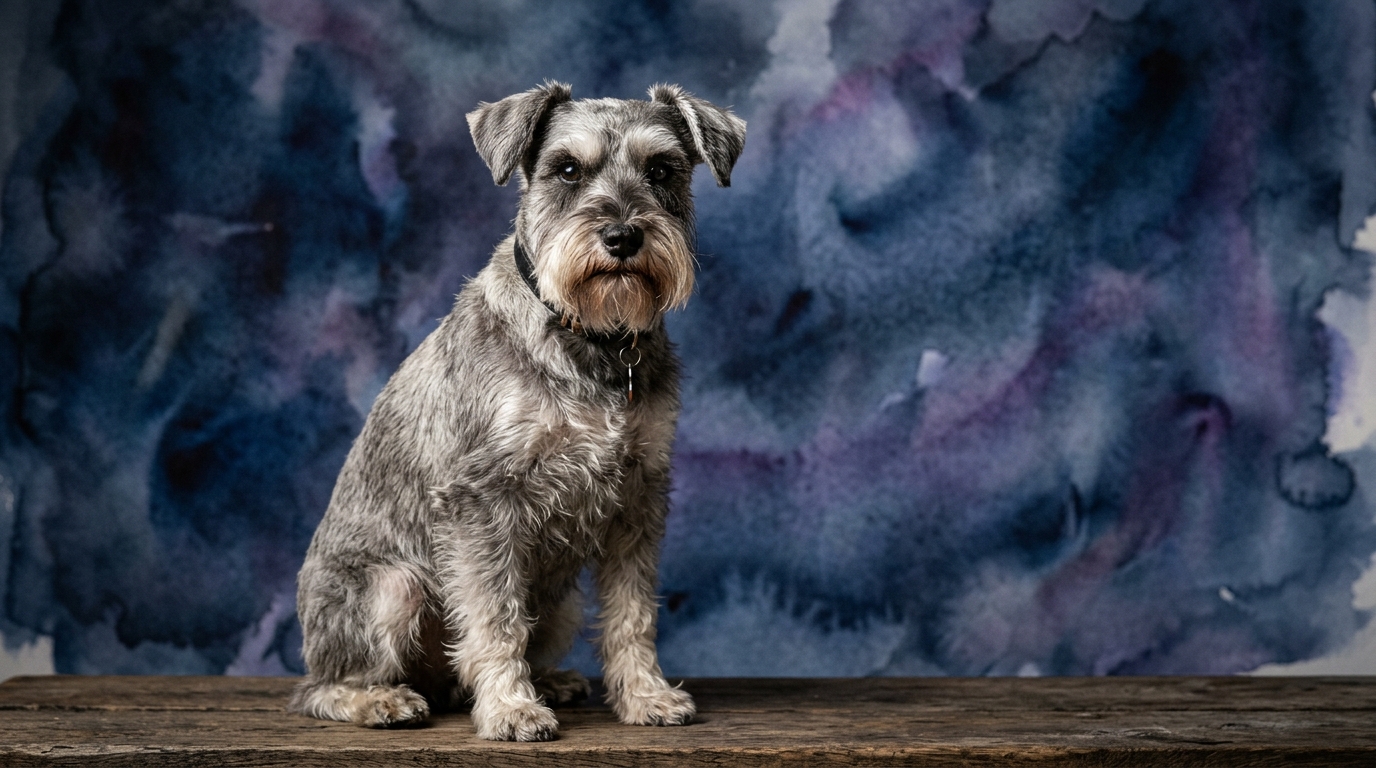
The Cosmic Pet Pet IQ Lab employs five core dimensions to assess canine intelligence, providing a nuanced understanding beyond simple obedience. For the Miniature Schnauzer, our lab's assessment reveals a formidable cognitive profile: a Problem Solving score of 4/5, an exceptional Training Speed of 5/5, Social Intelligence at 4/5, Instinctive Drive at 4/5, and Memory also at 4/5. This breed's high Coren rank of #12 further underscores its capacity for rapidly understanding and executing commands, reflecting a general readiness to engage with human direction and structured tasks. Their cognitive makeup suggests a dog that is not only quick to grasp new concepts but also retains them effectively, making them highly adaptable and responsive companions.
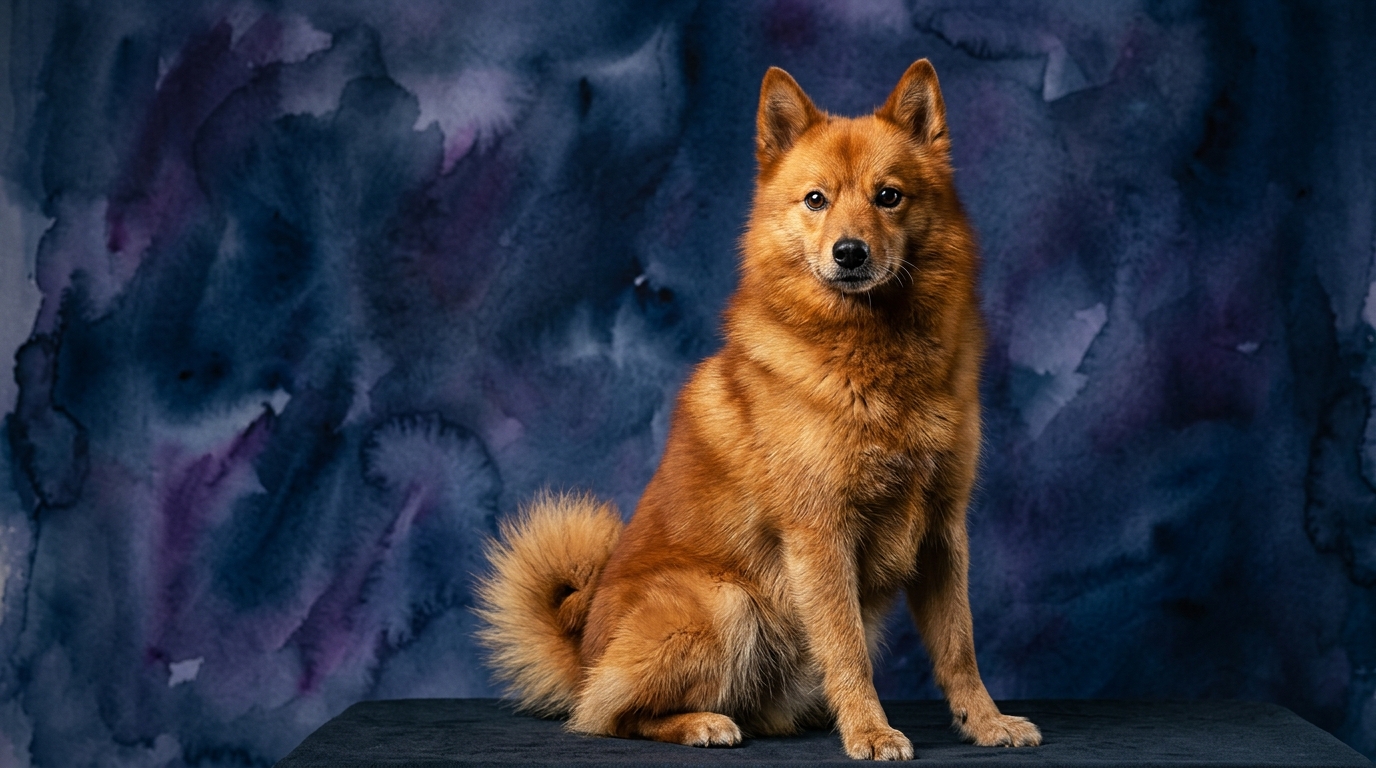
In contrast, the Finnish Spitz presents a different, yet equally valid, cognitive blueprint. Our lab's scores for this distinctive breed are consistently at 3/5 across all dimensions: Problem Solving 3/5, Training Speed 3/5, Social Intelligence 3/5, Instinctive Drive 3/5, and Memory 3/5. The Finnish Spitz is not Coren-ranked, which often indicates a breed whose primary historical role might not have demanded the same level of immediate obedience or complex task learning as breeds developed for close human partnership. These scores suggest a dog that is capable and thoughtful, but perhaps requires more time, repetition, and specific motivation to learn and apply new information, exhibiting a more independent approach to engagement.
Where the Miniature Schnauzer Excels Cognitively
The Miniature Schnauzer’s cognitive strengths are evident across the board, particularly in their rapid acquisition of new behaviors and their adeptness at navigating complex scenarios. With a Training Speed of 5/5, they absorb commands and routines with remarkable efficiency, often requiring fewer repetitions than many other breeds to achieve mastery. This high score translates into a dog that is eager to learn and quick to please, making them highly receptive to advanced training, trick learning, and canine sports.
Their Problem Solving at 4/5 means Miniature Schnauzers are not easily stumped by novel challenges; they can often figure out how to manipulate objects, open gates, or strategize to reach a desired item. This cognitive flexibility, combined with a 4/5 Social Intelligence, allows them to read human cues well and adapt their behavior in various social contexts, whether interacting with family, strangers, or other animals. Their 4/5 Memory ensures that lessons learned are not easily forgotten, building a strong foundation for consistent behavior and reliable recall, even after periods of inactivity. The Schnauzer's innate terrier drive (4/5) further fuels their engagement, providing a persistent motivation to pursue tasks and explore their environment.
Distinct Cognitive Strengths of the Finnish Spitz
While the Finnish Spitz scores consistently at 3/5 in our cognitive dimensions, these scores reflect a specific type of intelligence honed by their historical role, rather than a general deficit. Their 3/5 Instinctive Drive is a powerful, focused aptitude for their traditional work as a 'barking bird dog.' This drive manifests as a deep-seated desire to hunt and vocalize, using their unique yodel to alert hunters to game. For owners seeking a dog whose cognitive functions are geared towards this specific, ancient task, the Finnish Spitz's drive is a profound strength, reflecting a specialized, rather than generalized, form of working intelligence.
The Finnish Spitz's 3/5 Social Intelligence and 3/5 Training Speed, while lower than the Schnauzer's, are indicative of a more independent and self-reliant nature. This can be a significant cognitive 'win' for owners who appreciate a companion that is not overly dependent on constant human interaction or approval. Their moderate scores suggest a dog that processes information deliberately and acts with a degree of autonomy, making them excellent choices for individuals who value a dog with a distinct personality and who are prepared to engage with a more thoughtful, less immediately compliant learner. Their problem-solving at 3/5 means they are capable of figuring things out, but perhaps on their own timeline and in their own unique way, rather than always seeking human collaboration.
Training Dynamics: Schnauzer's Eagerness vs. Spitz's Deliberation
When it comes to trainability, the contrast between these two breeds is quite pronounced, directly reflecting their IQ scores. The Miniature Schnauzer, with its 5/5 Training Speed and 4/5 Problem Solving, is typically a joy to train. They possess a keen desire to engage and understand, often picking up new commands after just a few repetitions. Their social intelligence (4/5) means they are generally attuned to human expectations and eager to cooperate, making positive reinforcement highly effective. This breed thrives on mental stimulation through training, often excelling in obedience, agility, and rally sports because of their quick grasp and retention.
The Finnish Spitz, on the other hand, requires a different approach to training, stemming from its 3/5 scores across the board. Their moderate Training Speed means that while they are certainly capable of learning, they often need more patience, consistency, and creative motivation. Their social intelligence at 3/5 suggests they are less inclined to automatically defer to human direction; they possess a more independent streak and may question the 'why' behind a command. Training a Finnish Spitz often becomes a partnership where the owner must earn the dog's cooperation through engaging methods, rather than relying on an inherent eagerness to please. Their instinctive drive (3/5) for vocalization and hunting can also present a specific training challenge, requiring dedicated effort to manage their natural inclinations in a domestic setting.
Matching Breeds to Lifestyles: Active vs. Relaxed Owners
Understanding the cognitive profiles of the Miniature Schnauzer and Finnish Spitz helps discern which breed aligns better with various owner lifestyles. The Miniature Schnauzer, with its high problem-solving, training speed, and social intelligence, is an excellent fit for active owners who enjoy structured activities. They thrive on mental and physical engagement, such as daily walks, playtime, puzzle toys, and participation in dog sports like agility, obedience, or earthdog trials. Their desire to be involved and their quick learning make them adaptable companions for owners who appreciate a dog that can keep pace with a busy, interactive schedule and enjoys being a central part of family activities. They benefit from consistent interaction and can become bored or mischievous if not adequately stimulated.
The Finnish Spitz, with its more independent cognitive makeup, appeals to owners who appreciate a companion with a distinctive character and a strong connection to its natural instincts. While they are energetic and require regular exercise, their engagement often leans towards more self-directed activities like exploring, scent tracking, or simply enjoying outdoor spaces. They might suit active owners who enjoy hiking, long walks in varied terrain, or even hunting, but who don't necessarily seek a dog for intense, structured obedience competitions. For a 'relaxed' owner, the Finnish Spitz might appear lower maintenance in terms of constant social interaction, as their 3/5 social intelligence means they are content with a degree of independence. However, their physical exercise needs and their strong vocal tendencies mean they are far from a sedentary choice, requiring an owner prepared to manage their natural drives and provide ample outdoor opportunities.
The Verdict
Choose the Miniature Schnauzer if you desire a highly trainable, socially astute companion eager for structured activities and quick to learn, thriving on constant interaction and mental challenges. Their exceptional training speed and problem-solving make them ideal for owners seeking a responsive, engaged partner.
Opt for the Finnish Spitz if you appreciate an independent, unique companion with a strong connection to its natural instincts, and are prepared for a more deliberate training journey. They are best for owners who value a dog's self-reliance and are equipped to manage their vocal nature and physical exercise needs in varied outdoor environments.
🧠 Find Your Pet's IQ Score
Our Pet IQ Lab assessment covers 25+ tests across 5 cognitive dimensions — personalized to your breed.
Take the Full IQ Test →Frequently Asked Questions
Is the Miniature Schnauzer truly smarter than the Finnish Spitz?
Based on The Cosmic Pet Pet IQ Lab's metrics, the Miniature Schnauzer scores higher across all five cognitive dimensions, indicating a quicker learning ability, better problem-solving, and more pronounced social engagement. However, 'smarter' is nuanced; the Finnish Spitz possesses a specialized intelligence crucial for its traditional role, which might not be captured by general obedience-focused metrics.
Do Finnish Spitz dogs bark a lot due to their intelligence?
The Finnish Spitz's strong vocalization, including extensive barking and yodeling, is directly linked to its instinctive drive (3/5) as a traditional 'barking bird dog.' This isn't necessarily a measure of general intelligence but rather a highly developed, specialized cognitive and behavioral trait essential for its historical hunting purpose, requiring specific management in a home environment.
Can a Finnish Spitz be trained for complex tasks like a Miniature Schnauzer?
While a Finnish Spitz can certainly learn complex tasks, their 3/5 Training Speed and Problem Solving scores suggest it will require more time, patience, and consistent, engaging methods compared to a Miniature Schnauzer. Their independent nature means they may require more motivation and a less direct approach to training, but they are capable of learning with dedicated effort.