Side-by-Side Cognitive Profiles
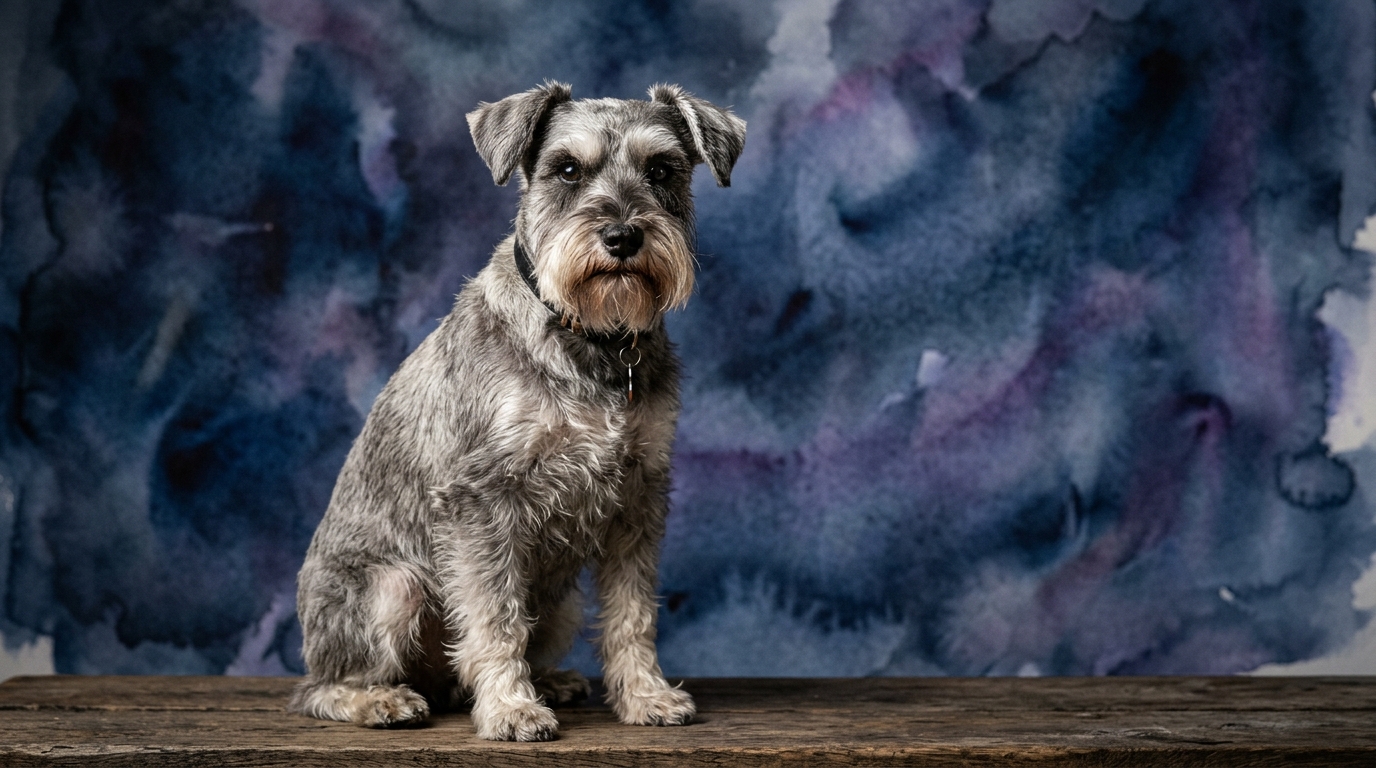
The Miniature Schnauzer, ranking #12 in Coren's intelligence scale, presents a well-rounded cognitive profile. Their Problem Solving ability is rated 4/5, indicating an adeptness at navigating novel situations and often devising clever solutions to everyday challenges, from opening cabinets to figuring out puzzle toys. With a Training Speed of 5/5, they absorb new commands and routines with remarkable efficiency, often grasping concepts in just a few repetitions. Their Social Intelligence scores 4/5, signifying a keen awareness of human cues, emotions, and family dynamics, making them highly responsive companions. An Instinctive Drive of 4/5 reflects their terrier heritage, manifesting as a determined pursuit of small prey or a vigilant guarding instinct, which can be channeled into focused activities. Finally, their Memory is strong at 4/5, allowing them to retain learned behaviors and experiences over extended periods, ensuring training remains durable.
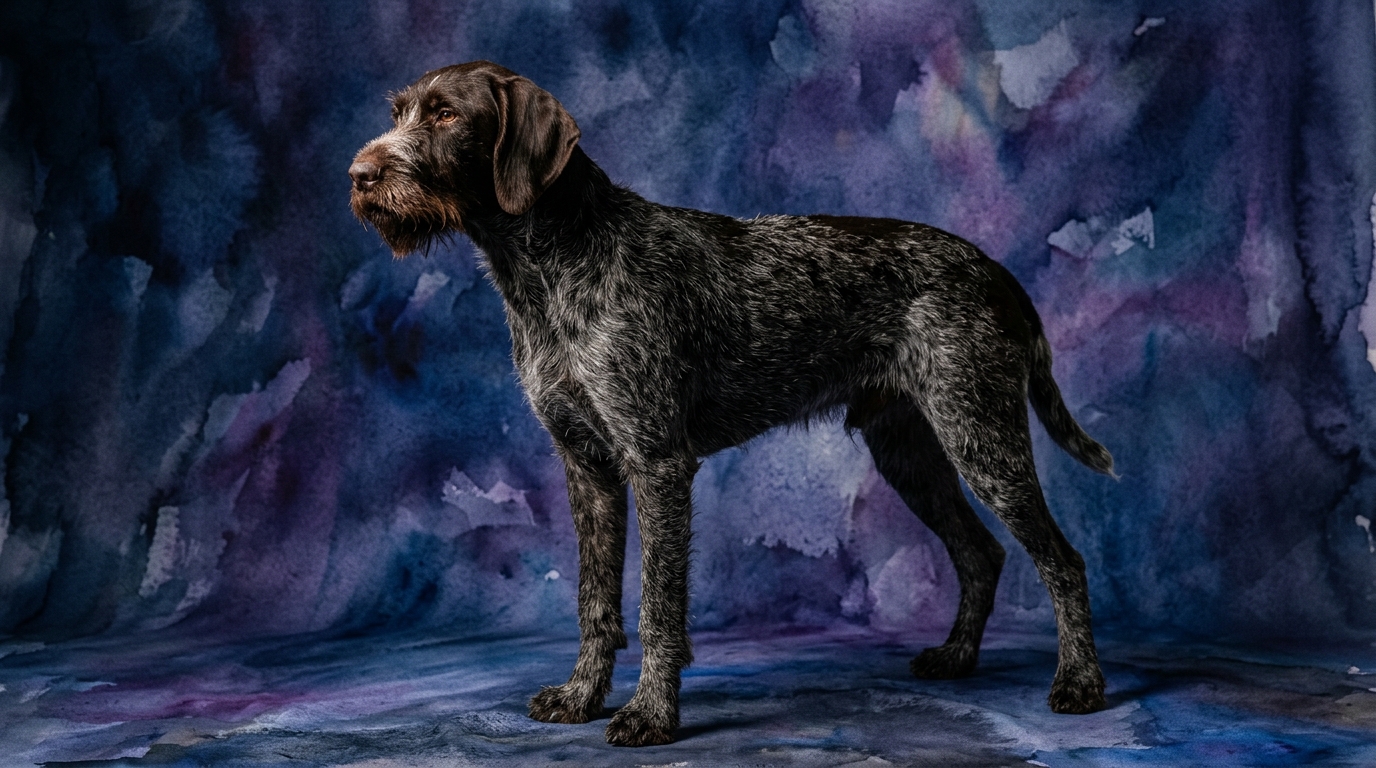
The German Wirehaired Pointer, with a Coren rank of #28, showcases a cognitive design tailored for practical, outdoor work. Their Problem Solving is also 4/5, but it typically manifests in field scenarios, such as strategizing to retrieve game or navigating complex terrain during a hunt. Their Training Speed is 4/5; while responsive to consistent instruction, they might require more repetitions than a Schnauzer to fully ingrain a new command, often processing information with a more deliberate pace. Social Intelligence for the GWP stands at 3/5, meaning they engage with humans and other animals, but their primary focus often remains on their environment or task rather than subtle social cues, sometimes appearing more independent. An Instinctive Drive of 3/5 reflects a strong desire to hunt and work, a cooperative drive that seeks partnership in its pursuits rather than the more independent drive of a terrier. Their Memory is a strong 4/5, particularly for scent trails, commands, and the recall of specific locations or past hunting scenarios, which is crucial for their working role.
Where the Miniature Schnauzer Excels Cognitively
The Miniature Schnauzer’s cognitive strengths truly shine in areas demanding quick uptake and social attunement. Their perfect 5/5 Training Speed means they master new commands with minimal repetition, making initial obedience training and the introduction of complex tricks a noticeably swifter process. This rapid learning curve translates into less frustration for both dog and owner, facilitating a broader repertoire of behaviors more quickly.
Furthermore, their superior 4/5 Social Intelligence gives them an edge in understanding the nuances of human interaction. Miniature Schnauzers are often more adept at reading their owners' moods, anticipating needs, and adapting their behavior to fit various social situations, from a quiet evening at home to a lively family gathering. This level of social awareness fosters a deeper, more intuitive bond and often results in a dog that integrates seamlessly into a diverse range of home environments, responding sensitively to changes in routine or emotional climate.
Where the German Wirehaired Pointer Excels Cognitively
The German Wirehaired Pointer’s cognitive advantages are best observed in their specialized application of problem-solving and their enduring, purposeful drive. While both breeds share a 4/5 rating for Problem Solving, the GWP’s intelligence is particularly geared towards practical, real-world outdoor challenges. They excel at navigating complex scent trails, strategizing how to flush or retrieve game, and making independent decisions in dynamic, expansive environments. This isn't just about following commands; it's about applying learned skills and innate abilities to achieve a goal in a fluid, often unpredictable, setting.
Their Instinctive Drive, rated 3/5, though numerically lower than the Schnauzer’s, is specifically honed for sustained, cooperative work. This drive manifests as an unwavering focus and endurance for tasks like tracking, retrieving, or accompanying owners on long hikes. Unlike the Schnauzer's sometimes impulsive terrier drive, the GWP's drive is often more patient and partnership-oriented, making them exceptional companions for activities requiring prolonged effort and collaboration. Their 4/5 Memory is also particularly robust for recalling complex routes, scent patterns, and environmental details critical for their field work, far beyond simple obedience cues.
Training Ease: Schnauzer vs. GWP
When it comes to ease of training, the Miniature Schnauzer generally presents a more straightforward experience due to their 5/5 Training Speed and high Social Intelligence. They are eager to please and quickly form associations between commands and actions, thriving on positive reinforcement and the mental engagement of learning. Their attentiveness to human cues means they often pick up on subtle signals, making them highly responsive and a joy to teach, whether it's basic obedience or more intricate tricks.
The German Wirehaired Pointer, with a 4/5 Training Speed, is certainly trainable but typically requires more patience and consistency. Their working dog independence means they might question commands or prioritize their powerful instincts, particularly scent-driven pursuits, over immediate compliance. Training a GWP often involves channeling their strong instinctive drive into productive activities, requiring an owner who understands their need for purpose and can provide clear, consistent guidance. While they will learn, the process may be more protracted and demand a more nuanced approach to motivation.
Suitability for Active vs. Relaxed Owners
For owners seeking an active, robust companion for outdoor adventures, the German Wirehaired Pointer is an excellent match. Their strong instinctive drive and physical endurance necessitate extensive daily exercise, including long runs, hikes, or field work. They thrive when given a 'job' to do, whether it's participating in dog sports, hunting, or complex scent games, making them ideal for individuals or families with a genuinely active lifestyle and a desire for a canine partner in their pursuits. Their mental and physical needs are substantial and must be consistently met.
The Miniature Schnauzer, while energetic and playful, is generally better suited for owners with a more relaxed yet still engaged lifestyle. Their exercise requirements are moderate and can be met with daily walks, playtime in a yard, and indoor mental stimulation. Their high social intelligence means they are content to be integral members of the family, thriving on companionship and interaction rather than constant, strenuous outdoor activity. They adapt well to apartment living, provided their physical and mental enrichment needs are consistently addressed, making them suitable for owners who appreciate a lively but adaptable companion.
The Verdict: When to Choose Each Breed
The Verdict
Choose the Miniature Schnauzer if you desire a quick-learning, socially attuned companion who thrives on family interaction and can adapt to a variety of living situations with moderate exercise needs. They are ideal for owners who appreciate a dog that is highly responsive to training and deeply integrated into daily life.
Opt for the German Wirehaired Pointer if you lead a very active, outdoor-oriented lifestyle and are seeking a tireless, purposeful partner for activities like hunting, extensive hiking, or dog sports. This breed suits owners committed to providing consistent, structured training and ample opportunities for their dog to fulfill its strong working instincts.
🧠 Find Your Pet's IQ Score
Our Pet IQ Lab assessment covers 25+ tests across 5 cognitive dimensions — personalized to your breed.
Take the Full IQ Test →Frequently Asked Questions
Are Miniature Schnauzers good with children?
Miniature Schnauzers, with their 4/5 social intelligence, often form strong bonds with children and can be excellent family pets. Early socialization and teaching children how to interact respectfully with dogs are crucial for a harmonious relationship.
Do German Wirehaired Pointers need a lot of grooming?
German Wirehaired Pointers have a dense, wiry coat that requires regular brushing to prevent matting and occasional hand-stripping to maintain its texture and protective qualities. Their grooming needs are moderate but consistent, especially if they spend a lot of time outdoors.
What kind of mental stimulation do these breeds need?
Miniature Schnauzers thrive on puzzle toys, learning new tricks, and obedience training to engage their problem-solving skills and high training speed. German Wirehaired Pointers benefit from scent work, retrieving games, and advanced obedience to satisfy their instinctive drive and practical problem-solving abilities.