Side-by-Side IQ Profile: Miniature vs. Giant Schnauzer
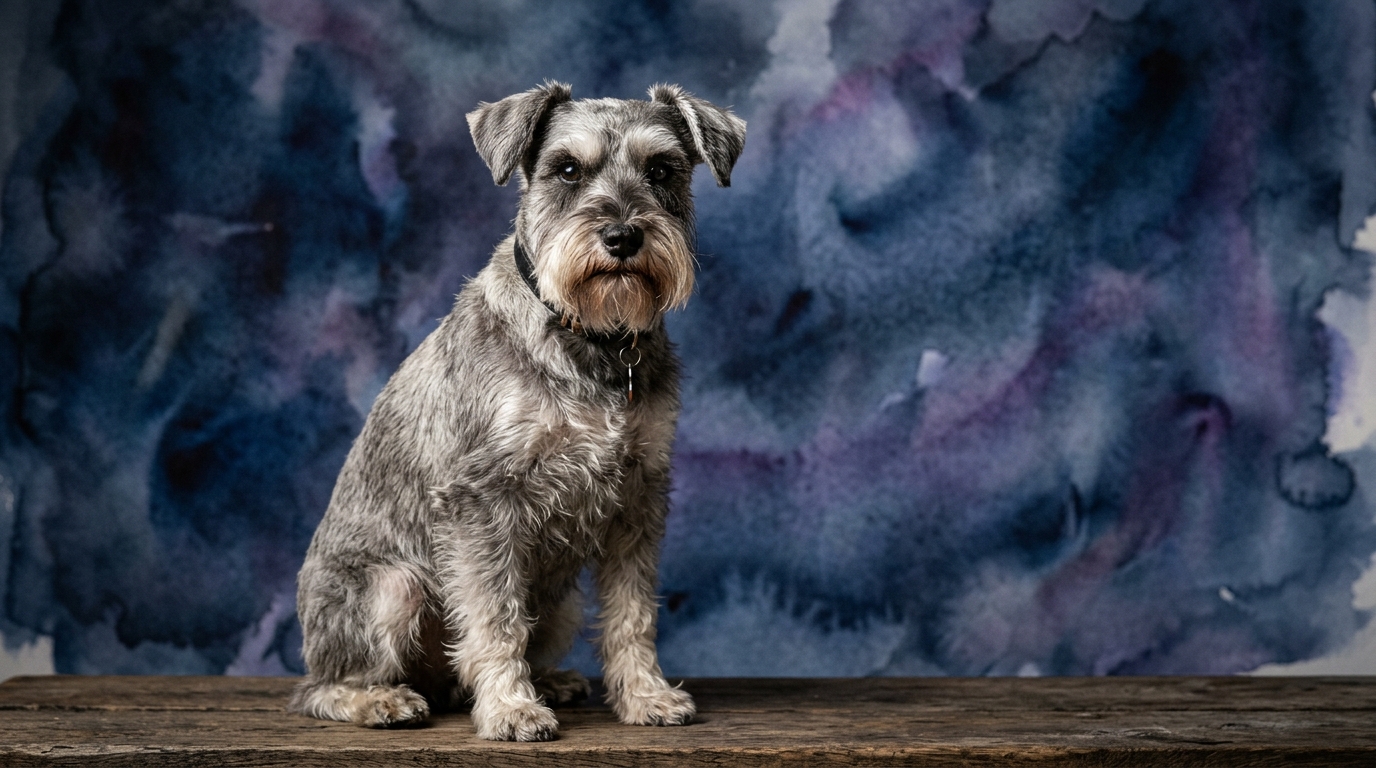
The Cosmic Pet Pet IQ Lab offers a unique lens through which to examine canine cognition, categorizing intelligence across five critical dimensions. For the Miniature Schnauzer, a member of the Terrier group, its Coren rank of #12 positions it among breeds demonstrating a high capacity for learning and obedience. Its cognitive breakdown includes Problem Solving at 4/5, indicating a strong ability to navigate environmental challenges and figure out solutions. Training Speed registers an exceptional 5/5, showcasing an eagerness and quickness in grasping new commands. Social Intelligence stands at 4/5, reflecting a keen awareness of human cues and group dynamics. Instinctive Drive is also 4/5, rooted in its terrier heritage with a propensity for alertness and engagement. Finally, its Memory is a solid 4/5, allowing for effective retention of learned behaviors and experiences.
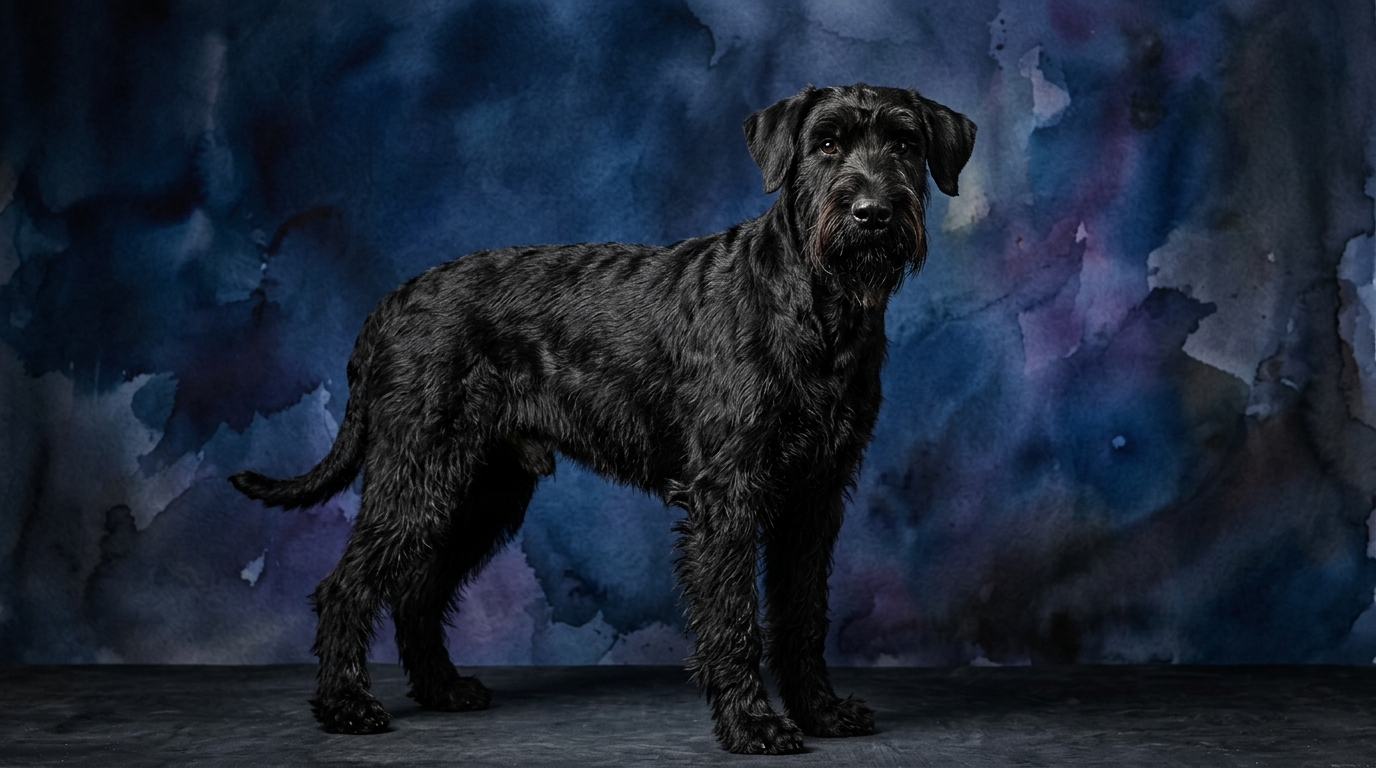
The Giant Schnauzer, hailing from the Working group, holds a Coren rank of #28, a respectable standing that speaks to its functional intelligence. Its cognitive profile shows Problem Solving at 4/5, matching its smaller cousin in its capacity for analytical thought and resolution. Training Speed is rated 4/5, suggesting a proficient learner, though perhaps requiring a touch more repetition or consistent motivation than the Miniature Schnauzer to embed new behaviors. Social Intelligence is 3/5, indicating a more reserved or focused approach to social interactions, often prioritizing its immediate task or family unit over broader social engagement. Instinctive Drive is 3/5, reflecting a working dog's purpose-driven nature, yet potentially less intense or universally applied than the terrier's innate drives. Memory, like the Miniature, is 4/5, demonstrating excellent recall crucial for its traditional roles.
Where the Miniature Schnauzer Excels Cognitively
The Miniature Schnauzer's cognitive strengths distinctly shine in two key areas: Training Speed and Social Intelligence. With a perfect 5/5 in Training Speed compared to the Giant's 4/5, the Miniature demonstrates an unparalleled readiness to absorb and execute new commands. This isn't merely about obedience; it signifies an agile mind that quickly connects actions with desired outcomes, making them remarkably responsive to diverse learning environments, from basic manners to complex trick training or dog sports. Their rapid acquisition of new skills can streamline the training process, allowing owners to progress through curricula more swiftly and introduce a broader range of activities.
Furthermore, the Miniature Schnauzer's 4/5 Social Intelligence, one point higher than the Giant's, provides a distinct advantage in nuanced human-animal interaction. This elevated social understanding means they are often more adept at interpreting subtle shifts in human mood, body language, and tone. They can adapt their behavior accordingly, fostering a more finely tuned communicative bond. This capacity for social attunement makes them particularly responsive companions in varied social settings, capable of adjusting their demeanor from playful to calm based on the immediate context and the cues they receive from their human family.
Where the Giant Schnauzer's Cognition Stands Out
While numerically matching in Problem Solving and Memory, and scoring slightly lower in other areas, the Giant Schnauzer's cognitive profile is uniquely suited for demanding working roles, manifesting its intelligence through different lenses. Its 4/5 Problem Solving, when combined with its physical robustness and working dog temperament, translates into a formidable capacity for complex, multi-stage tasks that require sustained focus and deliberate execution. This isn't the quick, opportunistic problem-solving of a terrier, but rather a methodical, persistent approach often seen in protection work, service dog roles, or advanced obedience, where the ability to maintain concentration over extended periods is paramount.
The Giant Schnauzer's 3/5 Social Intelligence, while lower, can paradoxically be an advantage in specific contexts. Their more reserved social nature means they are often less prone to distraction by external social stimuli, allowing for a deeper immersion in the task at hand. This focused dedication, coupled with their 4/5 Memory, enables them to master and retain intricate sequences of commands or procedures essential for specialized working dog functions. Their instinctive drive, at 3/5, is geared towards purpose and protection, channeling their cognitive strength into a steadfast, reliable performance, rather than a generalized eagerness to please. This makes them exceptional partners for owners who can provide clear direction and channel their mental energy into meaningful work.
Training Dynamics: Which is Easier to Guide?
When considering ease of training, the Miniature Schnauzer clearly holds an edge due to its superior Training Speed (5/5). Their quick grasp of new concepts and commands means they often require fewer repetitions and respond faster to positive reinforcement. This swiftness is bolstered by their 4/5 Social Intelligence, allowing them to better understand and respond to human cues and motivations during training sessions. They are often eager participants, thriving on interaction and praise, which makes the training process not only efficient but also highly rewarding for both dog and owner. Their Coren rank of #12 further underscores their receptiveness to obedience training.
The Giant Schnauzer, with a Training Speed of 4/5, is certainly a capable learner, but typically demands a more patient and consistent approach. Their 3/5 Social Intelligence suggests they might be less inclined to 'people-please' and more driven by their inherent working dog nature. This can translate into a need for stronger motivation, clearer boundaries, and a more structured training regimen that appeals to their desire for purpose rather than simply compliance. While they learn proficiently and retain information well (Memory 4/5), their independence might mean they require a more experienced handler who can provide firm yet fair guidance and channel their considerable mental and physical energy effectively.
Matching Schnauzer Intelligence to Owner Lifestyles
Choosing between a Miniature and a Giant Schnauzer often comes down to aligning their cognitive needs with an owner's lifestyle. For active owners who enjoy diverse activities and consistent engagement, both breeds offer rewarding companionship, but with different nuances. The Miniature Schnauzer, with its 4/5 Problem Solving and 4/5 Instinctive Drive, thrives on varied mental stimulation like agility, trick training, or puzzle toys that challenge its quick-witted terrier nature. They are well-suited for owners who appreciate a companion eager to participate in daily adventures, from brisk walks to learning new commands, and can provide consistent interaction to satisfy their social intelligence.
The Giant Schnauzer, with its equally robust 4/5 Problem Solving and 4/5 Memory, combined with its working group heritage, is an excellent fit for owners prepared for a significant commitment to physical exercise and structured mental work. They excel in activities requiring sustained focus and purpose, such as advanced obedience, protection sports like Schutzhund, or even service dog roles. These dogs need a 'job' to feel fulfilled, and owners who can provide consistent training, ample space for exercise, and a clear leadership role will find a deeply loyal and dedicated partner. Their lower social intelligence score means they might be more reserved with strangers, making them excellent guardians, but requiring owners to manage their social interactions carefully.
For more relaxed owners, neither breed is truly a low-maintenance option. However, the Miniature Schnauzer, being smaller and having a slightly higher social intelligence, can adapt more readily to apartment living, provided their mental and physical exercise needs are met daily. A truly relaxed owner might struggle with the Miniature's 4/5 instinctive drive and problem-solving, which necessitate regular engagement to prevent boredom. The Giant Schnauzer, due to its size, strength, and working dog requirements, is less suitable for a relaxed lifestyle. They demand substantial daily exercise, robust mental challenges, and consistent structure, making them a better match for experienced, active owners dedicated to channeling their considerable drive and intelligence.
The Verdict
Choose the Miniature Schnauzer if you seek a highly adaptable, fast-learning companion eager to engage in diverse training and social activities within an active family environment.
Opt for the Giant Schnauzer if you are an experienced owner prepared to provide robust physical exercise and dedicated mental challenges, particularly those interested in advanced obedience or working dog activities.
🧠 Find Your Pet's IQ Score
Our Pet IQ Lab assessment covers 25+ tests across 5 cognitive dimensions — personalized to your breed.
Take the Full IQ Test →Frequently Asked Questions
Are Miniature Schnauzers good for first-time owners?
Miniature Schnauzers can be a good choice for first-time owners due to their high training speed and social intelligence, making them responsive to guidance. However, their strong instinctive drive requires consistent training and socialization from a young age to manage their terrier tendencies.
Do Giant Schnauzers require a lot of grooming?
Yes, Giant Schnauzers require significant grooming to maintain their double coat, including regular brushing to prevent matting and professional stripping or clipping every few months. This grooming commitment is essential to keep their coat healthy and tidy.
What kind of mental stimulation do Schnauzers need?
Both Schnauzer breeds thrive on mental stimulation, which can include puzzle toys, obedience training, agility courses, and learning new tricks. Their problem-solving abilities and memory mean they benefit from consistent challenges that engage their minds and prevent boredom.