Side-by-Side Cognitive Profiles: The Cosmic Pet Pet IQ Lab Scores
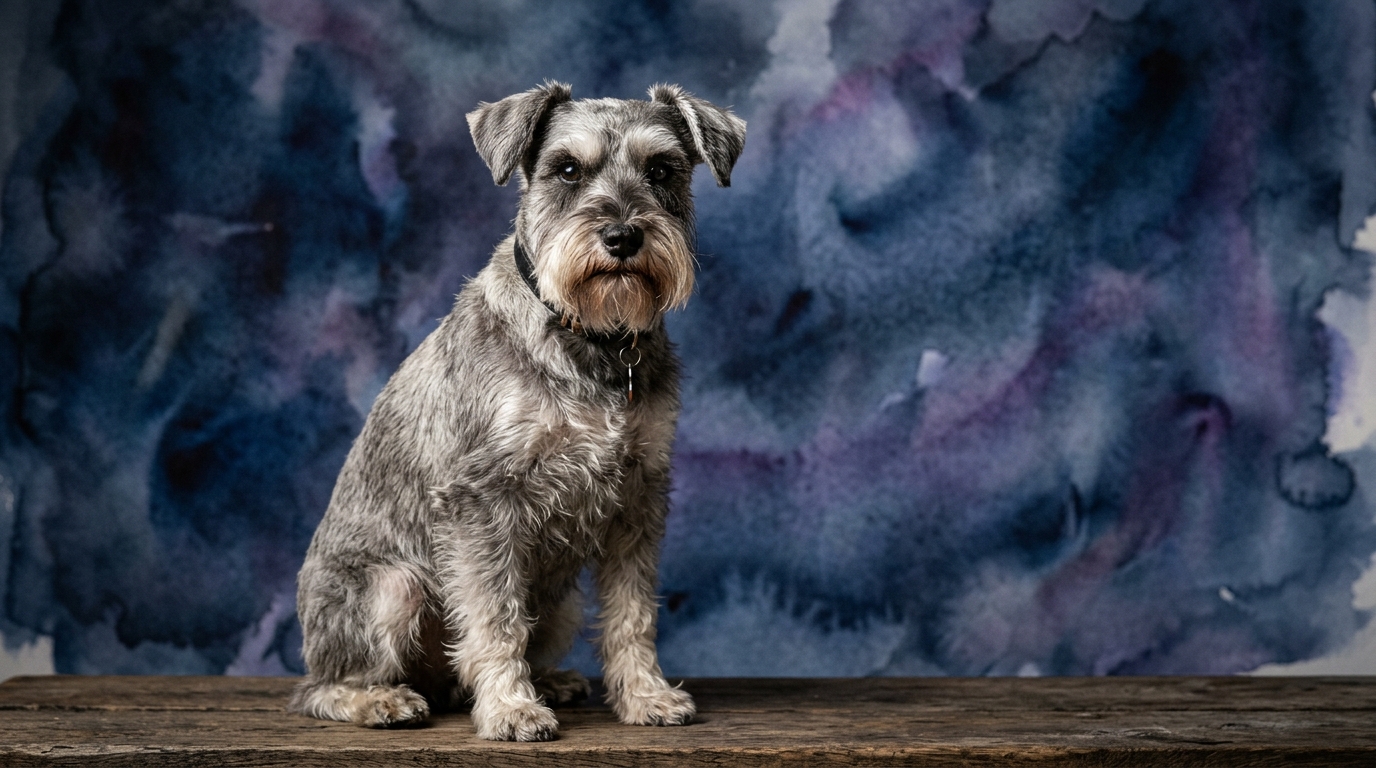
**Miniature Schnauzer (Coren Rank #12):** This terrier-group companion demonstrates a robust cognitive toolkit. Their Problem Solving is rated 4/5, indicating a strong capacity for navigating challenges. Training Speed shines at 5/5, suggesting rapid command acquisition. Social Intelligence, at 4/5, points to adeptness in reading human cues. Their Instinctive Drive is a solid 4/5, encompassing terrier tenacity, while Memory is also strong at 4/5, aiding effective recall of learned behaviors and experiences.
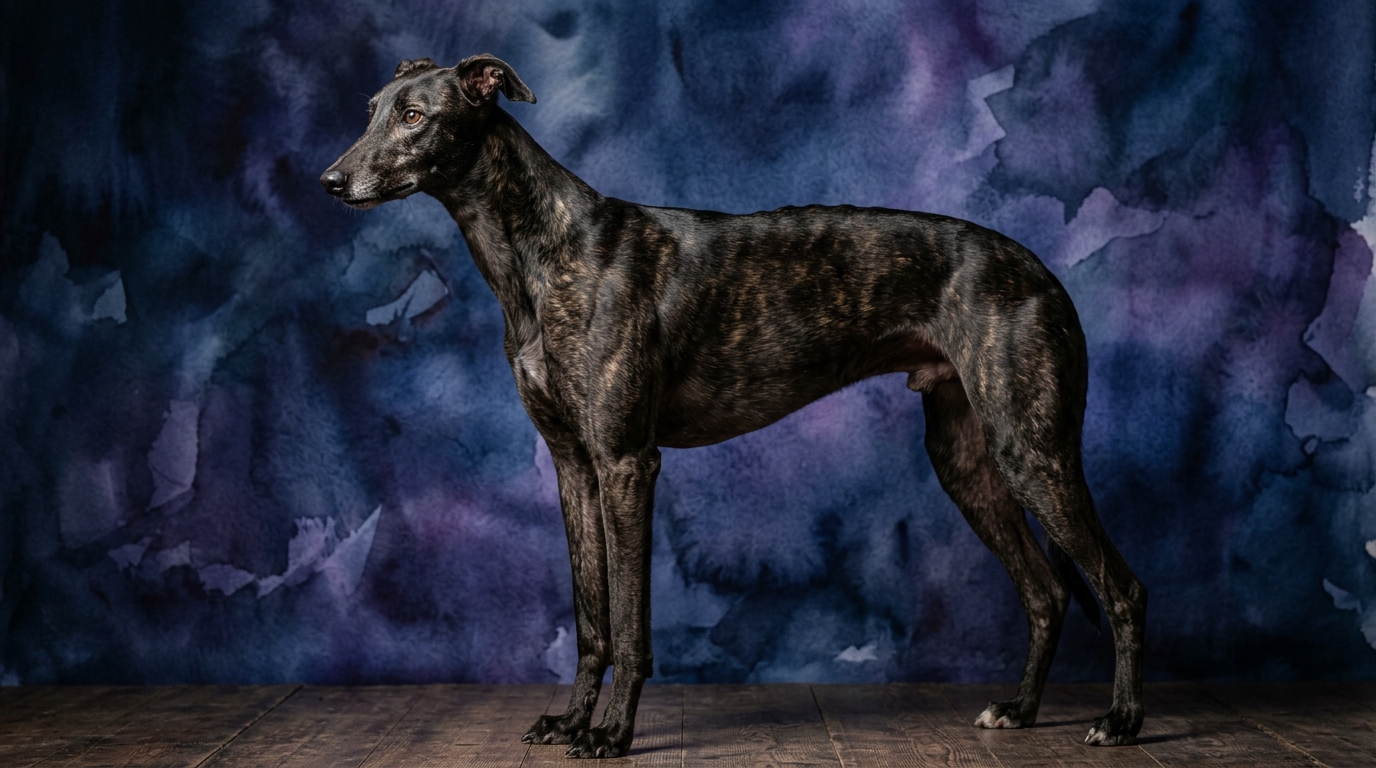
**Greyhound (Coren Rank #46):** The Greyhound's profile reflects its specialized evolution. Problem Solving registers at 3/5, suggesting a more direct, less analytical approach. Training Speed is 2/5, indicating a slower pace in acquiring new commands. Social Intelligence stands at 3/5, meaning they are generally attuned but might lack nuanced social awareness. Their standout Instinctive Drive is 5/5, powerfully encompassing their sighthound chase instinct, while Memory is 3/5, adequate but not exceptional.
Where the Miniature Schnauzer Excels Cognitively
The Miniature Schnauzer's cognitive strengths are evident in their superior Problem Solving (4/5) and perfect Training Speed (5/5). Their mental agility means they are more likely to independently figure out how to open a cabinet or retrieve a hidden toy, thriving on novel challenges. This rapid learning translates into quick mastery of commands and household rules, making them eager participants in training. Paired with 4/5 Social Intelligence, they are highly responsive to human direction, adapting well in various social settings. Their strong memory (4/5) further supports this quick learning and retention.
Where the Greyhound's Cognitive Profile Shines
The Greyhound's paramount cognitive strength lies in its Instinctive Drive, a perfect 5/5. This deeply ingrained program enables rapid processing of visual stimuli, locking onto moving objects, and executing lightning-fast pursuit. This drive is a testament to their selective breeding for speed and chase, making them unparalleled in tasks requiring immediate, unhesitating action based on visual cues. While their Problem Solving (3/5) and Training Speed (2/5) might not match the Schnauzer's, their cognitive focus is highly specialized for instinctive action, not complex analytical thinking, giving them profound efficiency in their natural sighthound behaviors.
Ease of Training: Miniature Schnauzer vs. Greyhound
The Miniature Schnauzer generally offers a more straightforward training experience. Their 5/5 Training Speed means they are highly receptive to learning, quickly associating commands with actions. This rapid acquisition, combined with 4/5 Problem Solving and Social Intelligence, makes them eager participants, often thriving on mental stimulation and positive interaction. They are generally keen to please and understand expectations, leading to quicker mastery of obedience.
The Greyhound, with 2/5 Training Speed, demands a different approach. Their powerful 5/5 Instinctive Drive means a primal chase instinct can override learned commands when stimulated. This isn't a lack of capacity, but a different cognitive prioritization. Training requires immense patience, positive reinforcement, and an acceptance that off-leash reliability, especially near moving targets, will be a persistent challenge. Their 3/5 Problem Solving also means they might not generalize learned behaviors as readily, requiring consistent training in varied environments.
Suiting Active vs. Relaxed Owners
The Miniature Schnauzer, with its robust cognitive profile and moderate energy, suits owners who enjoy active engagement and mental stimulation. Their 4/5 Instinctive Drive requires regular physical activity, but their higher Problem Solving and Social Intelligence mean they also thrive on interactive games, puzzle toys, and training challenges. They are ideal for owners who want a dog to participate in sports like agility or obedience, and who can provide consistent mental enrichment within a family lifestyle.
Conversely, the Greyhound, despite its racing past, often surprisingly suits more relaxed owners. Their 5/5 Instinctive Drive necessitates opportunities to run safely and freely in a secure, fenced area, but their "off switch" is equally powerful; they are often content to lounge for hours post-sprint. Owners who appreciate quiet companionship, short, brisk walks, and providing a secure outlet for their dog's need to sprint will find a Greyhound rewarding. Their lower problem-solving and training speed ratings suggest less demand for constant mental challenges, favoring a predictable, comfortable routine.
The Verdict
Opt for a Miniature Schnauzer if you desire a highly trainable, socially astute companion eager for mental challenges, capable of quickly learning complex tasks, and thrives on interactive family engagement.
Select a Greyhound if you appreciate a calm, dignified indoor presence balanced with an intense need for short, explosive runs, and you are prepared for patient, consistent training mindful of their powerful chase instinct.
🧠 Find Your Pet's IQ Score
Our Pet IQ Lab assessment covers 25+ tests across 5 cognitive dimensions — personalized to your breed.
Take the Full IQ Test →Frequently Asked Questions
Are Greyhounds difficult to train due to their lower Coren rank?
While Greyhounds have a lower Coren rank and a 2/5 training speed, they aren't necessarily "difficult," but require a different approach. Their independent nature and powerful instinctive drive mean patient, positive reinforcement is key, and their primary motivation isn't always human pleasing, especially when their chase instinct is activated.
Do Miniature Schnauzers require a lot of mental stimulation?
Yes, with 4/5 Problem Solving and 5/5 Training Speed, Miniature Schnauzers thrive on mental stimulation. They greatly benefit from puzzle toys, learning new tricks, obedience training, and engaging in activities that challenge their intellect and keep their curious minds occupied, preventing boredom-related behaviors.
Can a Greyhound live in an apartment?
Many Greyhounds adapt surprisingly well to apartment living as they are relatively low-energy indoors, often content to nap for long periods. The crucial factor is providing them with regular, safe opportunities to run at full speed, ideally in a securely fenced area, to satisfy their intense 5/5 instinctive drive daily.