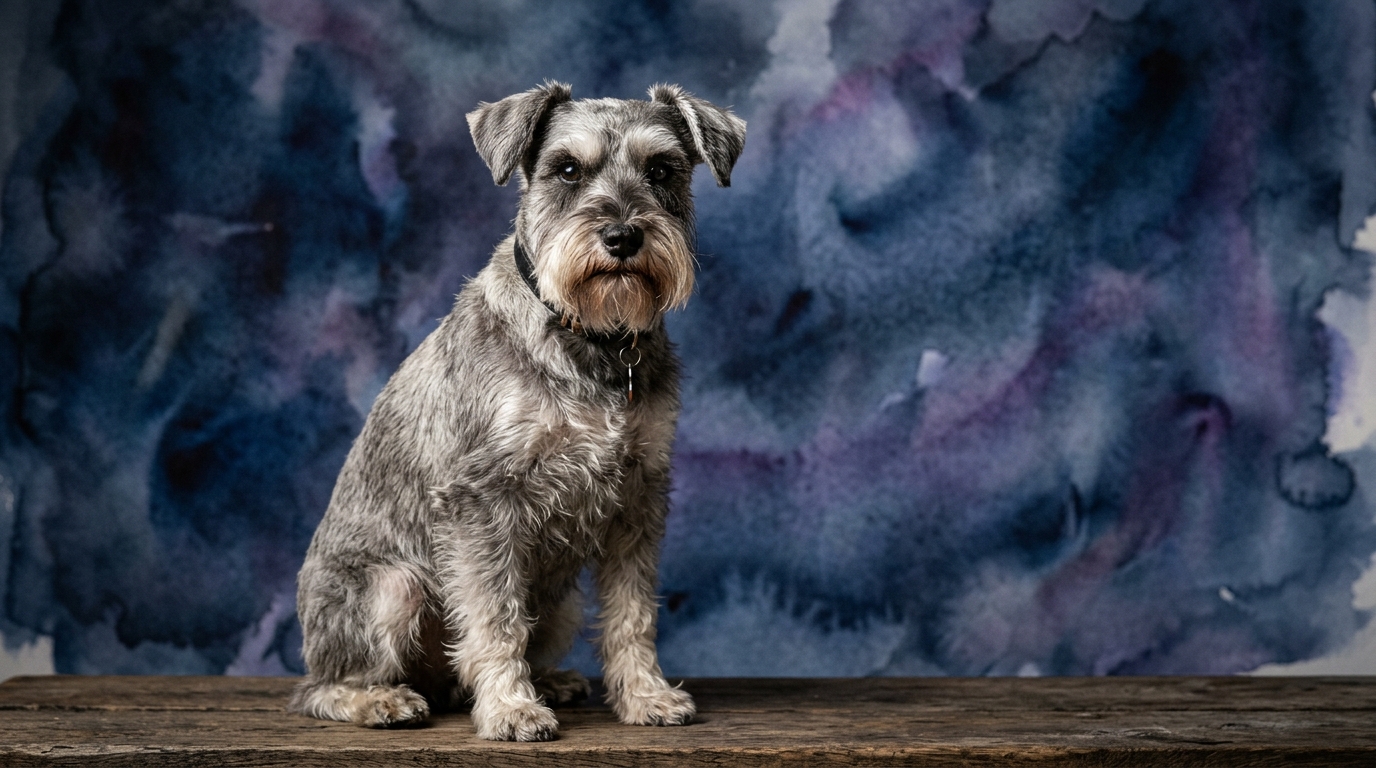
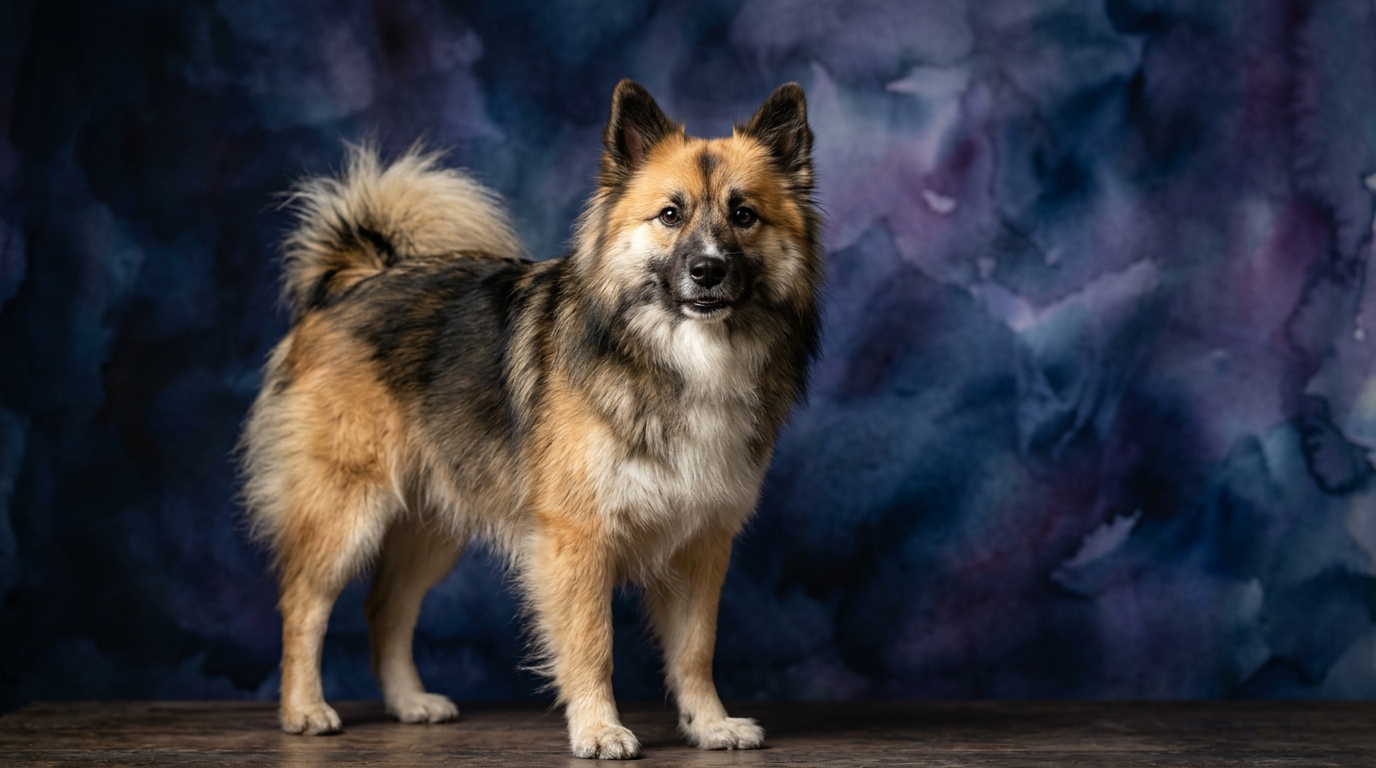
Side-by-Side IQ Profile: Miniature Schnauzer vs. Icelandic Sheepdog
Originating from Germany, the Miniature Schnauzer's cognitive profile reflects its historical role as a rat catcher and farm guardian. Their Problem Solving is rated 4/5, indicating a resourceful nature, often figuring out how to achieve desired outcomes independently. Training Speed scores an impressive 5/5, highlighting their exceptional ability to quickly grasp and execute new commands, making them highly receptive to structured learning. Social Intelligence at 4/5 means they are keenly attuned to human emotions, forming strong bonds and often using their understanding to solicit attention. Their Instinctive Drive, also 4/5, manifests as a persistent prey drive, typical of terriers, alongside a watchful, protective streak. Finally, Memory at 4/5 ensures they retain learned behaviors, routines, and social interactions effectively.
Hailing from Iceland, this ancient herding breed presents a cognitive landscape shaped by centuries of working alongside humans in harsh environments. Their Problem Solving is rated 3/5, suggesting a practical intelligence focused on immediate environmental challenges, such as managing livestock, rather than abstract puzzles. Training Speed at 3/5 indicates they learn at a moderate pace, requiring consistent, positive reinforcement due to their sensitive nature. Social Intelligence, also 3/5, reflects their deep connection to their family "flock," showing sensitivity to human moods and subtle cues, though they can be reserved with strangers. Their Instinctive Drive, 3/5, is strongly rooted in their herding heritage, expressed through a tendency to gather, bark to alert, and constantly survey their surroundings. Memory at 3/5 means they recall routines, familiar people, and places reliably, though complex sequences might require more reinforcement.
Where the Miniature Schnauzer Excels Cognitively
The Miniature Schnauzer's cognitive strengths shine brightest in areas demanding rapid assimilation of new information and agile problem-solving. Their 5/5 training speed reflects a remarkable capacity to quickly associate commands with actions, making them adept at learning complex tricks or navigating agility courses with precision. This quick uptake is supported by their 4/5 memory, allowing them to build an extensive repertoire of learned behaviors efficiently. Furthermore, their 4/5 problem-solving ability equips them with a cunning resourcefulness; a Schnauzer faced with a closed gate might test the latch or seek an alternative path, demonstrating independent, trial-and-error approaches. This combination of rapid learning, solid retention, and independent thought makes them excel in structured cognitive tasks and situations requiring quick adaptation to new rules or challenges.
Where the Icelandic Sheepdog Excels Cognitively
While not Coren-ranked, the Icelandic Sheepdog displays a distinct cognitive prowess rooted in its pastoral history, particularly in environmental awareness and subtle communication. Their instinctive drive (3/5) manifests as an acute sensitivity to their surroundings, allowing them to anticipate changes in weather or the movement of a flock—a practical form of problem-solving distinct from abstract puzzles. This breed excels in reading subtle environmental cues and reacting appropriately. Their social intelligence (3/5) is characterized by a deep, nuanced understanding of their human family's emotional states, often communicating through gentle nudges or soft gazes, demonstrating an empathetic attunement. Their memory (3/5) serves them well in recalling the nuances of their territory and the routines of their "flock," contributing to their role as vigilant companions. This quiet competence makes them exceptional at tasks requiring observation, vigilance, and a profound, understated connection.
Training Ease: Miniature Schnauzer vs. Icelandic Sheepdog
The question of training ease leans significantly towards the Miniature Schnauzer. With a training speed of 5/5, they are often described as sponges for new commands, quickly linking words or gestures to desired actions. This rapid uptake means fewer repetitions are needed for a concept to stick, enabling them to progress through obedience levels or learn intricate routines at an impressive pace. Their social intelligence (4/5) means they often enjoy the collaborative aspect of training, eager to please and earn praise, although their independent terrier spirit occasionally surfaces, requiring a firm yet fair hand. In contrast, the Icelandic Sheepdog, with a training speed of 3/5, learns at a more deliberate pace. They are sensitive dogs who respond best to positive reinforcement and consistency, shying away from harsh corrections. Their herding instincts, such as nipping at heels or barking to gather, are natural behaviors requiring patient redirection. While capable, their learning style is less about rapid assimilation and more about building trust and understanding the purpose behind a command within their perceived "flock" structure. Therefore, for owners seeking a dog that picks up new skills with impressive speed, the Miniature Schnauzer holds a clear advantage.
Active vs. Relaxed Owners: Matching Temperaments
For owners seeking a dynamic companion eager for structured activities, the Miniature Schnauzer aligns well. Their robust problem-solving (4/5) and memory (4/5) capabilities mean they thrive on mental challenges like puzzle toys, advanced obedience, or dog sports. They possess a persistent energy that, while adaptable to apartment living with sufficient exercise, demands consistent engagement to prevent boredom and undesirable behaviors. An owner who enjoys daily walks, training sessions, and interactive play will find a willing and capable partner. Conversely, the Icelandic Sheepdog, while active, suits owners who appreciate a more observant, less intensely demanding energy. Their instinctive drive (3/5) for "supervising" their territory and family means they need regular outdoor access and a sense of purpose. They are not necessarily high-strung but require an outlet for their herding tendencies and a strong feeling of inclusion within the family unit. A relaxed owner who enjoys quiet companionship and understands a pastoral breed's temperament, providing a secure, engaging environment without constant structured activity, will find the Icelandic Sheepdog a deeply rewarding companion.
The Verdict
Select a Miniature Schnauzer if you desire a quick-witted companion who thrives on structured training, mental challenges, and consistent engagement, enjoying a dog that learns rapidly and can master complex tasks, ideal for owners ready to channel a terrier's sharp mind.
Opt for an Icelandic Sheepdog if you value a deeply loyal, environmentally astute companion who communicates subtly and connects profoundly with their family, appreciating a dog that brings a serene yet watchful presence to your home, suitable for owners who can provide consistent, gentle training.
🧠 Find Your Pet's IQ Score
Our Pet IQ Lab assessment covers 25+ tests across 5 cognitive dimensions — personalized to your breed.
Take the Full IQ Test →Frequently Asked Questions
How does Coren ranking relate to these breeds?
Stanley Coren's ranking primarily assesses "working and obedience intelligence," focusing on a dog's ability to learn and obey commands quickly. The Miniature Schnauzer's #12 rank reflects its impressive training speed and capacity for obedience, while the Icelandic Sheepdog, being unranked, doesn't imply a lack of intelligence but rather a different type of cognitive strength less focused on formal obedience and more on independent, practical problem-solving.
Are Icelandic Sheepdogs suitable for first-time owners?
Icelandic Sheepdogs can be suitable for first-time owners who are committed to consistent, positive reinforcement training and understand their sensitive nature and herding instincts. They require patience and a calm approach, thriving in environments where they feel secure and deeply connected to their human family, rather than in homes seeking a dog that will immediately conform to every command.
What kind of mental stimulation do Miniature Schnauzers need?
Miniature Schnauzers benefit from diverse mental stimulation, including puzzle toys that challenge their problem-solving skills, regular obedience training to keep their quick minds engaged, and opportunities for learning new tricks. They also enjoy activities like agility or scent work, which tap into their instinctive drives and provide a constructive outlet for their energy and intellect.