Side-by-Side Cognitive Profiles
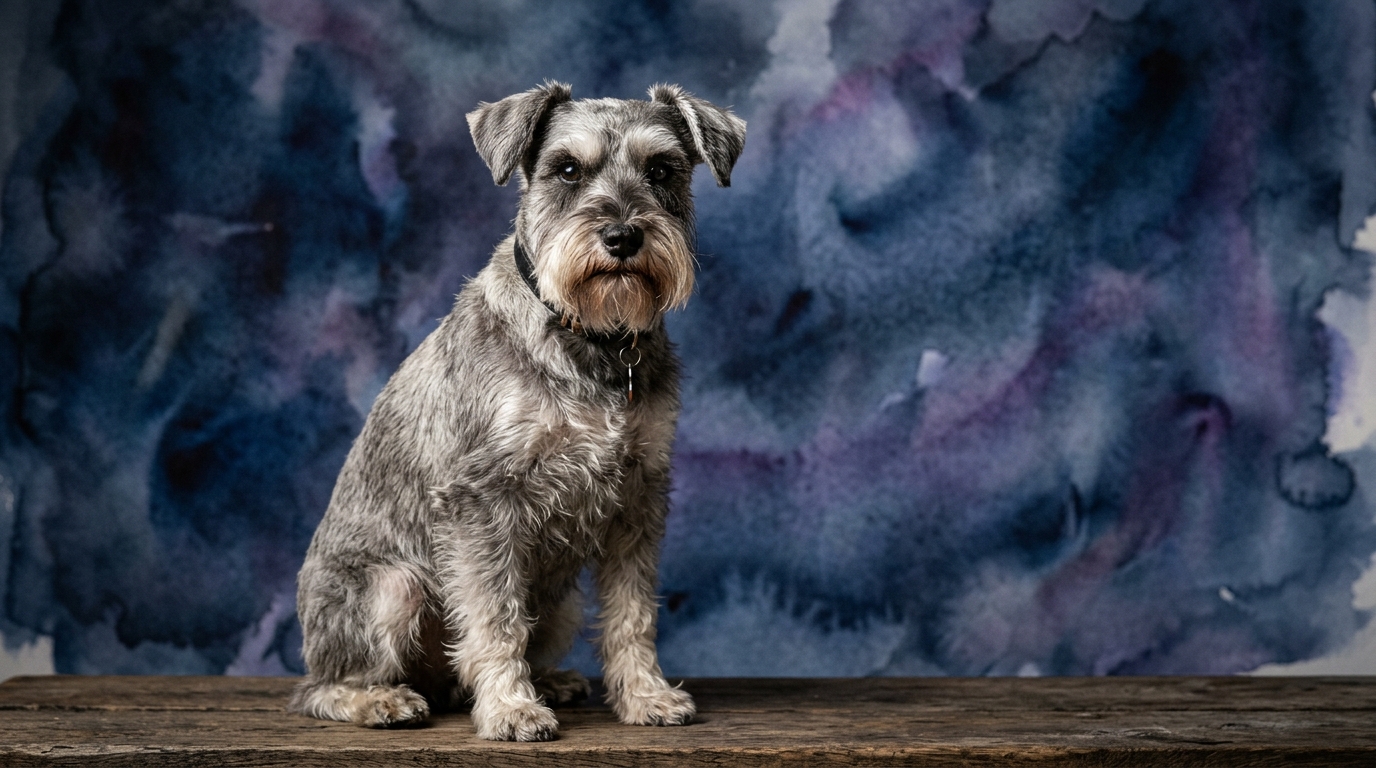
The Cosmic Pet Pet IQ Lab employs a five-dimensional framework to assess canine intelligence, offering a granular view of each breed’s mental aptitudes. For the Miniature Schnauzer, ranked #12 by Coren, its profile is robust: Problem Solving 4/5, Training Speed 5/5, Social Intelligence 4/5, Instinctive Drive 4/5, and Memory 4/5. This combination indicates a dog with a strong capacity for complex thought, exceptional responsiveness to instruction, a nuanced understanding of social cues, a pronounced but often manageable prey drive, and effective retention of learned information.
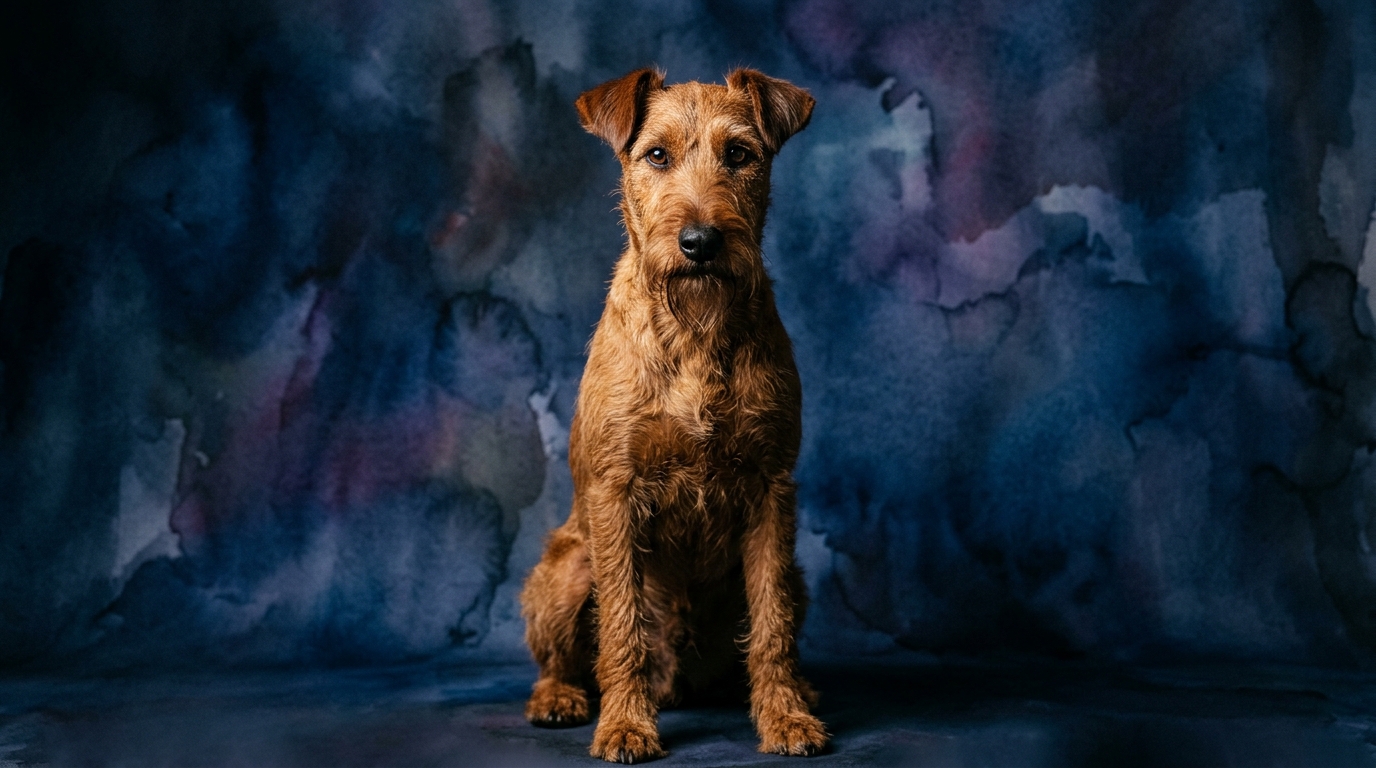
In contrast, the Irish Terrier, while not Coren-ranked, presents a consistent, balanced cognitive profile across the board: Problem Solving 3/5, Training Speed 3/5, Social Intelligence 3/5, Instinctive Drive 3/5, and Memory 3/5. These scores suggest a practical, often self-directed approach to challenges, a capable but perhaps more independent learner, a clear understanding of its place within a social structure, a solid terrier instinct that fuels its activities, and a reliable recall of experiences and commands. Both breeds are terriers, but their mental frameworks reveal distinct approaches to navigating their environments and interacting with humans.
Where the Miniature Schnauzer Excels Cognitively
The Miniature Schnauzer’s cognitive profile shines in several key areas, making it particularly adept at tasks requiring human collaboration and rapid learning. Its superior Training Speed of 5/5 means it grasps new commands and routines with remarkable alacrity, making structured learning environments highly rewarding. This isn't just about speed; it's about an eagerness to engage and a propensity for focus during instruction. Paired with a Problem Solving score of 4/5, Miniature Schnauzers often excel at tasks requiring sequential steps or creative solutions to minor obstacles, readily adapting to new challenges presented by their human companions.
Their Social Intelligence at 4/5 allows for a more finely tuned understanding of human emotions and intentions, fostering a deeper, more reciprocal bond. This breed often anticipates owner moods and responds with appropriate social cues, making them particularly adaptable to family dynamics. Finally, a Memory score of 4/5 ensures that once a lesson is learned or an experience processed, it is retained effectively, building a reliable foundation for future interactions and training. This combination of swift learning, problem-solving acumen, and social attunement makes the Miniature Schnauzer a standout in scenarios demanding precise communication and cognitive collaboration.
Where the Irish Terrier Demonstrates Unique Cognitive Strengths
While the Irish Terrier's scores of 3/5 across the board might seem modest compared to the Schnauzer's, they represent a distinct and highly effective cognitive strength rooted in resilience and self-reliance. The Irish Terrier's mental aptitudes are particularly suited for scenarios demanding independent judgment and unwavering determination. Its Problem Solving at 3/5, rather than indicating a deficit, suggests a practical, often tenacious approach to overcoming obstacles, where the dog might rely more on its own initiative than on human prompting. This can manifest as an enduring persistence in tasks it deems important, like investigating an interesting scent or navigating a challenging terrain.
The Instinctive Drive at 3/5 is perfectly aligned with its historical role as a working terrier, indicating a robust internal motivation that fuels its activities and explorations. This drive, while needing appropriate outlets, contributes to a confident and self-assured demeanor. Furthermore, its Social Intelligence and Memory at 3/5 indicate a solid, unwavering loyalty and a reliable understanding of its established social circle, even if its expressions might be less overtly effusive. The Irish Terrier's cognitive strength lies in its steadfastness, its robust constitution, and a practical application of its mental faculties, making it exceptionally capable in situations where grit and independent thought are paramount.
Trainability: Miniature Schnauzer vs. Irish Terrier
Based on their respective cognitive profiles, the Miniature Schnauzer is demonstrably the easier breed to train. Its Training Speed of 5/5 is a clear indicator, signifying a dog that not only comprehends commands quickly but also retains them efficiently thanks to its 4/5 Memory score. This breed typically exhibits a strong desire to please and a keen focus during training sessions, translating into rapid mastery of obedience commands, tricks, and even complex agility sequences. They thrive on positive reinforcement and clear communication, often anticipating their owner's next cue, making training a highly rewarding and efficient process for both dog and human.
In contrast, the Irish Terrier, with a Training Speed of 3/5, requires a more patient and consistent approach. This isn't to say they are untrainable; rather, their independent nature and inherent terrier resolve mean they might question the necessity of a command or require more compelling motivation. They learn, but often at their own pace, and may test boundaries more frequently. Their problem-solving (3/5) and instinctive drive (3/5) mean they're often thinking for themselves, which can make them less immediately compliant if a task doesn't align with their current interests or perceived purpose. Successful training with an Irish Terrier hinges on establishing trust, making sessions engaging, and understanding their propensity for self-direction and strong-willed personality.
Matching Cognitive Profiles to Owner Lifestyles
The distinction between these two breeds also extends to the type of owner they flourish with. The Miniature Schnauzer, with its high Problem Solving (4/5) and Social Intelligence (4/5), thrives with owners who enjoy structured engagement and mental stimulation. These dogs benefit immensely from regular training, puzzle toys, and activities that challenge their intellect, such as obedience classes, agility, or even advanced trick training. An owner who is active in providing consistent mental enrichment and structured physical exercise will find their Miniature Schnauzer’s cognitive aptitudes are regularly utilized and fulfilled. A more "relaxed" owner might find a Miniature Schnauzer becomes bored or mischievous if not given enough to do mentally, as their sharp minds require outlets.
The Irish Terrier, on the other hand, while also needing activity, aligns better with owners who appreciate an independent spirit and a more robust, exploratory approach to exercise. Its instinctive drive (3/5) means it enjoys vigorous walks, off-leash exploration in secure areas, and opportunities to sniff and investigate. Its problem-solving (3/5) is often applied to real-world scenarios, like navigating a tricky path or pursuing a scent. An owner who is active in providing ample physical outlets for their energy and allowing them opportunities for self-directed exploration, while also providing firm, consistent guidance, will find an Irish Terrier to be a fulfilling companion. A purely "relaxed" owner who offers minimal engagement might struggle with the Irish Terrier's need for physical exertion and independent thought, potentially leading to destructive behaviors if not adequately stimulated. Neither breed is suited for an owner who offers minimal engagement, but their ideal forms of activity differ significantly.
The Verdict
Choose a Miniature Schnauzer if you desire a highly trainable companion eager to engage in structured learning and appreciate a dog with nuanced social understanding. Their quick grasp of commands and adaptability to various living situations make them a rewarding partner for consistent trainers.
Opt for an Irish Terrier if you value a robust, independent spirit and a tenacious problem-solver, appreciating a dog that combines steadfast loyalty with an adventurous, self-reliant approach to life. They thrive with owners who can channel their spirited energy and respect their unique terrier grit.
🧠 Find Your Pet's IQ Score
Our Pet IQ Lab assessment covers 25+ tests across 5 cognitive dimensions — personalized to your breed.
Take the Full IQ Test →Frequently Asked Questions
Do Miniature Schnauzers require more mental exercise than Irish Terriers?
Miniature Schnauzers, with higher problem-solving and social intelligence scores, generally thrive on more structured mental challenges like obedience, tricks, and puzzle toys to keep their minds engaged. Irish Terriers, while also needing mental stimulation, often apply their intelligence to more practical, independent explorations and activities, valuing freedom to investigate.
Is an Irish Terrier's independent nature a challenge in training?
An Irish Terrier's independent nature and moderate training speed can present a challenge, requiring more patience, consistency, and creative motivation during training. Their self-reliant problem-solving means they might be less inclined to blindly follow commands compared to more biddable breeds, often needing to understand the 'why' behind a request.
Which breed is generally better with children, considering their social intelligence?
Both can be good family dogs, but the Miniature Schnauzer's higher social intelligence (4/5) often means they are more attuned to family dynamics and human cues, potentially adapting more readily to the nuances of interacting with children. Irish Terriers (3/5) are loyal but might be more reserved or require clearer boundaries with younger family members due to their independent streak and focus on their own perceived purpose.