Side-by-Side IQ Profile
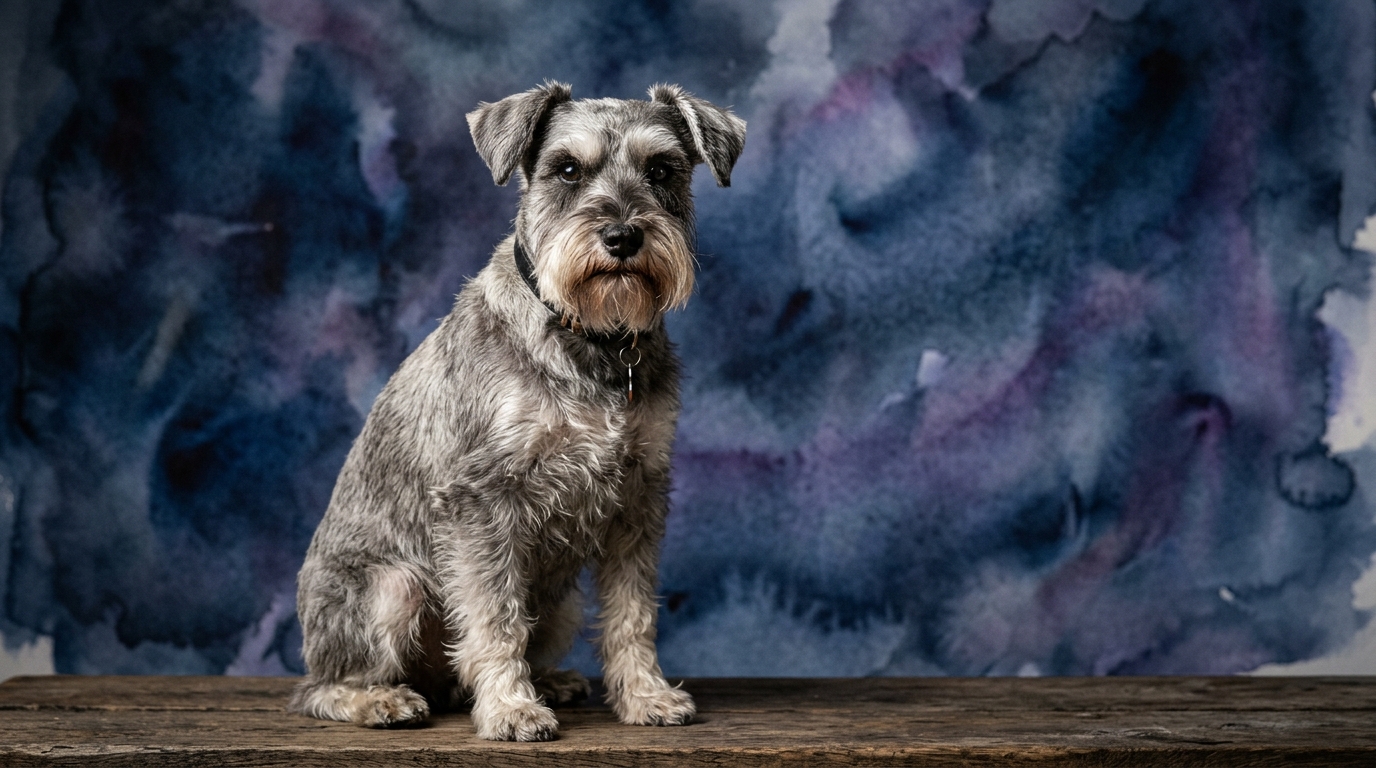
The Cosmic Pet Pet IQ Lab assesses canine intelligence across five key dimensions, revealing unique strengths in each breed. For the Miniature Schnauzer, a breed ranked #12 by Coren, its scores paint a picture of a highly engaged and adaptable mind.
Miniature Schnauzer IQ:
Problem Solving (4/5): Miniature Schnauzers demonstrate a strong aptitude for navigating complex situations, quickly figuring out how to achieve goals like opening latches or retrieving hidden items. They often employ strategic thinking, trying different approaches rather than simple brute force.
Training Speed (5/5): Their capacity to learn new commands and routines is exceptional, often grasping new concepts in very few repetitions. This rapid acquisition makes them highly responsive to consistent instruction and a joy for obedience training or teaching tricks.
Social Intelligence (4/5): Miniature Schnauzers are adept at reading human cues and understanding social dynamics within their family unit. They often seek interaction and can be quite attuned to their owner's moods, making them sensitive and communicative companions.
Instinctive Drive (4/5): Their Terrier heritage manifests as a robust prey drive and an inherent inclination for vigilance, making them keen observers and enthusiastic participants in activities that mimic hunting or guarding. This drive is channeled effectively through structured play and tasks.
Memory (4/5): These dogs possess a solid ability to retain learned commands, routines, and even specific environmental details over long periods. This strong recall contributes significantly to their training responsiveness and their capacity to adapt to consistent home environments.
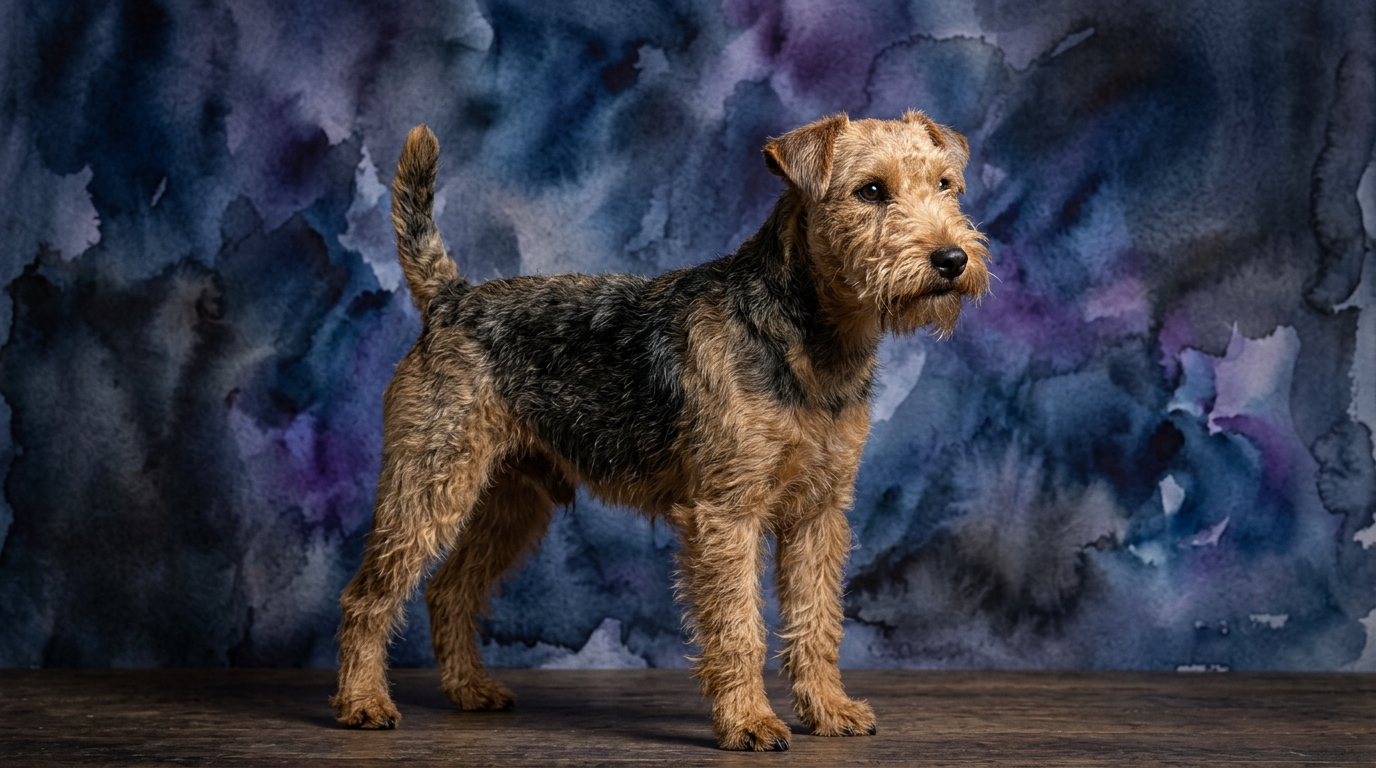
The Lakeland Terrier, while not Coren-ranked, offers a different, yet equally engaging, cognitive blueprint, reflecting its heritage as a hardy working Terrier.
Lakeland Terrier IQ:
Problem Solving (3/5): Lakeland Terriers approach challenges with a more direct, persistent mindset. While capable of solving problems, they might rely more on their innate Terrier tenacity rather than intricate strategizing, preferring to push through obstacles.
Training Speed (3/5): They learn at a steady pace, requiring consistent and patient repetition to solidify new commands. Their independent streak means they might not always be as eager to please as some breeds, necessitating engaging and rewarding training methods to maintain focus.
Social Intelligence (3/5): Lakeland Terriers are affectionate with their families but often display a more reserved social demeanor compared to the Schnauzer. They appreciate companionship but might not constantly seek or overtly express an understanding of subtle human emotional shifts.
Instinctive Drive (3/5): Their Terrier drive is present, particularly in their enthusiasm for exploring and their historical role in vermin control. This drive is robust but can be channeled with focused effort, manifesting as a keen interest in scent work or active outdoor pursuits.
Memory (3/5): Lakeland Terriers have a functional memory for established routines and commands, though they might require more frequent reinforcement than breeds with higher scores. Their recall is reliable once a behavior is deeply ingrained, but complex sequences might not be retained as readily.
Where Miniature Schnauzer Wins Cognitively
The Miniature Schnauzer's cognitive strengths shine across the board when compared to the Lakeland Terrier. Its superior problem-solving ability (4/5) means it can more readily navigate novel environments or figure out how to access desired objects, showcasing a higher degree of strategic thinking. This breed's unmatched training speed (5/5) is a significant advantage, allowing them to absorb new commands with remarkable efficiency, making complex obedience or trick training a smoother, faster process. Furthermore, their heightened social intelligence (4/5) enables them to more keenly interpret human body language and emotional states, fostering a deeper, more nuanced bond. The Schnauzer's robust memory (4/5) reinforces all these traits, ensuring that learned behaviors and social cues are retained over time, contributing to a consistently responsive companion.
Where Lakeland Terrier Wins Cognitively
While the Lakeland Terrier's cognitive profile might appear less intense in comparison, its distinct approach offers unique advantages for certain owners. Its problem-solving (3/5) and instinctive drive (3/5) are less about intricate strategy and more about tenacious, practical application. This means a Lakeland often tackles challenges with a straightforward, persistent determination, making them less prone to overthinking or anxiety in novel situations. Their slightly lower social intelligence (3/5) can translate to a more independent demeanor, appealing to owners who appreciate a dog that is affectionate but also comfortable in its own company, rather than constantly seeking human interaction. This independence, coupled with their robust memory (3/5) for established routines, means they are consistent companions once a behavior is ingrained, thriving in environments where clarity and routine are valued over constant novelty and complex mental games.
Which Is Easier to Train and Why
Without question, the Miniature Schnauzer presents as the easier breed to train due to its exceptional training speed (5/5) and strong problem-solving skills (4/5). Their eagerness to engage and their rapid ability to associate commands with actions mean they pick up new behaviors quickly, often requiring fewer repetitions than many other breeds. This responsiveness is a direct result of their cognitive makeup, making them highly rewarding for owners who enjoy teaching advanced obedience or complex tricks. In contrast, the Lakeland Terrier, with its 3/5 scores in training speed and problem-solving, requires a more patient and persistent approach. Their independent Terrier spirit means they might test boundaries or get distracted more easily, necessitating highly motivating rewards and consistent, engaging methods to ensure commands stick. While both breeds are trainable, the Schnauzer's inherent cognitive wiring makes the process significantly smoother and faster for most owners.
Which Suits Active Owners vs. Relaxed Owners
The cognitive profiles of these two Terriers suggest suitability for different owner lifestyles. The Miniature Schnauzer, with its higher scores in problem-solving (4/5), instinctive drive (4/5), and social intelligence (4/5), thrives with active owners who enjoy providing ample mental stimulation alongside physical exercise. These dogs relish learning new things, participating in dog sports like agility, or engaging in puzzle toys that challenge their quick minds. They are excellent for owners who want a highly interactive and responsive companion. The Lakeland Terrier, while still an active breed, might better suit owners who appreciate a more independent companion with a robust, but perhaps less intensely focused, drive (3/5). They enjoy outdoor adventures and exploring, but their training and social needs might be less demanding of constant, complex interaction. Owners who prefer a dog that is resilient and enjoys outdoor activities without requiring constant intricate mental games might find a Lakeland a more fitting partner.
The Verdict
Choose the Miniature Schnauzer if you seek a highly responsive, quick-learning companion eager for mental challenges and deep social engagement, thriving on structured interaction and consistent training.
Opt for the Lakeland Terrier if you appreciate a resilient, independent spirit that enjoys active outdoor pursuits and thrives with patient, consistent guidance, valuing a dog that is self-assured yet affectionate.
🧠 Find Your Pet's IQ Score
Our Pet IQ Lab assessment covers 25+ tests across 5 cognitive dimensions — personalized to your breed.
Take the Full IQ Test →Frequently Asked Questions
Are Miniature Schnauzers good with children?
Miniature Schnauzers, with their 4/5 social intelligence, often adapt well to family environments and can be very good with children, especially when socialized early. Their ability to read cues and playful nature make them engaging companions, though supervision is always advised.
Do Lakeland Terriers require a lot of grooming?
Lakeland Terriers have a wiry double coat that requires regular grooming, including hand-stripping a few times a year, to maintain its texture and health. This commitment is necessary to prevent matting and keep their coat in good condition.
Which breed is more prone to stubbornness during training?
The Lakeland Terrier, with its 3/5 training speed and more independent instinctive drive, can exhibit more stubbornness during training compared to the Miniature Schnauzer. Their Terrier independence means they require more consistent motivation and patience to comply reliably.