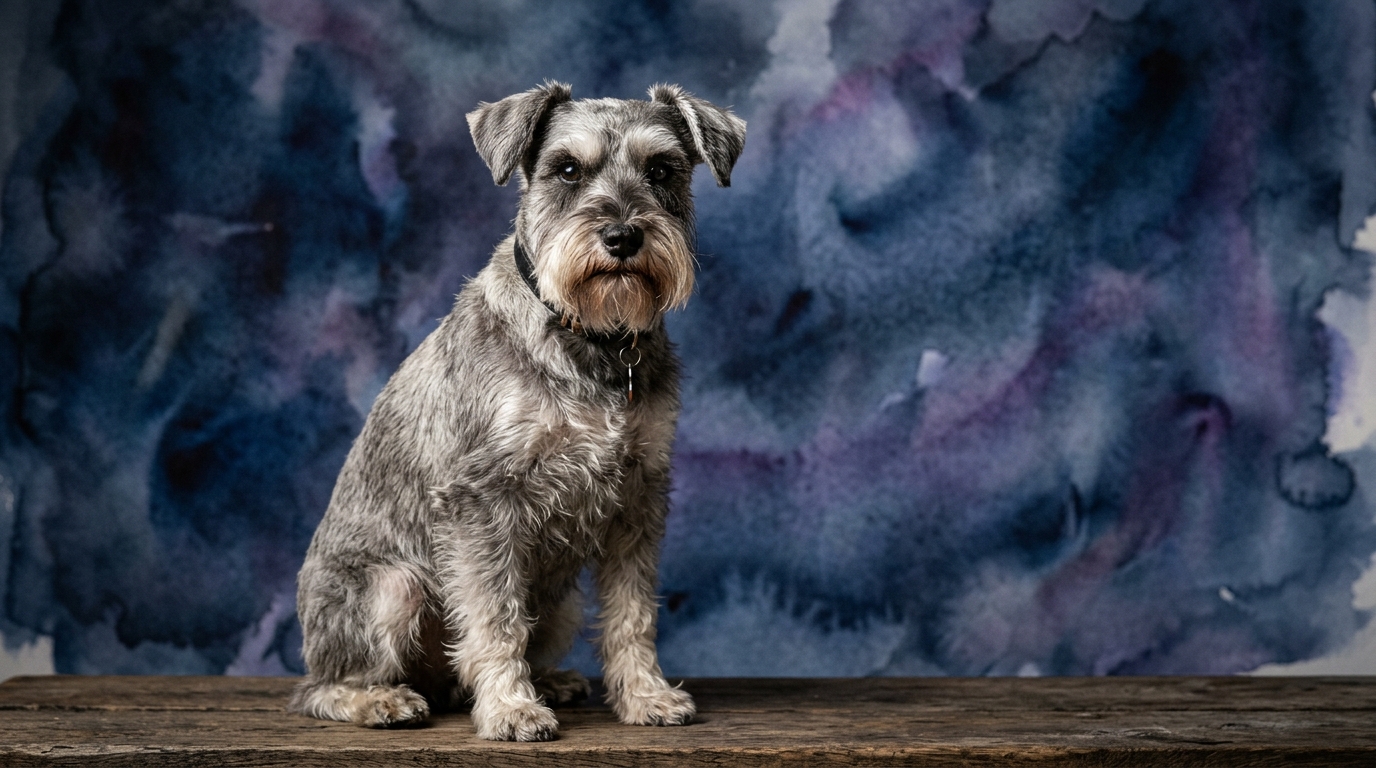
Side-by-Side Cognitive Profile: Miniature Schnauzer
The Miniature Schnauzer, ranking impressively at Coren #12, showcases a robust cognitive framework geared towards engagement and responsiveness.
Problem Solving (4/5): This breed exhibits strong problem-solving capabilities, often approaching new situations with a keen, analytical mind. They are adept at figuring out simple environmental puzzles, such as manipulating latches or finding hidden toys, and can quickly adapt strategies when faced with minor obstacles. This terrier-bred resourcefulness means they don't easily give up when a challenge presents itself, often trying multiple approaches until successful.
Training Speed (5/5): With an exceptional 5/5 in Training Speed, Miniature Schnauzers are remarkably quick learners. They grasp new commands and routines with minimal repetitions, often understanding the intent after just a few demonstrations. Their eagerness to engage and their sharp focus make them highly responsive to positive reinforcement, translating into rapid mastery of obedience and even complex tricks.
Social Intelligence (4/5): These dogs possess strong social intelligence, scoring 4/5. They are attuned to human emotions and cues, often mirroring their owners' moods and responding appropriately to voice tone and body language. They form deep, loyal bonds with their families and can navigate social interactions within their established pack with relative ease, showing good judgment in various social settings.
Instinctive Drive (4/5): True to their terrier heritage, Miniature Schnauzers display a significant instinctive drive (4/5). This manifests as a strong prey drive, an alert watchfulness, and a natural inclination to 'work' or engage in purposeful activity. Their drive makes them excellent companions for active owners who can channel this energy into constructive outlets like agility, earthdog trials, or scent work.
Memory (4/5): A 4/5 memory score indicates that Miniature Schnauzers retain learned information and experiences effectively over time. They remember commands, routines, and the layouts of familiar places, even after periods of inactivity. This strong recall contributes significantly to their high trainability and their ability to maintain complex behavioral patterns.
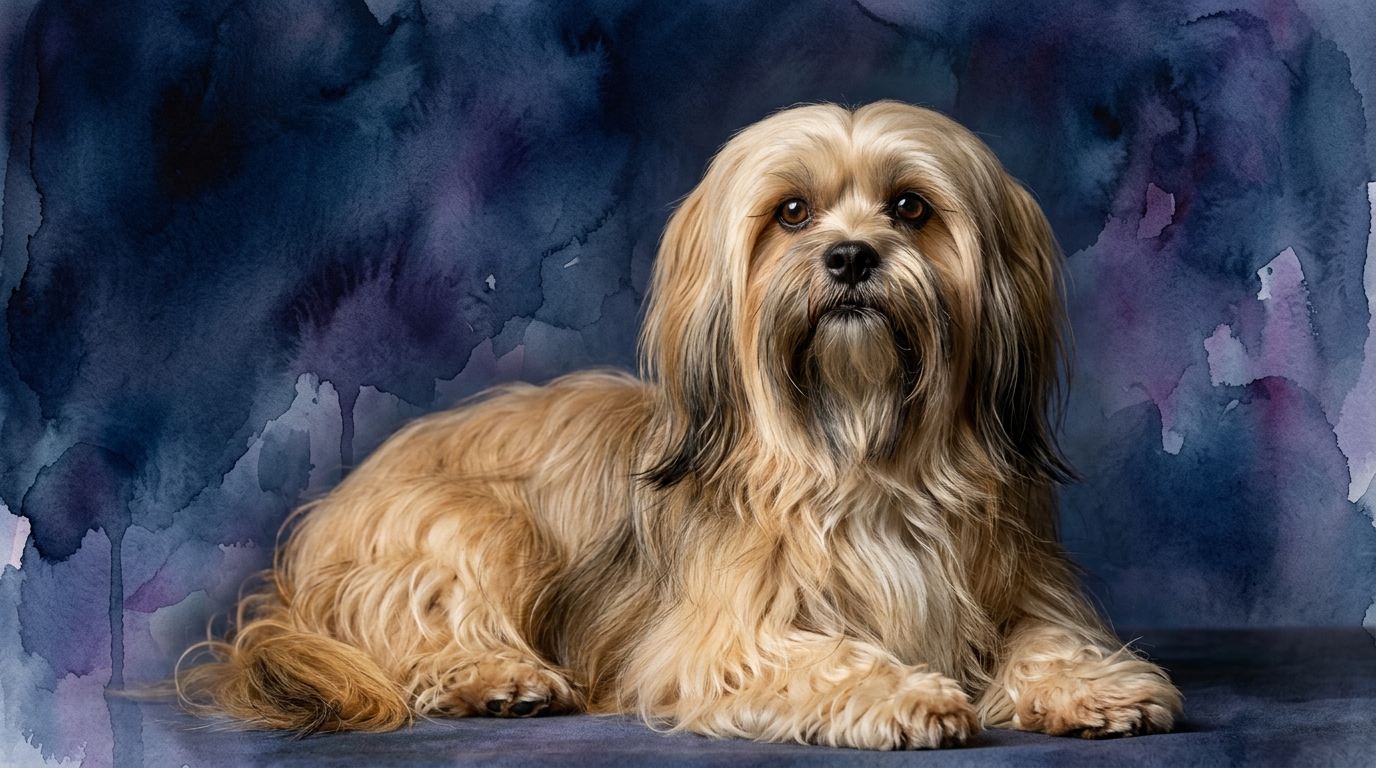
Side-by-Side Cognitive Profile: Lhasa Apso
The Lhasa Apso, positioned at Coren #68, presents a cognitive profile shaped by its ancient role as a sentinel and companion, emphasizing discernment and independence.
Problem Solving (3/5): The Lhasa Apso demonstrates moderate problem-solving abilities, scoring 3/5. While they can resolve basic environmental challenges, they might take a more considered, perhaps even stubborn, approach. They may require more trial-and-error or direct guidance to navigate novel situations, often preferring established routines to unexpected puzzles. Their solutions tend to be practical rather than innovative.
Training Speed (3/5): Scoring 3/5 in Training Speed, Lhasa Apsos require more patience and consistency during training sessions. They are not as quick to pick up new commands as some breeds, often needing more repetitions and a clear, motivating incentive. Their independent nature means they learn best when they perceive a direct benefit to themselves, rather than merely for the sake of pleasing an owner.
Social Intelligence (3/5): Lhasa Apsos exhibit a discerning social intelligence (3/5). While deeply devoted to their immediate family, they can be reserved or even aloof with strangers, taking time to assess new individuals. This selective social engagement means they form strong, protective bonds within their inner circle but are not typically effusive with outsiders, relying more on observation than immediate interaction.
Instinctive Drive (3/5): Their instinctive drive, rated at 3/5, reflects their historical role as watchdogs and companions rather than hunters. They possess a keen sense of awareness and will alert their families to perceived threats, but their drive is less about active pursuit or complex tasks. This translates into a focused vigilance and a preference for observing their environment from a secure vantage point.
Memory (3/5): Lhasa Apsos have a solid but not exceptional memory, scoring 3/5. They remember core routines, house rules, and the identities of their family members and familiar visitors. However, they may benefit from occasional refreshers for less frequently used commands or more complex learned behaviors, as their recall can be more selective compared to breeds with higher scores.
Where the Miniature Schnauzer Wins Cognitively
The Miniature Schnauzer's cognitive strengths shine brightly in areas demanding quick comprehension and active participation. Their superior Training Speed (5/5) means they absorb new commands and entire skill sets with remarkable efficiency, making them adept pupils for obedience, agility, or rally training. This cognitive quickness is complemented by their Problem Solving (4/5) ability, allowing them to navigate novel environments or figure out simple puzzles with initiative and minimal frustration. For instance, a Schnauzer is more likely to independently discover how to retrieve a toy stuck under furniture or quickly learn the sequence of actions required for a complex trick. Their strong Instinctive Drive (4/5) also provides a natural motivation for engagement, ensuring they are not just capable of learning, but also eager to apply their intellect in various tasks and activities. This blend of rapid learning, analytical thinking, and inherent drive positions them as highly versatile and responsive companions.
Where the Lhasa Apso Wins Cognitively
While the Lhasa Apso's scores might appear lower, their cognitive profile represents a different kind of strength, particularly valuable in their historical role. Their discerning Social Intelligence (3/5) means they are not easily swayed and possess a keen ability to differentiate between familiar and unfamiliar, friend and potential threat. This selective social acumen makes them exceptional watchdogs, as they are not prone to indiscriminate friendliness but rather offer a thoughtful, protective presence. Their moderate Instinctive Drive (3/5) focuses more on vigilance and observation than active pursuit, allowing them to excel as attentive sentinels within the home. A Lhasa Apso's 'win' lies in their steadfast, self-reliant nature; they are not dependent on constant instruction for their purpose. They maintain a quiet dignity and an inner resolve, making them masters of subtle communication and unwavering loyalty to their chosen few, rather than eager-to-please performers.
Which Is Easier to Train and Why
When considering ease of training, the Miniature Schnauzer holds a distinct advantage due to its exceptional Training Speed (5/5) and robust Social Intelligence (4/5). These traits foster a dog that is not only quick to understand commands but also intrinsically motivated to cooperate and please its human companions. Miniature Schnauzers typically respond well to positive reinforcement, quickly forming associations between desired behaviors and rewards, whether it's a treat, praise, or a favorite toy. Their terrier drive also means they thrive on having a 'job' and enjoy the mental stimulation that training provides.
Conversely, the Lhasa Apso, with its 3/5 Training Speed and more independent nature, presents a greater training challenge. They often require more repetitions, a higher degree of patience, and a trainer who understands their innate self-sufficiency. A Lhasa Apso might question the utility of a command or choose to ignore it if they don't perceive an immediate benefit or if their attention is elsewhere. Their historical role didn't involve complex obedience, but rather a discerning watchfulness, meaning their behavioral default is less about compliance and more about independent assessment. Consistency, clear communication, and finding the right motivational tools are paramount for successful Lhasa Apso training, often needing more creative approaches to maintain engagement.
Which Suits Active Owners vs. Relaxed Owners
For owners seeking an active, engaged canine partner, the Miniature Schnauzer is often the more fitting choice. Their 4/5 Problem Solving and 4/5 Instinctive Drive mean they thrive on mental and physical stimulation, enjoying structured activities like agility, obedience trials, or long, varied walks that offer new sights and smells. These dogs are enthusiastic participants in family life and enjoy being involved in daily routines, responding with vigor to invitations for play or training. They require consistent outlets for their energy and intellect to prevent boredom and potential mischievous behaviors.
In contrast, the Lhasa Apso typically suits owners who appreciate a more relaxed, yet still attentive, companionship. While they are not couch potatoes and enjoy regular, moderate exercise, their 3/5 Instinctive Drive and 3/5 Problem Solving mean they are less inclined to demand constant, high-octane activities. They are often content with daily walks, secure yard time, and ample opportunities to observe their surroundings from a comfortable vantage point. Their alertness as watchdogs provides a purpose that doesn't necessarily require intense physical exertion, making them excellent companions for those who prefer a calmer pace but still desire an engaged and discerning presence.
The Verdict
Choose a Miniature Schnauzer if you desire a responsive, quick-learning companion eager to participate in training, dog sports, and an active family life, providing constant engagement and interaction.
Opt for a Lhasa Apso if you value an independent, discerning companion who offers steadfast loyalty and a watchful presence, and you are prepared for a patient, consistent approach to training.
🧠 Find Your Pet's IQ Score
Our Pet IQ Lab assessment covers 25+ tests across 5 cognitive dimensions — personalized to your breed.
Take the Full IQ Test →Frequently Asked Questions
Is a Miniature Schnauzer prone to barking?
Yes, their 4/5 Instinctive Drive and terrier nature mean they are alert and often vocal, using barks to communicate excitement, warnings, or their desire for attention. Early training can help manage excessive barking.
Are Lhasa Apsos good with children?
Lhasa Apsos can be good with older, respectful children who understand how to interact gently with a dog. Their discerning social intelligence means they may not tolerate rough play and prefer a calmer environment, so supervision is always recommended.
Do Miniature Schnauzers require a lot of grooming?
Miniature Schnauzers do require regular grooming, including brushing several times a week and professional clipping or stripping every 5-8 weeks, to maintain their distinctive coat and prevent matting.