Side-by-Side IQ Profile: Miniature Schnauzer vs. Newfoundland
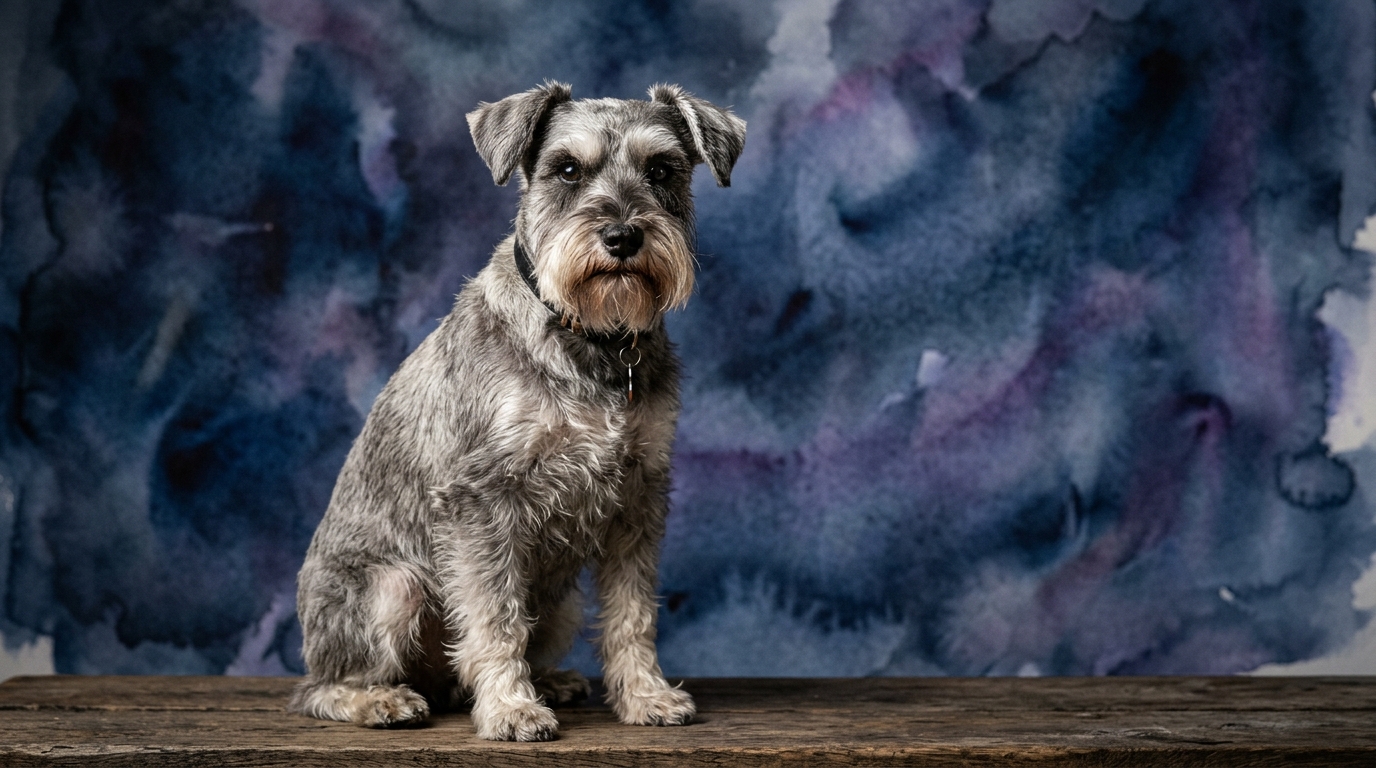
The Cosmic Pet Pet IQ Lab employs a five-dimensional framework to assess canine intelligence, providing a nuanced understanding beyond simple obedience. For the Miniature Schnauzer, a Terrier ranking #12 on the Coren scale, its profile is marked by an active, independent mind. Its Problem Solving is rated 4/5, indicating a strong capacity to strategize and figure out novel situations rather than simply following learned patterns. Training Speed is an impressive 5/5, reflecting its eagerness and quick grasp of new commands, making it highly responsive to instruction. Social Intelligence stands at 4/5; while adept at reading human cues, the Schnauzer often balances this with its own distinct agenda. Its Instinctive Drive, at 4/5, is rooted in its terrier heritage, manifesting as a focused determination in tasks and a vigilant protective nature. Finally, Memory is a solid 4/5, allowing for excellent retention of training and experiences.
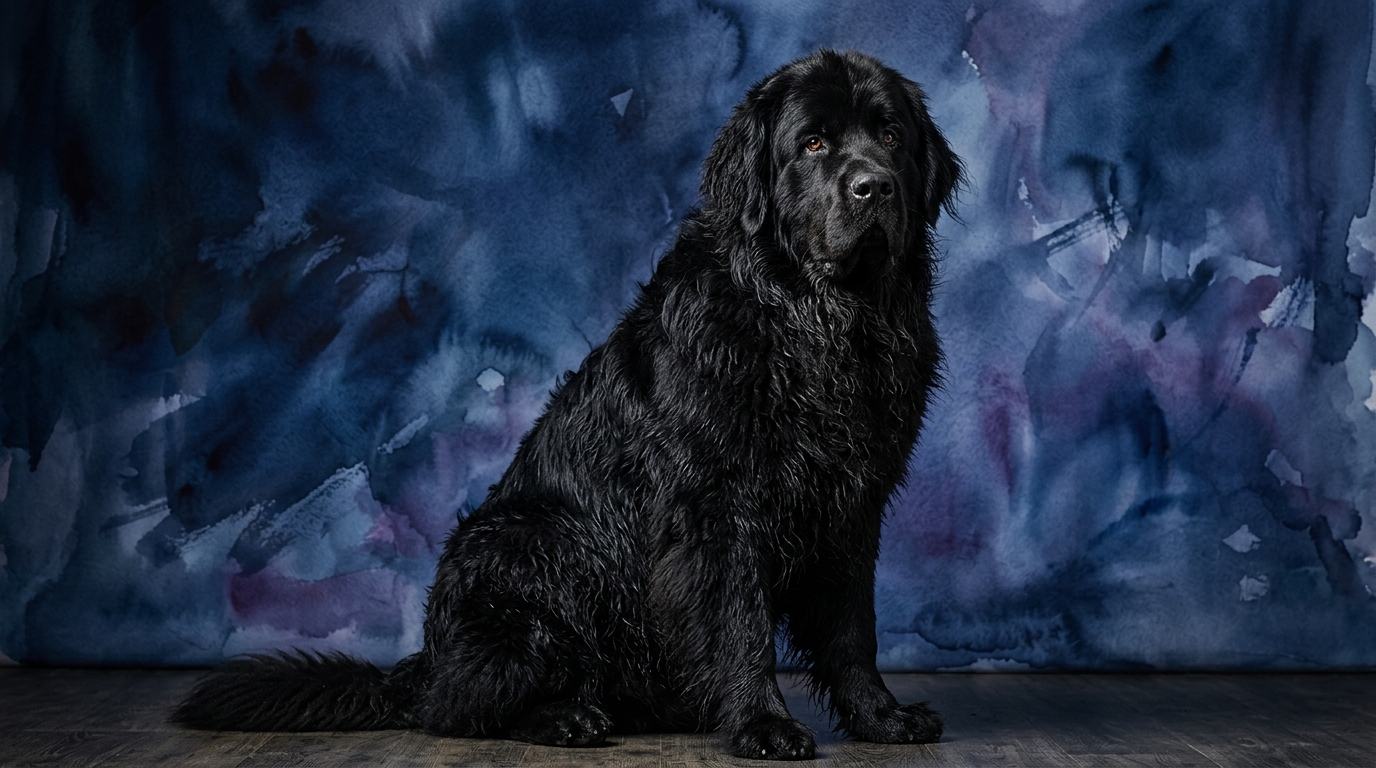
In contrast, the Newfoundland, a Working breed ranking #34 on the Coren scale, presents a profile emphasizing empathy and a profound sense of purpose. Its Problem Solving is 3/5, suggesting a more methodical approach to challenges, often relying on learned sequences or human guidance rather than spontaneous innovation. Training Speed is 4/5, signifying a commendable learning pace, particularly when the tasks align with its desire to cooperate and please. Where the Newfoundland truly shines is in Social Intelligence, rated 5/5, demonstrating an exceptional ability to perceive and respond to human emotions and social dynamics. Its Instinctive Drive is also a perfect 5/5, stemming from its heritage as a water rescue dog, translating into a powerful innate desire to protect, assist, and nurture. Memory for the Newfoundland is 4/5, ensuring it retains commands, routines, and the emotional context of its interactions effectively.
Where the Miniature Schnauzer Wins Cognitively
The Miniature Schnauzer demonstrates a distinct cognitive advantage in areas demanding quick thinking and independent action. Its superior Problem Solving score (4/5 compared to the Newfoundland’s 3/5) means it is more inclined to devise creative solutions to obstacles, such as figuring out how to open a child-proof gate or retrieve a toy from an unusual spot. This isn't just about persistence; it's about actively analyzing a situation and formulating a plan. This cognitive agility makes them adept at navigating complex environments and adapting to unexpected changes. Furthermore, the Schnauzer's exceptional Training Speed (5/5 versus the Newfoundland's 4/5) signifies a remarkable efficiency in learning. They often grasp new commands, tricks, and routines with fewer repetitions, making them highly responsive to training and well-suited for activities requiring rapid acquisition of skills, such as agility or obedience competitions. Their focused attention during learning sessions allows them to absorb and integrate information at an accelerated pace, showcasing a keen mental sharpness.
Where the Newfoundland Wins Cognitively
The Newfoundland's cognitive strengths lie in areas of emotional depth and innate purpose, making it a truly exceptional companion. Its perfect 5/5 Social Intelligence rating, surpassing the Schnauzer's 4/5, means it possesses an extraordinary ability to read and respond to human emotions, often anticipating needs and offering comfort without explicit prompting. This manifests as profound empathy, allowing them to integrate seamlessly into family dynamics and provide a calming, supportive presence. They are highly attuned to the emotional atmosphere, often acting as a stabilizing force. Complementing this is their 5/5 Instinctive Drive, which is higher than the Schnauzer's 4/5. For Newfoundlands, this drive is not predatory but rooted in their historical role as water rescue dogs and guardians. It translates into an unwavering desire to protect, assist, and be an integral, nurturing part of their family unit. This deep-seated instinct fuels their devotion, making them profoundly reliable and gentle companions who genuinely want to contribute to the well-being of their human pack, often displaying a calm determination in their protective role.
Which is Easier to Train and Why
When considering ease of training, the Miniature Schnauzer generally holds an edge, primarily due to its superior Training Speed rating of 5/5 compared to the Newfoundland's 4/5. Schnauzers exhibit a remarkable eagerness to learn and a quick ability to process and retain new commands, often requiring fewer repetitions to master a task. Their inherent quickness and independent thought make them adaptable to varied training styles, thriving on challenges that engage their problem-solving mind. They are often quick to connect actions with positive outcomes, which accelerates the learning process. Conversely, while Newfoundlands are willing and cooperative learners, their pace is more deliberate. They absorb information steadily and respond best to patient, consistent methods that appeal to their strong desire to please and their social intelligence rather than rapid-fire instruction. Once a Newfoundland learns something, however, their strong memory and cooperative nature ensure a high degree of consistency and reliability, making them steadfastly obedient companions in the long run, even if the initial acquisition takes a bit longer than a Schnauzer.
Which Suits Active Owners vs. Relaxed Owners
The Miniature Schnauzer, with its sharp problem-solving skills, energetic terrier nature, and higher instinctive drive, is better suited for active owners who can provide consistent mental stimulation and engage in regular, varied physical activities. They thrive with owners who enjoy structured training, canine sports like agility or earthdog trials, or even just daily walks that include opportunities for exploration and puzzle-solving. Their independent streak and quick wit mean they benefit from an owner who can channel their considerable mental energy into productive outlets. Owners who appreciate a dog that actively participates in problem-solving and enjoys a spirited, engaging lifestyle will find the Schnauzer a rewarding companion. Neglecting their mental needs can lead to self-directed problem-solving, which might not always align with human preferences.
The Newfoundland, while still requiring regular exercise to maintain its health and manage its substantial size, can be a better fit for owners who prefer a more relaxed pace and value profound companionship over intense, high-energy activity. Their high social intelligence means they are deeply content being close to their family, participating in calm, shared activities, and offering a comforting presence. They appreciate owners who can provide a stable, loving environment and engage them in gentle, purposeful interactions, such as leisurely walks, swimming, or simply being a constant, reassuring presence. Their immense size necessitates a home environment that can accommodate them comfortably, and while they enjoy activity, it's often more about being present and involved with their family rather than engaging in high-octane pursuits. They are ideal for owners seeking a devoted, empathetic companion who offers unwavering loyalty and a calm demeanor.
The Verdict
Opt for a Miniature Schnauzer if you seek a quick-witted, independent companion eager to learn complex tasks and participate in mentally stimulating activities. They are ideal for owners who enjoy a dog with a problem-solving mindset and a spirited, tenacious personality.
Select a Newfoundland if your priority is an exceptionally empathetic, gentle giant whose profound social intelligence and instinctive desire to nurture make them an unparalleled family companion. They are best for owners who appreciate a calm, devoted presence and a steady, cooperative learner.
🧠 Find Your Pet's IQ Score
Our Pet IQ Lab assessment covers 25+ tests across 5 cognitive dimensions — personalized to your breed.
Take the Full IQ Test →Frequently Asked Questions
Is a Miniature Schnauzer harder to live with due to its higher problem-solving?
Not necessarily harder, but a Miniature Schnauzer's high problem-solving ability requires an owner who can consistently channel its cognitive agility. Their tendency to figure things out means they need engaging mental challenges and clear boundaries, otherwise, they might devise their own, less desirable, solutions to boredom or perceived restrictions.
Does the Newfoundland's strong instinctive drive make it difficult to manage?
The Newfoundland's strong instinctive drive is primarily for rescue and companionship, not aggression or unruliness. This drive manifests as a deep desire to be with and protect its family, making them generally gentle and devoted; however, due to their immense size, early and consistent training in manners and obedience is crucial to ensure they are manageable and safe companions.
Which breed is better for families with children, considering their IQ profiles?
The Newfoundland's superior social intelligence and strong nurturing drive often make it an outstanding choice for families, as they are exceptionally patient and empathetic with children, often acting as gentle guardians. While Miniature Schnauzers are also good family dogs, their more independent problem-solving nature means they might require more supervision and structured interaction to ensure smooth dynamics with very young children, as they can be less inclined to tolerate boisterous play without clear boundaries.