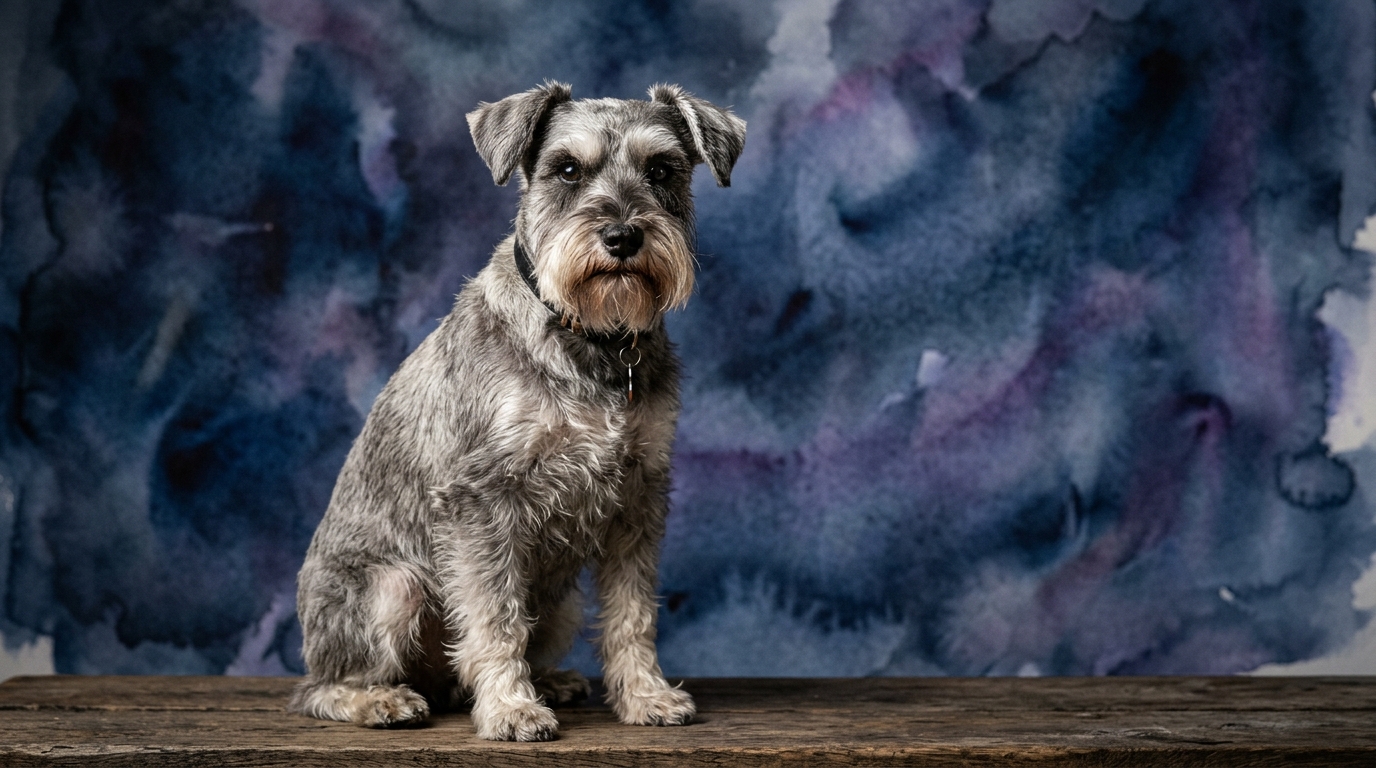
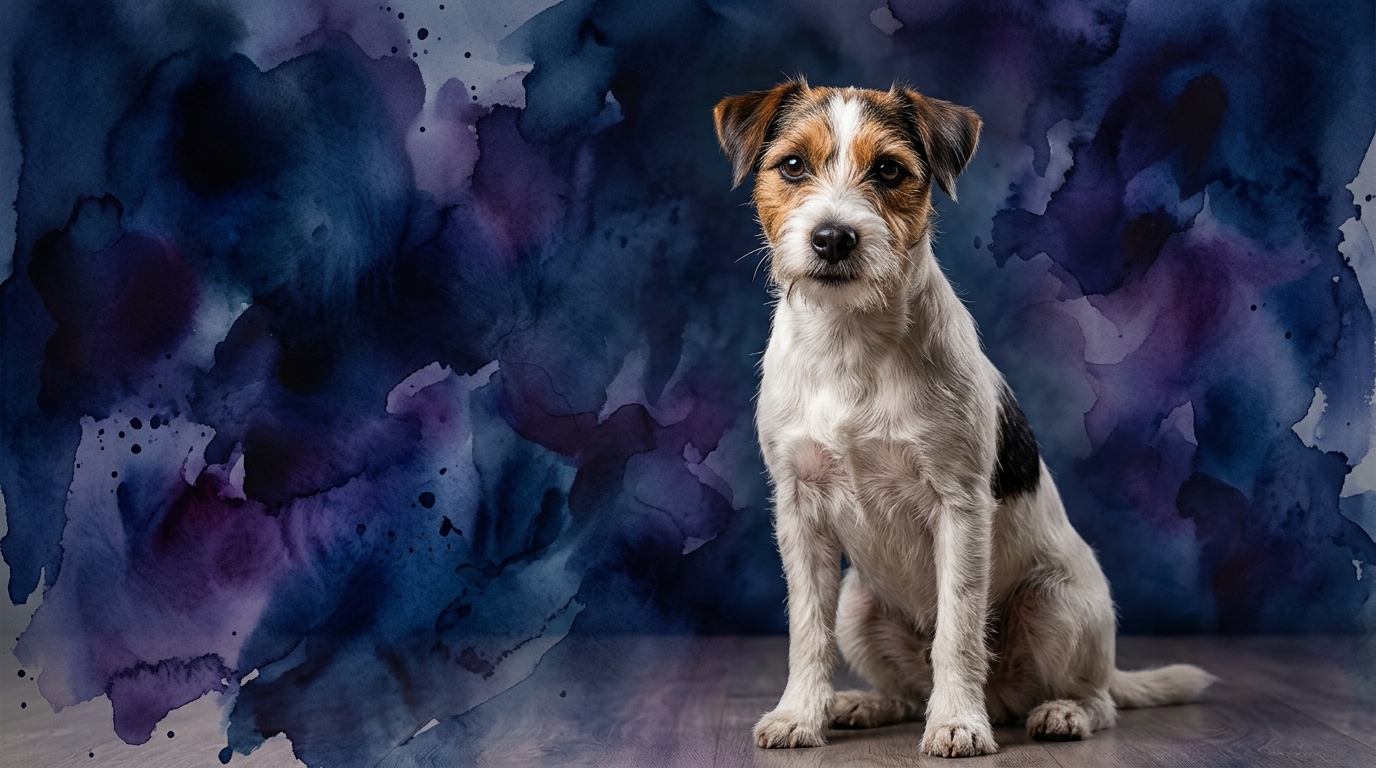
Side-by-Side Cognitive Profile
The Miniature Schnauzer, a recognized top performer in canine cognition, presents a robust intellectual package. Its problem-solving ability is rated 4/5, indicating a strong capacity to navigate complex situations and strategize. Training speed is an impressive 5/5, suggesting a rapid grasp of new commands and routines. Social intelligence, at 4/5, highlights their nuanced understanding of human cues and emotional states. An instinctive drive of 4/5 points to a keen focus on purpose-driven tasks, while memory, also 4/5, ensures excellent retention of learned behaviors and experiences.
In contrast, the Parson Russell Terrier, though not Coren-ranked, possesses a distinct cognitive makeup. Its problem-solving registers at 3/5, indicating a practical, direct approach to challenges rather than intricate strategizing. Training speed is 3/5, meaning they require consistent, patient repetition to master new skills. Social intelligence, at 3/5, suggests they engage with their environment and humans in a straightforward manner, less prone to over-interpreting subtle cues. Their instinctive drive is 3/5, a moderate but persistent energy for pursuit and activity, and their memory also stands at 3/5, implying solid retention for well-established patterns.
Where the Miniature Schnauzer Excels Cognitively
The Miniature Schnauzer's cognitive strengths lie in its exceptional adaptability and rapid learning. Its 4/5 problem-solving score translates into a dog that can quickly assess novel situations, such as figuring out how to open a treat-dispensing puzzle or navigating a new environment with ease. This breed often demonstrates a proactive approach to challenges, seeking solutions rather than waiting for direction.
Their 5/5 training speed is a significant advantage, meaning they can acquire new commands, tricks, and complex routines in fewer repetitions than many other breeds. Coupled with a 4/5 memory, the Schnauzer not only learns quickly but also retains that information over long periods, making advanced obedience or dog sports a natural fit. Furthermore, their 4/5 social intelligence allows them to keenly observe and respond to human emotions and intentions, fostering a deep, communicative bond that enhances their ability to work cooperatively.
Where the Parson Russell Terrier Shines Cognitively
While the Parson Russell Terrier's scores might appear lower across the board, their cognitive profile represents a different kind of strength—one rooted in focused determination and pragmatic efficiency. Their 3/5 problem-solving isn't about intricate strategy, but rather a direct, tenacious approach to immediate obstacles. This can be an advantage in tasks requiring single-minded pursuit, where over-analysis might hinder progress.
The Parson Russell's 3/5 instinctive drive, while moderate, is channeled with remarkable intensity towards specific, often prey-related, goals. This translates into unwavering persistence when tracking a scent or engaging in a focused activity, demonstrating a singular application of their cognitive resources. Their straightforward social intelligence (3/5) means they are less likely to be swayed by subtle social nuances, maintaining focus on their task. For owners seeking a dog with a clear, unambiguous drive and a no-nonsense approach to challenges, the Parson Russell Terrier's focused cognitive application is a distinct benefit.
Training Dynamics: Which Breed is Easier?
When considering ease of training, the Miniature Schnauzer clearly holds an advantage due to its 5/5 training speed and 4/5 memory. This breed typically picks up new commands with remarkable rapidity, often understanding what's expected after just a few repetitions. Their higher social intelligence also means they are generally more attuned to their handler's cues and more eager to please, which further accelerates the learning process. This makes them highly responsive to positive reinforcement and well-suited for a variety of training disciplines, from basic obedience to agility.
The Parson Russell Terrier, with a 3/5 training speed and 3/5 memory, requires a more patient and consistent approach. While capable of learning, they may need more repetitions to solidify new behaviors. Their strong terrier independence and moderate instinctive drive mean that training sessions must be engaging and varied to hold their attention. While they can achieve high levels of training, it often demands a handler who understands their tenacious nature and can channel their focus effectively, rather than relying on inherent eagerness to comply.
Matching Breeds to Lifestyles: Active vs. Relaxed Owners
For active owners seeking a highly engaged and versatile companion, the Miniature Schnauzer often proves an excellent match. Their 4/5 problem-solving and 4/5 instinctive drive mean they thrive on mental stimulation and varied activities. They enjoy learning new tricks, participating in dog sports like rally or agility, and engaging in interactive play that challenges their intellect. Their higher social intelligence also makes them keen participants in family life, enjoying involvement in daily routines and social outings. An owner who can provide consistent mental enrichment and varied physical exercise will find the Miniature Schnauzer a rewarding partner.
The Parson Russell Terrier, while possessing a moderate instinctive drive (3/5), channels this energy with intensity, making them suitable for active owners who appreciate a dog with a clear purpose. They excel in activities like earthdog trials, scent work, or long hikes where their tenacity and focused drive can be fully expressed. Their straightforward social intelligence means they are less concerned with complex social dynamics and more focused on the task at hand, making them ideal for owners who enjoy direct, action-oriented engagement. They require regular, vigorous exercise to prevent boredom, making them less suited for a predominantly relaxed, low-activity lifestyle.
The Verdict: When to Choose Each Breed
Choosing between these two terriers hinges on the specific cognitive traits you value and the lifestyle you offer. The Miniature Schnauzer is an excellent choice for owners who desire a highly trainable, socially perceptive, and adaptable companion capable of mastering complex tasks and thriving on varied mental challenges. They integrate seamlessly into family life, eager to learn and participate.
The Parson Russell Terrier is best suited for owners who appreciate a dog with unwavering determination, a pragmatic approach to problem-solving, and a focused, intense drive for specific activities. They thrive with consistent, engaging training and owners who can channel their spirited energy into purposeful endeavors.
The Verdict
Choose the Miniature Schnauzer if you prioritize rapid learning, nuanced social interaction, and a dog that excels in diverse mental stimulation and cooperative training. They offer a highly adaptable and communicative companionship.
Opt for the Parson Russell Terrier if you seek a tenacious, focused companion with a pragmatic approach to challenges and a strong, directed drive for specific activities. They thrive with consistent engagement and clear purpose.
🧠 Find Your Pet's IQ Score
Our Pet IQ Lab assessment covers 25+ tests across 5 cognitive dimensions — personalized to your breed.
Take the Full IQ Test →Frequently Asked Questions
Do Miniature Schnauzers require a lot of mental stimulation?
Yes, with a 4/5 problem-solving and 4/5 instinctive drive, Miniature Schnauzers benefit significantly from consistent mental enrichment. This can include puzzle toys, learning new tricks, or participating in dog sports, ensuring they remain engaged and content.
Are Parson Russell Terriers difficult to train due to their independence?
Parson Russell Terriers, with their 3/5 training speed and moderate instinctive drive, require patience and consistency in training. While independent, they are capable learners if training is made engaging and reinforces their natural drive, rather than solely relying on compliance.
Which breed is better for first-time dog owners?
The Miniature Schnauzer's higher training speed and social intelligence generally make them a more forgiving choice for first-time owners who are committed to consistent training. The Parson Russell Terrier's focused drive and independence might be more challenging for those new to dog ownership.