Side-by-Side Cognitive Profile
The Cosmic Pet Pet IQ Lab assesses canine intelligence across five key dimensions, providing a nuanced view of each breed's mental landscape.
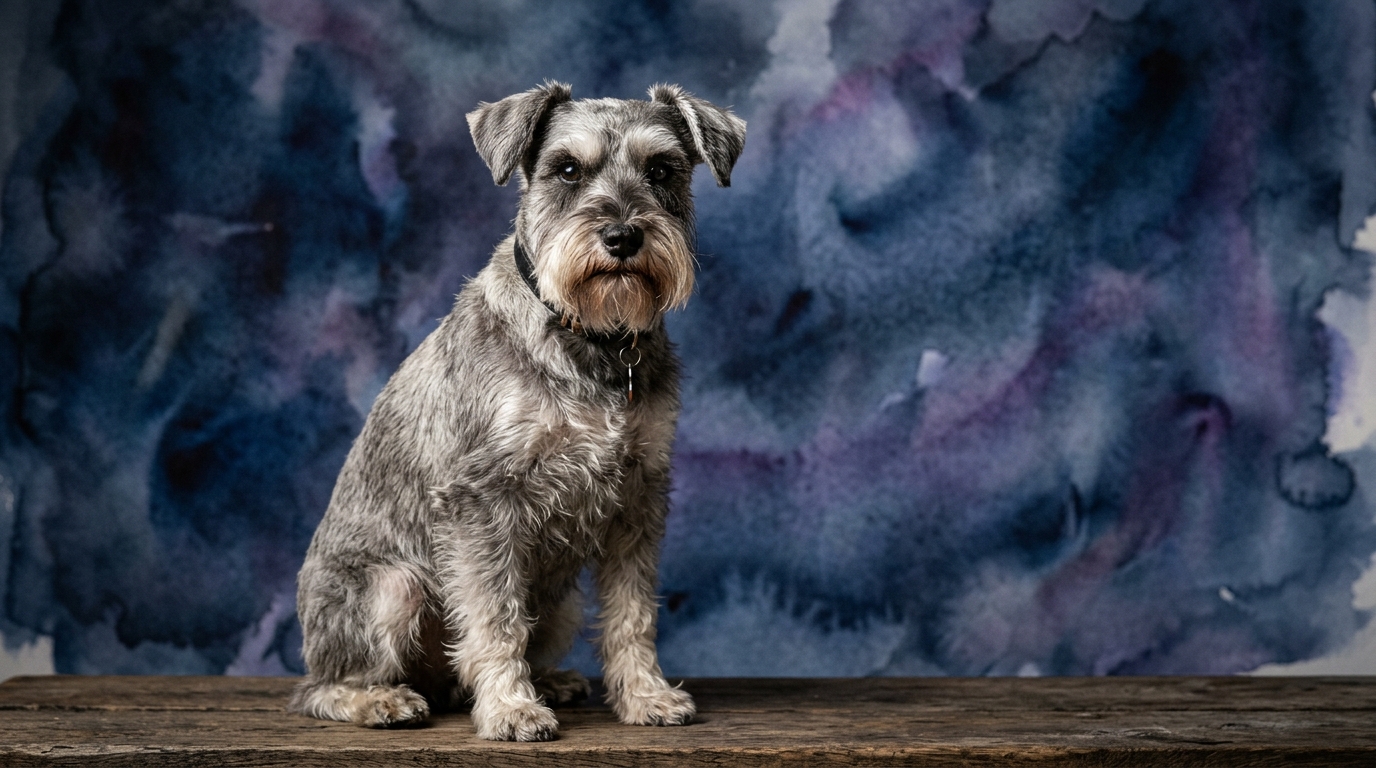
Miniature Schnauzer (Coren rank #12):
Problem Solving (4/5): Exhibits a robust capacity for figuring out novel situations, often employing strategic thought to overcome obstacles.
Training Speed (5/5): A remarkable quickness in grasping new commands and behaviors defines their training aptitude, requiring fewer repetitions.
Social Intelligence (4/5): Displays a developed understanding of human cues and social dynamics, forming strong, nuanced bonds with family members.
Instinctive Drive (4/5): Their terrier heritage manifests as a pronounced drive for pursuits like chasing, digging, and vigilance.
Memory (4/5): Possesses a solid ability to recall learned commands, routines, and experiences over long periods.
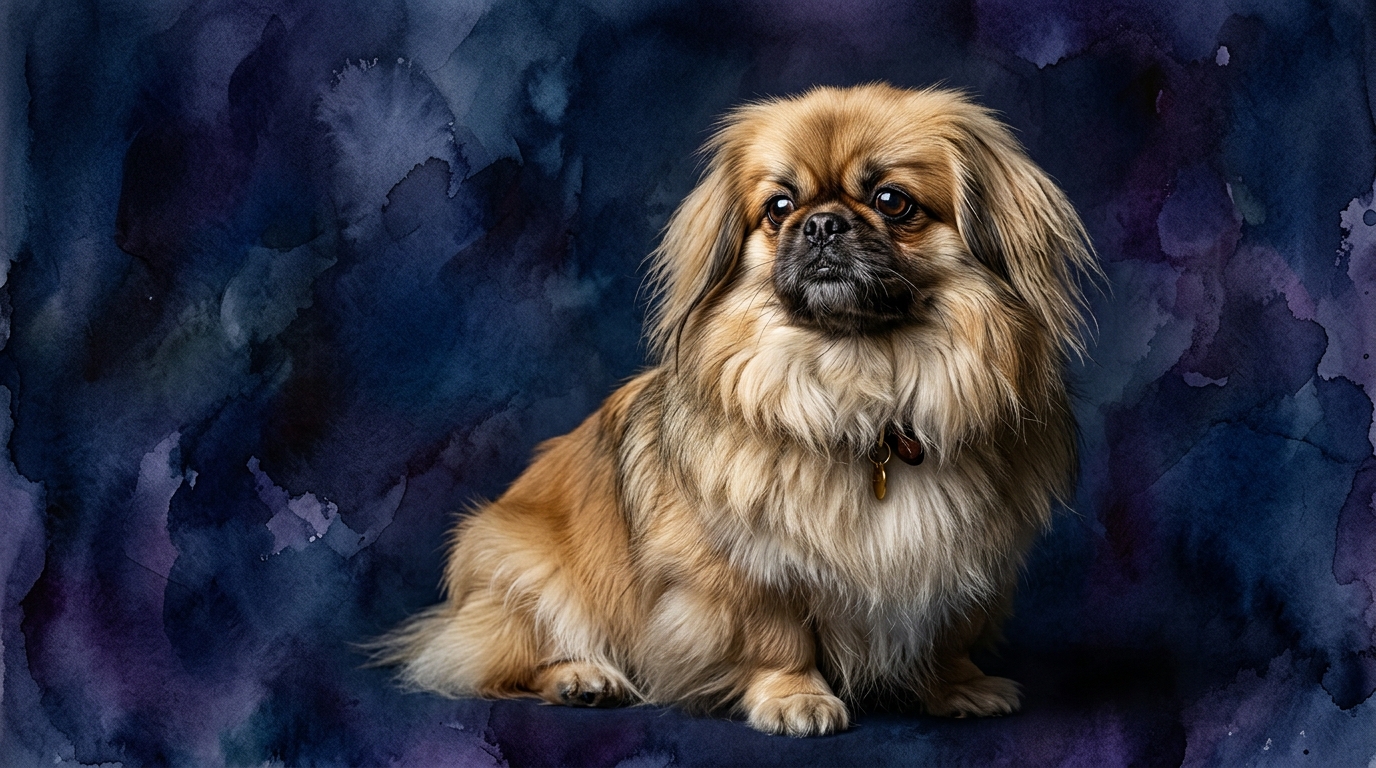
Pekingese (Coren rank #77):
Problem Solving (3/5): Demonstrates a moderate ability to tackle new challenges, often preferring familiar routines over actively seeking complex solutions.
Training Speed (3/5): Their pace for acquiring new commands is steady but not rapid, typically needing more repetitions and consistent reinforcement.
Social Intelligence (3/5): Shows a respectable understanding of their human companions, forming close attachments, though often reserved towards strangers.
Instinctive Drive (3/5): Exhibits a moderate inclination towards guarding territory and seeking comfort, with drives centering on companionship and security.
Memory (3/5): Possesses a reliable memory for established routines and cherished people, though new information may take longer to commit.
Where the Miniature Schnauzer Shines Cognitively
The Miniature Schnauzer's cognitive strengths lie in proactive engagement and rapid learning. Their Problem Solving score of 4/5 indicates a natural inclination to dissect and overcome challenges, whether retrieving a toy or navigating an obstacle course, showcasing strategic thinking. A perfect 5/5 in Training Speed means they absorb new commands and concepts with remarkable efficiency, mastering a wide repertoire of behaviors quickly. This rapid assimilation makes them prime candidates for advanced obedience or trick training. Their robust Memory (4/5) ensures these learned skills are retained, providing a consistent and reliable companion. This blend of quick understanding, problem-solving prowess, and excellent recall positions the Miniature Schnauzer as capable of sophisticated cognitive tasks and sustained mental engagement.
Where the Pekingese Excels Cognitively
While the Pekingese may not match the Schnauzer's speed, their cognitive strengths reside in nuanced companionship and environmental adaptation. Their Social Intelligence (3/5) is often expressed through subtle cues and an innate understanding of their human's emotional state, particularly within their immediate family. Combined with adequate Memory (3/5), they excel at discerning routines and anticipating household patterns, integrating seamlessly into a stable home. Their Instinctive Drive (3/5) is geared towards watchful companionship and securing their comfort zone, leading to a calm, observant intelligence. They are acutely aware of changes in their immediate surroundings or emotional shifts of caregivers, processing information to prioritize harmony and stability. This fosters a deep, quiet bond, where understanding is conveyed through presence and subtle interaction.
Training Aptitude: Which Breed is More Responsive?
Evaluating ease of training fundamentally comes down to a breed's Training Speed and Instinctive Drives, where the Miniature Schnauzer clearly leads. With a perfect 5/5 in Training Speed, they are remarkably quick to grasp new commands, often needing few repetitions. This efficiency stems from an inherent desire to work and please, coupled with keen focus. Their strong Instinctive Drive (4/5) means they are naturally motivated by activities engaging their terrier instincts, which can be effectively channeled into reward-based training. They thrive on mental stimulation and enjoy learning. In contrast, the Pekingese, with a Training Speed of 3/5, requires a more patient and repetitive approach. They aren't as inherently driven by active tasks, and their Instinctive Drive (3/5) focuses more on comfort than complex actions. Trainers must prepare for slower progress, focusing on positive reinforcement in a low-pressure environment. While capable, the Pekingese often needs more motivation and a quieter setting, whereas the Schnauzer eagerly participates.
Lifestyle Match: Active Owners vs. Relaxed Owners
The choice for active versus relaxed owners hinges significantly on inherent energy levels and cognitive needs. The Miniature Schnauzer, with robust Problem Solving (4/5) and strong Instinctive Drive (4/5), is ideal for active owners. They thrive on mental challenges and physical exercise, requiring regular walks, playtime, and puzzle toys. Their spirited terrier energy needs an outlet; an owner who enjoys daily activities like hiking or agility will find a matched partner. Without sufficient stimulation, a Schnauzer might channel their problem-solving into less desirable behaviors. Conversely, the Pekingese aligns wonderfully with more relaxed owners. Their moderate Instinctive Drive (3/5) and slower Training Speed (3/5) mean they are content with a more sedentary lifestyle. Short, leisurely strolls and indoor play often suffice. Their cognitive profile suggests they appreciate routine and a calm environment, making them excellent lap companions for those who prefer quiet evenings at home and value a tranquil presence over an adventure partner.
The Verdict
Choose the Miniature Schnauzer if you seek an agile, quick-witted companion eager for training challenges and shared adventures, thriving with consistent mental and physical engagement.
Opt for the Pekingese if your lifestyle is more serene, valuing a calm, affectionate companion who finds contentment in established routines and quiet companionship.
🧠 Find Your Pet's IQ Score
Our Pet IQ Lab assessment covers 25+ tests across 5 cognitive dimensions — personalized to your breed.
Take the Full IQ Test →Frequently Asked Questions
Do Miniature Schnauzers require extensive grooming due to their coat type?
Yes, Miniature Schnauzers have a dense, wiry double coat that benefits from regular grooming. This typically includes brushing several times a week, professional stripping or clipping every 6-8 weeks, and routine trimming around the face and paws to maintain their characteristic appearance and prevent matting.
Are Pekingese prone to any specific health issues related to their unique physical structure?
Pekingese, being a brachycephalic breed, are indeed prone to certain health concerns. These can include respiratory difficulties due to their short snout, eye problems like corneal ulcers, and heat sensitivity. Owners should be mindful of temperature extremes and ensure regular veterinary check-ups.
How do the social needs of a Miniature Schnauzer compare to those of a Pekingese?
Miniature Schnauzers, with their higher social intelligence, generally thrive on active interaction and inclusion in family activities, often forming strong bonds with multiple individuals. Pekingese, while affectionate with their chosen family, tend to be more reserved and may prefer a smaller, quieter social circle, often forming a particularly deep bond with one primary caregiver.