Side-by-Side Cognitive Profiles
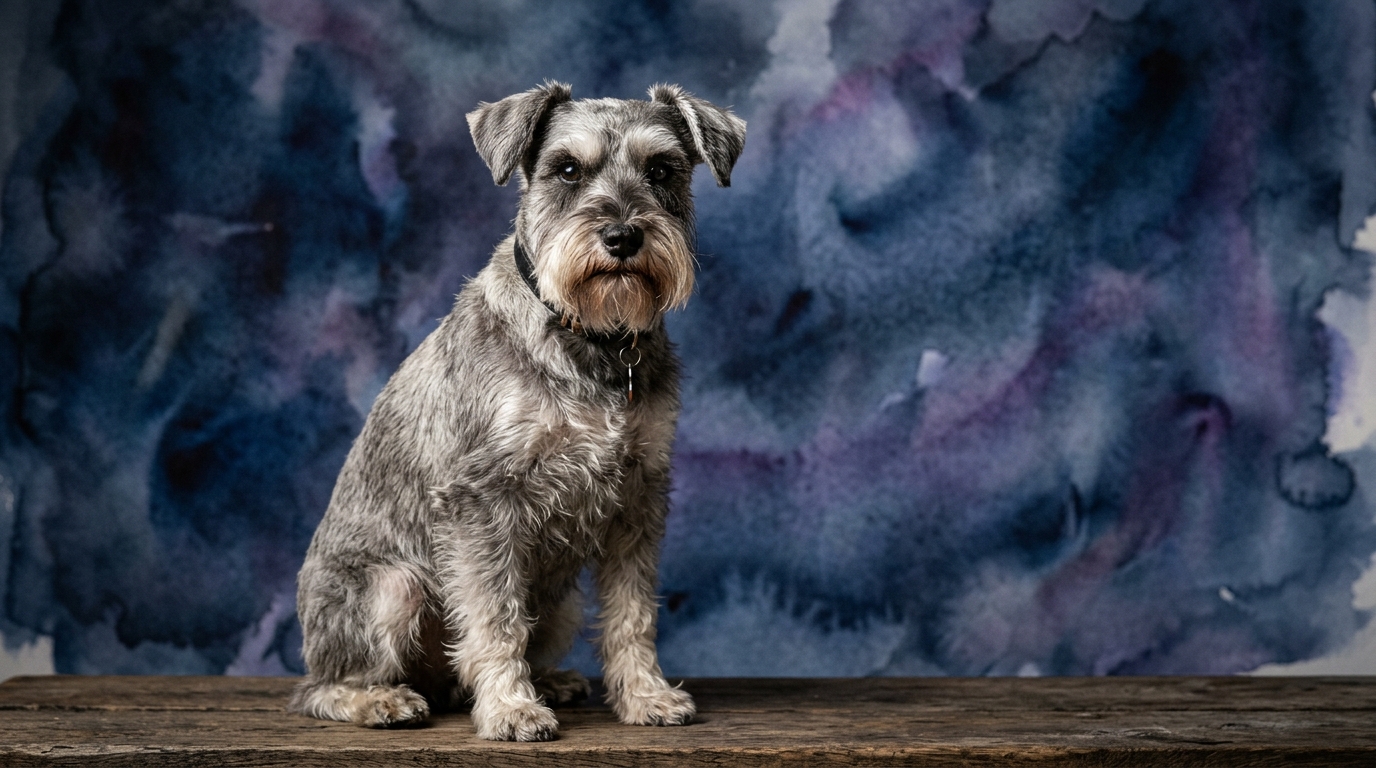
The Cosmic Pet Pet IQ Lab employs five key dimensions to evaluate a dog's cognitive abilities, providing a nuanced understanding of their mental landscape. For the Miniature Schnauzer, ranked #12 on the Coren scale, their profile paints a picture of a capable and engaged learner. They score 4/5 in Problem Solving, indicating a strong capacity for independent thought and figuring out novel situations. Their Training Speed is an impressive 5/5, suggesting a quick grasp of new commands and a readiness to learn. Social Intelligence stands at 4/5, reflecting a good understanding of human cues and interactions. An Instinctive Drive of 4/5 speaks to their terrier heritage, encompassing a zest for chasing, digging, and vigilance. Finally, their Memory is rated 4/5, signifying robust retention of learned behaviors and experiences.
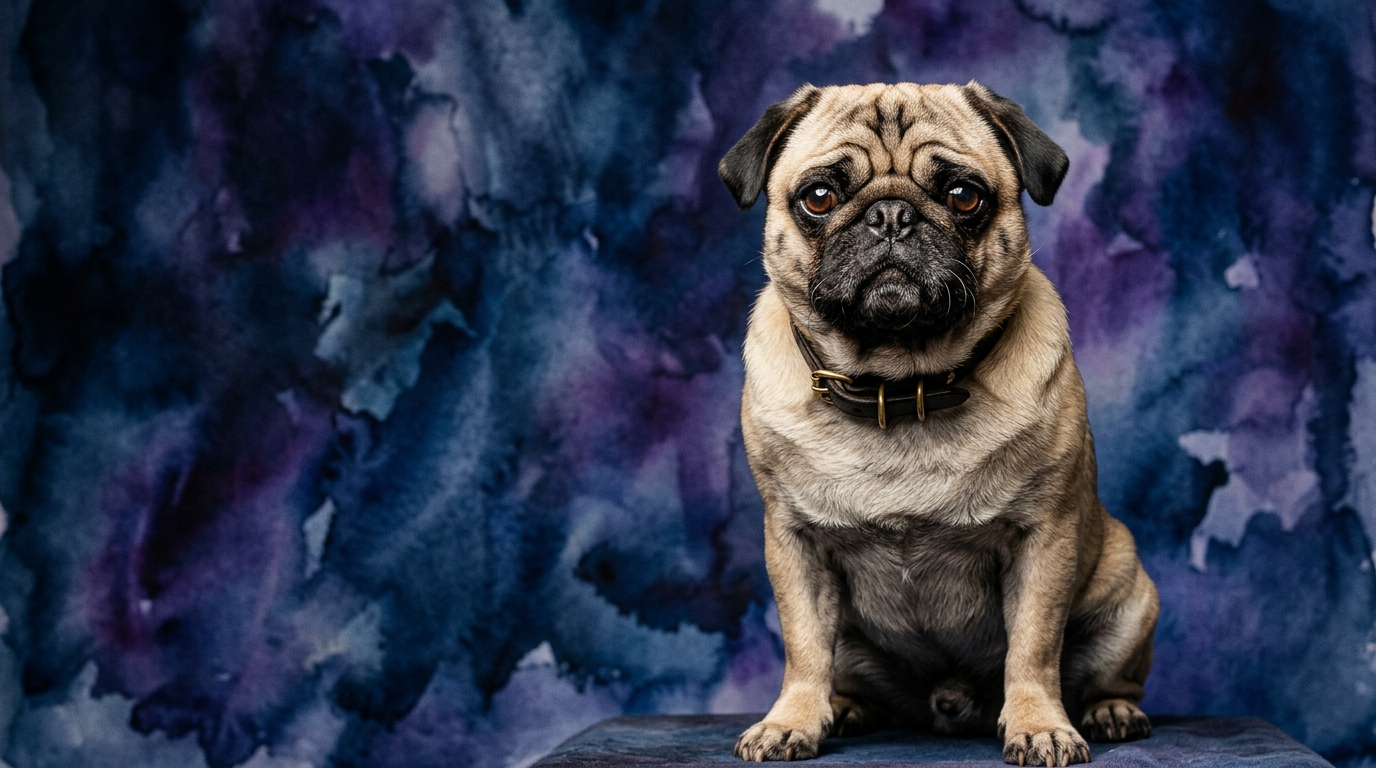
In contrast, the Pug, a beloved Toy breed ranked #57 by Coren, presents a profile geared more towards companionship than complex tasks. Their Problem Solving score is 2/5, implying they might prefer to let their human companions handle intricate challenges rather than strategizing independently. Training Speed also sits at 2/5, indicating a more deliberate pace in absorbing new instructions, often requiring patience and positive reinforcement. Where the Pug truly excels is in Social Intelligence, earning a perfect 5/5, highlighting their exceptional ability to read and respond to human emotions and social dynamics. Their Instinctive Drive is lower at 2/5, reflecting a preference for comfort and close human interaction over traditional working drives. Their Memory is rated 3/5, suggesting an average capacity for retaining information, particularly strong for routines and emotional associations.
Where the Miniature Schnauzer Excels Cognitively
The Miniature Schnauzer's cognitive strengths are rooted in their working terrier background, making them particularly adept at tasks requiring mental engagement and persistence. Their 4/5 rating in Problem Solving means they are not simply waiting for instructions; they are actively assessing situations and devising solutions. This could manifest in figuring out how to open a gate, retrieve a hidden toy, or navigate a complex obstacle course. This capacity for independent strategizing is a hallmark of their breed. Coupled with a 5/5 Training Speed, they absorb new commands with remarkable swiftness, often requiring fewer repetitions than many other breeds. This rapid acquisition makes them excellent candidates for advanced obedience, agility, or even trick training, where quickly linking actions to verbal cues is paramount. Their 4/5 Instinctive Drive fuels a natural inclination towards engaging with tasks, whether it’s scent work or herding games, driven by an innate desire to pursue and achieve. This drive, coupled with a 4/5 Memory, ensures that once a skill is learned, it is retained effectively, allowing for the building of complex behavioral repertoires over time.
Where the Pug Shines Cognitively
While the Miniature Schnauzer excels in task-oriented cognition, the Pug truly shines in the realm of social intelligence, earning a perfect 5/5. This isn't about solving mechanical puzzles, but rather about their profound ability to understand and respond to the emotional nuances of their human companions. A Pug can often sense a shift in mood, offering comfort or initiating play at just the right moment, demonstrating an empathetic understanding that goes beyond simple learned responses. Their capacity to read subtle facial expressions, body language, and vocal tones allows them to integrate seamlessly into family life, making them exceptional emotional support animals. This profound social connection means they prioritize interaction and affection, often using their charming personalities to elicit desired responses from their owners. Their memory, while rated 3/5, likely holds a strong emphasis on routines and positive social interactions, remembering who provides comfort and when, and associating specific people with warmth and security.
Trainability: Miniature Schnauzer vs. Pug
In terms of traditional obedience and skill acquisition, the Miniature Schnauzer generally presents as the easier breed to train. Their 5/5 Training Speed means they pick up new commands with impressive rapidity, often showing a keen desire to engage and perform, a trait stemming from their working terrier background. They respond well to consistent, reward-based methods and enjoy the mental stimulation that training provides. However, their 4/5 Instinctive Drive, while a cognitive strength, can sometimes manifest as a spirited independence or a strong prey drive that requires focused redirection. A Miniature Schnauzer might quickly learn "stay" but might also decide a scurrying leaf is a more pressing concern, requiring a handler who understands their inherent drives.
The Pug, with a 2/5 Training Speed, requires a different approach. Their learning curve is gentler, demanding more patience, shorter sessions, and a consistent application of high-value rewards, often food-based, to maintain focus. They are not naturally inclined to repetitive drills and can become bored or distracted if training isn't made enjoyable and low-pressure. Their 2/5 Problem Solving means they are less likely to independently figure out what's expected, relying more on clear, consistent guidance from their handler. Their primary motivation is social connection and comfort, so training that leverages these aspects, rather than strict commands, tends to be more successful. House training, for instance, might take longer for a Pug due to their lower instinctive drive for cleanliness and slower training speed, necessitating extra consistency and positive reinforcement.
Matching Breeds to Lifestyles: Active vs. Relaxed Owners
For owners leading an active lifestyle who enjoy engaging their dog in mental and physical challenges, the Miniature Schnauzer is often a more suitable companion. Their 4/5 Instinctive Drive means they thrive on activities like long walks, hikes, agility courses, or even earthdog trials, where their natural working tendencies can be channeled constructively. They require consistent mental stimulation to prevent boredom, which, combined with their 4/5 Problem Solving, means they appreciate puzzles, training sessions, and opportunities to figure things out. A Miniature Schnauzer left without sufficient engagement might invent their own "work," which could manifest as digging, excessive barking, or chewing, stemming from their unmet cognitive needs.
Conversely, the Pug is an ideal match for more relaxed owners who prioritize companionship and comfort. Their lower 2/5 Instinctive Drive means their exercise needs are modest, typically satisfied with short walks and indoor play. Their 5/5 Social Intelligence makes them content to spend hours lounging near their human, soaking up affection and offering quiet companionship. They don't require complex tasks or extensive training to be fulfilled; their primary joy comes from being an integral, cherished part of the family, making them perfect for apartment living or individuals seeking a devoted, low-key presence. Their social nature means they genuinely enjoy being included in family activities, even if those activities are simply watching television together.
The Verdict
Choose a Miniature Schnauzer if you're seeking an engaged, quick-learning partner for activities like obedience, agility, or trick training, and appreciate a dog with independent problem-solving skills and a spirited drive.
Opt for a Pug if your priority is a profoundly social, empathetic companion who thrives on affection and closeness, perfectly content with a more relaxed pace of life and minimal intense training demands.
🧠 Find Your Pet's IQ Score
Our Pet IQ Lab assessment covers 25+ tests across 5 cognitive dimensions — personalized to your breed.
Take the Full IQ Test →Frequently Asked Questions
Does a Miniature Schnauzer's high instinctive drive make them difficult?
While their 4/5 Instinctive Drive can mean a strong prey drive or independent spirit, it also translates to a dog eager for engagement and purpose. Channeling this drive through consistent training and activities prevents it from becoming a challenge, instead fostering a highly motivated companion.
Is it true that Pugs are difficult to train?
Pugs, with a 2/5 Training Speed, learn at a more deliberate pace than some breeds, but they are certainly trainable. Success comes from using positive reinforcement, short and fun sessions, and leveraging their 5/5 Social Intelligence to make training a bonding experience rather than a strict regimen.
How can I provide mental stimulation for a Pug given their lower problem-solving score?
Despite their 2/5 Problem Solving, Pugs thrive on social interaction and gentle engagement. Mental stimulation for a Pug often involves interactive play with their owner, short scent games, or learning simple tricks with high-value rewards, all of which strengthen the human-canine bond facilitated by their 5/5 Social Intelligence.