Side-by-Side Cognitive Profiles
The Cosmic Pet Pet IQ Lab employs a comprehensive framework to assess canine intelligence across five key dimensions, providing a nuanced understanding of each breed's cognitive strengths and inclinations. Let's delve into how the Miniature Schnauzer and the Pumi stack up in this detailed evaluation.
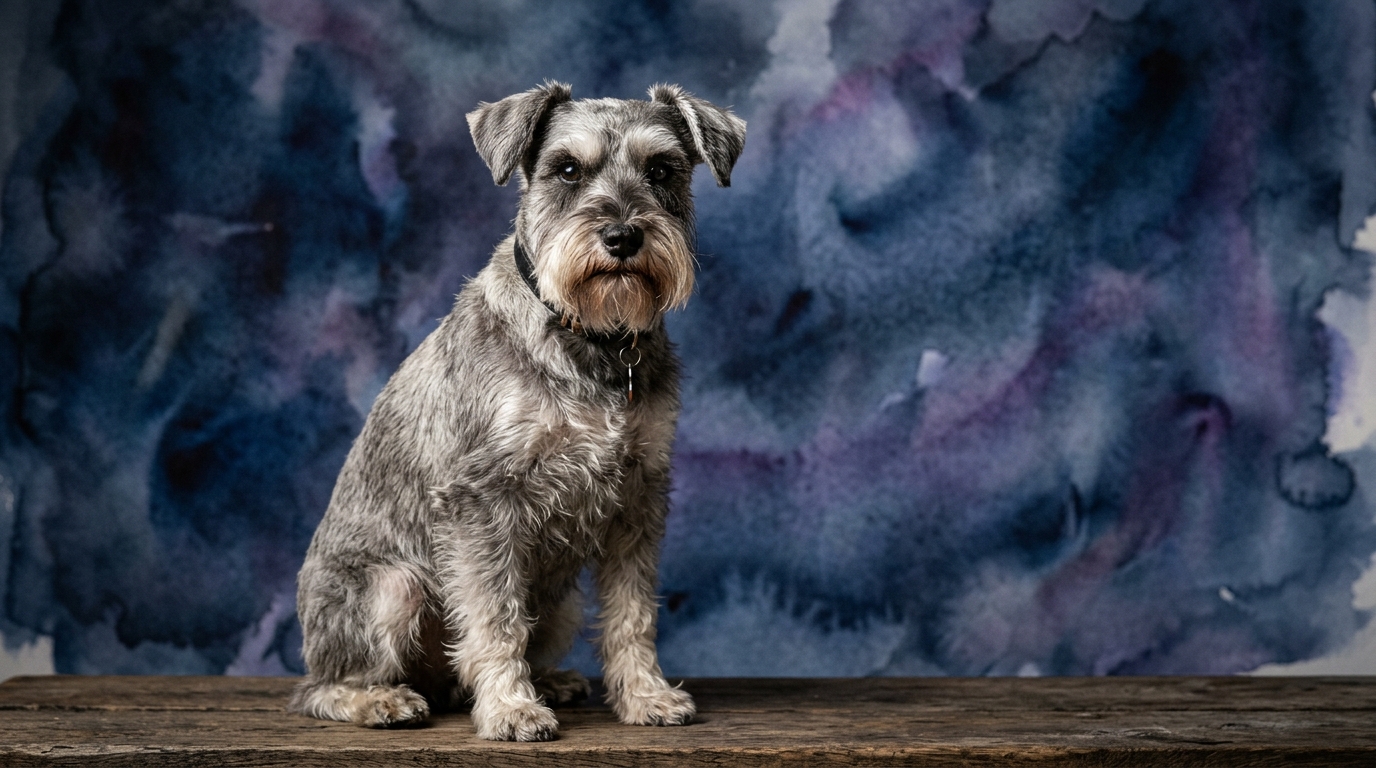
The **Miniature Schnauzer**, a lively Terrier, exhibits a strong cognitive profile across most dimensions. Their Problem Solving is rated at 4/5, indicating a robust capacity to navigate novel situations and devise clever solutions to obstacles, often with an independent streak. Training Speed is exceptionally high at 5/5, reflecting their rapid assimilation of new commands and routines, making them highly responsive learners. Their Social Intelligence scores 4/5, showcasing a keen awareness of human cues and household dynamics, allowing them to form perceptive and strong bonds. An Instinctive Drive of 4/5 highlights their strong terrier predispositions, including vigilance and a pronounced prey drive. Finally, their Memory is rated 4/5, demonstrating reliable retention of learned behaviors and experiences.
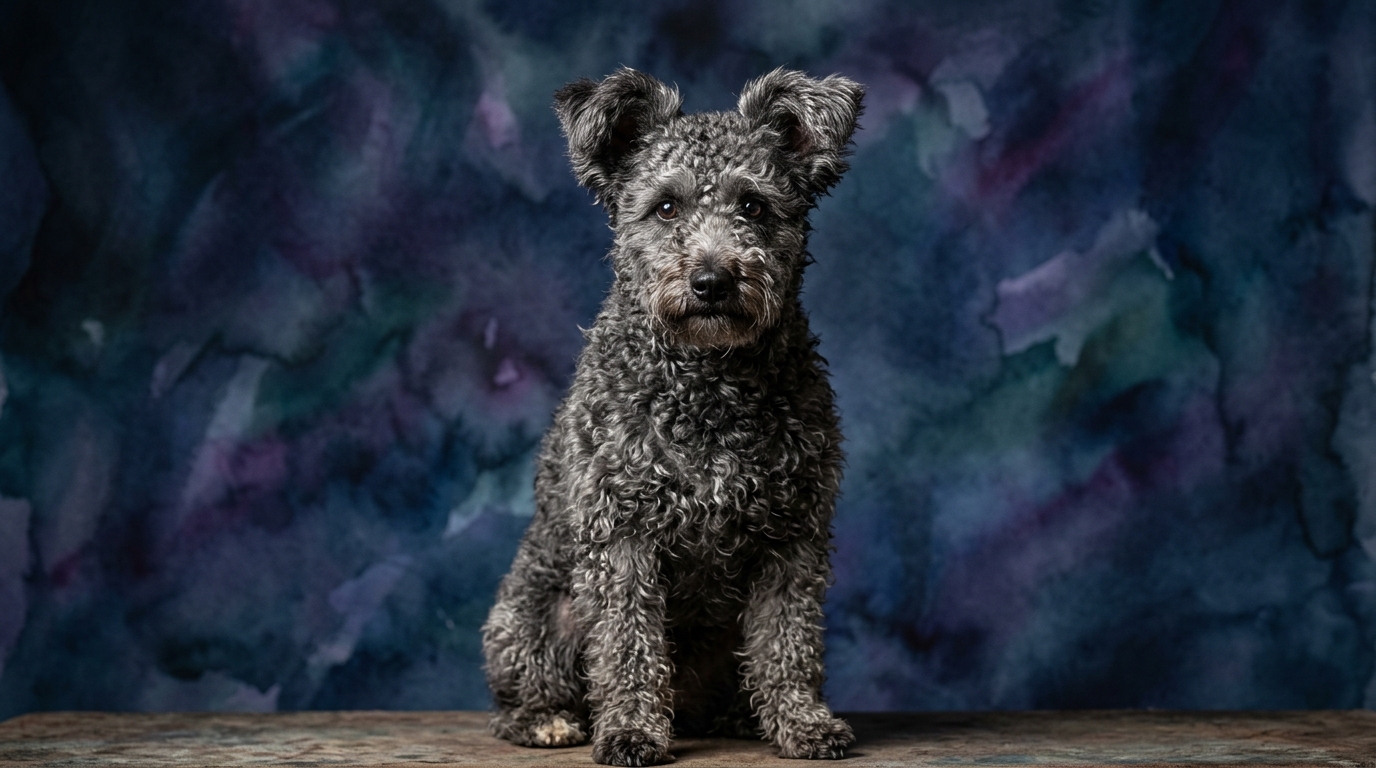
The **Pumi**, an energetic Herding dog, presents a more balanced and moderate cognitive profile. Their Problem Solving is rated 3/5, suggesting a practical approach to challenges, capable of finding solutions but perhaps requiring more guidance or trial-and-error than breeds with higher scores. Training Speed is 3/5, indicating they learn at a steady pace, benefiting from consistent repetition and clear instruction to solidify new concepts. Social Intelligence also stands at 3/5; Pumis are perceptive and form bonds, yet they might display more independence or a more reserved social expression compared to breeds with higher scores. Their Instinctive Drive is 3/5, reflecting a moderate herding inclination that is present but generally manageable in a pet setting, less intense than many other herding breeds. Memory is 3/5, meaning they retain information adequately for daily tasks and routines, though consistent reinforcement helps maintain sharp recall.
Where the Miniature Schnauzer Wins Cognitively
The Miniature Schnauzer's cognitive strengths truly shine in areas demanding quick uptake and independent thought. Their exceptional 5/5 Training Speed means they absorb new commands and routines with remarkable efficiency, often mastering complex sequences faster than many other breeds. This rapid assimilation, coupled with a 4/5 Problem Solving score, allows them to navigate novel situations with self-reliance, whether it's figuring out how to retrieve a dropped toy from under furniture or devising a strategy to get attention. Their 4/5 Social Intelligence also gives them an edge in understanding human intent and household dynamics, making them highly attuned companions who can anticipate needs and react appropriately to subtle shifts in owner mood or routine. This blend of quick learning, resourceful problem-solving, and social perceptiveness positions the Miniature Schnauzer as a cognitively agile and adaptable companion.
Furthermore, the Miniature Schnauzer's robust memory (4/5) ensures that once a lesson is learned or a routine established, it sticks. This reliability in recall, combined with their strong drive, makes them excellent candidates for advanced obedience, dog sports like agility, or even complex trick training, where their ability to remember sequences and apply learned solutions is a significant asset. Their cognitive makeup fosters a dog that actively participates in its environment and engages deeply with its human family, always ready for the next challenge or interaction.
Where the Pumi Wins Cognitively
While the Pumi's IQ scores are consistently moderate at 3/5, its cognitive profile offers distinct advantages for specific lifestyles and owner preferences. Its 3/5 Instinctive Drive, for example, means that while it retains its herding heritage, this drive is typically less intense and demanding than in breeds with higher scores. This can be a significant advantage for owners who appreciate the Pumi's characteristic energy and focus but prefer a dog whose herding instincts are manageable in a suburban or non-working home, reducing the likelihood of excessive nipping at heels or obsessive gathering behaviors. The Pumi's drive is present enough to enjoy activities like fetch or structured play, but not so overwhelming that it constantly seeks an outlet for intense herding work.
Similarly, the Pumi's 3/5 Social Intelligence often translates to a degree of independence and self-possession; Pumis are affectionate but not typically clingy, making them well-suited for owners who appreciate a dog with its own distinct personality and less constant need for direct human interaction. This independence can be a 'win' for busy households or owners who desire a companion that is content to occupy itself at times. Their 3/5 Problem Solving and Memory, while not as high as the Schnauzer's, foster a practical and adaptable companion that can thrive without constant mental stimulation tailored to extreme drives, making them excellent partners for consistent routines and moderate engagement rather than complex, novel puzzles.
Which is Easier to Train and Why
The Miniature Schnauzer generally presents as the easier breed to train, primarily due to its superior 5/5 Training Speed and 4/5 Problem Solving. Their eagerness to learn and retain information quickly means fewer repetitions are needed for a command to stick, making initial training sessions more efficient and rewarding for both dog and owner. Furthermore, their problem-solving aptitude allows them to understand the *why* behind a command more readily, translating abstract instructions into actionable behaviors. This cognitive agility means they can often generalize learned behaviors to new environments or apply solutions creatively to new situations with less direct guidance.
In contrast, the Pumi's 3/5 Training Speed suggests a more deliberate learning process. While certainly trainable and willing to work, Pumis require greater patience and consistency; they benefit from shorter, more frequent training sessions and clear, unambiguous cues to solidify new concepts. Their 3/5 Problem Solving means they might take longer to generalize learned behaviors or creatively apply solutions, often preferring a consistent, established routine over constant novelty. The Pumi's learning style is more methodical, requiring an owner who can provide clear, patient, and persistent instruction, whereas the Miniature Schnauzer's innate drive to engage and learn, coupled with its cognitive agility, makes it a more straightforward student for many owners.
Which Suits Active Owners vs. Relaxed Owners
For active owners seeking a canine partner who thrives on mental engagement and vigorous activity, the Miniature Schnauzer, with its robust 4/5 Instinctive Drive and 4/5 Problem Solving, is an excellent match. They require consistent outlets for their terrier spirit, enjoying activities like agility, earthdog trials, or long, varied walks that stimulate their minds and bodies. Their high social intelligence also means they enjoy being integral to family activities and can become bored or mischievous if not adequately stimulated. Owners who enjoy teaching new tricks, engaging in dog sports, or embarking on mentally stimulating adventures will find the Schnauzer a willing and capable partner.
The Pumi, with its balanced 3/5 scores across all dimensions, suits active owners who appreciate a dog with energy and a working background, but perhaps not one that demands constant, intense mental challenges. They are active and enjoy regular exercise, such as consistent daily walks, play sessions, and basic obedience, but their moderate instinctive drive and problem-solving needs mean they can be content without the same level of independent strategic thinking or constant 'work' that a Schnauzer might seek out. For truly relaxed owners seeking a low-energy companion, neither breed is ideal, as both require regular physical and mental engagement. However, the Pumi's slightly lower intensity and more independent social nature might be marginally more adaptable to a lifestyle that is active but less focused on constant, complex mental stimulation compared to the Miniature Schnauzer.
The Verdict
Choose the Miniature Schnauzer if you desire a highly trainable, socially perceptive companion who thrives on mental challenges and active participation in family life, ready to learn complex tasks and keep you on your toes with their clever problem-solving.
Opt for the Pumi if you appreciate a spirited, independent dog with a moderate herding drive and a practical approach to learning, ideal for active owners who can provide consistent training and regular exercise without needing a dog that constantly seeks novel mental puzzles.
🧠 Find Your Pet's IQ Score
Our Pet IQ Lab assessment covers 25+ tests across 5 cognitive dimensions — personalized to your breed.
Take the Full IQ Test →Frequently Asked Questions
Are Miniature Schnauzers difficult to manage due to their high instinctive drive?
While Miniature Schnauzers possess a robust 4/5 instinctive drive, consistent training and early socialization are key to managing their terrier tendencies like prey drive and vigilance. Providing ample mental and physical outlets helps channel their energy constructively, preventing unwanted behaviors and ensuring a well-adjusted companion.
Do Pumis need a lot of exercise despite their moderate IQ scores?
Yes, Pumis are active herding dogs and require regular exercise, typically at least an hour a day, to stay healthy and happy. Their 3/5 instinctive drive means they benefit from activities that engage both their bodies and minds, even if they don't demand the same intensity of problem-solving as other breeds. Consistent activity prevents boredom and promotes good behavior.
Can a Pumi be a good family dog, given its 3/5 social intelligence?
Absolutely. A Pumi's 3/5 social intelligence means they are perceptive and form strong bonds, though they might be more reserved than some breeds. With proper socialization from a young age, they can be affectionate and loyal family members, often developing a close relationship with their primary caregiver while being tolerant of others, making them a great fit for many families.