Side-by-Side Cognitive Profiles: Decoding Canine Minds
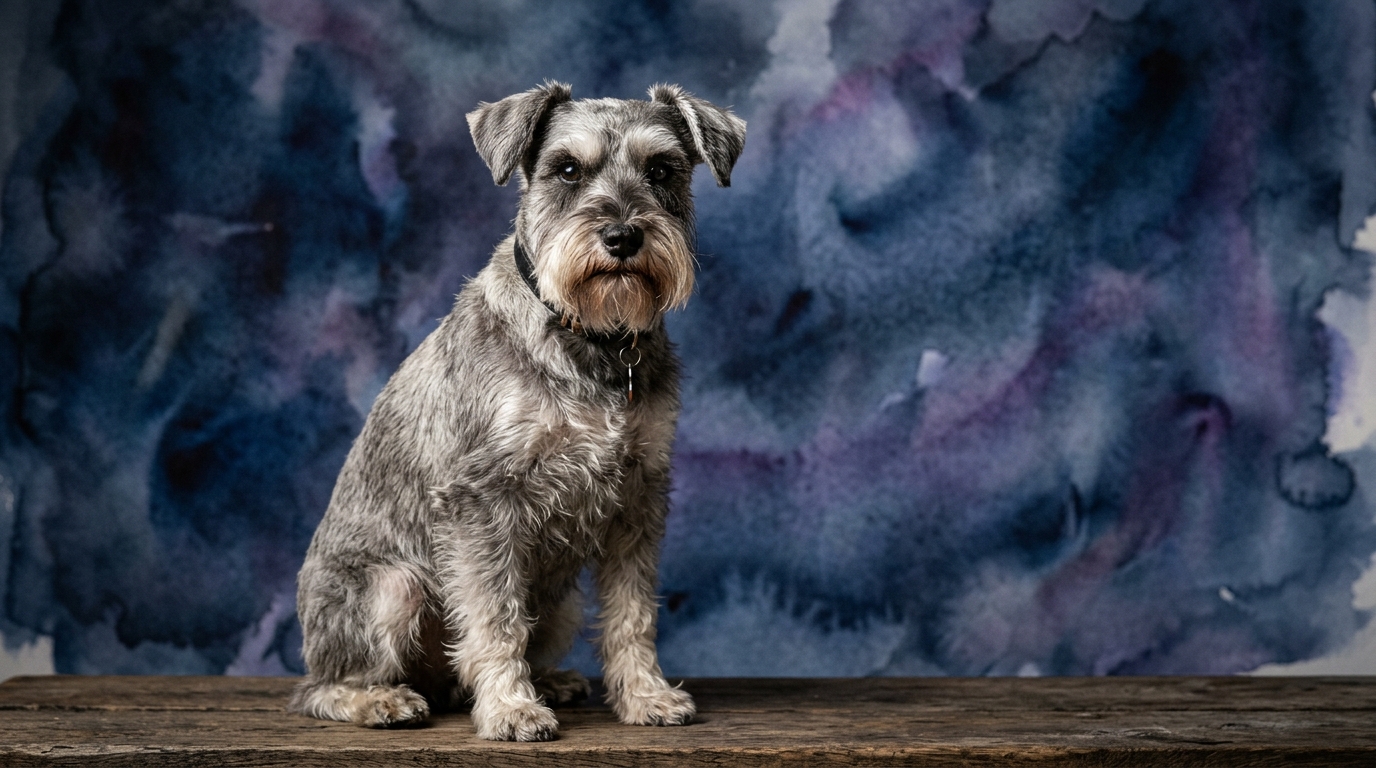
The Cosmic Pet Pet IQ Lab provides a unique lens through which to examine breed-specific cognitive traits, moving beyond general observations to specific intellectual dimensions. For the Miniature Schnauzer, a breed recognized by Coren with a notable rank of #12, we observe a robust cognitive framework across multiple areas. Their problem-solving capacity scores a solid 4/5, indicating an aptitude for navigating novel situations and devising solutions. Training speed is exceptional at 5/5, reflecting a remarkable ability to grasp and retain new commands quickly. Social intelligence, rated 4/5, suggests a keen awareness of human cues and social dynamics, making them perceptive companions. An instinctive drive of 4/5 points to an inherent motivation for engaging with their environment, often manifesting in purposeful activities. Finally, memory at 4/5 underscores their capacity for retaining learned behaviors and experiences over time.
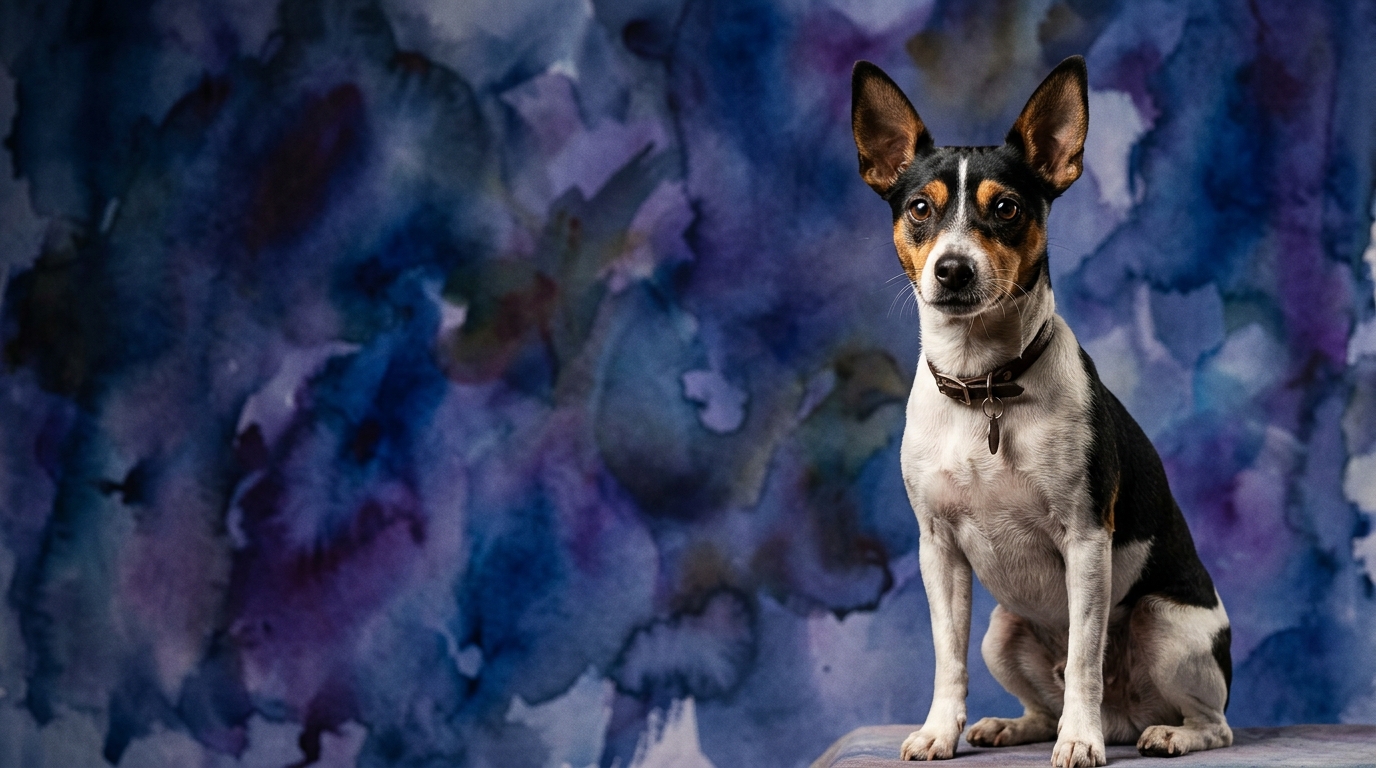
In contrast, the Rat Terrier, while not specifically ranked by Coren, presents a different yet equally compelling cognitive profile. Across all five dimensions—problem-solving, training speed, social intelligence, instinctive drive, and memory—the Rat Terrier consistently scores 3/5. This does not imply a lack of cognitive ability, but rather a distinct approach to processing information and interacting with their world. Their problem-solving at 3/5 suggests they can navigate challenges, perhaps with a more direct, persistent, or trial-and-error method rather than complex deduction. A training speed of 3/5 indicates they are certainly trainable, though they may require more repetition or a different motivational approach compared to breeds with higher scores. Social intelligence at 3/5 implies they are aware of their human companions but might interpret social cues in a more straightforward manner. Their instinctive drive at 3/5 is present and purposeful, often tied to their historical role as vermin hunters, driving them to explore and engage. Memory at 3/5 means they learn and remember, but perhaps with a slightly longer encoding process than their Schnauzer counterparts.
Where the Miniature Schnauzer Excels Cognitively
The Miniature Schnauzer's cognitive strengths manifest clearly in scenarios demanding rapid learning and nuanced social interaction. With a training speed of 5/5, they exhibit an impressive ability to connect actions with consequences quickly, making them proficient in mastering complex command sequences or agility courses with fewer repetitions. For instance, teaching a Miniature Schnauzer a multi-step routine, such as 'fetch the specific toy, bring it here, then put it in the basket,' often progresses with remarkable efficiency, showcasing their strong associative learning. Their problem-solving score of 4/5 means they are adept at figuring out how to open puzzle toys, navigate barriers to reach a treat, or even manipulate situations to their advantage, like nudging a door open with their nose.
Furthermore, their social intelligence, also 4/5, allows them to pick up on subtle changes in human mood or tone, often responding with appropriate behaviors like offering comfort or ceasing an unwanted action. This perceptive quality makes them highly responsive to their family's emotional landscape. The combination of strong memory (4/5) and instinctive drive (4/5) means they not only recall learned tasks but also possess the intrinsic motivation to perform them, translating into a dog that enjoys engaging in structured activities and thrives on mental challenges. For an owner seeking a canine partner for advanced obedience, intricate tricks, or even therapy work requiring precise responses, the Miniature Schnauzer's cognitive profile presents a distinct advantage.
Where the Rat Terrier Shines Cognitively
While the Rat Terrier's scores are consistently 3/5, their cognitive profile indicates a different kind of operational excellence, particularly in contexts valuing tenacity, direct action, and self-reliance. Their instinctive drive, rated 3/5, is profoundly rooted in their working heritage, manifesting as a persistent and focused pursuit of goals, especially those involving scent work or small game. This drive, while not as high-scoring as the Schnauzer's, often translates into an unwavering determination in the field, where they might exhibit impressive stamina and focus on a task, undeterred by distractions that might give a more socially sensitive dog pause. They approach challenges with a practical, no-nonsense attitude, often preferring to simply get the job done.
Their problem-solving ability (3/5) might not involve intricate deductions, but it excels in practical, hands-on scenarios. A Rat Terrier might persistently try different approaches to access a desired item, exhibiting a trial-and-error resilience that eventually yields success, rather than a quick, elegant solution. This perseverance can be a significant cognitive asset in environments where sheer grit is more valuable than complex abstract thought. Moreover, their social intelligence at 3/5 often means they are straightforward in their interactions, less prone to overthinking human social cues, and can be wonderfully uncomplicated companions. This directness, coupled with a functional memory (3/5), allows them to learn and adapt, albeit perhaps requiring more consistent reinforcement, making them robust and adaptable dogs for owners who appreciate an independent spirit and a clear-cut approach to life.
Training Dynamics: Schnauzer's Rapid Grasp vs. Rat Terrier's Persistent Learning
The disparity in training speed scores—Miniature Schnauzer at 5/5 versus Rat Terrier at 3/5—highlights a crucial difference in their learning dynamics. A Miniature Schnauzer's exceptional training speed stems from a combination of factors: a strong desire to please, coupled with sharp memory and social intelligence that enables them to quickly understand what is being asked. They often make associations between commands and actions almost immediately, and their retention is robust, meaning fewer repetitions are needed for a command to become ingrained. This translates into a dog that thrives on structured training sessions, eager to learn new tricks and obedience cues, making them a joy for owners who enjoy rapid progress and advanced canine education.
Conversely, the Rat Terrier's training speed of 3/5 suggests a more deliberate learning curve. While certainly trainable, they may require more consistent repetition and patience. Their independent streak, a common Terrier trait, can sometimes mean they are less inherently motivated by human approval and more by their own interests or immediate rewards. This doesn't mean they are untrainable; rather, it implies that owners might need to be more creative with their motivation techniques, employing high-value treats or engaging games to capture their attention and reinforce desired behaviors. House-training, for example, might take longer with a Rat Terrier due to their lower memory and training speed scores, necessitating more consistent supervision and scheduled outings. Understanding these behavioral differences is key to successful training for both breeds, adapting methods to suit their unique cognitive styles.
Matching Canine Minds to Lifestyles: Active Engagement vs. Focused Drive
When considering which breed aligns with an owner's lifestyle, the cognitive profiles offer clear guidance. The Miniature Schnauzer, with its high scores in problem-solving, social intelligence, and training speed, thrives with owners who can provide consistent mental stimulation and structured engagement. These are dogs that relish learning new tasks, participating in dog sports like agility or obedience, and engaging in interactive play that challenges their intellect. An 'active owner' for a Miniature Schnauzer isn't just about physical exercise; it's about providing a rich environment of learning, social interaction, and problem-solving opportunities. They require an owner who enjoys teaching, reinforcing good manners, and integrating their dog into family activities, as their social intelligence means they genuinely enjoy being a central part of the household.
The Rat Terrier, on the other hand, with its consistent 3/5 scores, appeals to a different kind of owner. While they are undoubtedly active dogs, their activity often stems from their instinctive drive and desire for exploration rather than a need for complex, human-directed tasks. Owners who appreciate a dog with a strong, independent spirit and a love for physical pursuits like exploring trails, chasing toys, or engaging in scent games will find a wonderful companion in the Rat Terrier. They are less about intricate obedience routines and more about purposeful activity, making them suitable for owners who enjoy outdoor adventures or simply appreciate a dog that can entertain itself with a focused task. A 'relaxed owner' in this context might be someone who isn't seeking a dog for competitive obedience but rather a tenacious, energetic partner for more naturalistic, less structured activities, appreciating their straightforward nature and resilience.
The Verdict
Choose the Miniature Schnauzer if you desire a highly trainable, socially perceptive companion eager for mental challenges and structured learning.
Opt for the Rat Terrier if you value an independent, tenacious partner with a strong instinctive drive, thriving in active, less formal pursuits.
🧠 Find Your Pet's IQ Score
Our Pet IQ Lab assessment covers 25+ tests across 5 cognitive dimensions — personalized to your breed.
Take the Full IQ Test →Frequently Asked Questions
Is the Miniature Schnauzer difficult to keep mentally stimulated?
The Miniature Schnauzer's high problem-solving and training speed scores mean they require consistent mental engagement to prevent boredom. Owners should plan for daily training sessions, puzzle toys, and interactive games to keep their keen minds occupied and satisfied.
Do Rat Terriers make good family dogs despite their lower social intelligence score?
Yes, Rat Terriers can be wonderful family dogs. Their 3/5 social intelligence indicates they are aware of their human companions and can form strong bonds, though they might be more straightforward in their interactions and appreciate clear, consistent communication from all family members.
Which breed is better for first-time dog owners?
The Miniature Schnauzer's higher training speed and social intelligence can make them a more forgiving choice for first-time owners, as they often learn commands quickly and are responsive to guidance. Rat Terriers, while adaptable, may require a more patient and consistent approach due to their independent nature and slightly slower training speed.