Side-by-Side Cognitive Profiles
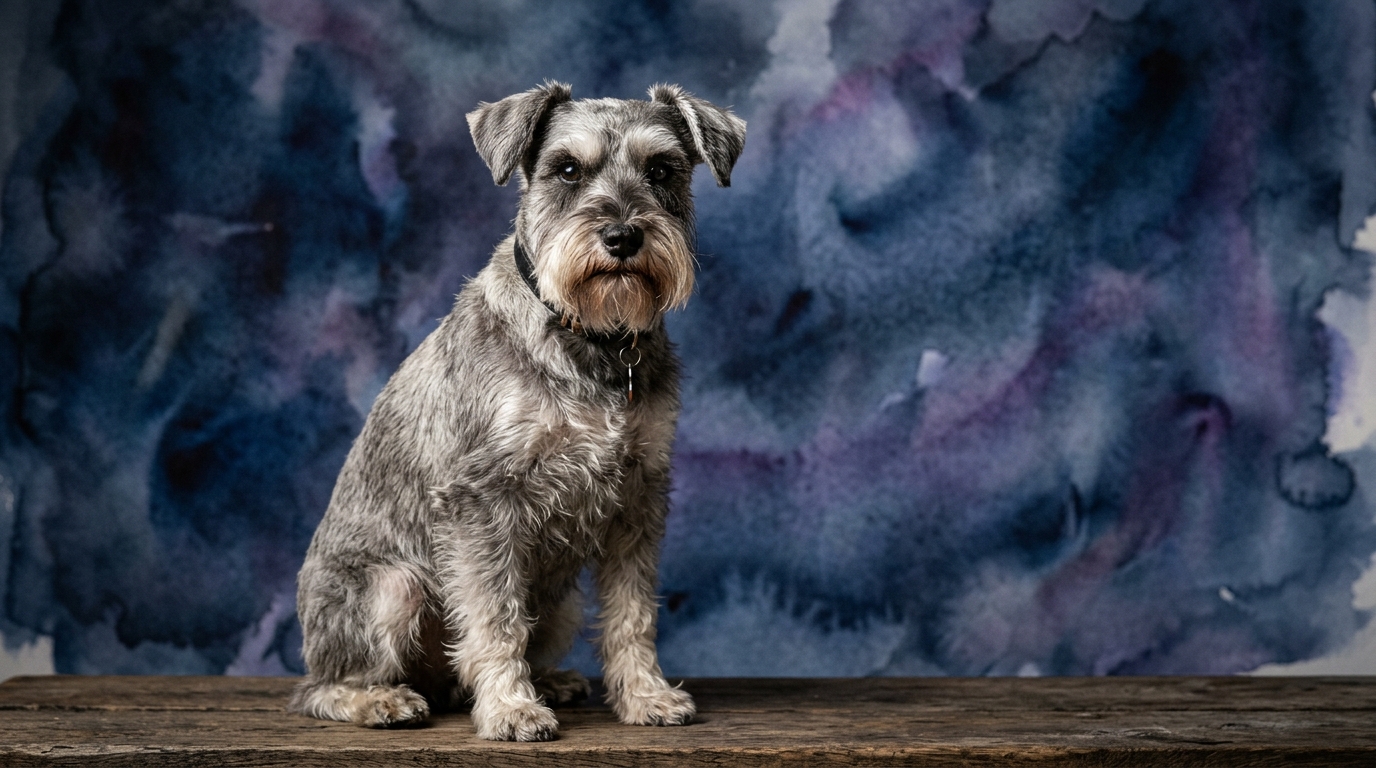
The Cosmic Pet Pet IQ Lab provides a unique lens through which to examine breed-specific cognitive traits. For the Miniature Schnauzer, a Coren-ranked #12 terrier, these traits are sharply defined, reflecting its historical role. Their Problem Solving is rated 4/5, indicating a strong capacity for figuring out novel challenges, often employing strategic thinking and terrier tenacity to overcome obstacles or access desired items. Training Speed is an impressive 5/5, meaning they are remarkably quick learners, absorbing new commands and routines with impressive alacrity, requiring fewer repetitions due to eagerness and focus. Social Intelligence stands at 4/5, as they exhibit keen awareness of human cues and social dynamics, readily interpreting moods and intentions, fostering strong family bonds. Their Instinctive Drive is 4/5, rooted in ratting heritage, possessing robust prey drive and a vigilant nature, manifesting as a strong inclination to chase, dig, and alert. Finally, their Memory is 4/5, a solid capacity retaining learned commands, routines, and experiences over long periods, supporting consistent behavior and easy retraining.
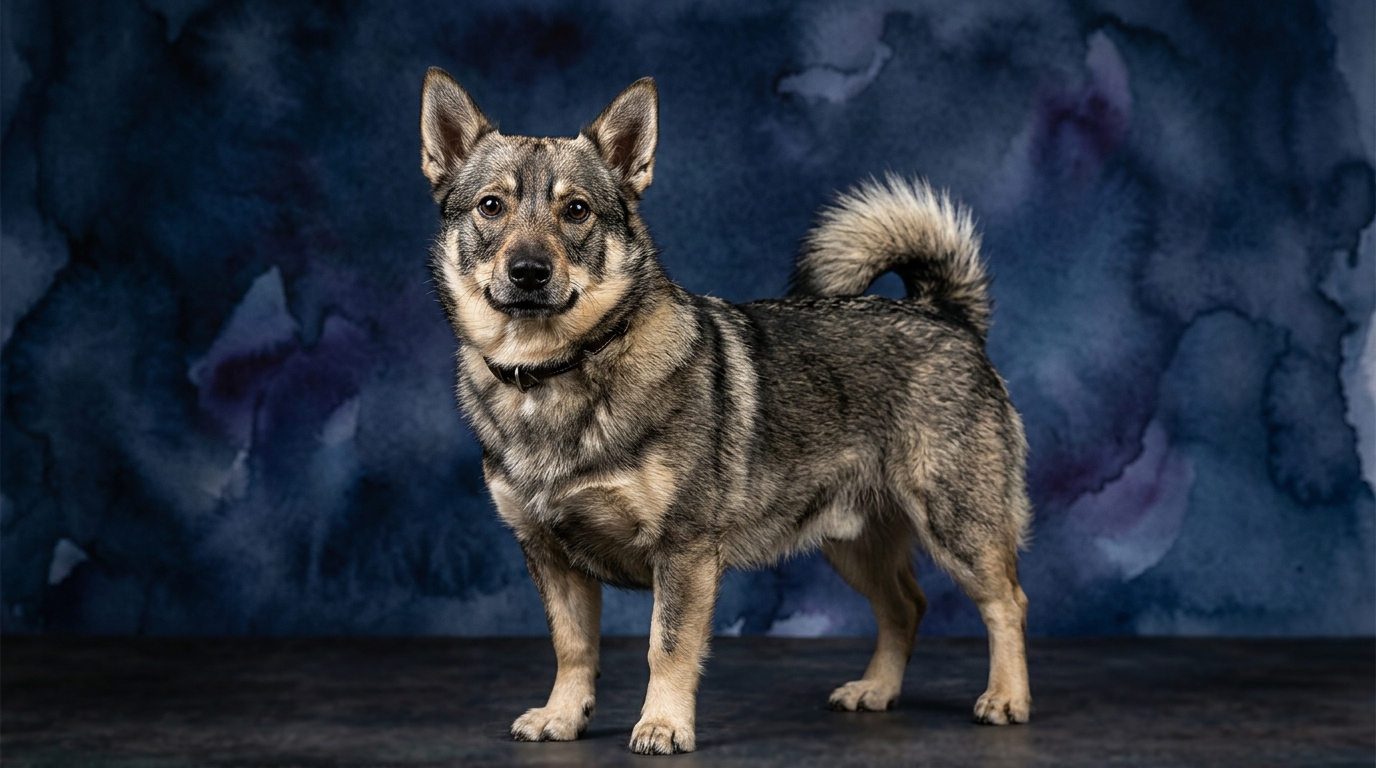
In contrast, the Swedish Vallhund, a herding breed not listed on Coren's ranking, presents a more uniformly balanced cognitive profile. Their Problem Solving is rated 3/5, indicating they approach problems with a practical, methodical mindset, effectively navigating challenges relevant to their herding origins and focusing on direct solutions. Training Speed is also 3/5; they are capable learners, but their speed is more moderate, requiring consistent, patient instruction that respects their independent herding spirit. Social Intelligence scores 3/5 as well; they are attentive to human companions, but their social intelligence is geared towards cooperative work rather than anticipatory emotional mirroring, understanding directives well. Instinctive Drive is 3/5, primarily rooted in their herding heritage, characterized by a natural inclination to gather and manage livestock, focused on controlled movement. Their Memory is also 3/5, representing reliable recall for established routines, commands, and spatial layouts, ensuring steady and dependable performance of learned tasks.
Where the Miniature Schnauzer Wins Cognitively
The Miniature Schnauzer's cognitive profile shines particularly brightly in areas requiring rapid assimilation of information and adaptive problem-solving. Their superior Training Speed (5/5) means they grasp new concepts and commands exceptionally quickly, making them adept at advanced obedience, agility, and trick training, reflecting underlying cognitive flexibility and an eagerness to process new data. Their 4/5 Problem Solving score, coupled with their tenacious terrier spirit, equips them to methodically work through complex puzzles or navigate novel environmental challenges, displaying a proactive curiosity. The Miniature Schnauzer’s higher Social Intelligence (4/5) also provides an edge in understanding subtle human cues, allowing for a more nuanced and responsive interaction within a family setting, often anticipating owner desires. This combination of rapid learning, strategic thinking, and social attunement makes them highly adaptable to diverse intellectual demands and structured learning environments.
Where the Swedish Vallhund Wins Cognitively
While the Swedish Vallhund's scores might appear less flashy, their cognitive strengths lie in a balanced, resilient, and intrinsically motivated approach to their world, deeply connected to their herding lineage. Their 3/5 in Instinctive Drive, though numerically lower than the Schnauzer's, represents a highly specialized and purposeful drive focused on controlled movement and management rather than generalized pursuit. This specific herding intelligence means they excel at tasks requiring spatial awareness, boundary control, and the ability to organize and direct, even in the absence of direct human instruction. Their consistent 3/5 scores across Problem Solving, Training Speed, and Memory indicate a robust, stable cognitive foundation that prioritizes consistency and reliability. They are less about dazzling speed and more about enduring competence, maintaining a steady, practical approach to challenges. This cognitive balance fosters a resilient nature, allowing them to recover quickly from setbacks and perform reliably in situations demanding focus and independent decision-making within a defined context.
Which is Easier to Train and Why
The Miniature Schnauzer is generally easier to train for a broad range of tasks, primarily due to their stellar 5/5 Training Speed and 4/5 Social Intelligence. They possess an inherent eagerness to please and a remarkable ability to quickly associate commands with actions, often requiring minimal repetitions. Their strong social intelligence means they are highly attuned to their handler's body language and vocal tones, making communication during training more fluid and responsive. They thrive on structured learning and positive reinforcement, quickly building a repertoire of behaviors. In contrast, the Swedish Vallhund, with a 3/5 Training Speed and 3/5 Social Intelligence, requires a more patient and consistent approach. While capable of learning, Vallhunds can display an independent streak, a common trait in herding breeds that need to make decisions autonomously in the field. This independence means they may not always be as immediately compliant or as eager to perform repetitive drills. Training a Vallhund often involves more motivational variety and a deeper understanding of their herding instincts, channeling their drives rather than suppressing them, requiring a trainer to be clear, fair, and consistent without expecting the same rapid-fire responses seen in a Miniature Schnauzer.
Which Suits Active Owners vs. Relaxed Owners
For active owners seeking a highly engaged and mentally stimulated companion, the Miniature Schnauzer is an excellent match. Their 4/5 Problem Solving and 4/5 Instinctive Drive mean they thrive on daily mental challenges, structured training sessions, and activities like agility, obedience, or scent work. They require consistent engagement to prevent boredom, which can manifest as inventive, sometimes mischievous, self-entertainment. Their energy levels, while not extreme, necessitate regular exercise and opportunities to explore and "work" their minds. Conversely, while also needing regular physical exercise, the Swedish Vallhund can suit owners who appreciate a dog with a more balanced and self-possessed demeanor, rather than constant mental demands. Their consistent 3/5 ratings suggest a dog that is adaptable and content with a clear routine, but also capable of enjoying periods of quiet companionship. They certainly enjoy walks, hikes, and opportunities to use their herding instincts in structured games, but they may not require the same intensity of novel mental puzzles every single day to remain fulfilled, settling comfortably indoors once exercised.
The Verdict
Choose the Miniature Schnauzer if you desire a quick-witted, highly trainable companion eager to engage in diverse mental challenges and thrive on structured learning.
Opt for the Swedish Vallhund if you appreciate a resilient, self-assured dog with a balanced cognitive profile, ideal for consistent routines and activities that leverage their natural herding abilities, even if training requires more patience.
🧠 Find Your Pet's IQ Score
Our Pet IQ Lab assessment covers 25+ tests across 5 cognitive dimensions — personalized to your breed.
Take the Full IQ Test →Frequently Asked Questions
Does Coren rank apply to all breeds?
Stanley Coren's ranking primarily assesses "working and obedience intelligence" based on a survey of obedience judges. While useful, it doesn't encompass all aspects of canine cognition or apply to every breed, especially those not widely involved in competitive obedience, explaining why the Swedish Vallhund isn't ranked.
How do breed instincts impact intelligence scores?
Breed instincts significantly shape cognitive scores by influencing what a dog finds motivating and how they approach problems. A terrier's drive for chasing might manifest as persistent problem-solving, while a herding dog's instinct for control might appear as methodical, rather than rapid, learning in some contexts.
Can a dog with lower "training speed" still learn complex tasks?
Absolutely. A lower "training speed" score merely indicates that a dog might require more repetitions or different motivational strategies to master tasks. With patience, consistency, and a positive approach, a dog like the Swedish Vallhund can certainly learn and excel at complex tasks, demonstrating robust and reliable understanding.