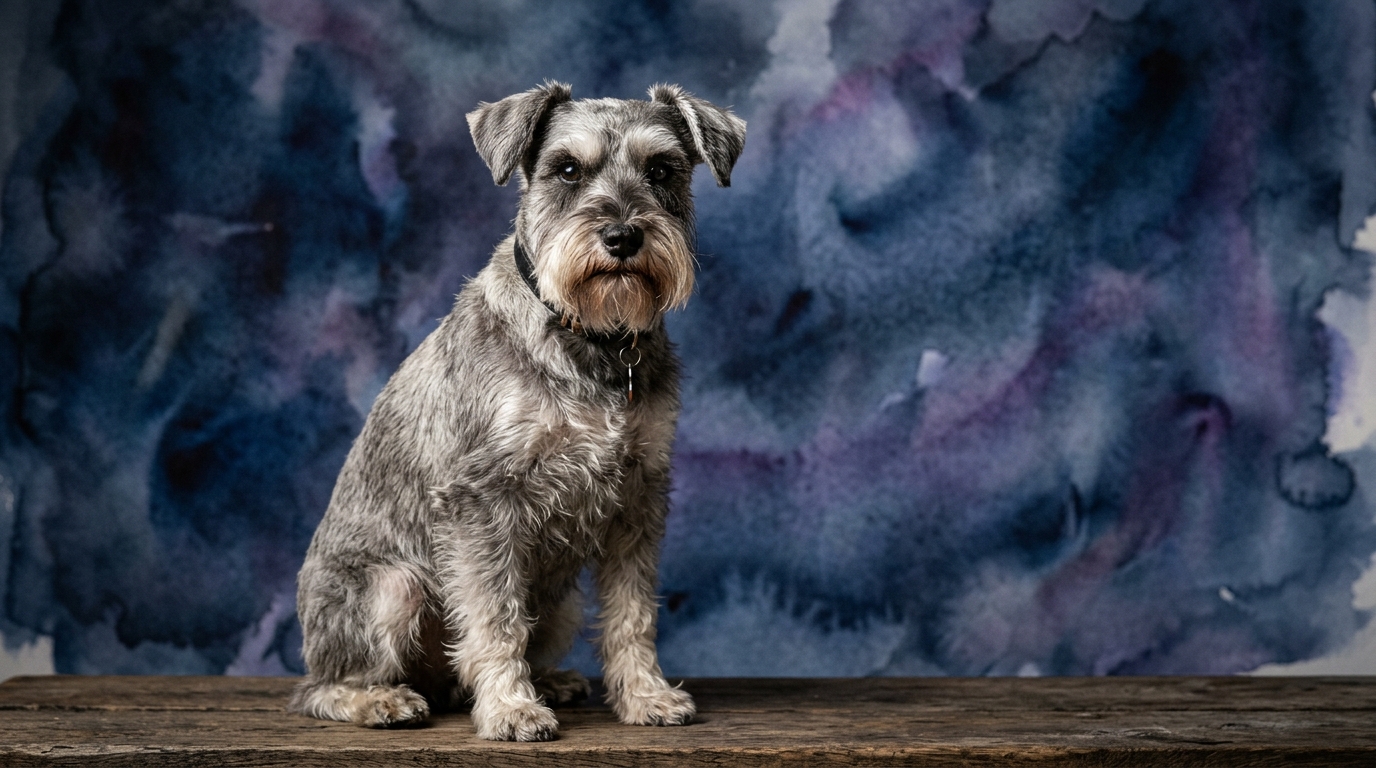
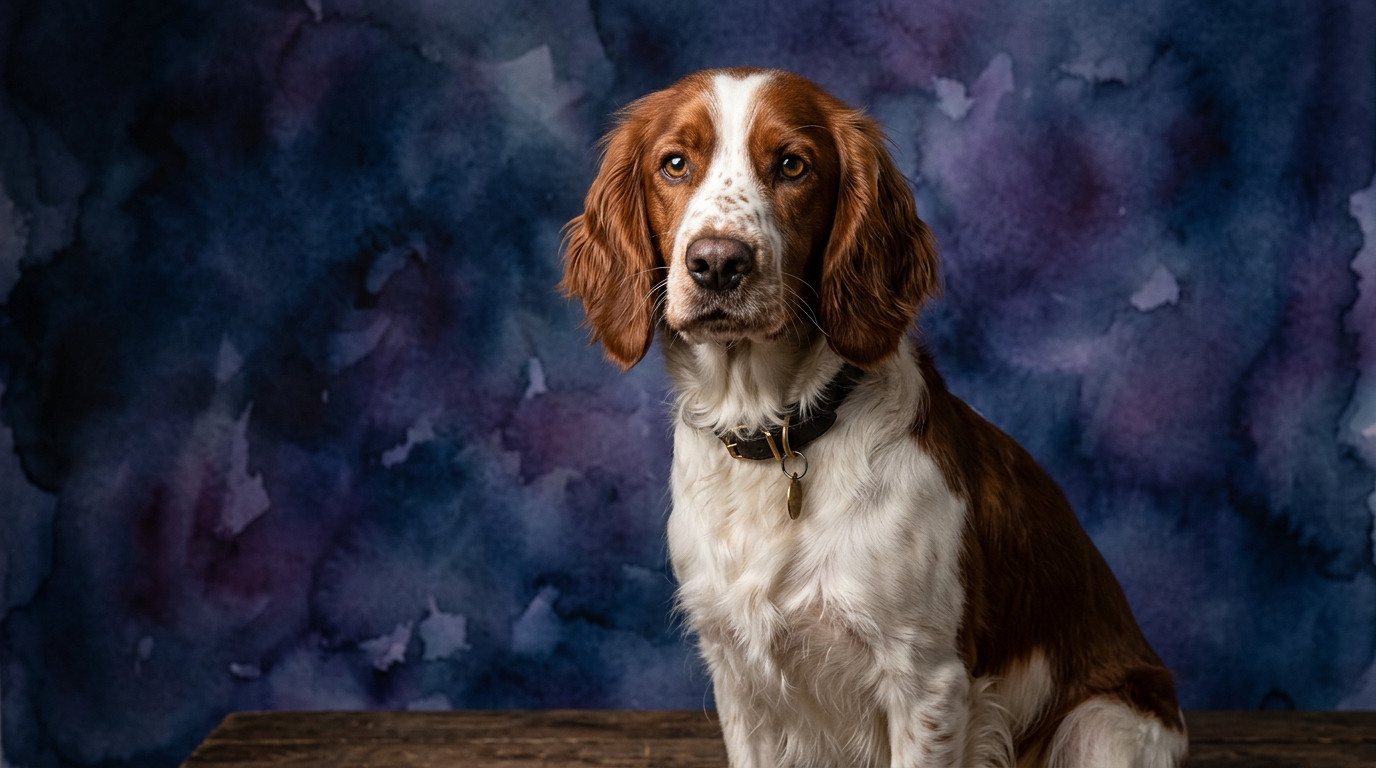
Side-by-Side IQ Profile: Miniature Schnauzer vs. Welsh Springer Spaniel
Delving into The Cosmic Pet Pet IQ Lab data reveals distinct cognitive blueprints for these two breeds. The Miniature Schnauzer, a Terrier ranked #12 by Coren, showcases a robust cognitive profile. Their Problem Solving is rated 4/5, indicating a strong capacity for navigating novel challenges and strategizing effectively. Training Speed is exceptionally high at 5/5, suggesting a rapid grasp of commands and routines. Social Intelligence, at 4/5, points to a keen awareness of human emotions and social cues, fostering responsive companionship. An Instinctive Drive of 4/5 highlights their inherent terrier tenacity and drive to engage with their environment, often through digging or chasing. Memory, also 4/5, ensures they retain learned information and experiences effectively, making them consistent in their learned behaviors and routines.
The Welsh Springer Spaniel, a Sporting breed with a Coren rank of #31, presents a balanced cognitive makeup, tailored to its historical role. Their Problem Solving ability matches the Miniature Schnauzer at 4/5, demonstrating an aptitude for practical solutions and adapting to new situations. Training Speed is a solid 4/5, indicating a good pace for learning, though slightly less rapid than the Schnauzer. Social Intelligence, at 3/5, suggests they are generally amenable companions but might not always be as overtly attuned to subtle human cues as some other breeds, preferring clear communication. Their Instinctive Drive is 3/5, reflecting a moderate urge for hunting, retrieving, or exploring, which is present but not overwhelming. Memory is strong at 4/5, allowing them to recall training, routes, and past interactions with reliability and consistency.
Where the Miniature Schnauzer Wins Cognitively
The Miniature Schnauzer's cognitive strengths distinctly emerge in its superior Training Speed (5/5) and higher Social Intelligence (4/5) compared to the Welsh Springer Spaniel. This combination means a Miniature Schnauzer often picks up new commands and routines with remarkable swiftness, making early obedience and trick training particularly rewarding. Their elevated social intelligence allows them to more readily interpret human body language, vocal inflections, and emotional states, fostering a deeply responsive and interactive bond. This breed also exhibits a stronger Instinctive Drive (4/5), which, when channeled constructively, translates into a tenacious focus on tasks, whether it's agility courses, scent work, or even just mastering a new puzzle toy. Their inherent drive and problem-solving skills make them adept at overcoming obstacles, both physical and mental, often with a determined terrier spirit. This translates to an animal that is often highly motivated to engage and learn from its human partners, quickly processing feedback and adapting its behavior, making them excellent candidates for advanced training and canine sports.
Where the Welsh Springer Spaniel Wins Cognitively
While the Welsh Springer Spaniel doesn't outscore the Miniature Schnauzer in individual metrics, its unique cognitive profile offers distinct advantages for certain owners. Its Problem Solving (4/5) and Memory (4/5) are on par with the Schnauzer, but coupled with a moderate Instinctive Drive (3/5) and Social Intelligence (3/5), this creates a dog whose cognitive engagement is often less intensely driven by independent action or constant human validation. For owners who appreciate a dog that is capable of learning and adapting but without the persistent "what's next?" energy of a higher-drive breed, the Welsh Springer Spaniel excels. Their moderate instinctive drive means they are less likely to exhibit the relentless prey drive or digging tendencies often associated with terriers, making them potentially easier to integrate into a diverse household without constant management of intense instinctual behaviors. Their cognitive strengths lie in their ability to apply their problem-solving and memory within a more cooperative, less demanding framework, making them excellent companions for activities like hiking or field work where a steady, biddable temperament is prized over sheer speed of learning or intense social attunement. This breed offers a blend of capability and calm engagement, allowing them to be attentive without being overtly demanding.
Which is Easier to Train and Why
Based on their cognitive profiles, the Miniature Schnauzer generally presents as the easier breed to train. Their exceptional Training Speed (5/5) means they grasp new commands and concepts with remarkable rapidity, often requiring fewer repetitions to solidify a behavior. This is further bolstered by their higher Social Intelligence (4/5), which makes them more attuned to their trainer's intentions, cues, and feedback, fostering a smoother, more intuitive communication during training sessions. They are often eager to please and quick to respond to positive reinforcement, making them a joy for novice and experienced trainers alike. In contrast, the Welsh Springer Spaniel, with a solid but slightly lower Training Speed (4/5) and Social Intelligence (3/5), may require a bit more patience and consistency. While perfectly capable of learning, they might not pick up on nuanced cues as quickly or exhibit the same immediate responsiveness as the Schnauzer. Their training might proceed at a more deliberate pace, emphasizing clear, consistent methods rather than relying on their innate desire to anticipate human wishes. The Miniature Schnauzer's higher instinctive drive can also be leveraged in training, providing a strong internal motivation for tasks, whereas the Welsh Springer Spaniel's more moderate drive might necessitate different motivational strategies, often relying more on play and praise.
Suitability for Active vs. Relaxed Owners
For active owners seeking a highly engaged and mentally stimulated companion, the Miniature Schnauzer often proves an excellent match. Their elevated Problem Solving (4/5) and robust Instinctive Drive (4/5) mean they thrive on regular mental challenges, structured activities like agility or obedience training, and consistent physical exercise that taps into their terrier energy. Owners who enjoy teaching tricks, engaging in puzzle games, or participating in dog sports will find the Miniature Schnauzer's quick learning and tenacious spirit highly rewarding, but they must be prepared for consistent engagement to prevent boredom-induced behaviors. Their need for purpose means they are best suited to households that can consistently provide that mental and physical outlet.
For more relaxed owners, or those seeking a companion with a slightly less demanding cognitive footprint, the Welsh Springer Spaniel may be more suitable. While still a Sporting breed requiring regular exercise, their moderate Instinctive Drive (3/5) and Social Intelligence (3/5) suggest they are content with a balanced routine that includes daily walks, family playtime, and perhaps some casual retrieving, without necessarily needing the same intensity of mental "work" as the Schnauzer. They are adaptable to various activity levels, enjoying outdoor adventures but also settling contentedly indoors, making them a good fit for owners who appreciate a capable but generally more laid-back canine presence. Their cognitive profile allows them to be engaged when called upon, but also to relax without constant stimulation, fitting well into a household that values companionship over intense, structured activity.
The Verdict
Opt for the Miniature Schnauzer if you are an engaged owner seeking a highly responsive, quick-learning companion who thrives on consistent mental challenges and interactive training, and you appreciate a dog with a tenacious, spirited personality.
Select the Welsh Springer Spaniel if you desire a capable, adaptable companion with a steady temperament, who enjoys moderate activity and companionship without the intense drive or constant mental demands of a higher-energy, more socially attuned breed.
🧠 Find Your Pet's IQ Score
Our Pet IQ Lab assessment covers 25+ tests across 5 cognitive dimensions — personalized to your breed.
Take the Full IQ Test →Frequently Asked Questions
Does the Coren rank difference significantly impact daily life with these breeds?
The Coren rank (MS #12, WSS #31) reflects general working and obedience intelligence. While the Miniature Schnauzer might grasp commands faster, both breeds are highly trainable; the difference is often in the speed and consistency required during training sessions rather than an inability to learn.
Are Miniature Schnauzers more prone to behavioral issues due to their higher instinctive drive?
A Miniature Schnauzer's higher instinctive drive (4/5) means they have a stronger innate urge for certain behaviors like chasing or digging. If not properly channeled through training and enrichment, this can lead to undesirable behaviors, whereas the Welsh Springer Spaniel's moderate drive might be less demanding to manage and redirect.
How do their social intelligence scores affect their interactions with families and strangers?
A Miniature Schnauzer's higher social intelligence (4/5) generally makes them more perceptive to human emotions and social dynamics, often leading to a more responsive and interactive family member who can pick up on subtle cues. A Welsh Springer Spaniel's 3/5 social intelligence suggests they are friendly and cooperative but might be less overtly attuned to subtle human cues, often preferring a more straightforward interaction style with both family and strangers.