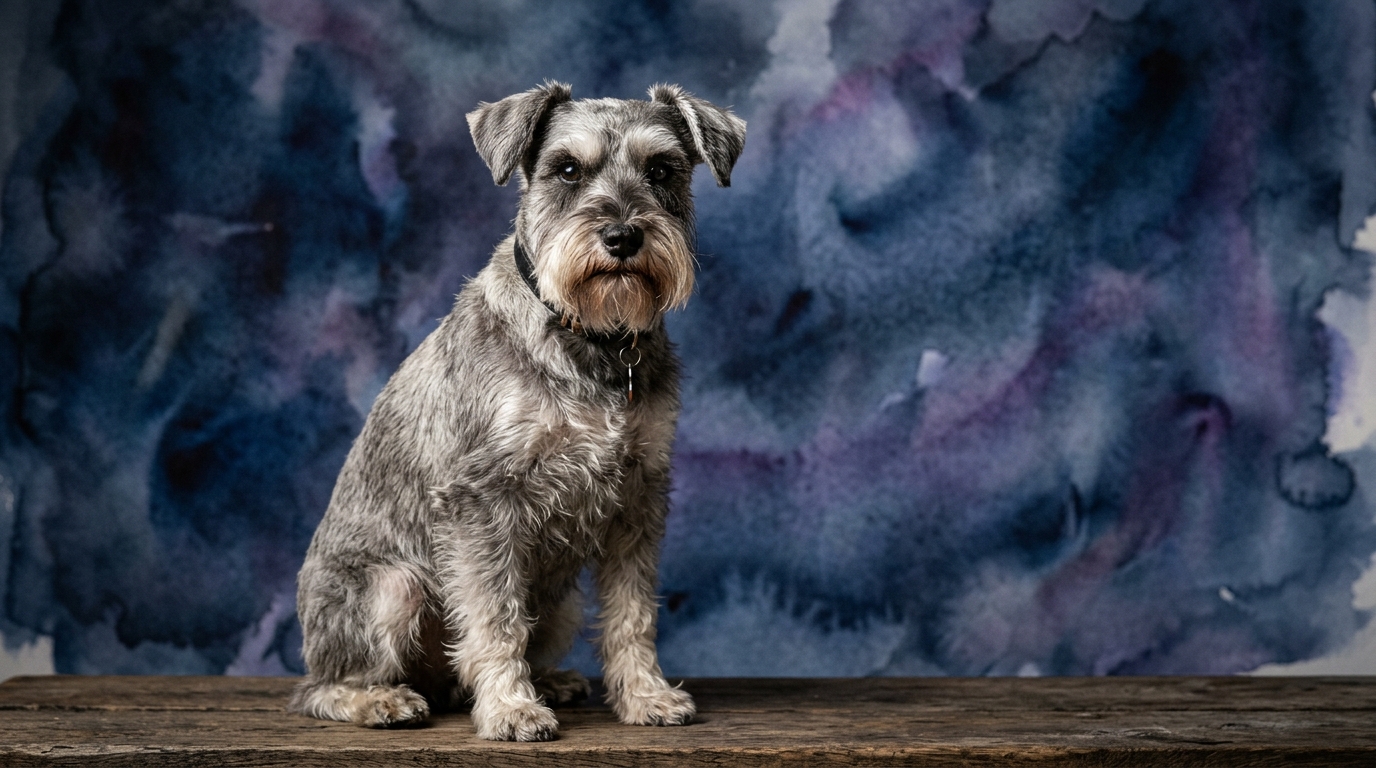
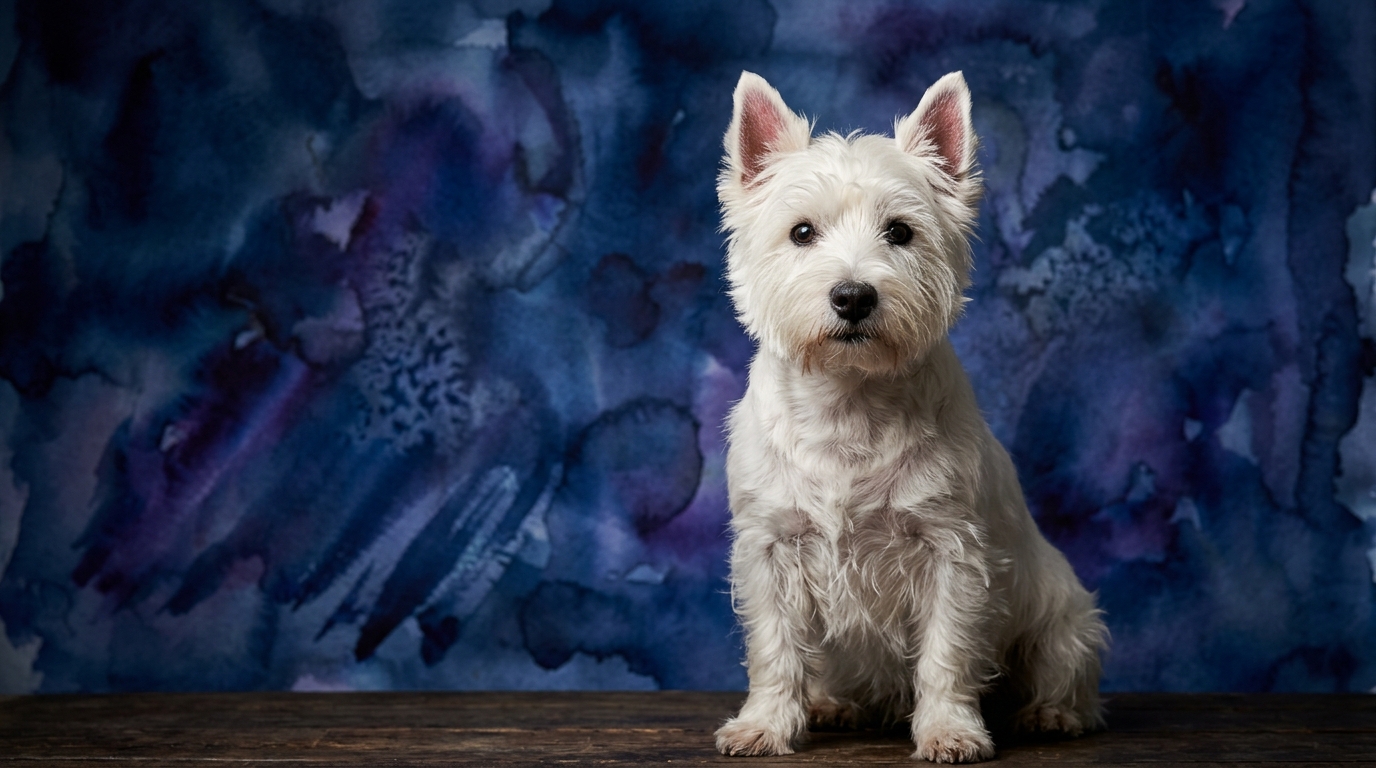
Side-by-Side Cognitive Profiles: The Cosmic Pet Pet IQ Lab Scores
The Cosmic Pet Pet IQ Lab assesses canine intelligence across five key dimensions, providing a granular view beyond general classifications. For the Miniature Schnauzer, these scores paint a picture of a mentally agile and cooperative companion, while the West Highland White Terrier reveals a more independent yet equally capable mind, albeit with different strengths.
The Miniature Schnauzer’s profile includes a Problem Solving score of 4/5, indicating an aptitude for navigating novel situations and figuring out solutions to environmental puzzles. Their Training Speed, at a remarkable 5/5, suggests they pick up new commands and routines with exceptional swiftness. Social Intelligence, rated 4/5, reflects their ability to interpret human cues and adapt behavior accordingly. An Instinctive Drive of 4/5 points to a strong underlying motivation for typical terrier tasks and engagement, while their Memory, also 4/5, ensures learned behaviors and routines are retained effectively.
In contrast, the West Highland White Terrier shows a Problem Solving score of 3/5, demonstrating a capacity for tackling challenges, though perhaps with less immediate ingenuity than the Schnauzer. Their Training Speed is 3/5, meaning they learn at a moderate pace, requiring more consistent repetition. Social Intelligence, at 3/5, suggests they understand human interactions, but might be less overtly eager to please or interpret subtle cues. Their Instinctive Drive is also 3/5, reflecting a persistent, independent spirit. Interestingly, their Memory matches the Schnauzer at 4/5, indicating a solid capacity for retaining information once it's firmly established.
Where the Miniature Schnauzer Excels Cognitively
The Miniature Schnauzer’s cognitive strengths are particularly evident in their problem-solving abilities and rapid acquisition of new skills. With a Problem Solving score of 4/5, they are adept at processing information to overcome obstacles, whether it's figuring out how to open a treat-dispensing toy or navigating a complex agility course. This mental flexibility allows them to adapt quickly to new environments and challenges, often seeking solutions rather than relying solely on handler direction.
Their standout Training Speed of 5/5 means Miniature Schnauzers grasp new commands and sequences with remarkable efficiency. This isn't just about rote memorization; it reflects an underlying cognitive processing speed that allows them to connect actions with consequences and handler cues rapidly. This attribute makes them highly responsive in training sessions, often requiring fewer repetitions to achieve mastery. Furthermore, their Social Intelligence of 4/5 enables them to form strong, collaborative relationships with their handlers, understanding subtle body language and vocal inflections, which further enhances their trainability and willingness to engage in cooperative tasks.
Where the West Highland White Terrier Shines Cognitively
While the West Highland White Terrier's scores are generally moderate, their cognitive profile reveals distinct strengths, particularly in their robust memory and a specific application of their instinctive drive. A Memory score of 4/5, on par with the Miniature Schnauzer, means that once a behavior, routine, or piece of information is learned, it is retained with impressive fidelity. This translates into reliable adherence to house rules and established schedules, even if the initial learning phase requires more patience.
The Westie’s Instinctive Drive of 3/5, while lower than the Schnauzer's, contributes to a focused persistence, especially when engaged in activities that tap into their natural terrier instincts. This drive, combined with their solid memory, allows them to excel in activities like scent work or tracking, where sustained focus and recall of specific odors are paramount. They might not problem-solve with the same speed as a Schnauzer, but their methodical approach and excellent memory mean they can systematically work through challenges they deem worthwhile, demonstrating a tenacious cognitive endurance rather than immediate ingenuity. This independence can also be a cognitive strength, as it suggests an ability to occupy themselves and make decisions without constant human input, fostering a self-reliant intelligence.
Ease of Training: Behavioral Differences in Action
The training differences between these two breeds are directly correlated with their Cosmic Pet Pet IQ Lab scores. The Miniature Schnauzer, with a Training Speed of 5/5 and Social Intelligence of 4/5, is typically a highly amenable student. They exhibit an eagerness to please and a quick comprehension of commands, often thriving on the collaborative nature of training. This means fewer repetitions are needed for them to understand and reliably perform new behaviors, making them rewarding partners for complex obedience, agility, or trick training. Their capacity to interpret handler cues swiftly reduces frustration for both dog and owner, facilitating a smoother learning curve.
Conversely, the West Highland White Terrier, with a Training Speed of 3/5 and Social Intelligence of 3/5, requires a more patient and consistent approach. While capable learners, their independent streak, fueled by their instinctive drive, means they might evaluate whether a command is worth their effort before complying. Training a Westie often involves making the learning process highly rewarding and engaging to capture their attention and motivate cooperation. Their strong memory (4/5) is a valuable asset here; once a behavior is consistently reinforced and understood, it sticks. However, overcoming their initial 'what's in it for me?' attitude demands creativity and persistence from the trainer, with positive reinforcement techniques being particularly crucial to build a strong working relationship.
Matching Canine Cognition to Owner Lifestyles
Considering their cognitive profiles, the Miniature Schnauzer aligns well with active owners who enjoy a highly interactive and mentally stimulating relationship with their dog. Their 4/5 Problem Solving and 4/5 Instinctive Drive mean they thrive on engaging activities like advanced obedience, dog sports such as agility or rally, and interactive puzzle toys that challenge their quick minds. Owners who appreciate a dog that is eager to learn new tasks and participates enthusiastically in family activities will find the Schnauzer’s collaborative intelligence a perfect fit. They benefit from consistent mental engagement to prevent boredom and channel their abundant mental energy constructively.
The West Highland White Terrier, with its 3/5 Social Intelligence and 3/5 Instinctive Drive, coupled with its strong memory, suits owners who appreciate a dog with a distinct personality and a degree of self-sufficiency. While they still require regular physical exercise and mental enrichment, Westies might be less inclined towards constant, high-intensity collaborative training sessions. They are ideal for owners who enjoy providing a consistent routine, clear boundaries, and opportunities for independent exploration in a secure environment. Their tenacious spirit means they need owners who are firm yet fair, and who can appreciate a dog that makes its own decisions sometimes, even if it requires a bit more coaxing. They can be a wonderful companion for relaxed owners who still provide structured walks and engaging play, but perhaps less formal, continuous training.
The Verdict
Choose the Miniature Schnauzer if you seek a highly trainable, eager-to-please companion who thrives on collaborative mental challenges and rapid skill acquisition. Their quick wit and social engagement make them excellent partners for a variety of dog sports and advanced obedience.
Opt for the West Highland White Terrier if you appreciate a dog with a robust memory and a charmingly independent spirit, willing to engage on their own terms. They are best suited for owners who are patient and consistent, valuing a dog that combines tenacity with a self-reliant intelligence.
🧠 Find Your Pet's IQ Score
Our Pet IQ Lab assessment covers 25+ tests across 5 cognitive dimensions — personalized to your breed.
Take the Full IQ Test →Frequently Asked Questions
Does a higher Coren rank always mean a 'smarter' dog for all tasks?
Not necessarily; Coren rank primarily reflects a breed's working and obedience intelligence, correlating with training speed and comprehension. The Cosmic Pet Pet IQ Lab dimensions provide a more nuanced view, showing that a dog with a lower Coren rank might still excel in areas like memory or specific instinctive drives, which are crucial for certain tasks or lifestyles.
How does 'Instinctive Drive' impact a dog's daily behavior?
Instinctive Drive indicates a dog's inherent motivation for behaviors like chasing, digging, or guarding, rooted in their breed's original purpose. A higher score, like the Schnauzer's 4/5, suggests a stronger inclination towards purposeful activity and engagement, potentially requiring more structured outlets for these drives. A moderate score, like the Westie's 3/5, still means these drives are present but might be expressed with less intensity or frequency, though still requiring management.
Can a West Highland White Terrier learn complex commands despite its 3/5 Training Speed?
Absolutely, a West Highland White Terrier can learn complex commands, but it will typically require more patience and consistent repetition compared to a breed with a 5/5 Training Speed. Their 4/5 Memory score is a significant asset here; once they grasp a concept, they tend to retain it well. The key is to make training engaging and highly rewarding, leveraging positive reinforcement to overcome their independent nature.