Side-by-Side Cognitive Profiles: Neapolitan Mastiff vs. Australian Terrier
At The Cosmic Pet Pet IQ Lab, we assess canine intelligence across five key dimensions. Both the Neapolitan Mastiff and the Australian Terrier achieve a consistent 3/5 rating in each category, yet the manifestation of these scores differs profoundly due to their distinct breed histories and physical attributes. Understanding these nuances is crucial for appreciating their unique mental makeups.
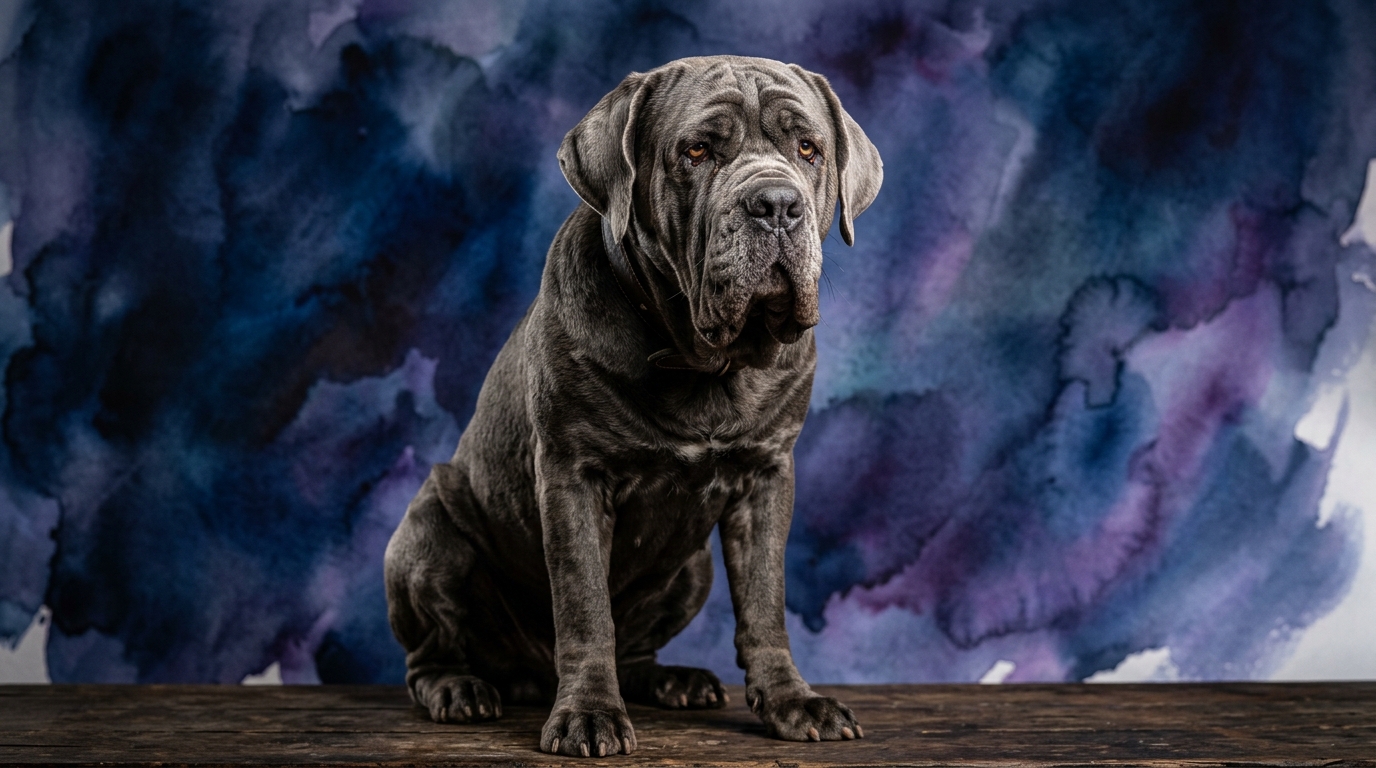
The Neapolitan Mastiff, a breed rooted in ancient Roman war dogs and guardians, approaches the world with a profound sense of purpose and gravitas. Their **Problem Solving (3/5)** is characterized by a deliberate, methodical demeanor; they are not quick to improvise but can systematically work through familiar obstacles, often relying on their strength and presence. Their solutions tend to be robust and considered, rather than spontaneous or flashy. In **Training Speed (3/5)**, learning is a process that requires consistent, patient guidance. They absorb commands and expectations at their own measured pace, internalizing information rather than reacting with immediate zest, with repetition and positive reinforcement building a solid foundation. These large guardians possess a quiet yet profound **Social Intelligence (3/5)**, deeply attuned to the emotional states of their family members and exhibiting discerning caution with strangers, assessing intentions rather than reacting impulsively. Their understanding of pack dynamics is subtle but strong. The Mastiff's **Instinctive Drive (3/5)** centers primarily on protection and territoriality. This isn't a frenetic prey drive but a measured, unwavering impulse to guard their home and family, observing and evaluating potential threats with calm intensity. Finally, Neapolitan Mastiffs demonstrate a reliable **Memory (3/5)**, particularly for routines, established boundaries, and the individuals within their social circle. They retain learned behaviors and social cues, forming deep, lasting bonds and remembering past interactions with precision.
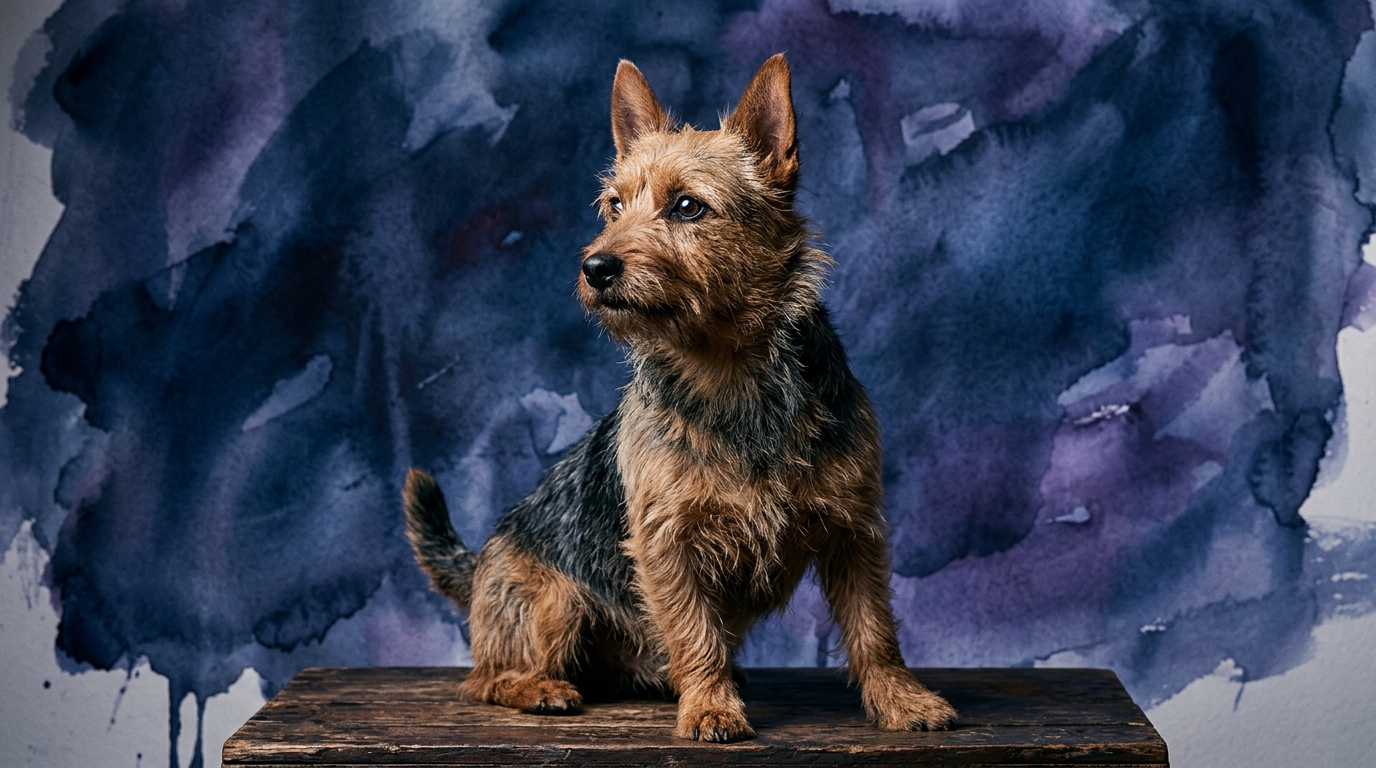
In stark contrast, the Australian Terrier, originally bred to hunt small rodents and snakes, brings a vivacious, tenacious energy to every cognitive task. Their **Problem Solving (3/5)** exhibits a resourceful and persistent approach, particularly when a task aligns with their inherent drives, such as uncovering something buried or navigating tight spaces. They might not excel at abstract puzzles but are adept at practical, goal-oriented tasks requiring persistence. For **Training Speed (3/5)**, Australian Terriers learn at a moderate pace, often demonstrating a good grasp of commands. However, their independent terrier spirit can sometimes mean compliance is a choice rather than an automatic response, especially if their attention is captured by something more stimulating; engaging, positive methods are most effective. These spirited terriers are highly engaged with their human families, often forming strong, affectionate attachments, showcasing their **Social Intelligence (3/5)**. They are skilled at reading human moods and can deftly navigate social situations within their immediate circle, though they may display a confident assertiveness when interacting with unfamiliar dogs. A strong prey drive, coupled with an innate urge to dig and chase, forms a central component of the Australian Terrier's **Instinctive Drive (3/5)**. This drive influences their engagement with the world, making them alert and eager to investigate novel scents and movements. Lastly, Australian Terriers possess a solid **Memory (3/5)** for learned commands, routines, and experiences. They recall past successes, especially those involving their natural instincts, and retain social lessons, both positive and negative, which informs their future interactions and behaviors.
Where the Neapolitan Mastiff Excels Cognitively
Despite their identical 3/5 ratings across the board, the Neapolitan Mastiff demonstrates specific cognitive strengths rooted in its guardian heritage. Their problem-solving, while not rapid, is profoundly deliberate, allowing them to assess situations thoroughly before acting. This translates into a robust ability to maintain order and understand complex household routines, making them excellent at anticipating expected events or identifying subtle changes in their environment that require a considered response. Their social intelligence also stands out for its depth and subtlety; they possess an almost uncanny ability to gauge human emotional states and intentions without needing overt cues. This discerning empathy allows them to offer comfort or respond protectively with a quiet assurance, a unique cognitive asset in their interactions. Furthermore, their memory shines in retaining the nuances of their established territory and the specific roles of each family member, contributing to a stable, predictable home environment they are committed to upholding.
Where the Australian Terrier Excels Cognitively
The Australian Terrier, with its terrier tenacity, displays its cognitive prowess in areas demanding quick wits and persistent action. Their problem-solving is particularly strong when tasks involve overcoming physical obstacles or pursuing a goal with focused determination, such as figuring out how to access a hidden toy or navigating a complex scent trail. This resourcefulness, driven by their instinctive drive, means they are adept at finding creative, albeit sometimes mischievous, solutions to immediate, practical challenges. Their instinctive drive itself is a highly specialized cognitive strength, enabling them to process sensory information related to prey with remarkable efficiency and focus, making them incredibly alert and responsive to subtle environmental changes. This quick processing allows for rapid decision-making in pursuit or investigation. Moreover, their smaller stature combined with their courageous temperament means they are often quicker to adapt and explore new physical environments, assessing and navigating novel spaces with a bold curiosity that belies their size.
Training Dynamics: Neapolitan Mastiff vs. Australian Terrier
Neither the Neapolitan Mastiff nor the Australian Terrier represents the archetype of the 'easy to train' dog; instead, they present different types of training challenges and rewards. The Neapolitan Mastiff, while possessing a 3/5 training speed, requires immense patience and consistency. Their learning process is slow and deliberate, meaning commands must be repeated clearly and calmly, allowing them ample time to process and internalize. Their strong desire to please their family, combined with their social intelligence, ultimately makes them receptive, but rushing them will yield little success. Once a routine is established and trust is forged, their memory for commands and boundaries is reliable, but their sheer size and protective instincts mean that early, consistent socialization and obedience are paramount to ensure they are manageable and well-adjusted. They are less prone to spontaneous disobedience and more likely to follow established rules once they understand them, though perceived threats might override standard commands.
The Australian Terrier also holds a 3/5 training speed, but their challenge lies in their independent and often self-reliant nature. They learn well, but their spirited personality and strong instinctive drives mean that training must be engaging, fun, and highly motivating to capture and hold their attention. They are prone to distraction if something more interesting, like a rustling leaf or a new scent, presents itself, requiring an owner with a creative approach to keep them focused. Their assertiveness, a facet of their social intelligence, means they may occasionally 'choose' not to obey if they don't see the immediate benefit or if their terrier instincts are in full swing. Owners must be consistent and firm, but always positive, to bypass their stubborn streaks. While smaller and easier to physically manage, their mental management requires more agility and inventive techniques to channel their boundless energy and inquisitive mind into desired behaviors, rather than letting their natural tendencies lead them astray.
Lifestyle Match: Active vs. Relaxed Owners
When considering which breed aligns with an owner's lifestyle, the differences become quite pronounced, despite similar cognitive ratings. The Neapolitan Mastiff is ideally suited for owners who prefer a more relaxed, predictable pace of life. While they require moderate daily exercise to maintain their health and mental well-being, they are not high-energy dogs seeking constant activity. They thrive on routine, quiet companionship, and the opportunity to observe and guard their home and family from a secure vantage point. A relaxed owner who appreciates a stoic, loyal companion, comfortable with a majestic presence and a calm demeanor, will find a deep connection with a Neapolitan Mastiff. They do best in environments where their powerful presence is respected and they can maintain a sense of order.
Conversely, the Australian Terrier is a spirited companion that thrives with active owners. Their energetic nature, coupled with their strong prey drive and digging instincts, means they require consistent outlets for both physical and mental stimulation. Owners who enjoy regular walks, interactive games, dog sports like agility or earthdog trials, or even just extended play sessions in a secure yard will find the Australian Terrier to be an enthusiastic partner. This breed needs an owner who understands and can channel their terrier zest for life, providing engaging activities that satisfy their innate curiosity and drive. An active owner who can integrate their dog into a dynamic lifestyle, offering variety and challenge, will find the Australian Terrier to be a rewarding and endlessly entertaining companion.
The Verdict: When to Choose Each Breed
The Verdict
Choose the Neapolitan Mastiff if you seek a profoundly loyal, protective companion who thrives on a predictable routine and quiet companionship, valuing a deep, discerning social bond over high-octane activity and able to commit to patient, consistent training.
Opt for the Australian Terrier if you appreciate a spirited, tenacious companion eager for engagement and adventure, capable of independent thought, and prepared to provide consistent, stimulating outlets for their energetic instincts and clever problem-solving.
🧠 Find Your Pet's IQ Score
Our Pet IQ Lab assessment covers 25+ tests across 5 cognitive dimensions — personalized to your breed.
Take the Full IQ Test →Frequently Asked Questions
Do Neapolitan Mastiffs need a lot of exercise?
While large, Neapolitan Mastiffs are not high-energy dogs; they require moderate daily exercise like walks and mental stimulation, preferring relaxed companionship once their needs are met, making them suitable for less intensely active owners.
Are Australian Terriers good with children?
Australian Terriers can be good with respectful children, but their spirited nature and strong prey drive mean interactions should always be supervised to ensure harmonious play and prevent accidental nipping from over-excitement, teaching both child and dog appropriate boundaries.
How do their protective instincts differ?
The Neapolitan Mastiff exhibits a strong, quiet guarding instinct, assessing threats before acting, primarily focused on their territory and family; the Australian Terrier's protective nature is more vocal and assertive, driven by their terrier tenacity and alertness to perceived intrusions, often acting as a vigilant alarm.