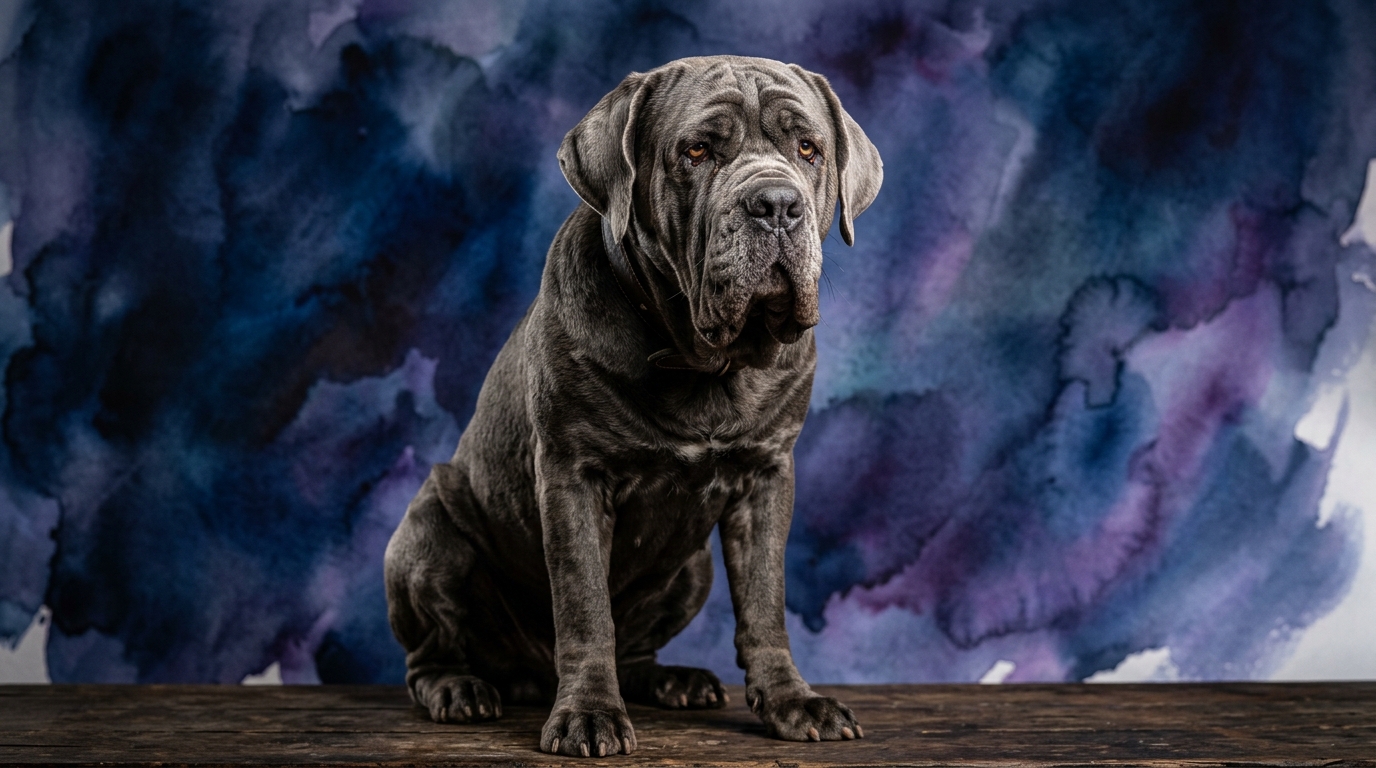
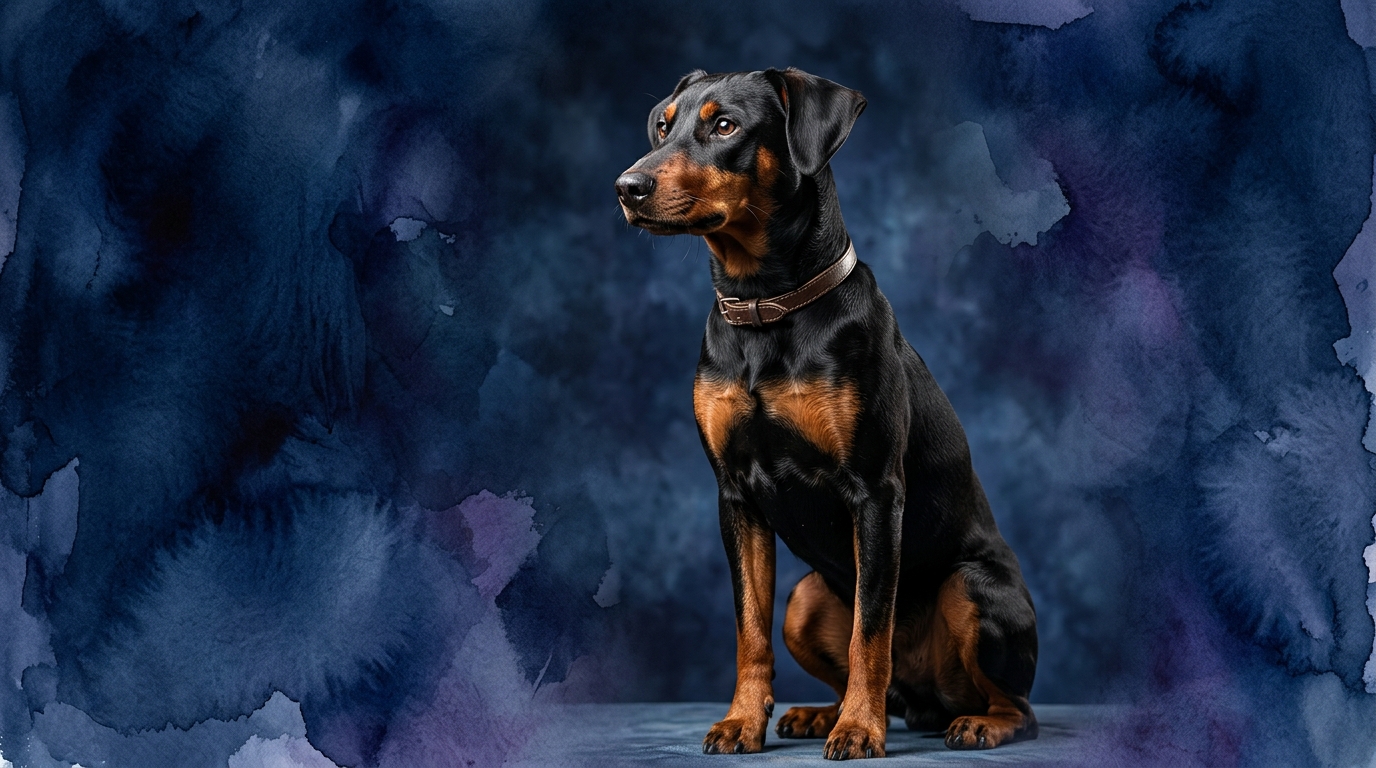
Side-by-Side IQ Profile: Neapolitan Mastiff vs German Pinscher
In the realm of canine cognition, both the formidable Neapolitan Mastiff and the agile German Pinscher register a balanced, moderate score of 3 out of 5 across all five evaluated intelligence dimensions. This parity in numerical score, however, belies the unique ways each breed expresses these cognitive traits, shaped by their ancestral responsibilities and inherent temperaments.
For the **Neapolitan Mastiff**, problem-solving (3/5) often manifests as a deliberate, observational approach to novel situations, especially those concerning their territory or family. Their training speed (3/5) indicates they are capable learners, though their immense size and independent streak mean consistency and patience are paramount for instruction to take root. Social intelligence (3/5) highlights their deep, often subtle bond with their inner circle, coupled with a reserved, watchful demeanor towards outsiders. Instinctive drive (3/5) is primarily focused on protection and guarding, a powerful innate sense of duty. Memory (3/5) allows them to retain complex routines and remember past interactions, crucial for their role as a steadfast protector.
The **German Pinscher**, by contrast, applies its cognitive abilities with a different flair. Problem-solving (3/5) translates into resourcefulness, such as figuring out how to access interesting objects or outsmarting small prey, often involving quick assessment and action. Training speed (3/5) means they can pick up commands efficiently, but their high energy and sharp focus on their environment can sometimes make sustained attention challenging. Social intelligence (3/5) reflects their engaging, sometimes assertive, interaction with family, alongside a vigilant and sometimes vocal response to new people or situations. Instinctive drive (3/5) is strong in prey drive and vigilance, always on alert for anything out of place. Memory (3/5) ensures they reliably recall commands and routines, maintaining their sharp, responsive nature.
Where the Neapolitan Mastiff Wins Cognitively
While their numerical scores are identical, the Neapolitan Mastiff's cognitive strengths shine in areas demanding a calm, deliberate, and deeply committed presence. Their problem-solving at 3/5 often involves a more measured, observational approach to novel situations, particularly those involving perceived threats to their family or property. This contrasts with a quicker, more reactive response; the Mastiff evaluates before acting, a vital trait for a guardian. This deliberate thought process allows them to assess complex social cues within their family unit, providing a profound, unwavering loyalty. Their social intelligence, also 3/5, allows for a nuanced understanding of their family's emotional states, expressed through subtle cues rather than boisterous displays. Furthermore, their memory (3/5) excels in recalling specific individuals or past incidents related to their protective duties, building a comprehensive 'threat assessment' database over time, making them exceptionally reliable in their guardianship role.
Where the German Pinscher Wins Cognitively
The German Pinscher’s cognitive strengths are found in their agility of thought and their energetic application of moderate intelligence. Their 3/5 problem-solving ability is often applied to more dynamic, environmental challenges, such as navigating complex spaces to retrieve a toy or finding innovative ways to access objects of interest, showcasing a resourceful and active mind. Their training speed (3/5) benefits from their inherent eagerness and desire to work, allowing them to excel in activities requiring swift, precise movements and multiple command sequences, such as agility or obedience trials. The 3/5 instinctive drive for a Pinscher means they are exceptionally attuned to subtle environmental changes, processing sensory input rapidly and reacting with immediate alertness, making them outstanding watchdogs. Their social intelligence (3/5) allows for expressive and direct communication within their family unit, often indicating their desires or concerns clearly and with an engaging personality.
Which is Easier to Train and Why
Despite both breeds scoring 3/5 in training speed, the practical experience of training each differs significantly due to their underlying temperaments and drives. Training a Neapolitan Mastiff requires immense consistency, patience, and a deep understanding of their independent streak and sheer physical power. They learn steadily, but their motivation often stems from building a strong, respectful bond with their owner, rather than an eagerness to please. Repetitive, high-energy drills might not suit their more deliberate pace, and their problem-solving (3/5) means they are quite capable of learning how to avoid an undesirable command if not properly motivated. Once learned, however, their memory (3/5) ensures commands are usually deeply ingrained, leading to a reliable, if slow-to-start, obedience.
Conversely, the German Pinscher often appears 'easier' to train initially due to their responsiveness, high energy, and eagerness to engage. They pick up commands quickly, but their strong instinctive drives (3/5 prey drive, vigilance) mean that distractions are a major challenge. They require engaging, varied training sessions to maintain focus, as boredom can quickly lead to mischief. Their problem-solving (3/5) might lead them to test boundaries or find creative ways around rules if training isn't clear, consistent, and mentally stimulating. While their memory (3/5) ensures they recall commands, their lively temperament means consistent reinforcement is key to prevent behaviors from becoming rusty. In essence, the Pinscher offers quicker initial results but demands more ongoing management of its vivacity and drives, while the Mastiff requires greater upfront patience for a deeply reliable, albeit less flashy, outcome.
Which Suits Active Owners vs. Relaxed Owners
The choice between these two breeds also hinges on an owner's lifestyle and activity level. The **Neapolitan Mastiff** generally suits owners who appreciate a more relaxed pace but are certainly not sedentary. While they need regular, moderate exercise to maintain health and muscle tone, their immense size and lower stamina mean they are not suited for strenuous, long-distance activities like extensive running or intense dog sports. Their problem-solving (3/5) and social intelligence (3/5) mean they thrive on mental engagement within the home, observing and participating calmly in family life, rather than constant external stimulation. They are protective and observant, making them excellent companions for owners who appreciate a calm, steadfast, and watchful presence.
The **German Pinscher**, on the other hand, is an ideal match for active owners. Their 3/5 instinctive drive and problem-solving translate to a significant need for consistent physical and mental stimulation. They excel in dog sports such as agility, obedience, or earthdog trials, thrive on long walks, hikes, and activities that challenge their quick wit and agility. A truly relaxed or sedentary owner might find their energetic nature and vigilance (3/5) overwhelming, potentially leading to boredom-driven behaviors like excessive barking or destructive tendencies. They are companions for those who enjoy integrating their dog into a robust and engaging active lifestyle, providing ample opportunities for their sharp minds and bodies to be utilized.
The Verdict
Choose the Neapolitan Mastiff if you value a calm, deliberate, and deeply loyal companion who offers a steadfast protective presence and can manage their impressive size and independent spirit with patient, consistent guidance.
Choose the German Pinscher if you seek an energetic, alert, and highly responsive partner for an active lifestyle, appreciate a dog with a strong personality, and are prepared to engage their sharp mind and robust drives with consistent training and ample activity.
🧠 Find Your Pet's IQ Score
Our Pet IQ Lab assessment covers 25+ tests across 5 cognitive dimensions — personalized to your breed.
Take the Full IQ Test →Frequently Asked Questions
Do Neapolitan Mastiffs and German Pinschers have similar learning capabilities?
Both breeds demonstrate a moderate training speed (3/5), meaning they are capable of learning. The Mastiff requires patient, consistent methods due to its independent nature, while the Pinscher learns quickly but needs engaging, varied sessions to manage its high energy and focus.
How do their problem-solving skills differ despite both scoring 3/5?
A Neapolitan Mastiff's problem-solving (3/5) often manifests as deliberate assessment in protective scenarios, valuing observation and measured responses. A German Pinscher's (3/5) tends towards resourceful navigation of environments or outsmarting prey, favoring quick, active solutions and environmental manipulation.
Which breed is more attuned to human emotions?
Both score 3/5 in social intelligence, but express it differently. The Neapolitan Mastiff shows its attunement through a deep, quiet loyalty and subtle understanding of family dynamics. The German Pinscher expresses its social intelligence through more direct engagement and clear, often vocal, communication of its needs and observations.