
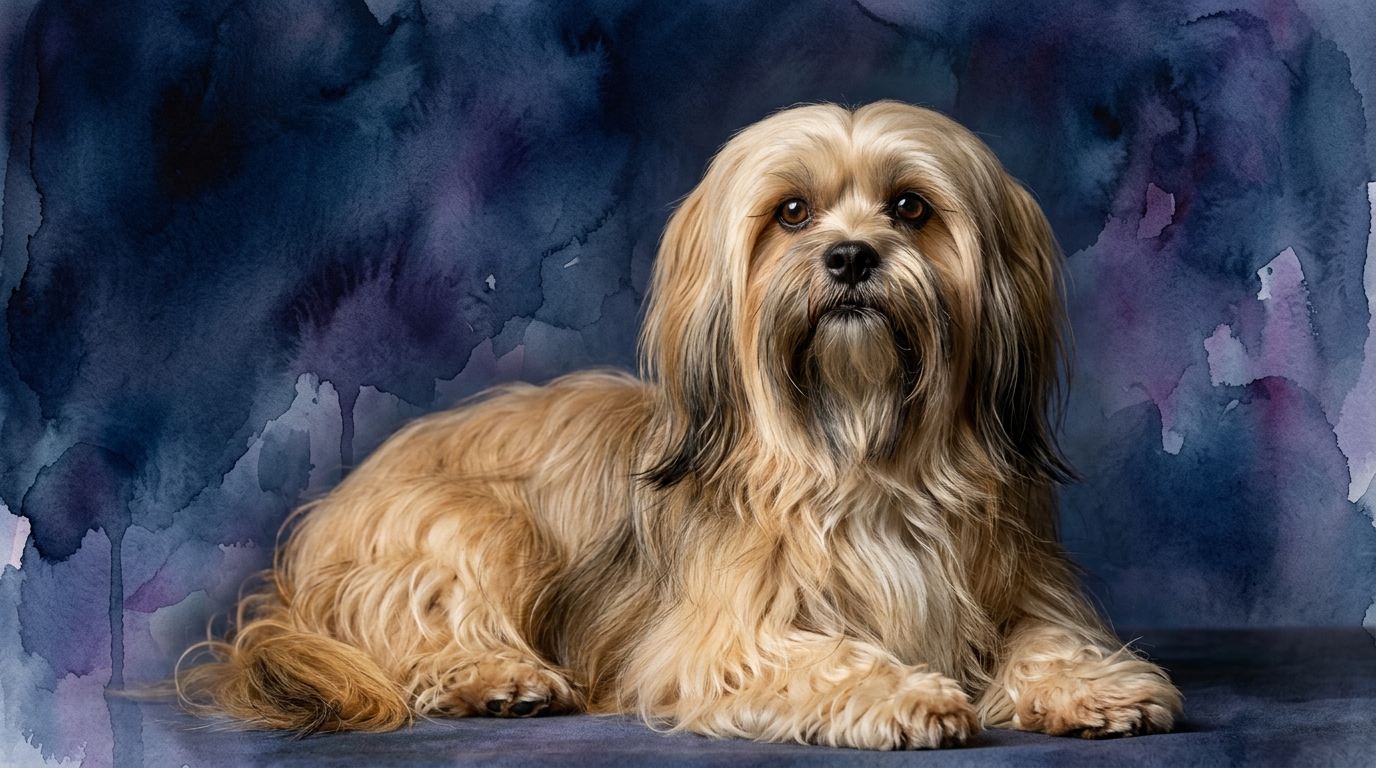
A Tale of Two Minds: Neapolitan Mastiff vs. Lhasa Apso Cognitive Profiles
The identical 3/5 scores across all five dimensions of intelligence for the Neapolitan Mastiff and the Lhasa Apso might initially suggest a lack of distinction, but this number is merely a baseline. True understanding comes from interpreting how these scores manifest within each breed's unique history, physique, and temperament. A 3/5 for a mastiff, steeped in centuries of guarding, will look profoundly different from a 3/5 for a Lhasa Apso, bred for vigilant companionship.
The Cosmic Pet Pet IQ Lab assesses five key cognitive dimensions: Problem Solving, reflecting a breed's capacity to navigate challenges; Training Speed, indicating how quickly new commands are grasped; Social Intelligence, measuring their ability to read and respond to social cues; Instinctive Drive, highlighting innate behavioral predispositions; and Memory, their capacity to retain information and experiences. Let's unpack how each breed interprets these shared scores through their distinct lenses.
Problem Solving: Deliberation vs. Persistence (3/5 Each)
A Neapolitan Mastiff's 3/5 in problem solving manifests in their deliberate, methodical approach to situations, particularly those related to their perceived duty of guardianship. They are not typically quick to react impulsively but will instead assess a perceived threat or an unfamiliar scenario with a calm, watchful intensity, weighing options before committing to a course of action. Their problem-solving often involves strategic positioning, asserting a dominant presence, or patiently observing until a solution, such as identifying a safe individual or deterring an intruder, becomes clear. This cognitive strength leans towards robust, long-term resolutions rather than immediate, agile workarounds.
For a Lhasa Apso, a 3/5 in problem solving translates into a tenacious and often cunning ability to navigate their world and achieve their desired outcomes. Despite their smaller stature, they possess a formidable will, employing persistence and cleverness to overcome obstacles, whether it’s figuring out how to get attention, access a forbidden treat, or outsmart a gate. Their solutions might involve a series of persistent barks to alert owners, subtle manipulations to get their way, or an ingenious method to reach a favored spot. Their problem-solving is less about brute force and more about intellectual agility and unwavering determination to achieve their objectives.
Training Speed: Gravitas vs. Independent Spirit (3/5 Each)
The Neapolitan Mastiff's 3/5 in training speed suggests they absorb new information and commands, but often at a pace dictated by their own discerning nature. They require clear purpose and consistent, patient guidance, thriving on understanding the 'why' behind a command, especially if it aligns with their protective instincts. Repetition combined with positive reinforcement builds a foundation of respect, leading to reliable, albeit not always instantaneous, compliance. Their substantial size and inherent independence mean training is a process of building trust and a working partnership.
Lhasa Apsos, also scoring 3/5 in training speed, learn effectively, but their independent and sometimes stubborn temperament means they often learn on their own terms. They are not naturally inclined to eager obedience; instead, they weigh the benefit of compliance against their own desires. Training a Lhasa Apso requires creativity, positive reinforcement, and a sense of humor, often turning lessons into a game where they feel they are making the choices. They will grasp concepts, but consistent motivation is key to seeing those concepts applied reliably in various situations.
Social Intelligence: Protective Bonds vs. Selective Affection (3/5 Each)
A Neapolitan Mastiff's 3/5 in social intelligence underscores their profound capacity to form deep, protective bonds with their immediate family. They are perceptive of their family's moods and intentions, often acting as silent, watchful guardians. While reserved and sometimes wary with strangers, this isn't a lack of social understanding but rather a manifestation of their discerning nature and protective role. Their social interactions are primarily focused on assessing safety and loyalty within their established pack, demonstrating a nuanced understanding of their human companions' emotional states.
For the Lhasa Apso, a 3/5 in social intelligence reflects their adeptness at reading human cues and, often, using them to their advantage. They are skilled at discerning who responds to their charms and who might be swayed by their persistent demands. Lhasas often form strong, sometimes exclusive, bonds with one or two individuals, while remaining more aloof or opinionated with others. Their social acumen allows them to navigate complex household dynamics, often charming their way into preferred positions or securing desired outcomes with a confident, self-assured social demeanor.
Instinctive Drive: Guarding the Realm vs. Alerting the Household (3/5 Each)
The Neapolitan Mastiff's 3/5 in instinctive drive highlights their powerful, inherent inclination towards protection and vigilance. This drive is not merely aggression but a profound sense of responsibility for their territory and the safety of their family. It manifests in their natural tendency to patrol, observe their surroundings with keen interest, and assert a calming, yet formidable, presence. This foundational instinct shapes much of their behavior, guiding their interactions and their strategic responses to perceived changes in their environment.
Lhasa Apsos, with a 3/5 in instinctive drive, possess a robust watchdog instinct, a core part of their historical purpose. Despite their size, they are driven to bark and alert to any perceived intrusion, whether it's a stranger at the door or an unusual sound outside. This powerful drive is rooted in their heritage as sentinels in Tibetan monasteries, making them highly attuned to environmental changes and quick to communicate their observations. Their instinct is to be the first line of auditory defense, ensuring the household is aware of any anomaly.
Memory: Loyalty and Routine vs. Personal Experience (3/5 Each)
A Neapolitan Mastiff's 3/5 in memory suggests they retain routines, learned behaviors, and, crucially, a detailed mental roster of who belongs and who doesn't. Their memory serves their protective function, allowing them to recall past interactions with individuals, recognize familiar faces, and enforce established boundaries within their territory. They remember training commands and the expectations of their family, contributing to their steady, reliable presence. This memory is often tied to safety, security, and the well-being of their loved ones.
For a Lhasa Apso, a 3/5 in memory implies they remember what works for them, both in terms of getting what they want and avoiding what they don't. They recall specific people, places, and experiences with remarkable tenacity, often holding onto preferences, dislikes, or even perceived slights. This memory aids their problem-solving and social maneuvering, allowing them to repeat successful strategies or avoid previous pitfalls. They are adept at remembering routines that benefit them and will subtly remind their owners of forgotten privileges.
Where the Neapolitan Mastiff's Cognition Shines
The Neapolitan Mastiff's cognitive strengths truly stand out in scenarios demanding deliberate assessment, unwavering loyalty, and a profound sense of protective duty. Their problem-solving excels in evaluating potential threats and devising robust, long-term deterrents rather than quick fixes. Their social intelligence allows them to deeply understand and respond to the emotional needs of their immediate family, offering a calm, reassuring presence. Their memory for routines and trusted individuals makes them incredibly reliable guardians, embodying a quiet wisdom that prioritizes the safety and stability of their home.
Where the Lhasa Apso's Cognition Excels
The Lhasa Apso's cognition excels in areas requiring tenacity, sharp observation, and a clever approach to achieving their goals. Their problem-solving is marked by persistent, often ingenious methods to navigate their environment or influence their human companions. Their instinctive drive makes them exceptional alert systems, attuned to the slightest change and quick to communicate it. Furthermore, their social intelligence allows them to skillfully navigate household dynamics, often charming their way into favorable positions, backed by a strong memory for past successes and preferred routines.
Training Dynamics: Patience vs. Persistence
Training a Neapolitan Mastiff requires consistent, calm, and confident leadership. Their independent streak means they respond best to a trainer who earns their respect through fair, clear, and patient methods. Commands should be purposeful and reinforced with positive encouragement, rather than harsh corrections, to build a strong, trusting bond. Early socialization and obedience are crucial due to their size and protective instincts, focusing on channeling their inherent guarding drives appropriately. They learn steadily when they understand their role and the expectations.
Training a Lhasa Apso demands patience, creativity, and a good sense of humor. Their independent and often opinionated nature means they are not always eager to please, requiring owners to make training sessions engaging and rewarding. Positive reinforcement, such as treats and praise, is highly effective, as is making them feel like they are choosing to comply. Consistency is paramount to overcome their wilfulness, ensuring that good behaviors are reinforced and undesirable ones are not inadvertently rewarded. Socialization from a young age helps temper their natural watchdog tendencies.
Lifestyle Compatibility: Guardianship vs. Companion Alertness
The Neapolitan Mastiff is best suited for owners who appreciate a calm, watchful, and deeply loyal companion, and who have the space and commitment to manage a large, powerful breed. They thrive in environments where they can fulfill their natural role as a guardian, requiring consistent socialization and training to ensure their protective instincts are well-managed. They are not high-energy dogs but require regular, moderate exercise and significant mental engagement through their 'job' of observing and protecting their family and territory.
The Lhasa Apso fits well with owners who enjoy a spirited, independent, and confident companion, and who are prepared for their vocal nature and strong watchdog instincts. They adapt remarkably well to apartment living, provided they receive regular, short walks and consistent mental stimulation to prevent boredom. Owners should appreciate their distinct personality and be prepared to engage with their clever, sometimes stubborn, nature. They offer lively companionship and an ever-vigilant presence, always ready to alert their household to anything unusual.
The Verdict
Choose the Neapolitan Mastiff if you seek a calm, deeply protective presence, valuing deliberate assessment and unwavering loyalty in a large, imposing guardian. They are ideal for experienced owners who can provide consistent leadership and a secure environment for their inherent protective drives.
Opt for the Lhasa Apso if you desire a tenacious, independent, and spirited companion, appreciating their keen observational skills and vocal alerts. They suit owners who enjoy a confident personality and are prepared for consistent, patient training to channel their clever and sometimes stubborn nature.
🧠 Find Your Pet's IQ Score
Our Pet IQ Lab assessment covers 25+ tests across 5 cognitive dimensions — personalized to your breed.
Take the Full IQ Test →Frequently Asked Questions
Do Neapolitan Mastiffs learn commands quickly?
Neapolitan Mastiffs, with a 3/5 training speed, learn commands steadily rather than quickly. They respond best to consistent, patient training that builds trust and helps them understand the purpose behind a command, particularly if it aligns with their protective instincts.
Are Lhasa Apsos difficult to house train?
Lhasa Apsos can be challenging to house train due to their independent nature and tendency to be stubborn. Consistent routines, positive reinforcement, and patience are crucial, as they respond best when they feel they are making the choice to comply.
How do their social skills differ with strangers?
Neapolitan Mastiffs are typically reserved and wary with strangers, a manifestation of their protective instincts, while Lhasa Apsos can be discerning and opinionated, often forming exclusive bonds with family members but remaining aloof or vocal with outsiders, reflecting their watchdog heritage.