
A Side-by-Side Look at Cognitive Profiles
The Cosmic Pet Pet IQ Lab employs a comprehensive five-dimensional framework to assess canine intelligence, offering a detailed perspective on how breeds process information and engage with their environment. For the Neapolitan Mastiff, a breed from the Working group, we observe a distinct cognitive blueprint tailored for their historical role as guardians. Their Problem Solving is rated at 3/5, suggesting a methodical approach to novel situations; they are not typically quick to react but will assess and respond deliberately. Training Speed, also at 3/5, indicates that while capable of learning, they require patience, consistent reinforcement, and a deep understanding of their independent nature. Social Intelligence, at 3/5, reflects their discerning nature, forming profound bonds with their immediate family while often maintaining a reserved, watchful demeanor towards outsiders. Their Instinctive Drive, 3/5, is strongly rooted in their territorial and protective instincts, rather than a high prey drive or desire for repetitive tasks. Finally, their Memory, at 3/5, is solid for routines and established commands, though mastering complex sequences might demand more consistent practice.
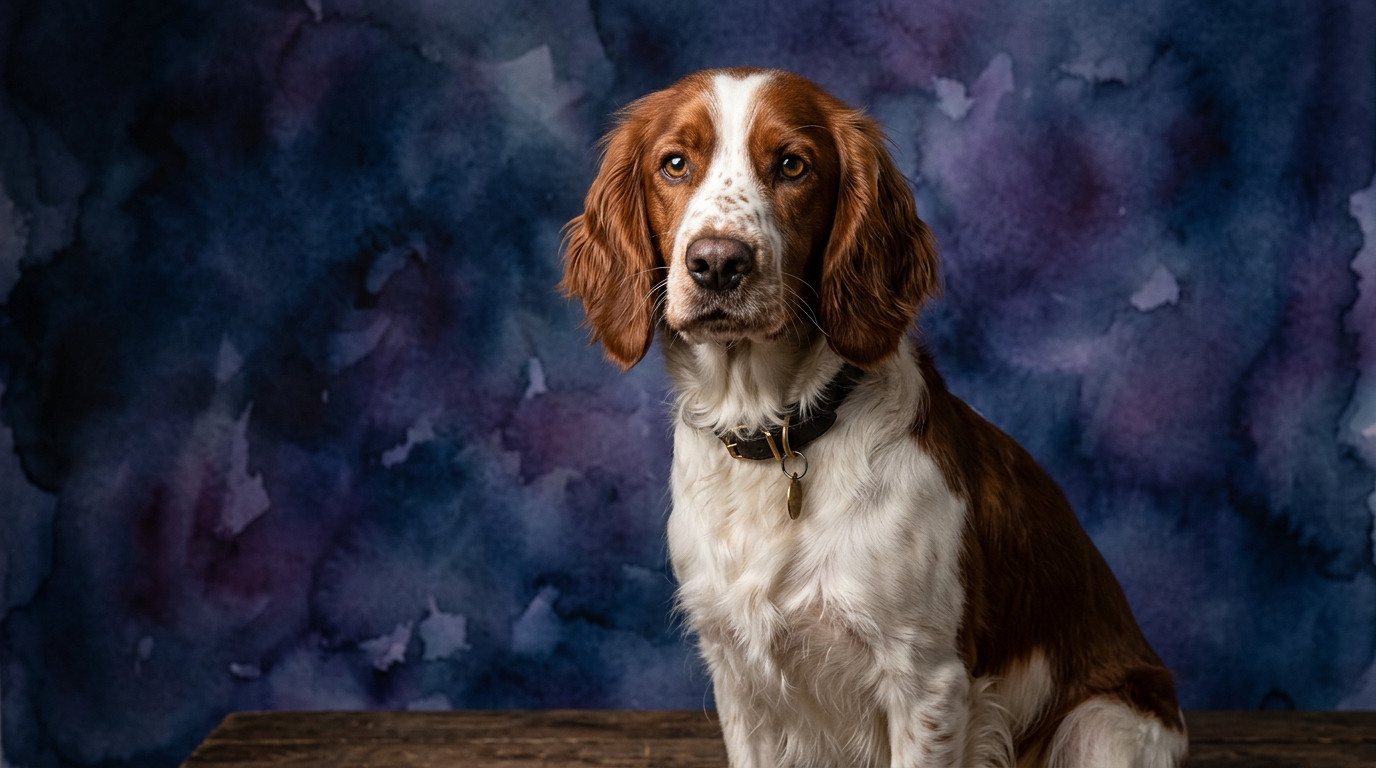
In contrast, the Welsh Springer Spaniel, a Sporting group member and ranked #31 by Coren, presents a more outwardly responsive and task-oriented cognitive profile. Their Problem Solving capability scores 4/5, demonstrating an eagerness to figure things out, whether it's navigating challenging terrain during a hunt or solving a puzzle toy; they are often resourceful and adaptable. Training Speed, also at 4/5, points to a breed that learns new commands and behaviors with impressive alacrity, thriving on engagement and positive reinforcement. Social Intelligence, at 3/5, indicates a generally friendly and adaptable disposition, though like many spaniels, they form close attachments and can be sensitive to their handler's mood. Their Instinctive Drive, 3/5, is primarily expressed through their strong desire to retrieve, scent-work, and participate in active tasks, reflecting their heritage as a gundog. Their Memory, rated at 4/5, allows them to retain a wide array of commands and sequences, making them reliable partners for intricate tasks and sports.
Cognitive Strengths of the Neapolitan Mastiff
The Neapolitan Mastiff's cognitive strengths lie deeply embedded in their purpose as guardians. Their social intelligence, while rated 3/5, is a strength in its selective discernment; they are not indiscriminately friendly, which is crucial for their protective role. This means they are adept at identifying who belongs and who doesn't, making them keenly observant of their environment and the intentions of strangers. Their methodical problem-solving (3/5) allows them to assess threats carefully rather than reacting impulsively, a valuable trait for a large protection breed. They excel in remembering routines (3/5), providing a consistent presence and ensuring the security of their domain. This deliberate thought process and discerning social engagement allow them to be effective, imposing deterrents, relying on presence and thoughtful assessment over rapid, high-energy responses.
Furthermore, their instinctive drive (3/5) is precisely calibrated for territorial defense. This isn't a frenetic energy, but a deep-seated commitment to their family and property. They don't need constant stimulation to fulfill this drive; rather, it manifests as a calm vigilance. Their memory for the layout of their territory and the regular comings and goings of family members and approved visitors makes them exceptional at their job, maintaining a mental map of their domain that contributes to their steadfast guardian capabilities.
Cognitive Advantages of the Welsh Springer Spaniel
The Welsh Springer Spaniel shines with a cognitive profile built for active partnership and quick learning. Their superior problem-solving (4/5) means they are adept at navigating complex environments, figuring out how to retrieve objects from challenging spots, or mastering new agility course obstacles. This adaptability makes them highly capable in various dog sports and working roles. Paired with their rapid training speed (4/5), they pick up new cues and behaviors swiftly, often anticipating what is expected of them and enjoying the learning process itself. This combination makes them highly responsive to guidance and eager to engage in mentally stimulating activities.
Their excellent memory (4/5) is a significant asset, allowing them to recall a vast repertoire of commands and intricate sequences with reliability. This is particularly beneficial in field work, where remembering specific retrieves or complex patterns is essential, and in competitive obedience or rally. While their social intelligence is rated similarly to the Mastiff at 3/5, it manifests as a generally effervescent and engaging demeanor with familiar people, making them delightful and cooperative companions for those who appreciate an active and responsive partner. Their instinctive drive (3/5) is channeled into purposeful activity, making them highly motivated by tasks that involve scent, retrieving, and movement.
Training: Patience vs. Pace
When considering ease of training, the Welsh Springer Spaniel (Training Speed 4/5) generally offers a more straightforward experience due to their eagerness to learn and quicker assimilation of new commands. They are typically responsive to positive reinforcement, enjoying the interactive process of training and showing a strong desire to please their handlers. Their problem-solving acumen (4/5) means they grasp concepts rapidly, often making connections between actions and consequences with minimal repetition. This responsiveness makes them suitable for owners who enjoy consistent engagement and who might be new to advanced training techniques.
The Neapolitan Mastiff (Training Speed 3/5), on the other hand, demands a different approach. While they are certainly capable of learning, their inherent independence and deliberate nature mean training requires significant patience, consistency, and a strong, confident leader. They are not as driven by a desire to please in the same way a Springer Spaniel might be; instead, motivation often comes from respect for their handler and understanding the purpose of the command. Early and consistent socialization is paramount to channel their social intelligence (3/5) appropriately, ensuring they are discerning guardians rather than overly wary. Owners must be prepared for a longer, more nuanced training journey, focusing on building trust and clear communication rather than expecting rapid results.
Matching Breeds to Lifestyles: Active vs. Relaxed Owners
The choice between a Neapolitan Mastiff and a Welsh Springer Spaniel often comes down to an owner's lifestyle and their capacity to meet specific cognitive and physical needs. The Welsh Springer Spaniel is an ideal match for active owners who relish outdoor activities, dog sports, or have a passion for hunting. Their superior problem-solving (4/5) and quick training speed (4/5) mean they thrive on mental and physical stimulation, excelling in activities like agility, obedience, or field trials. Owners who can provide daily vigorous exercise, engage in interactive play, and offer consistent training will find a highly engaged and rewarding companion in a Welsh Springer Spaniel. They need outlets for their instinctive drive (3/5) for retrieving and scent work, making them unsuitable for entirely sedentary households.
Conversely, the Neapolitan Mastiff is better suited for owners who appreciate a calmer, more relaxed home environment, yet are prepared for the responsibilities of a large, protective breed. While they require regular, moderate exercise to maintain health, their cognitive profile doesn't demand the same high-intensity mental or physical challenges as the Springer Spaniel. Their deliberate problem-solving (3/5) and discerning social intelligence (3/5) thrive in stable, predictable environments where they can observe and protect. Owners who can provide strong, consistent leadership, thorough early socialization, and a secure territory will find a loyal, imposing, and relatively low-energy companion that excels at being a watchful family guardian. They are not for owners seeking a dog for competitive sports, but rather a steadfast presence.
The Verdict: When to Choose Each Breed
Understanding these cognitive distinctions is vital for prospective owners, guiding them toward a breed that truly aligns with their expectations and lifestyle. It's not about one breed being 'better,' but about finding the right cognitive and temperamental fit.
The Neapolitan Mastiff is an excellent choice for individuals or families seeking a majestic, protective, and calm companion who values a steady, watchful presence over high-octane activity. They suit owners prepared for a deliberate training pace and who appreciate a discerning, loyal guardian with a profound bond to their immediate family.
The Welsh Springer Spaniel is perfect for active, engaged owners who desire an energetic, trainable, and enthusiastic partner for outdoor adventures, dog sports, or a working role. They thrive with consistent mental stimulation and physical exercise, making them ideal for those who enjoy an interactive and responsive canine companion.
The Verdict
Choose the Neapolitan Mastiff if you seek a calm, steadfast guardian, valuing a deliberate, discerning temperament and are prepared for patient, consistent training.
Opt for the Welsh Springer Spaniel if you are an active individual or family desiring an eager, quick-learning companion for sports, outdoor activities, and consistent mental engagement.
🧠 Find Your Pet's IQ Score
Our Pet IQ Lab assessment covers 25+ tests across 5 cognitive dimensions — personalized to your breed.
Take the Full IQ Test →Frequently Asked Questions
Is a Neapolitan Mastiff difficult to train?
While not 'difficult' in the sense of inability, Neapolitan Mastiffs require a patient and consistent approach due to their independent nature and deliberate problem-solving. Owners must establish clear leadership and use positive reinforcement to build trust and ensure effective learning, focusing on respect over rapid obedience.
Which breed is better for a first-time dog owner?
The Welsh Springer Spaniel, with its quicker training speed and general eagerness to please, is often a more manageable option for first-time dog owners, provided they can meet its significant exercise and mental stimulation needs. The Neapolitan Mastiff's size, protective instincts, and independent streak typically require an owner with more experience in canine behavior and training.
Do Welsh Springer Spaniels need a lot of exercise?
Yes, Welsh Springer Spaniels have a moderate to high energy level and a strong instinctive drive for activity, stemming from their sporting heritage. They require daily vigorous exercise, such as long walks, runs, or engaging play sessions, to keep them physically and mentally content and prevent boredom-related behaviors.