
Side-by-Side Cognitive Profile
The Cosmic Pet Pet IQ Lab assesses canine intelligence across five key dimensions. Here’s how the Neapolitan Mastiff and West Highland White Terrier compare:
Neapolitan Mastiff:
Problem Solving (3/5): The Neapolitan Mastiff demonstrates a moderate capacity for solving environmental puzzles. Their approach is often deliberate and methodical, capable of navigating routine challenges but requiring more guidance for complex, novel situations.
Training Speed (3/5): Training a Neapolitan Mastiff requires consistent effort and patience. While they learn commands and routines, their size and sometimes ponderous nature mean that repetitions and clear, calm instruction are essential for solidifying behaviors.
Social Intelligence (3/5): Exhibiting moderate social intelligence, Neapolitan Mastiffs form deep family bonds and can read human emotions. However, they are reserved with strangers, necessitating careful socialization to ensure graceful interactions outside their immediate circle.
Instinctive Drive (3/5): Their moderate instinctive drive primarily manifests as a protective guardian nature. This is a purposeful, measured inclination to survey and safeguard their territory and family, rather than an impulsive chase or high-energy task drive.
Memory (3/5): Neapolitan Mastiffs possess a solid, moderate memory, effectively retaining routines, commands, and experiences. This contributes to their reliability once trained, provided behaviors are reinforced regularly over time.
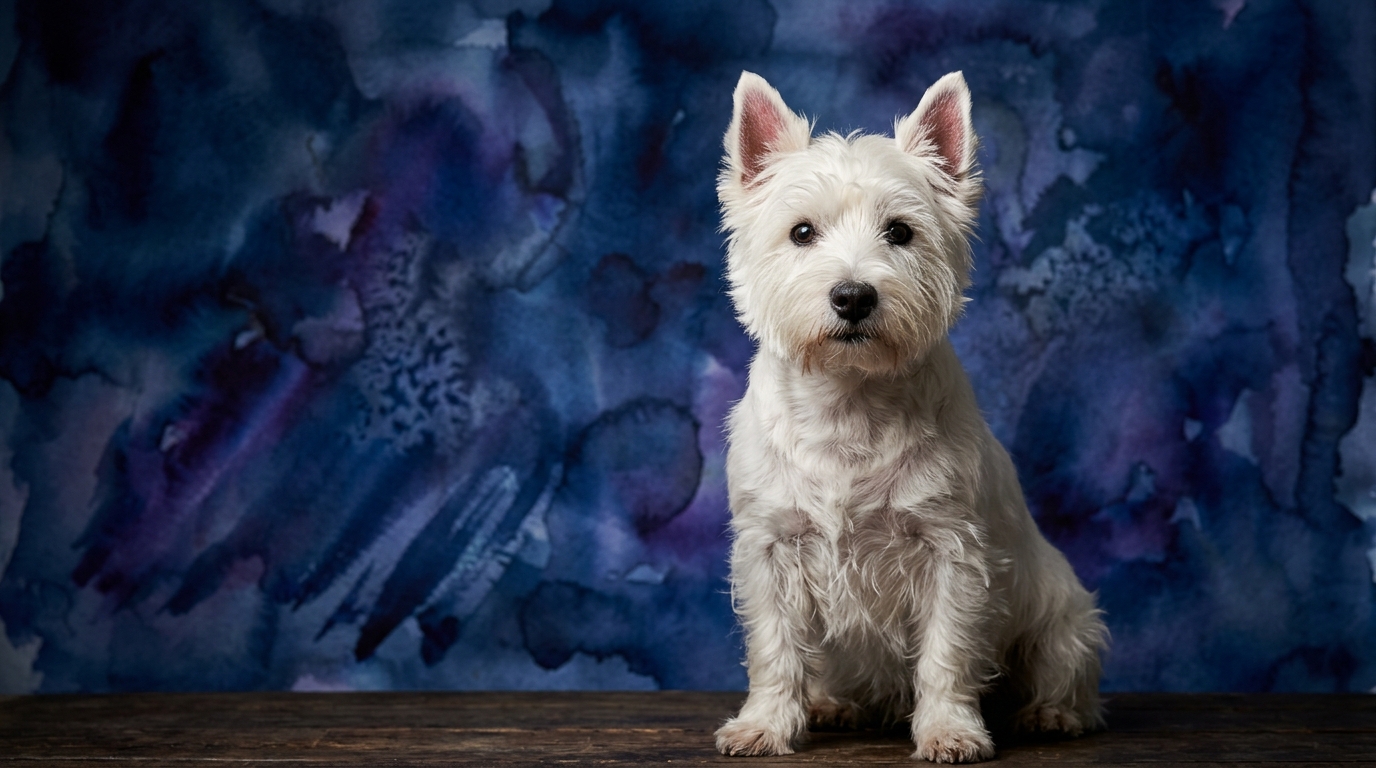
West Highland White Terrier:
Problem Solving (3/5): Westies show a moderate ability to solve problems, often driven by their terrier tenacity. They are persistent in overcoming obstacles, whether finding a toy or figuring out access to an interesting spot, though complex puzzles can still challenge them.
Training Speed (3/5): Also rating 3/5, Westies are keen to learn but their independent terrier spirit necessitates engaging, positive, and consistent training. They grasp concepts well, but their own agenda might occasionally require patient redirection.
Social Intelligence (3/5): West Highland White Terriers also rate 3/5, being generally outgoing and personable with family. They understand social cues and adapt well, though early and consistent socialization is crucial for polite interactions with strangers and other animals.
Instinctive Drive (3/5): The Westie's 3/5 instinctive drive stems from their terrier heritage, manifesting as a desire to dig, chase small prey, and explore. This fundamental drive requires appropriate outlets and management.
Memory (4/5): A key differentiator, the West Highland White Terrier boasts a superior 4/5 memory. This enhanced recall means they are exceptionally adept at remembering commands, past experiences, and routines over extended periods, aiding in long-term retention.
Where the Neapolitan Mastiff Wins Cognitively
The Neapolitan Mastiff's cognitive strengths are deeply rooted in its protective heritage. Its 3/5 problem-solving, combined with a keen observational nature, allows for a deliberate assessment of its environment, particularly regarding potential threats. This manifests as a calm, measured evaluation before action. Their social intelligence (3/5) is particularly adept at discerning trusted individuals and understanding family dynamics, fostering a profound, intuitive bond. The moderate instinctive drive (3/5) is perfectly calibrated for sustained vigilance and guardianship, making them excel in roles requiring a steady, imposing presence and quiet, observant protection of their domain.
Where the West Highland White Terrier Wins Cognitively
The West Highland White Terrier's primary cognitive advantage lies in its superior memory, rated 4/5 compared to the Mastiff's 3/5. This enhanced recall means a Westie retains training cues, learned behaviors, and environmental associations with greater longevity and precision. This allows them to build a more extensive repertoire of commands and maintain them with less frequent reinforcement. Their tenacity, combined with this sharper memory, enables them to persistently apply remembered solutions to novel problems, drawing from a richer internal database of experiences. This cognitive strength underpins their adaptability in varied learning environments.
Which is Easier to Train and Why
For overall ease of training, the West Highland White Terrier often presents a slightly more straightforward experience, largely due to its superior memory (4/5) and manageable size. While both breeds score 3/5 for training speed, the Westie's enhanced recall ensures that once a concept is learned, it tends to stick more firmly, requiring less frequent refreshing. Their instinctive drive (3/5), while present, is typically directed towards manageable terrier behaviors. Training a Neapolitan Mastiff, despite moderate scores, can be more physically demanding due to their immense size and the critical need to consistently manage their formidable protective instincts from puppyhood. Their deliberate pace also means more repetitions might be needed to engrain behaviors, and trainers must project unwavering consistency to avoid the Mastiff asserting its own will.
Which Suits Active Owners vs. Relaxed Owners
Active owners seeking a dynamic companion will generally find the West Highland White Terrier more suitable. Their 3/5 instinctive drive translates into lively curiosity and a desire for engagement, making them eager participants in varied activities, from walks to games. Their smaller stature simplifies logistics for adventures, and their moderate energy is satisfied with regular exercise and mental stimulation. In contrast, the Neapolitan Mastiff, despite a 3/5 instinctive drive, is built for a more relaxed, observant lifestyle. Their physical structure isn't suited for prolonged, strenuous activity; they prefer deliberate strolls and ample lounging. Their “activity” often involves surveying their domain and being a steadfast, calm presence. Relaxed owners appreciating a watchful companion content with routine exercise and indoor comfort would align better with a Neapolitan Mastiff.
The Verdict
Choose a Neapolitan Mastiff if you desire a calm, profoundly loyal companion whose cognitive strengths support deliberate observation and guardianship within a relaxed home environment.
Opt for a West Highland White Terrier if you seek a lively, tenacious partner whose exceptional memory makes training efficient and who thrives on engaging activities and a more active lifestyle.
🧠 Find Your Pet's IQ Score
Our Pet IQ Lab assessment covers 25+ tests across 5 cognitive dimensions — personalized to your breed.
Take the Full IQ Test →Frequently Asked Questions
Does the Neapolitan Mastiff's size impact its training difficulty?
Yes, the Neapolitan Mastiff's substantial size significantly influences training. While their training speed is moderate, their physical strength and deliberate nature mean that early, consistent training and socialization are crucial to manage their powerful presence safely and effectively.
How does the West Highland White Terrier's memory benefit daily life?
The West Highland White Terrier's superior memory (4/5) translates to greater consistency in daily routines and commands. They retain information well, meaning less frequent reinforcement is needed for learned behaviors, making them adaptable and reliable companions in various situations.
Are either of these breeds prone to destructive behaviors if not mentally stimulated?
Both breeds require appropriate mental stimulation, but their expressions differ. A Neapolitan Mastiff might become withdrawn or exhibit subtle behavioral issues if under-stimulated, whereas a West Highland White Terrier, with its terrier instincts, might resort to digging, excessive barking, or chewing if bored, requiring more active engagement.