Side-by-Side Cognitive Profile
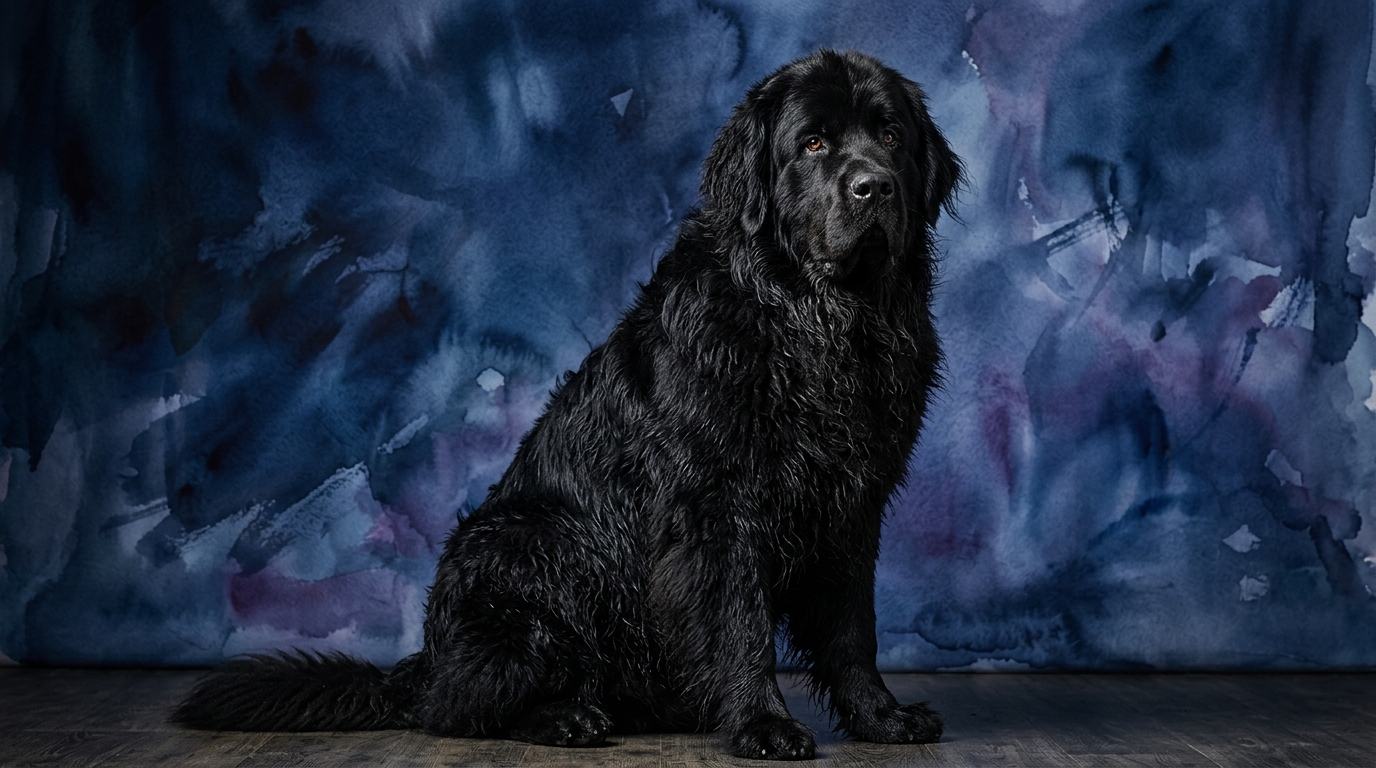
Newfoundland (Working Group, Coren #34): Problem Solving (3/5) – While not quick to invent novel solutions, Newfoundlands excel at applying learned methods consistently, demonstrating practical intelligence in tasks they understand. Training Speed (4/5) – They are generally eager pupils, responding well to positive reinforcement and picking up new commands with commendable speed, especially when a task involves helping their human companions. Social Intelligence (5/5) – This breed truly shines here, possessing an exceptional capacity to discern human emotions and intentions, fostering deep, empathetic bonds. Instinctive Drive (5/5) – Their powerful natural urges are geared towards rescue, protection, and water work, manifesting as a strong desire to assist and guard their family. Memory (4/5) – Newfoundlands exhibit robust recall for routines, commands, and social experiences, contributing to their reliability and consistent behavior over time.
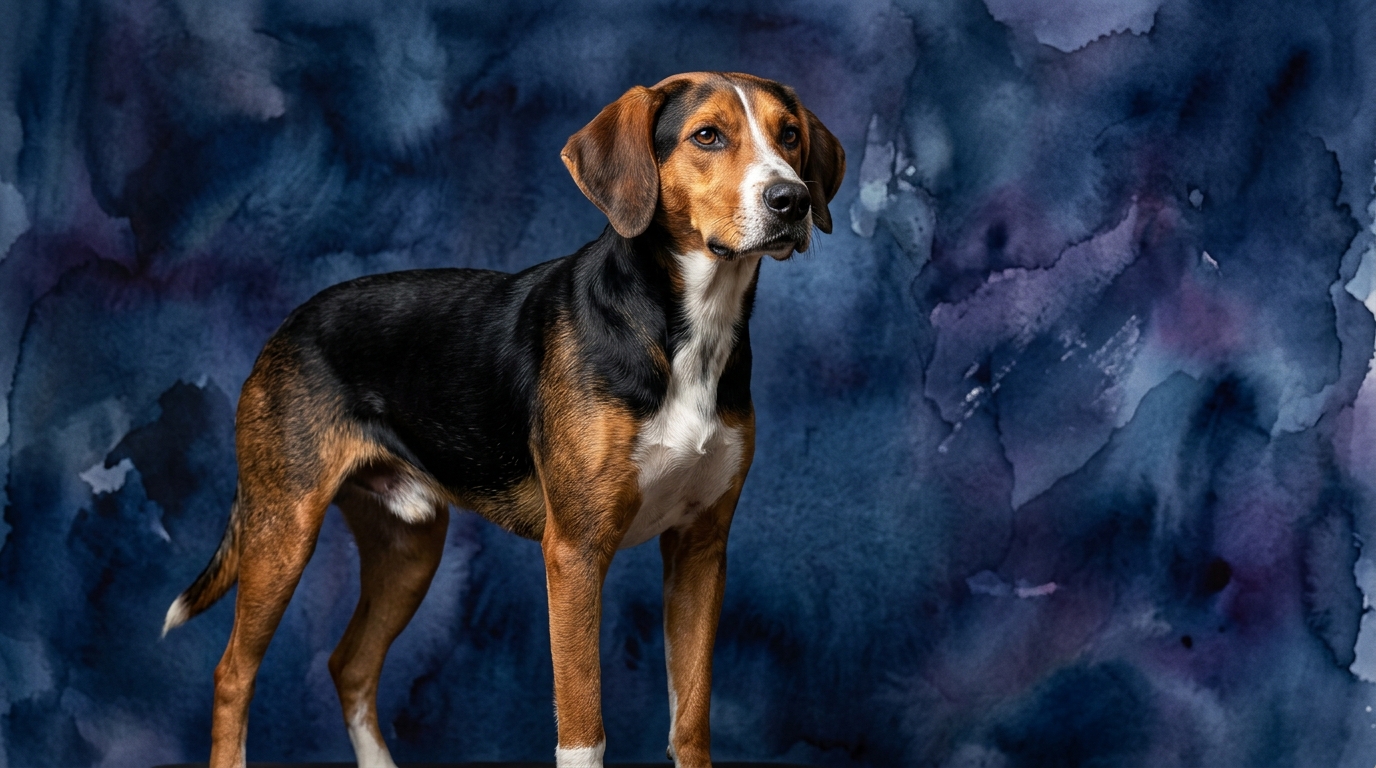
American Foxhound (Hound Group, Not Coren-ranked): Problem Solving (3/5) – American Foxhounds demonstrate moderate problem-solving abilities, often manifesting in their persistent pursuit of a scent trail rather than complex abstract thinking. Training Speed (3/5) – Their independent spirit means training requires patience; they learn, but their focus can be easily diverted by compelling scents, making rapid command acquisition less common. Social Intelligence (3/5) – While generally affable, their social interactions are often more straightforward and less nuanced than some breeds, focusing on pack dynamics rather than deep emotional attunement with humans. Instinctive Drive (3/5) – Their core drive is unmistakably centered on scent-tracking and the hunt, a powerful instinct that can override other impulses when a trail is found. Memory (3/5) – They possess a strong memory for scent patterns and hunting routes, though their recall for human-initiated commands might be less consistent, particularly when their primary drive is engaged.
Where the Newfoundland Wins Cognitively
The Newfoundland’s cognitive strengths are profoundly rooted in their capacity for partnership and empathy. Their perfect 5/5 in Social Intelligence means they are exceptional at interpreting human cues, understanding emotional states, and responding with appropriate comfort or assistance. This makes them remarkably intuitive companions, often anticipating needs before they are voiced. Furthermore, their 4/5 Training Speed, coupled with a 5/5 Instinctive Drive that leans towards helping, means they are not only willing but eager to learn and execute tasks that benefit their human family. This combination results in a dog that is not just trainable, but truly collaborative, applying their considerable memory (4/5) to retain complex routines and social protocols. For instance, a Newfoundland might instinctively nudge a child away from danger or retrieve a dropped item without being asked, demonstrating an active, applied understanding of their role within the family unit. Their problem-solving, while not the highest, is often directed towards practical solutions within a social context, such as figuring out how to get closer to a family member or navigating obstacles to reach someone in need.
Where the American Foxhound Wins Cognitively
The American Foxhound's cognitive prowess is a testament to its specialized heritage, where independence and an unwavering focus on scent are paramount. While their overall IQ scores might appear lower in comparison to the Newfoundland, their strengths are highly specialized and effective within their intended domain. Their 3/5 in Instinctive Drive, though numerically lower, represents a singular, powerful focus on tracking and hunting that is unmatched by many breeds. This isn't a drive for human partnership in the same way as a Newfoundland, but an intrinsic, self-directed motivation to follow a scent to its conclusion. This intense focus allows them to 'problem-solve' complex scent puzzles over vast distances, navigating varied terrain and ignoring distractions that would deter other dogs. Their memory (3/5) is particularly strong for scent trails and geographical layouts relevant to their pursuit, enabling them to retrace steps or remember successful hunting grounds. While their Social Intelligence (3/5) and Training Speed (3/5) might not reflect a keen desire to please humans, these traits instead underscore a cognitive independence essential for a dog expected to work autonomously, making complex decisions in the field without constant human direction. They excel in situations where a dog must think for itself, driven by an ancient, powerful instinct.
Which is Easier to Train and Why
When considering ease of training, the Newfoundland holds a distinct advantage. Their Training Speed of 4/5, combined with a perfect 5/5 in Social Intelligence, means they are inherently motivated to understand and cooperate with human directives. Newfoundlands actively seek to please their owners, making them highly responsive to positive reinforcement and eager to learn new commands. Their strong instinctive drive is often channeled into tasks that benefit their human companions, such as retrieving, guarding, or even water rescue simulations, making training feel like a collaborative effort. They quickly grasp new concepts and reliably execute learned behaviors due to their good memory (4/5).
In contrast, the American Foxhound, with a Training Speed of 3/5 and a Social Intelligence of 3/5, presents a different training challenge. Their powerful instinctive drive for scent-tracking often means their attention is more drawn to environmental stimuli than to human commands. They are independent thinkers, bred to follow a scent for miles without human intervention, which translates into a less immediate desire to comply. Training an American Foxhound requires immense patience, creativity to make training sessions more engaging than a compelling scent, and a deep understanding of their hound nature, rather than relying on a strong desire to please. Real behavioral differences include the Newfoundland's tendency to offer a paw or lean against their owner, seeking interaction, while a Foxhound might be more inclined to put its nose to the ground and become absorbed in a scent, requiring a strong recall command to break their focus.
Which Suits Active Owners vs Relaxed Owners
The Newfoundland, despite its substantial size, can be surprisingly amenable to a more relaxed indoor lifestyle, provided its moderate exercise needs are met. Owners who appreciate a calm, gentle giant indoors will find a Newfoundland suitable, as long as they commit to daily walks, opportunities for swimming, and consistent mental engagement through training and social interaction. Their high social intelligence means they thrive on being an integral part of family activities, even if those activities are quiet evenings on the couch. They are well-suited for owners who enjoy consistent, gentle training and value a deeply connected companion.
Conversely, the American Foxhound demands a significantly more active ownership style. Their powerful instinctive drive and heritage as a hunting dog mean they possess boundless energy and a profound need for extensive physical activity, often requiring several hours of vigorous exercise daily. This isn't just about walks; it's about opportunities to run, explore, and engage their formidable noses, ideally in large, securely fenced areas or through specific scent work. A relaxed owner will quickly find an American Foxhound frustrated and potentially destructive due to unfulfilled energy and instinctual needs. They are best suited for highly active individuals or families who embrace outdoor adventures, perhaps even participating in canine sports like scent work or endurance running, and who understand the dedication required to manage a dog with such a strong, independent drive.
The Verdict
Choose a Newfoundland if you seek an empathetic, trainable companion with a strong desire to be an integral part of your family, offering gentle protection and a calm, reassuring presence.
Choose an American Foxhound if you are an experienced, highly active owner who values an independent, scent-driven canine athlete and can dedicate significant time to exercise and specialized training that respects their natural instincts.
🧠 Find Your Pet's IQ Score
Our Pet IQ Lab assessment covers 25+ tests across 5 cognitive dimensions — personalized to your breed.
Take the Full IQ Test →Frequently Asked Questions
Is the Newfoundland good with children?
Yes, their high social intelligence and gentle nature often make them excellent family dogs, particularly patient and protective with children, though supervision is always advised due to their sheer size.
Can American Foxhounds live in apartments?
Due to their high energy levels and strong need for extensive exercise and outdoor exploration, American Foxhounds are generally not well-suited for apartment living and thrive best in homes with large, securely fenced yards.
Do Newfoundlands drool a lot?
Yes, Newfoundlands are known for their significant drooling, especially after drinking water or during excitement, a characteristic that potential owners should be prepared to manage with regular wiping.