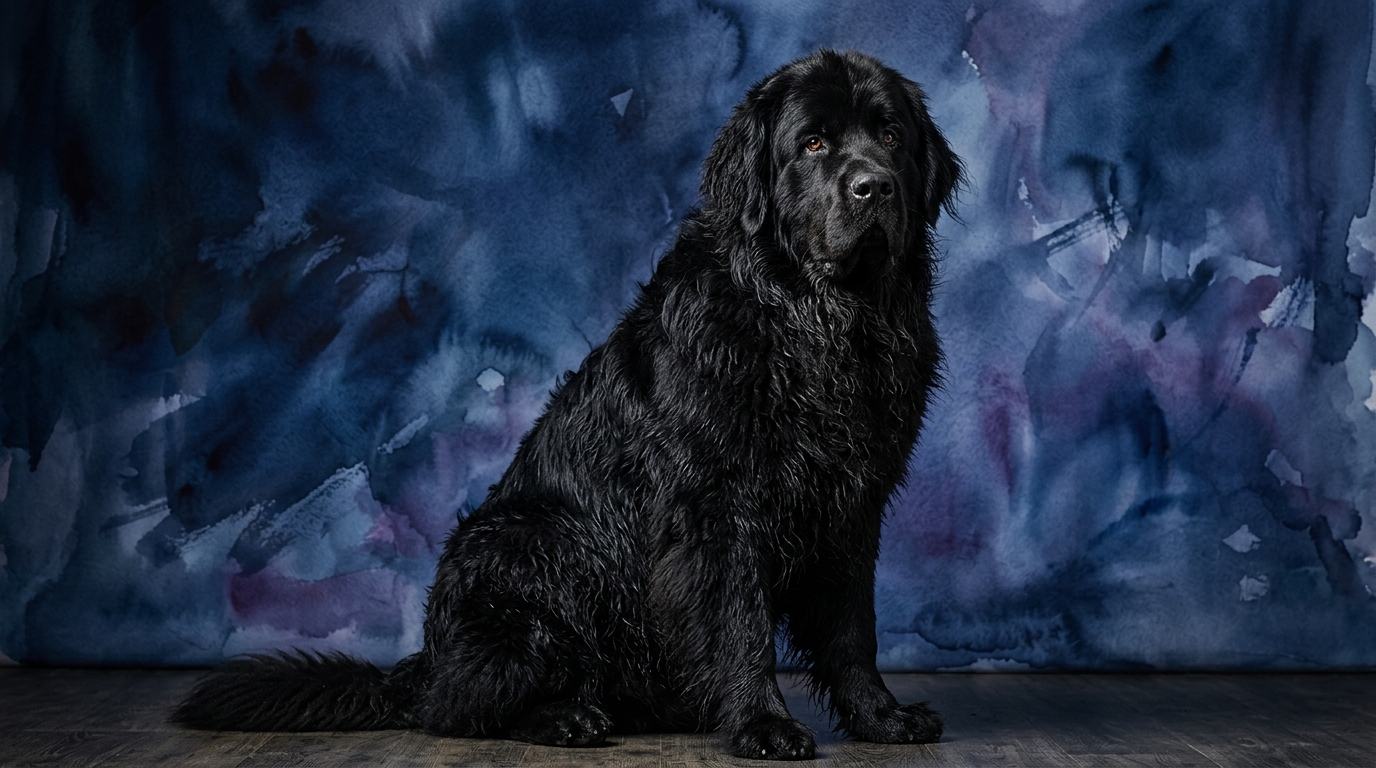
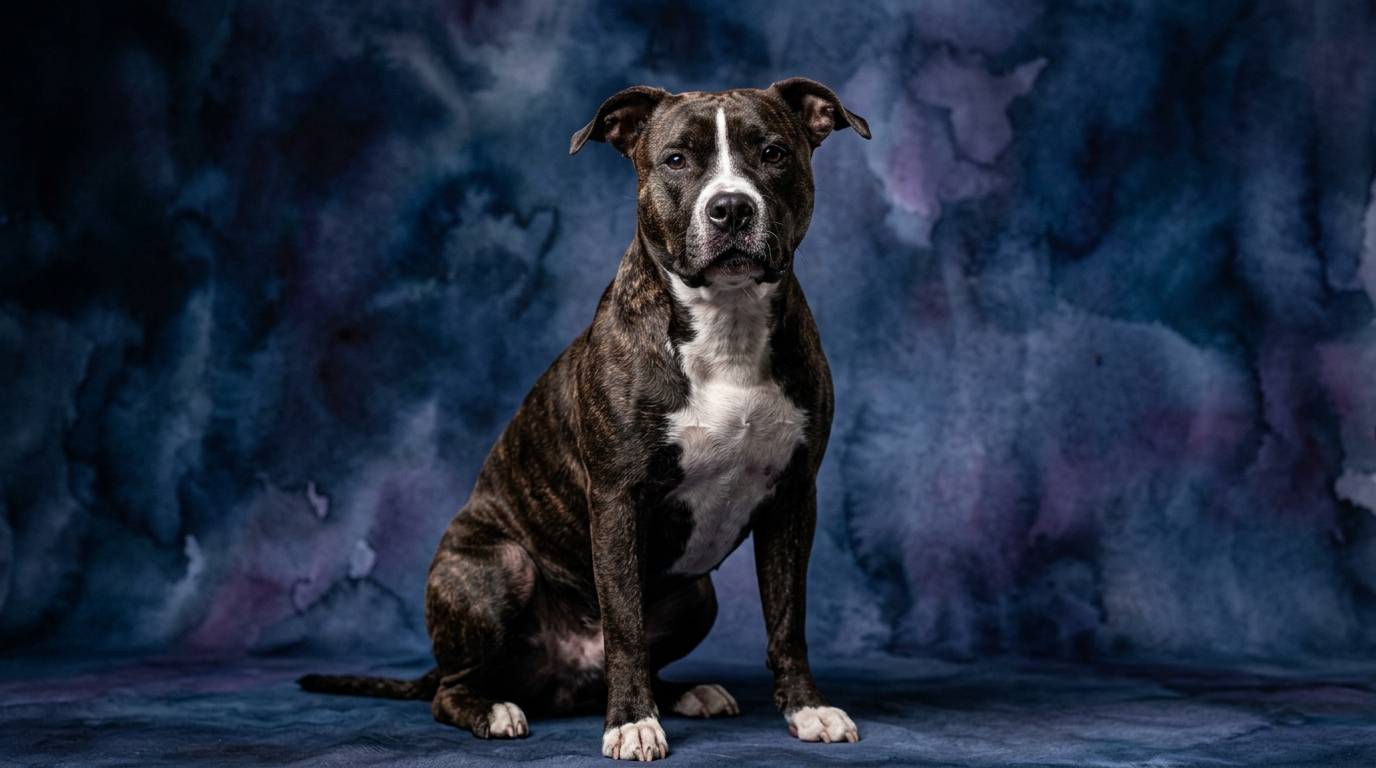
Side-by-Side IQ Profile: Newfoundland vs. American Staffordshire Terrier
The Cosmic Pet Pet IQ Lab employs a multi-dimensional approach to assess canine intelligence, moving beyond simple obedience to encompass problem-solving, training speed, social intelligence, instinctive drive, and memory. For the Newfoundland, a Working breed ranked #34 by Coren, these dimensions paint a picture of a thoughtful, empathetic companion. Their Problem Solving score of 3/5 indicates a practical intelligence, excelling in real-world scenarios rather than abstract puzzles, often leveraging their physical capabilities. A Training Speed of 4/5 highlights their cooperative nature and eagerness to learn, making them quite receptive to instruction. Where Newfoundlands truly shine is in Social Intelligence (5/5), demonstrating profound empathy and an innate understanding of human emotions and social dynamics, making them exceptional family members. Their Instinctive Drive is also 5/5, reflecting their powerful working heritage, particularly their renowned water rescue instincts and protective guardianship. Finally, their Memory at 4/5 ensures they retain commands and routines effectively over time.
In contrast, the American Staffordshire Terrier, a Terrier breed with a Coren rank of #48, presents a different cognitive blueprint. Their Problem Solving also scores 3/5, but this often manifests as focused determination to overcome physical obstacles or achieve specific, immediate goals, rather than complex logical deductions. A Training Speed of 3/5 suggests they are capable learners, but often require more consistent motivation and patience due to their independent streak and strong will. Their Social Intelligence at 3/5 indicates loyalty and affection primarily towards their immediate family or trusted individuals, potentially being more reserved with strangers than a Newfoundland. The AmStaff's Instinctive Drive, rated at 3/5, leans towards a focused prey drive and protective instincts, rather than the broad working roles of a Newfoundland. Their Memory, matching the Newfoundland at 4/5, means they possess good retention for learned behaviors and routines once established, underscoring the importance of early, consistent training.
Where Newfoundland Wins Cognitively
The Newfoundland's cognitive victories are most pronounced in the realms of social cognition and innate purpose. Their perfect 5/5 Social Intelligence score is not merely about friendliness; it reflects a deep capacity for empathy and an almost intuitive understanding of human needs and emotional states. This allows them to anticipate desires, offer comfort, and integrate seamlessly into family dynamics, often acting as gentle, watchful guardians who are highly attuned to their environment and its inhabitants. This cognitive strength makes them exceptional therapy dogs and reliable companions for families with children or vulnerable individuals.
Furthermore, the Newfoundland's 5/5 Instinctive Drive gives them a clear cognitive advantage in tasks requiring natural initiative and self-directed action, particularly in water rescue. This isn't just a physical trait; it's a deep-seated cognitive program that enables them to assess distress, strategize approaches in water, and execute complex rescue maneuvers with minimal human intervention. Their problem-solving in such scenarios is driven by this powerful instinct, making their actions appear almost heroic in their efficiency and dedication.
Where American Staffordshire Terrier Wins Cognitively
While their scores may seem lower in some areas, the American Staffordshire Terrier demonstrates unique cognitive strengths rooted in their terrier heritage. Their 3/5 Problem Solving, though not as broad as some breeds, is characterized by a tenacious focus and an unwavering commitment to a task once engaged. When presented with a specific challenge, particularly one that involves physical dexterity or persistence, an AmStaff will often apply focused mental energy to achieve their goal, demonstrating a determined form of practical intelligence that is highly effective in its niche.
The AmStaff’s 3/5 Instinctive Drive, while different from a Newfoundland's, also represents a cognitive win in terms of focused utility. This drive often translates into a keen sense of loyalty and a protective instinct for their family and territory. This isn't just aggression; it's a cognitive awareness of their role as a guardian, leading to vigilant observation and decisive action when they perceive a threat. Their memory (4/5) further supports this, allowing them to effectively recall specific training and boundaries, forming a reliable framework for their protective instincts.
Which is Easier to Train and Why
Based on their IQ profiles, the Newfoundland is generally easier to train than the American Staffordshire Terrier. The Newfoundland’s Training Speed of 4/5, coupled with their exceptional Social Intelligence (5/5), means they are highly motivated by human interaction and praise, eager to please, and quick to grasp new concepts. Their cooperative nature and lower Coren rank of #34 suggest they are more inclined to follow direction readily, making the training process smoother and often more rewarding for novice owners. They thrive on clear, positive reinforcement and consistent methods, learning efficiently through their strong memory.
The American Staffordshire Terrier, with a Training Speed of 3/5 and a Coren rank of #48, typically requires a more dedicated and consistent training approach. Their independent streak and focused drive mean that while they are certainly capable of learning, they may challenge boundaries or require more repetition and motivation to comply. Owners must be patient, firm, and utilize positive reinforcement to channel the AmStaff's tenacity into desired behaviors. Their strong memory (4/5) ensures that once a behavior is learned, it is retained, but the initial teaching phase demands more skillful handler engagement to overcome their inherent terrier willfulness.
Which Suits Active Owners vs. Relaxed Owners
For owners seeking a more relaxed, yet engaged companion, the Newfoundland often presents a suitable match. While their 5/5 Instinctive Drive means they appreciate having a 'job' – even if it's just supervising the family or going for a swim – their energy levels are generally moderate once past puppyhood. Their high Social Intelligence makes them content with being close to their human family, thriving on companionship rather than constant high-impact physical activity. They require space due to their size and regular, gentle exercise, but are not typically demanding of intense, sustained workouts, making them ideal for individuals who enjoy leisurely walks, swimming, and a calm home environment.
The American Staffordshire Terrier, despite their 3/5 Instinctive Drive, often suits more active owners who can provide consistent structure and engagement. Their problem-solving tenacity and focused nature mean they benefit from regular mental and physical stimulation to prevent boredom and channel their energy constructively. While not hyperactive, they thrive on activities like agility, obedience trials, or long, brisk walks that engage both their bodies and minds. Owners who enjoy structured training sessions, consistent routines, and can provide clear leadership will find the AmStaff a devoted and capable partner, channeling their focused drive into productive outlets rather than independent exploration.
The Verdict: When to Choose Each
The Verdict
Choose a Newfoundland if you seek a highly empathetic, cooperative, and gentle giant with a natural inclination for companionship and a strong, inherent drive to protect and aid their human family.
Opt for an American Staffordshire Terrier if you're an active, consistent owner prepared to channel a tenacious, loyal, and focused companion's energy into structured activities and clear boundaries.
🧠 Find Your Pet's IQ Score
Our Pet IQ Lab assessment covers 25+ tests across 5 cognitive dimensions — personalized to your breed.
Take the Full IQ Test →Frequently Asked Questions
Are Newfoundlands good with children?
Yes, Newfoundlands are renowned for their exceptional social intelligence and gentle nature, making them wonderful family dogs. Their empathy and patience allow them to interact kindly with children, often acting as watchful, protective companions.
Do American Staffordshire Terriers require a lot of exercise?
American Staffordshire Terriers benefit from regular, consistent exercise and mental stimulation to thrive. While not requiring constant, high-impact activity, daily walks, playtime, and structured training sessions are crucial to keep them engaged and prevent boredom.
How do their problem-solving abilities differ in practice?
A Newfoundland's problem-solving often involves practical, context-dependent solutions, like navigating terrain to assist someone, driven by their strong instinctive drive and social awareness. An AmStaff's problem-solving is typically more tenacious and focused on overcoming physical obstacles or achieving specific, immediate goals with determined effort.