Side-by-Side IQ Profile: Unpacking Canine Cognition
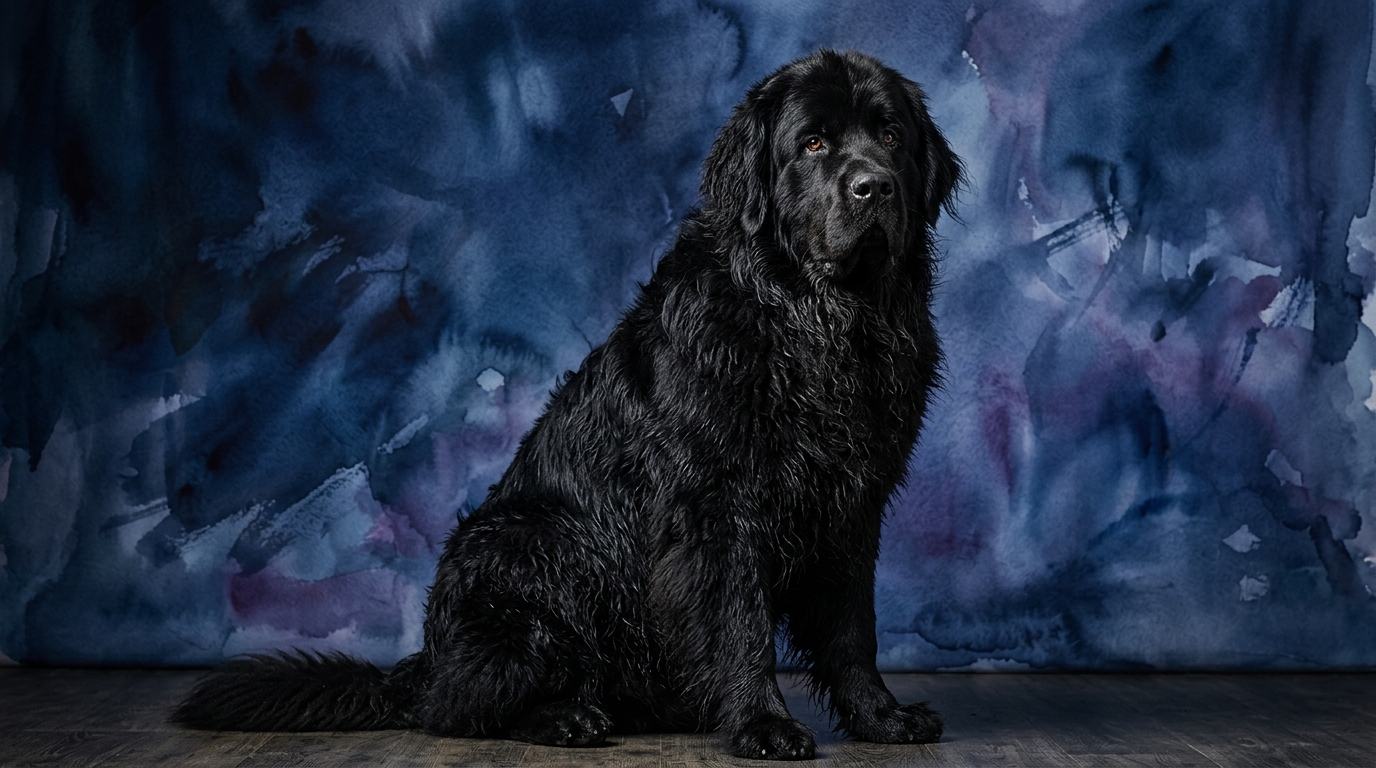
The Newfoundland, a majestic water dog, showcases a balanced and socially oriented cognitive profile. Their Problem Solving is rated 3/5, indicating a practical, situation-aware approach, often geared towards assisting humans. Training Speed is a commendable 4/5, reflecting their eagerness to learn and cooperate. Social Intelligence shines at 5/5, highlighting their deep empathetic connection and understanding of human emotions and cues. Their Instinctive Drive, also 5/5, is powerfully directed towards water rescue and nurturing behaviors, while Memory at 4/5 ensures they retain complex commands and social lessons effectively.
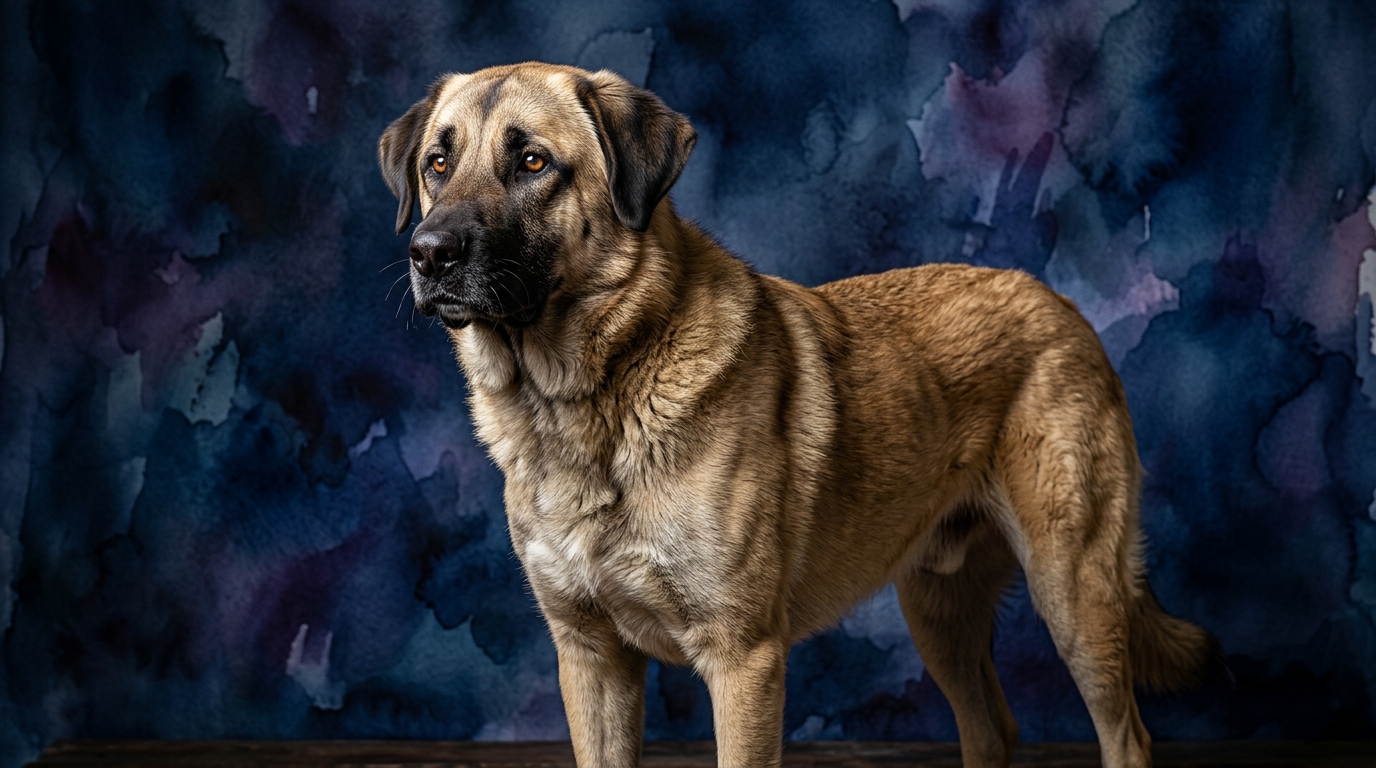
In contrast, the Anatolian Shepherd Dog, a stoic livestock guardian, presents a more independent and vigilant cognitive makeup. Their Problem Solving stands at 3/5, focusing on self-reliant solutions within their territory, often without human intervention. Training Speed is 3/5, suggesting a deliberate learning pace that requires consistent, patient guidance. Social Intelligence is 3/5, indicating a reserved nature, deeply loyal to their family unit but less outwardly demonstrative or universally gregarious. Their Instinctive Drive, rated 3/5, is strongly channeled into territorial protection and threat assessment, while Memory at 3/5 is adept at recalling boundaries, potential dangers, and the routines of their flock.
Where the Newfoundland Excels Cognitively
The Newfoundland's cognitive superiority primarily lies in domains requiring deep social attunement and cooperative problem-solving. Their 5/5 Social Intelligence means they are exceptionally adept at reading human body language, vocal tones, and emotional states, often anticipating needs or offering comfort without explicit commands. This makes them outstanding therapy dogs and intuitive family companions.
Furthermore, their high Training Speed (4/5) combined with their strong Instinctive Drive for rescue work translates into a remarkable capacity for mastering complex tasks like water retrieval, tracking, and even service dog roles with relative ease. They process and respond to human directives quickly, driven by an innate desire to assist and be part of a team, making them highly receptive to structured learning environments and intricate sequential commands. Their problem-solving, while not always independently initiated, is highly effective when directed by a human partner towards a shared goal.
Where the Anatolian Shepherd Dog Excels Cognitively
The Anatolian Shepherd Dog's cognitive strengths are profoundly rooted in their ancient role as independent guardians. Their 3/5 Problem Solving, though not as human-centric as the Newfoundland's, is acutely honed for autonomous decision-making in protecting livestock or property. They excel at assessing threats, devising protective strategies, and maintaining vigilance over vast areas without constant human oversight.
This breed's cognitive prowess is evident in their subtle yet constant environmental monitoring, their ability to discern routine from anomaly, and their self-directed actions in response to perceived dangers. Their memory, while rated 3/5, is highly specialized for retaining territorial boundaries, identifying intruders, and remembering the individual characteristics of their flock. This cognitive independence allows them to operate effectively as solitary sentinels, making split-second judgments based on their innate protective instincts rather than waiting for human instruction.
Training Dynamics: Newfoundland's Eagerness vs. Anatolian's Deliberation
When it comes to trainability, the Newfoundland is generally considered easier due to its higher Training Speed (4/5) and exceptional Social Intelligence (5/5). They possess a strong desire to please their human companions and thrive on positive reinforcement and close interaction. Their empathetic nature means they are highly sensitive to human moods and respond well to gentle, consistent guidance, often internalizing commands quickly and performing them with enthusiasm. They are eager participants in training sessions, viewing them as opportunities for connection.
The Anatolian Shepherd Dog, with a Training Speed of 3/5 and Social Intelligence of 3/5, presents a different training challenge. They are not inherently driven to please in the same way; their primary motivation is often self-preservation and protecting their charges. Training an Anatolian requires immense patience, consistency, and an understanding of their independent, often deliberate nature. They will learn, but they will often weigh the command against their own judgment or instinct, especially if it conflicts with their perceived guardian duties. Behavioral differences include their tendency to be less overtly demonstrative and more reserved, meaning trainers must build trust and respect rather than relying solely on eager compliance. Their cognitive focus is on observation and independent action, not necessarily prompt obedience for its own sake.
Matching Breeds to Lifestyles: Active Companions vs. Reserved Guardians
The Newfoundland is an ideal match for active owners who seek a highly engaged, affectionate, and cooperative companion. Their robust nature and love for water activities make them perfect partners for hiking, swimming, and family adventures. Owners who appreciate a dog that is deeply integrated into family life, eager to participate in social outings, and thrives on consistent human interaction will find the Newfoundland's cognitive and behavioral traits perfectly aligned with their lifestyle. They excel in environments where their social intelligence and cooperative spirit are frequently engaged.
Conversely, the Anatolian Shepherd Dog is better suited for owners who are more relaxed in terms of direct, constant interaction but require a vigilant, independent guardian. These dogs thrive in environments with ample space to patrol and a clear purpose, often livestock protection or property guardianship. Owners who understand and respect a dog's inherent independence, appreciate a reserved demeanor, and are prepared for a dog that makes its own decisions in a protective role will find the Anatolian Shepherd Dog a profound and dedicated companion. They are not typically suited for highly active owners seeking a constant playmate, but rather those needing a steadfast, self-sufficient presence.
The Verdict
Choose the Newfoundland if you desire a deeply empathetic, highly trainable, and cooperative companion for an active, socially engaged family life, especially one involving water activities. Their cognitive strengths are geared towards human partnership and emotional connection.
Opt for the Anatolian Shepherd Dog if you need a supremely independent, vigilant guardian for property or livestock, appreciating a dog whose cognitive strength lies in autonomous decision-making and reserved dedication. They thrive with owners who respect their self-sufficiency and require a steadfast protector.
🧠 Find Your Pet's IQ Score
Our Pet IQ Lab assessment covers 25+ tests across 5 cognitive dimensions — personalized to your breed.
Take the Full IQ Test →Frequently Asked Questions
Which breed is better for first-time dog owners?
The Newfoundland is generally a better choice for first-time dog owners due to their higher social intelligence and eagerness to please, making them more forgiving and responsive to training. The Anatolian's independent nature can be challenging for inexperienced handlers.
Do both breeds require a lot of exercise?
Both breeds require regular exercise, but their needs differ. Newfoundlands enjoy active play, swimming, and long walks with their owners. Anatolians need space to patrol and prefer purposeful work, though they also benefit from daily walks to maintain physical condition.
Which breed is more protective of their family?
While Newfoundlands are protective in a nurturing, watchful way, the Anatolian Shepherd Dog possesses a much stronger, instinctual protective drive geared towards guarding against perceived threats. Their independence allows them to make protective decisions without human prompting, making them formidable guardians.