Side-by-Side Cognitive Profiles: Decoding Newfoundland and Belgian Tervuren IQ
The Cosmic Pet Pet IQ Lab categorizes canine cognition across five dimensions, and comparing the Newfoundland (Working Group, Coren Rank #34) with the Belgian Tervuren (Herding Group, Coren Rank #14) reveals two distinct yet equally fascinating mental architectures.
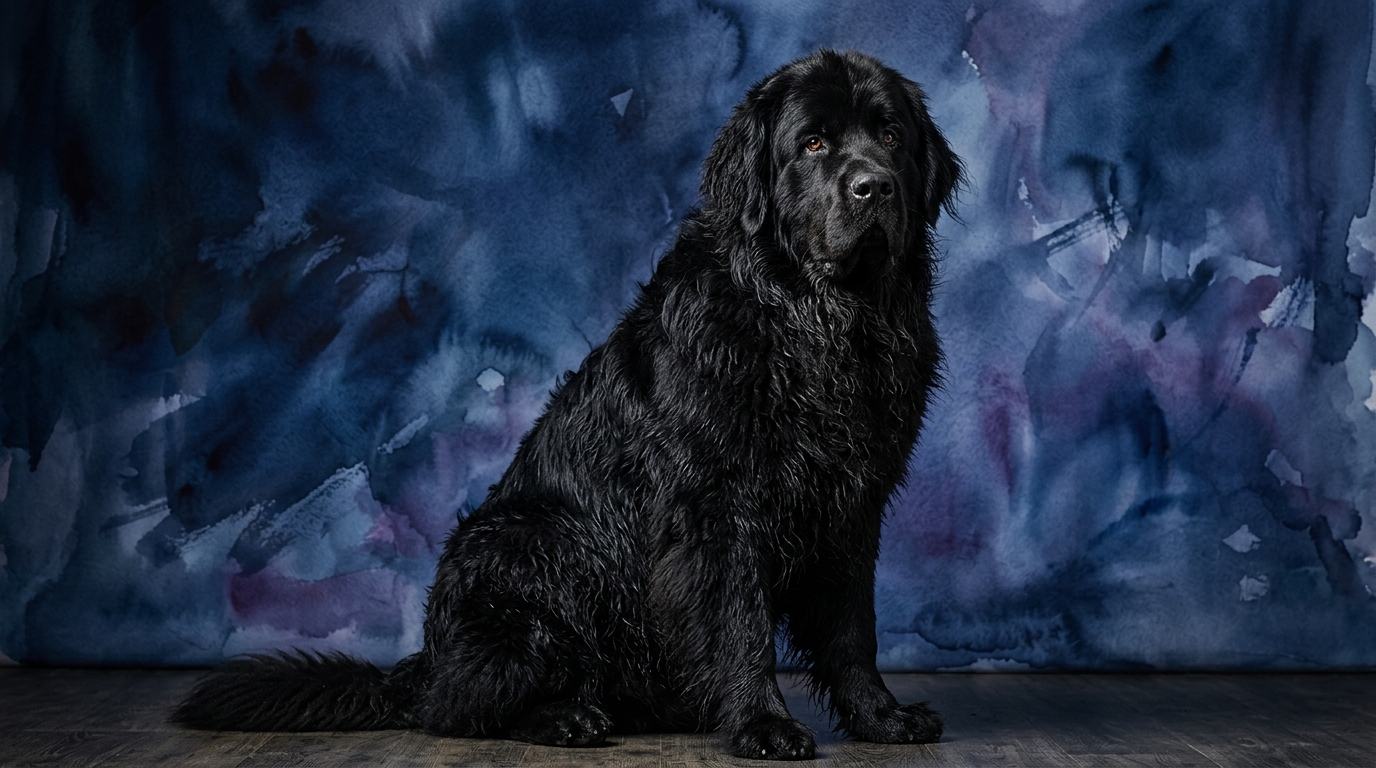
The majestic Newfoundland embodies a unique blend of brawn and benevolence, deeply rooted in its history as a devoted water rescue dog. Its Problem Solving is rated 3/5, indicating a practical, often direct approach to challenges, adept at tasks requiring physical effort and sequential steps rather than abstract thought. Training Speed stands at 4/5; these dogs learn at a commendable pace, especially when motivated by affection, though their independent streak might require patient repetition. Where they truly shine is Social Intelligence, scoring a perfect 5/5, reflecting an extraordinary capacity for empathy, understanding human emotions, and forming deep, intuitive bonds, making them exceptional therapy dogs. Their Instinctive Drive is also 5/5, manifesting as a profound desire to protect and rescue, particularly in water. Finally, their Memory is 4/5, indicating a robust recall for people, places, and routines, contributing to their reliability once trained.
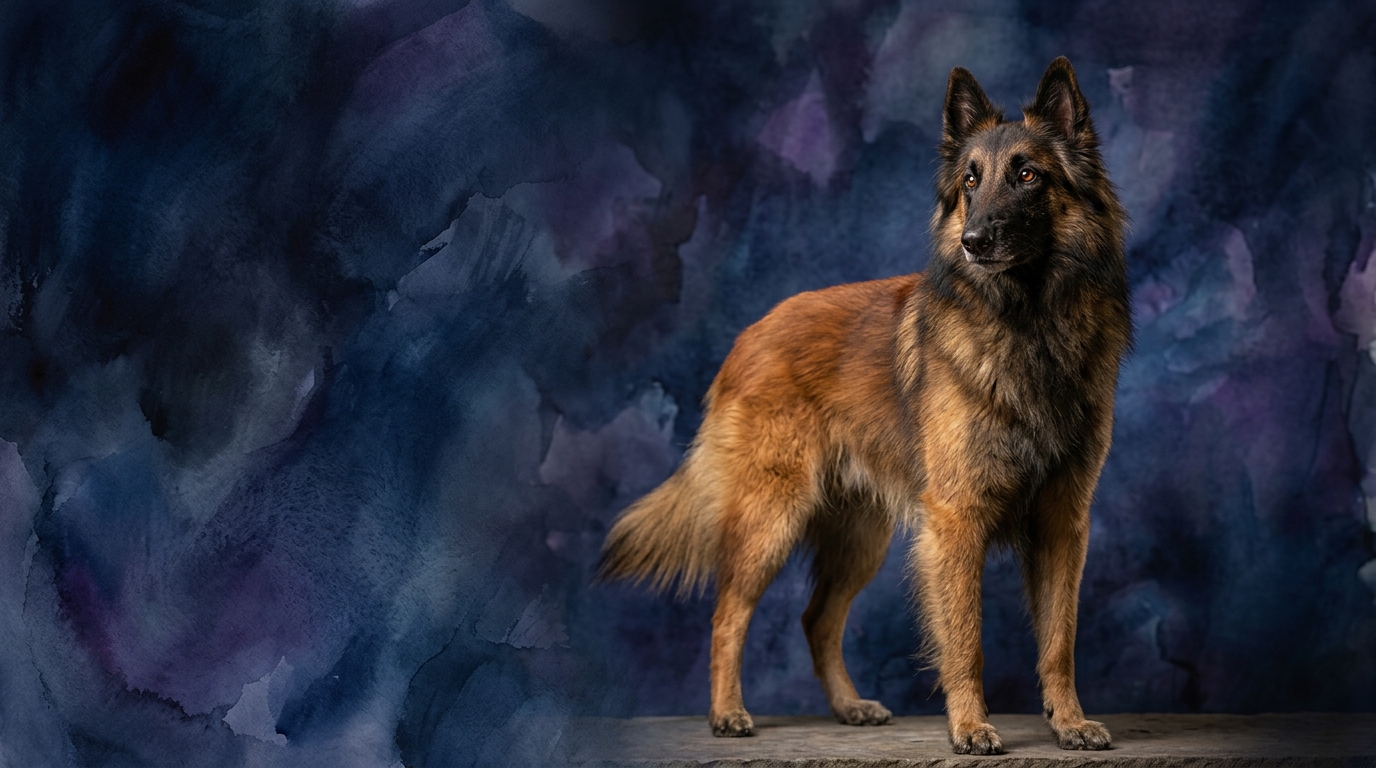
In contrast, the elegant Belgian Tervuren is a testament to the sharp, agile mind of a dedicated herding dog. Their Problem Solving is an outstanding 5/5; these dogs excel at analytical thinking and devising creative solutions to novel problems, constantly processing information and adapting. Training Speed is also 5/5, marking them as incredibly fast learners, often picking up new commands after only a few repetitions due to their eagerness to work and high focus. Their Social Intelligence is 3/5; while capable of forming strong bonds, their primary focus is often on tasks or handler directives rather than overt emotional mirroring. Their Instinctive Drive is 3/5, channeled towards herding, protection, and vigilance, manifesting as a strong desire to patrol and manage their environment. Finally, their Memory is 5/5, an exceptional capacity to retain a vast repertoire of commands, routines, and complex sequences over long periods, crucial for their success in competitive sports.
Where the Newfoundland's Mind Truly Shines
The Newfoundland's cognitive strengths are deeply rooted in their history as devoted working companions and water rescue dogs, emphasizing cooperation and empathy. Their Social Intelligence (5/5) is unparalleled among these two breeds, manifesting as an intuitive understanding of human emotions and intentions, making them extraordinarily attuned to their family's needs. A Newfoundland might offer a comforting nudge when sensing distress or gently guide a child away from danger, acting not on command but on an inherent empathetic drive. This profound social awareness translates into a steadfast, reassuring presence, making them exceptional therapy animals or companions for those seeking a deeply connected canine friend.
Furthermore, their Instinctive Drive (5/5), particularly for water rescue, means they possess an innate programming for heroic acts, often acting decisively in emergencies. This isn't learned behavior in the traditional sense but a powerful, ancient instinct that guides their actions, providing a unique form of "problem-solving" rooted in selflessness and protection. While they might take a moment longer to process a new trick, their capacity for selfless devotion and emotional connection is a cognitive triumph that defines their unique place in the canine world.
Where the Belgian Tervuren's Intellect Takes the Lead
The Belgian Tervuren's cognitive profile is a masterclass in precision, speed, and analytical prowess, reflecting centuries of selective breeding for herding and protection work. Their Problem Solving (5/5) ability is outstanding; these dogs don't just follow commands, they understand the underlying goal and can adapt their approach when faced with obstacles. For instance, if a gate is unexpectedly closed, a Tervuren might try a different path or attempt to manipulate the latch, showcasing flexible and creative thinking rather than simply waiting for instructions.
Coupled with their Training Speed (5/5), they absorb new information with astonishing rapidity, often requiring only a handful of repetitions to solidify a complex behavior. This makes them ideal candidates for advanced obedience, agility, and protection sports where intricate sequences and rapid response are critical. Their Memory (5/5) is equally impressive, allowing them to store and recall vast amounts of learned information, from a complex multi-step agility course to an extensive vocabulary of commands. This superior recall means once a Tervuren learns something, it tends to stick, enabling them to build an expansive behavioral repertoire that few breeds can match.
Navigating Trainability: Newfoundland vs. Belgian Tervuren
When evaluating trainability, it's crucial to distinguish between how quickly a dog learns and how willing they are to perform. The Belgian Tervuren clearly takes the lead in Training Speed (5/5) and Problem Solving (5/5). Their innate drive to work, coupled with their sharp minds, means they typically grasp new commands and complex sequences with remarkable swiftness. A Tervuren owner will find their dog eager to engage in training sessions, often anticipating the next step and thriving on mental challenges, making them easier to train for precision sports, advanced obedience, or tasks requiring quick, independent decision-making. However, their high drive and vigilance also mean they require consistent, engaging training to prevent boredom and channel their energy constructively.
The Newfoundland, with a Training Speed (4/5), is certainly trainable, but their process is often different. They might take a few more repetitions to fully internalize a command, especially if it doesn't immediately align with their inherent instincts or social understanding. However, their exceptional Social Intelligence (5/5) means they are incredibly eager to please their beloved family members. Once a Newfoundland understands what is expected and feels a strong bond with their trainer, they become highly cooperative and reliable. Training a Newfoundland often relies more on building trust and rapport, leveraging their desire for connection, rather than pure mental gymnastics. While they might not execute tasks with the Tervuren's lightning speed, their deep commitment ensures steady, lasting results, making them very pleasant to work with for patient owners. Therefore, the Tervuren is "easier" for rapid, complex, and high-precision training, while the Newfoundland is "easier" for cooperative, relationship-based, and emotionally resonant training.
Matching Minds to Lifestyles: Active vs. Relaxed Owners
The cognitive profiles of the Newfoundland and Belgian Tervuren dictate vastly different ideal lifestyles, largely aligning with active versus relaxed ownership.
For the active owner, the Belgian Tervuren is an ideal match. Their Problem Solving (5/5), Training Speed (5/5), and high mental energy demand constant engagement. These dogs thrive when given a "job," whether it's competitive agility, obedience, herding, or protection work. An owner who enjoys daily vigorous exercise, regular training sessions that challenge their dog's intellect, and perhaps participates in dog sports will find the Tervuren to be an incredibly rewarding and fulfilling partner. Their instinctive drive (3/5), while lower than a Newfie's social drive, is intensely focused on purposeful activity, requiring an owner capable of providing consistent mental and physical stimulation to prevent boredom and potential destructive behaviors. A Tervuren left without adequate mental exercise will often invent their own "problems" to solve, which may not align with human household rules.
Conversely, the Newfoundland is often better suited for a relaxed owner who appreciates a calm, devoted presence, though "relaxed" does not equate to sedentary. While Newfoundlands are large and require regular, moderate exercise to maintain health, their cognitive demands are less about constant mental puzzles and more about companionship. Their exceptional Social Intelligence (5/5) means they primarily seek connection and belonging within their family unit. An owner who values a dog that is empathetic, patient, and content to be a gentle guardian will find the Newfoundland's temperament and cognitive strengths perfectly aligned. They are content with family walks, swimming, and simply being near their people. Their strong instinctive drive (5/5) is expressed through protective instincts and a desire to "rescue," which can be fulfilled through family interactions rather than demanding competitive outlets. They do not require the same intensity of mental work as a Tervuren to feel fulfilled, thriving instead on routine, affection, and gentle stewardship.
The Verdict
Choose a Newfoundland if you seek a deeply empathetic, gentle giant whose primary cognitive strength lies in social connection and unwavering devotion, thriving on companionship and moderate activity.
Opt for a Belgian Tervuren if you are an active individual or family ready to channel an incredibly sharp, fast-learning mind into complex tasks and dog sports, valuing a diligent working partner.
🧠 Find Your Pet's IQ Score
Our Pet IQ Lab assessment covers 25+ tests across 5 cognitive dimensions — personalized to your breed.
Take the Full IQ Test →Frequently Asked Questions
Are Newfoundlands good family dogs despite their size?
Absolutely. Their exceptional social intelligence and strong instinctive drive for protection make them incredibly patient, gentle, and devoted family members, especially with children, though supervision is always advised due to their sheer size.
How much exercise does a Belgian Tervuren truly need?
Belgian Tervurens require significant daily physical and mental exercise, including vigorous walks, runs, or structured play, alongside regular training sessions to challenge their problem-solving and training speed, ensuring their well-being.
Which breed is more prone to separation anxiety?
While both can develop it, Newfoundlands, with their high social intelligence and deep bonding, might be more prone to separation anxiety if left alone for extended periods, as their cognitive fulfillment is tied to companionship. Tervurens, while also bonding, are often more independent in their work drive, though still require companionship and stimulation.