Side-by-Side IQ Profile: Newfoundland vs. Border Terrier
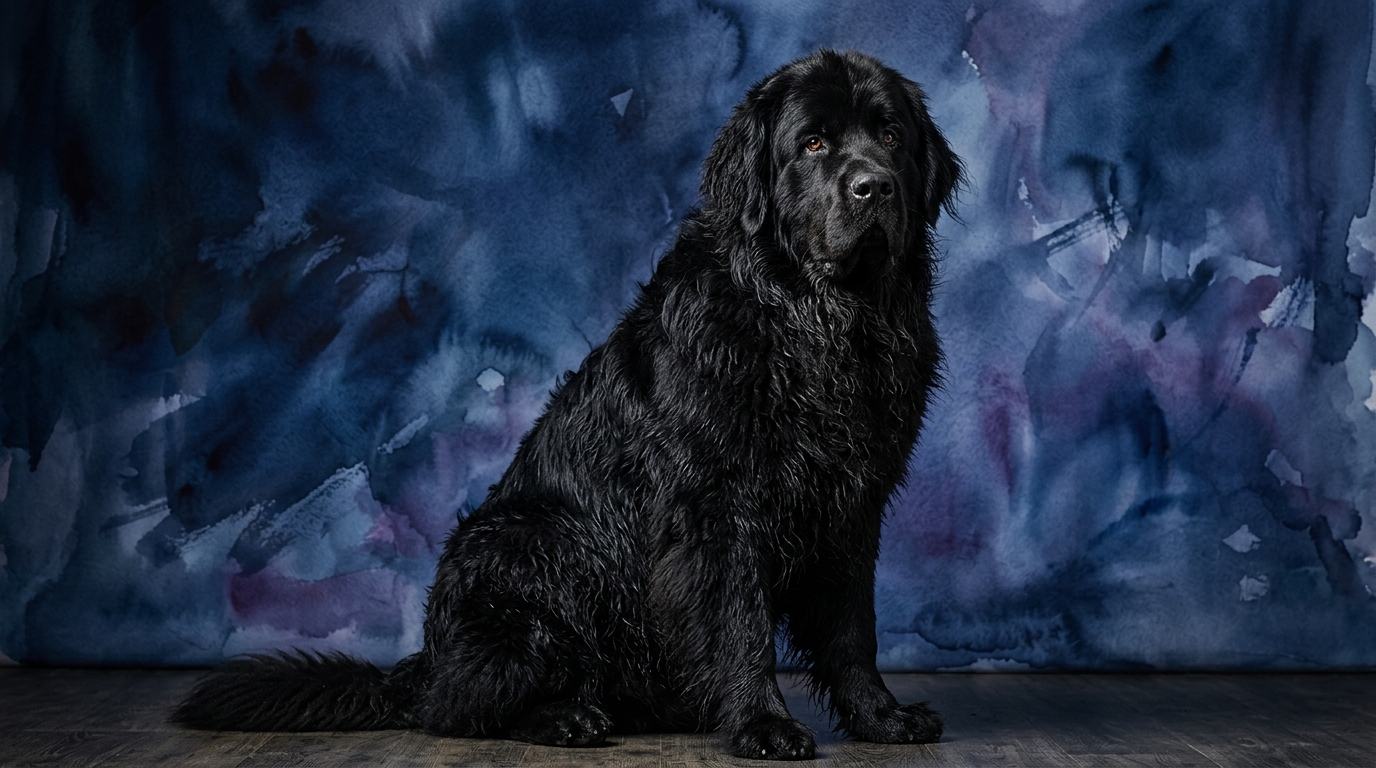
The Cosmic Pet Pet IQ Lab employs a five-dimensional model to precisely map canine cognitive strengths. For the majestic Newfoundland, a dog from the Working Group with a Coren rank of #34, this profile illuminates a creature of profound social connection and powerful instinctive drives. Their Problem Solving score of 3/5 suggests a practical, often cooperative approach to challenges, preferring established methods or human guidance over extensive independent experimentation. Training Speed, rated at 4/5, indicates they are quick learners, absorbing commands and routines with efficiency. Where Newfoundlands truly shine is in Social Intelligence, earning a perfect 5/5; they possess an exceptional capacity to interpret human emotions, intentions, and subtle social cues, fostering deep bonds and cooperative work. Their Instinctive Drive, also 5/5, reflects their formidable predispositions for water rescue, protection, and nurturing behaviors, often involving complex, multi-stage actions. Finally, a Memory score of 4/5 means they retain learned information and past experiences reliably.
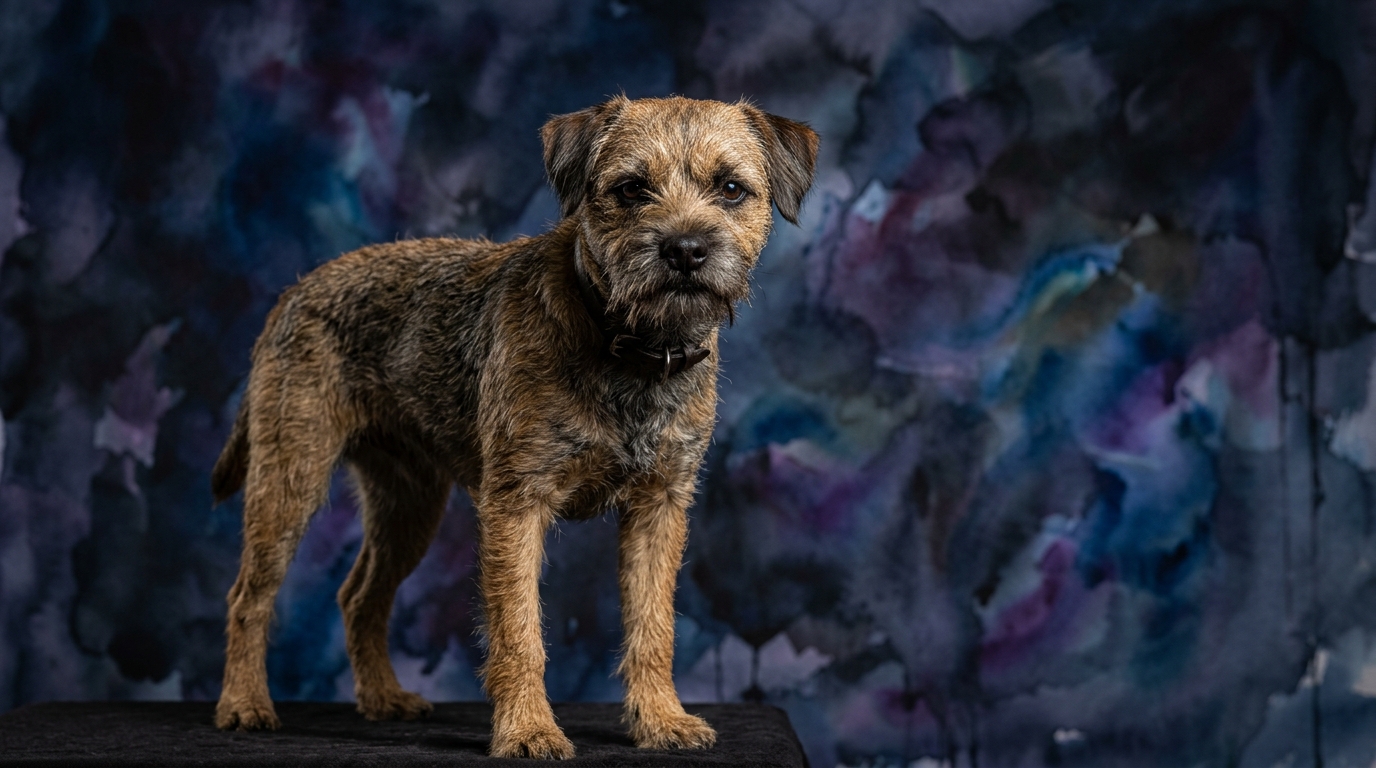
In contrast, the plucky Border Terrier, a member of the Terrier Group with a Coren rank of #30, presents a profile geared towards independent resourcefulness and tenacity. Their Problem Solving capability is rated 4/5, indicating a strong aptitude for figuring out novel situations and overcoming obstacles, often through trial and error or inventive approaches. Training Speed mirrors the Newfoundland at 4/5, showing they can grasp new concepts quickly, though their application might be colored by their independent spirit. Social Intelligence for the Border Terrier is 3/5; while they form strong bonds, their focus is less on mirroring human emotional states and more on engaging with the environment or their own objectives. Their Instinctive Drive scores 3/5, reflecting a strong, focused prey drive for vermin control, but perhaps less breadth or complexity in their innate "working" behaviors compared to the Newfoundland's water rescue tasks. A Memory score of 4/5 confirms their solid retention of learned behaviors and environmental specifics.
Where the Newfoundland Wins Cognitively
The Newfoundland's cognitive superiority lies unequivocally in their exceptional Social Intelligence (5/5 vs. 3/5) and the profound complexity of their Instinctive Drive (5/5 vs. 3/5). A Newfoundland's ability to "read" a human goes beyond simple obedience; they possess an empathetic understanding, often anticipating needs or reacting to distress with remarkable sensitivity. This manifests in their historical role as water rescuers, where they must not only locate and retrieve but also assess the state of a drowning victim and adapt their actions accordingly, often without direct command. Their strong instinctive drive isn't merely about chasing; it's about a multi-faceted, often nurturing approach to safeguarding, making them adept at tasks requiring cooperation, patience, and a deep understanding of their human companion's emotional state. This social attunement enables them to integrate seamlessly into family life, acting as intuitive companions and vigilant guardians, often making decisions based on perceived human need rather than just direct instruction.
Where the Border Terrier Wins Cognitively
The Border Terrier's cognitive edge is most evident in their superior Problem Solving abilities (4/5 vs. 3/5). This breed excels at independent thought and finding ingenious solutions to challenges, a trait honed by centuries of working alone or in small groups to root out vermin in challenging terrains. Their problem-solving isn't always about following a pre-set command; it's about navigating complex physical environments, figuring out how to access tight spaces, or overcoming obstacles to achieve a goal. This manifests as resourcefulness in everyday life, from cleverly escaping a pen to figuring out how to open a cupboard. While a Newfoundland might wait for guidance or use brute force, a Border Terrier is more likely to devise a novel strategy. This independent cognitive style means they often approach tasks with a "what works best" attitude, sometimes prioritizing their own clever solutions over strict adherence to human direction.
Training Dynamics: Which is Easier to Train?
Both the Newfoundland and Border Terrier boast an impressive Training Speed of 4/5, indicating a quick grasp of new commands. However, the *experience* of training differs significantly due to their other cognitive dimensions. The Newfoundland, with its perfect 5/5 Social Intelligence, is often perceived as easier to train in a cooperative, companion setting. They are deeply motivated by pleasing their human, understanding subtle cues, and thriving on positive social interaction. Their strong instinctive drive for partnership means they are eager to engage in joint activities and are less likely to "freelance" or challenge instructions. They absorb lessons not just as tasks, but as opportunities to strengthen their bond and fulfill their cooperative nature.
The Border Terrier, while also a quick learner, brings a 4/5 Problem Solving score and a 3/5 Social Intelligence to the training arena, which can present a different dynamic. They learn rapidly, but their independent problem-solving mind means they might analyze a command and decide if a "better" or more efficient way exists, or if a more enticing environmental distraction (like a scurrying squirrel) warrants their immediate, clever attention. Their training often requires more consistency, creativity, and engagement to channel their quick wit and independent spirit. While they are certainly trainable, their tenacious nature means an owner must be adept at making training rewarding and clear, rather than relying solely on the breed's desire to please. The Newfoundland's inherent desire for harmonious partnership often makes the training journey feel smoother and more intuitive for the average owner.
Lifestyle Match: Active vs. Relaxed Owners
The choice between these breeds heavily depends on an owner's lifestyle and their preferred level of daily engagement. The Newfoundland, despite its substantial size, can surprisingly suit a moderately relaxed owner, provided they can accommodate its need for regular but not necessarily intense exercise. Their 5/5 Social Intelligence means they thrive on companionship and being an integrated part of family activities. While they enjoy swimming and walks, their strong cooperative drive often means they are content with being near their people, making them excellent companions for owners who value presence and connection over constant vigorous activity. Their "work" often involves being a gentle, watchful guardian and a calm, reassuring presence.
Conversely, the Border Terrier, with its 4/5 Problem Solving and 3/5 Instinctive Drive (focused on active pursuit), is far better suited for genuinely active owners. Their compact size belies a tenacious spirit and a need for consistent physical and mental stimulation. They excel in structured activities like earthdog trials, agility, or long, varied hikes that allow them to engage their problem-solving skills and prey drive in a constructive manner. A Border Terrier left without sufficient outlets for its inherent drive and cleverness can become bored and inventive in less desirable ways, such as digging or exploring boundaries. Owners who enjoy outdoor adventures, consistent training challenges, and can provide a stimulating environment will find the Border Terrier a dynamic and rewarding partner.
The Verdict
Choose a Newfoundland if you seek a deeply empathetic, cooperative companion who thrives on social connection and cooperative tasks, fitting seamlessly into a family-oriented, moderately active lifestyle.
Opt for a Border Terrier if you are an active owner who appreciates independent problem-solving, can provide consistent mental and physical challenges, and enjoys a tenacious, resourceful companion for outdoor adventures.
🧠 Find Your Pet's IQ Score
Our Pet IQ Lab assessment covers 25+ tests across 5 cognitive dimensions — personalized to your breed.
Take the Full IQ Test →Frequently Asked Questions
Do Newfoundlands make good therapy dogs due to their social intelligence?
Absolutely. Their exceptional social intelligence and empathetic nature make them naturally attuned to human emotions, allowing them to provide comfort and support effectively in therapeutic settings. Their calm demeanor and gentle disposition further enhance their suitability for such roles.
How does the Border Terrier's problem-solving affect its behavior in a home environment?
The Border Terrier's strong problem-solving skills mean they are adept at figuring out how to get what they want, whether it's opening a gate or finding a hidden treat. Owners should provide ample mental enrichment and secure environments to channel this cleverness constructively and prevent unwanted inventive behaviors.
Is the Newfoundland's strong instinctive drive difficult to manage?
The Newfoundland's powerful instinctive drives, particularly for water rescue and protection, are generally manageable due to their high social intelligence and desire to cooperate. With proper training and socialization, these drives can be channeled into positive activities and guardianship, rather than becoming problematic.