
Side-by-Side Cognitive Profiles: Newfoundland vs. Boxer
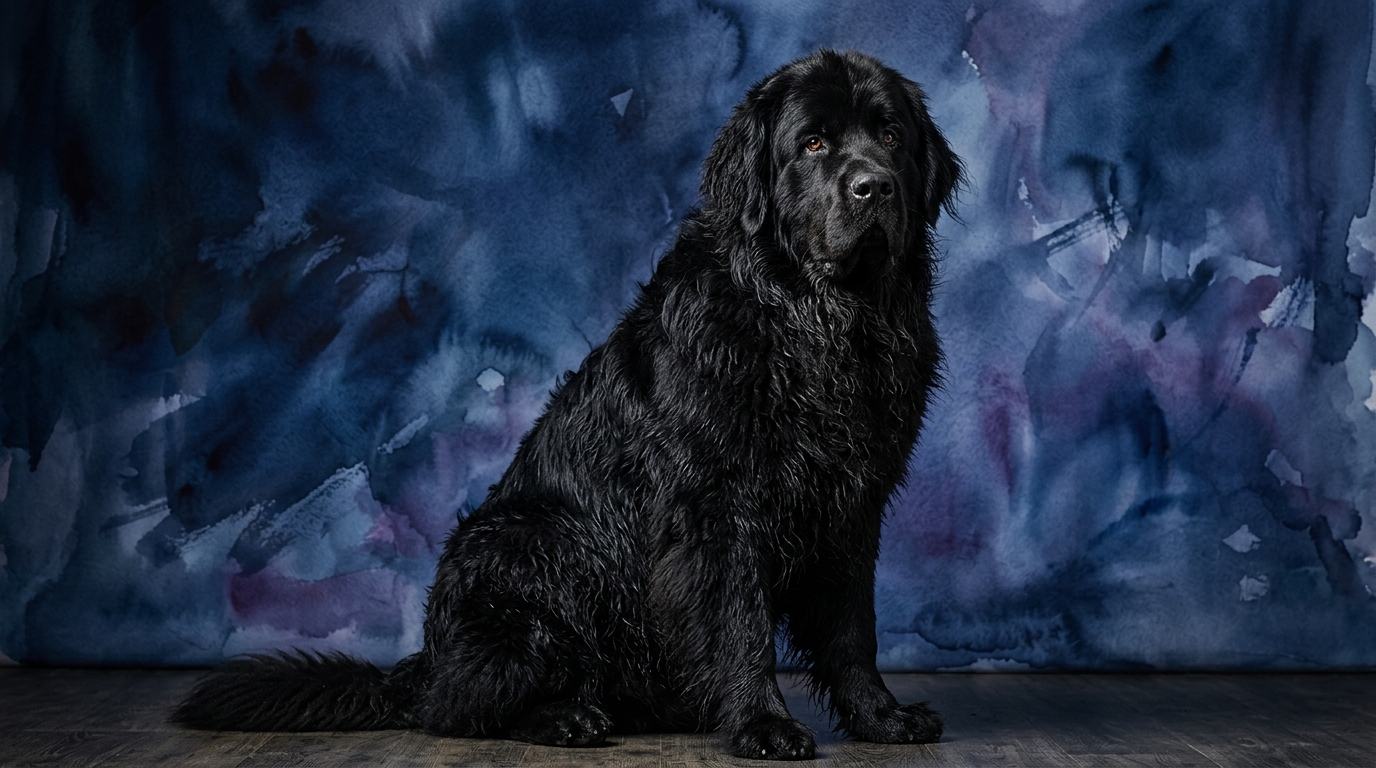
At The Cosmic Pet Pet IQ Lab, we delve beyond superficial observations to provide a granular look at canine intelligence dimensions. For the Newfoundland, ranking 34th on the Coren scale, we observe a nuanced cognitive makeup. Their Problem Solving is rated 3/5, indicating an ability to handle moderately complex tasks, often with a methodical approach, particularly when aligned with their natural instincts. Training Speed scores 4/5, reflecting an above-average capacity to absorb and respond to new commands due to their calm focus. An outstanding Social Intelligence of 5/5 highlights their profound empathy and attunement to human cues, making them highly intuitive companions. Their Instinctive Drive is a perfect 5/5, rooted in their historical roles of water rescue and guardianship, influencing much of their behavior and learning. Finally, their Memory at 4/5 demonstrates solid retention of learned behaviors and experiences.
The Boxer, positioned at 48th on the Coren scale, presents a different cognitive landscape. Their Problem Solving also scores 3/5, suggesting a similar capability for practical challenges, though their energetic temperament can sometimes lead to a trial-and-error approach rather than sustained analytical thought. Training Speed is rated 3/5, an average pace that can be influenced by their spirited and sometimes easily distracted nature, often requiring more patience and consistent repetition. Like the Newfoundland, they boast a 5/5 in Social Intelligence, showcasing their expressive nature and deep desire for interaction and understanding within their social circles. Their Instinctive Drive is 4/5, often channeled into vigorous play, protection, and companionship, driving their enthusiastic engagement. A Memory score of 3/5 indicates a reliable recall for routines and commands, though perhaps not as tenacious as the Newfoundland, potentially benefiting from more frequent refreshers.
Where the Newfoundland Excels Cognitively
The Newfoundland's cognitive profile shines particularly bright in areas related to consistent learning and robust retention. With a Training Speed score of 4/5, they tend to absorb new commands and routines more readily than the Boxer. This isn't merely about eagerness; their calm, focused temperament allows for sustained attention during instruction, leading to quicker acquisition of complex sequences. For instance, teaching a multi-step retrieve or a specific service task might see a Newfoundland mastering it in fewer repetitions. Furthermore, their superior Memory score of 4/5 indicates a more robust long-term retention of these learned behaviors. This means a Newfoundland is less likely to 'forget' a command after a period of disuse, requiring fewer refreshers and maintaining a consistent behavioral repertoire over its lifetime. Their powerful Instinctive Drive (5/5), particularly for tasks like water rescue, also means they naturally 'understand' and excel at activities aligned with their heritage, making related training almost intuitive.
Where the Boxer Shows Unique Cognitive Strengths
While the Newfoundland demonstrates an edge in training speed and memory, the Boxer’s cognitive strengths often manifest through its distinct temperament and application of its abilities. Both breeds share an exceptional Social Intelligence score of 5/5, but the Boxer's expressive nature and profound desire for interaction mean they often use this intelligence in more overtly communicative ways. They are masters of conveying their needs and desires through body language and vocalizations, making them highly engaging partners in social problem-solving scenarios, such as figuring out how to get attention or initiate play. Their Instinctive Drive (4/5), while slightly lower than the Newfoundland's, is often channeled into vigorous play and protective instincts, which can make them incredibly quick to react and adapt in dynamic, unpredictable situations that require agility of thought and movement. Their Problem Solving score of 3/5, combined with their boundless energy, means they tackle challenges with a spirited enthusiasm. While they might not out-think a Newfoundland in a calm, analytical puzzle, a Boxer might more rapidly explore multiple physical solutions to a novel problem, even if it involves trial-and-error, thanks to their energetic approach.
Training Dynamics: Which Breed is More Amenable to Instruction?
Based on our Pet IQ Lab data, the Newfoundland generally presents as the more straightforward breed to train. Their Training Speed of 4/5, coupled with a Memory score of 4/5, means they typically grasp new commands and retain them with less repetition. A key behavioral difference lies in their disposition: Newfoundlands are known for their calm, patient temperament, which naturally fosters longer attention spans during training sessions. This focus allows them to process information more efficiently and build strong associations between commands and actions. For instance, teaching a Newfoundland to 'stay' for extended periods is often a smoother process due to their inherent tranquility. Their powerful Instinctive Drive (5/5), particularly for tasks involving water or guardianship, also means that training exercises that tap into these natural inclinations feel less like 'work' and more like fulfilling a purpose, further accelerating their learning.
In contrast, the Boxer's Training Speed of 3/5 and Memory of 3/5 suggest a more average learning curve. While enthusiastic and willing, their high energy and playful nature can sometimes translate into shorter attention spans and a greater propensity for distraction. A Boxer might require more consistent, shorter training bursts and more creative methods to maintain focus, especially when young. Their Instinctive Drive (4/5) is robust but less specialized than the Newfoundland's, meaning training might not always align as seamlessly with an intrinsic purpose, requiring more external motivation from the handler. Owners should be prepared for a more spirited and dynamic training experience with a Boxer, emphasizing positive reinforcement and engaging activities to keep their attention.
Matching Canine Cognition to Owner Lifestyles
The choice between a Newfoundland and a Boxer significantly depends on an owner's lifestyle and activity levels. A Newfoundland, despite its impressive size and powerful build, often suits a more relaxed owner. While they still require regular, moderate exercise to maintain their health and well-being, their overall demeanor is calm and placid indoors. They are content with leisurely walks, swimming, and quiet companionship. Their high Social Intelligence (5/5) means they thrive on close family interaction but aren't constantly demanding intense physical engagement. However, their physical strength and guarding instincts (Instinctive Drive 5/5) necessitate consistent, gentle training from a young age to ensure they are well-mannered giants, even if the training itself is less physically demanding for the owner.
The Boxer, on the other hand, is unequivocally better suited for active owners. With their boundless energy and playful spirit, they require substantial daily exercise, including vigorous play, long runs, or participation in dog sports. Their Instinctive Drive (4/5) for activity and engagement means they become bored and potentially destructive if not adequately stimulated both physically and mentally. Owners who enjoy hiking, jogging, or regular play sessions will find a Boxer an enthusiastic and tireless companion. Their spirited nature and desire for action mean they are not content to be couch potatoes and will actively seek engagement from their human companions, making them ideal for households with a dynamic, outdoor-oriented lifestyle.
The Verdict
Choose a Newfoundland if you seek a calm, gentle companion eager to learn at an above-average pace and retain commands reliably, thriving in a home that appreciates quiet companionship and moderate activity, especially if water activities are involved. They excel with owners who value empathy and a steady temperament in their canine partner.
Opt for a Boxer if you are an active individual or family seeking an energetic, playful companion that thrives on vigorous exercise and constant engagement, appreciating their expressive social intelligence and spirited approach to life. They are best for owners ready to channel their enthusiasm into consistent training and plenty of outdoor adventures.
🧠 Find Your Pet's IQ Score
Our Pet IQ Lab assessment covers 25+ tests across 5 cognitive dimensions — personalized to your breed.
Take the Full IQ Test →Frequently Asked Questions
Is a Newfoundland good with children?
Yes, their exceptional social intelligence (5/5) and gentle, patient nature make them wonderful family dogs, often displaying a protective yet soft demeanor around children. Supervision is always recommended, primarily due to their large size, not their temperament.
Do Boxers need a lot of mental stimulation?
Absolutely, Boxers thrive on mental engagement alongside their physical exercise; their problem-solving (3/5) combined with high energy means they benefit from puzzle toys, obedience training, and interactive games to prevent boredom. Consistent mental challenges help channel their spirited nature constructively.
Which breed is more prone to separation anxiety?
While both breeds are highly social, a Boxer's strong need for constant engagement and companionship, tied to their active nature, can make them slightly more prone to exhibiting signs of separation anxiety if left alone for extended periods. Newfoundlands, with their calmer disposition, might cope better, though neither breed enjoys prolonged solitude.