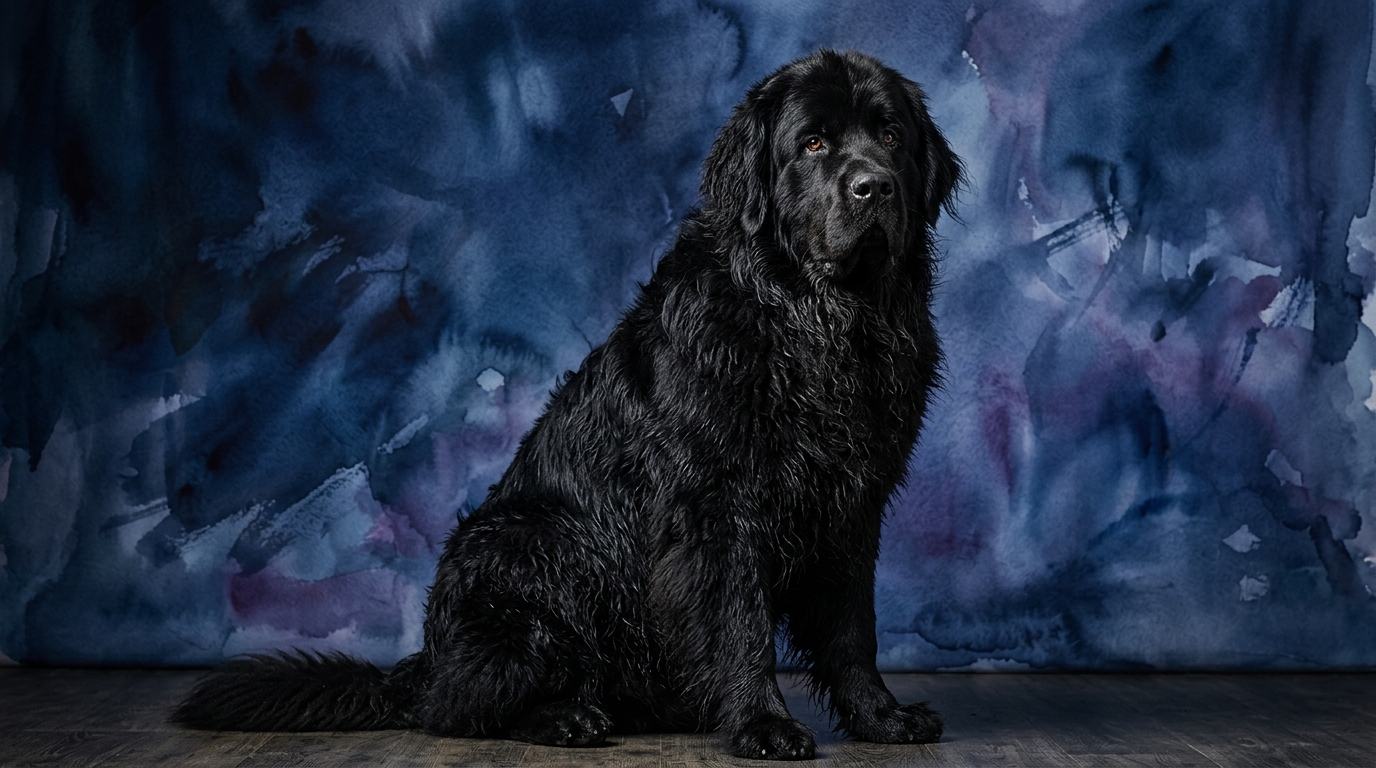
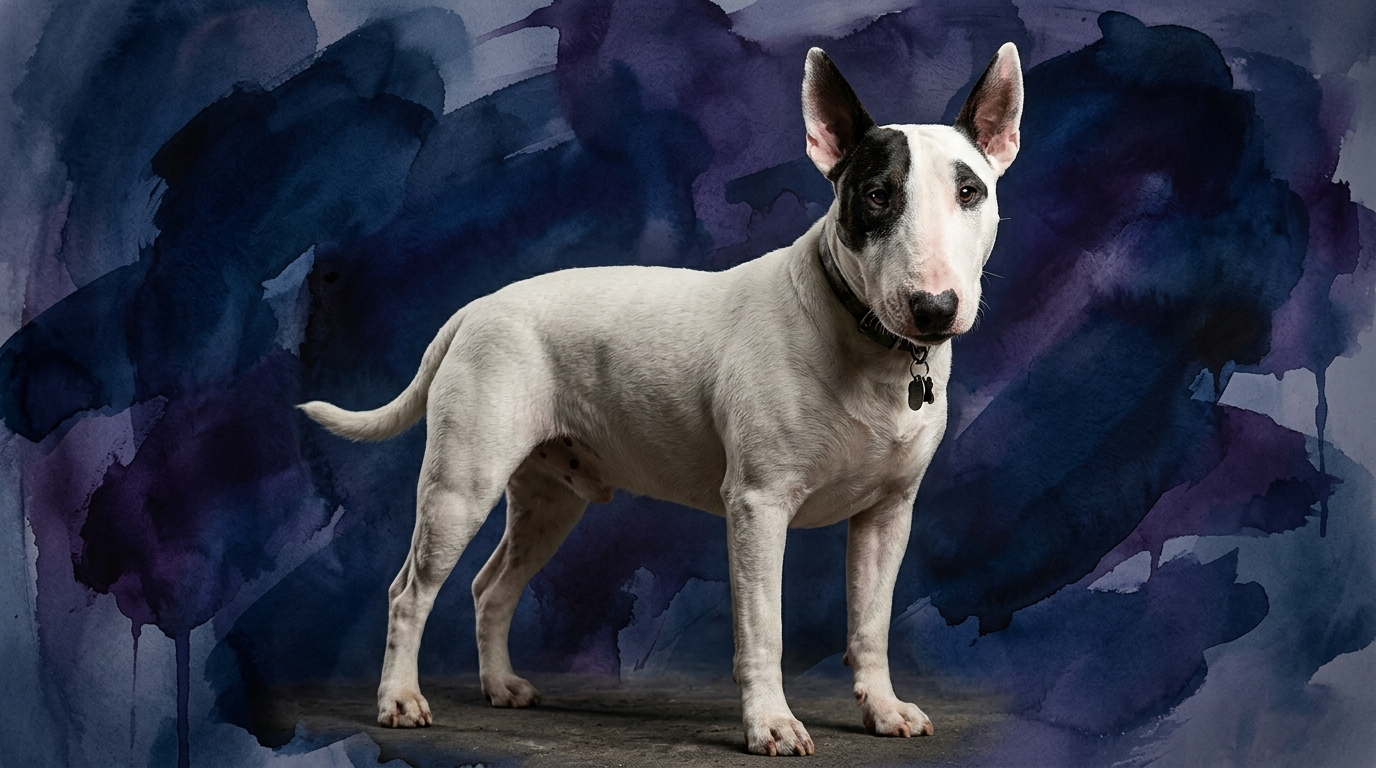
Side-by-Side IQ Profile: Newfoundland vs. Bull Terrier
The Cosmic Pet Pet IQ Lab evaluates canine intelligence across five key dimensions, offering a nuanced understanding beyond simple obedience. For the Newfoundland, a venerable working dog, we observe a problem-solving score of 3/5, indicating competence in navigating challenges without exceptional innovation. Their training speed is rated at 4/5, reflecting a solid capacity for learning new commands efficiently. Where the Newfoundland truly shines is in social intelligence, scoring an impressive 5/5, showcasing deep empathy and an acute awareness of human emotions and intentions. Their instinctive drive, deeply rooted in their heritage, also stands at 5/5, particularly evident in their natural inclination for water rescue and guardianship. Memory is strong at 4/5, allowing them to retain a vast repertoire of learned behaviors and experiences.
In contrast, the Bull Terrier, a distinctive terrier breed, presents a more uniform cognitive profile across all dimensions. Their problem-solving ability is rated 3/5, suggesting they can work through obstacles but might rely on tenacity over intricate strategizing. Training speed for the Bull Terrier is 3/5, meaning they are capable learners, but require consistent, patient guidance to master new tasks. Social intelligence also stands at 3/5, indicating they are generally companionable but may not possess the same profound attunement to human emotional states as the Newfoundland. Their instinctive drive is 3/5, reflecting a general terrier 'gameness' and determination rather than a specialized working instinct. Finally, their memory is rated 3/5, suggesting they retain information adequately but may benefit from regular refreshers of learned behaviors.
Where the Newfoundland Excels Cognitively
The Newfoundland's cognitive strengths are deeply intertwined with its history as a water rescue and working dog. Their 5/5 social intelligence is not merely about being friendly; it translates into an exceptional ability to read subtle human cues, anticipate needs, and offer comfort. This makes them incredibly intuitive companions, often seeming to understand unspoken emotions, which is invaluable in therapy or assistance roles. For instance, a Newfoundland might instinctively lean into a distressed owner or guide a lost child, demonstrating a deep empathetic processing of their environment.
Furthermore, their 5/5 instinctive drive is a powerful cognitive asset, particularly when channeled into their natural propensities. This isn't just about physical drive; it's a mental blueprint for specific actions. In water, their urge to 'save' is not just physical but an ingrained problem-solving sequence: identify a struggling individual, strategize the best approach, and execute the rescue. Their 4/5 training speed, combined with this drive, means they can quickly learn complex multi-step commands related to their working heritage, such as retrieving specific objects from water or navigating obstacles to reach a 'victim,' making them highly responsive partners in structured tasks.
Where the Bull Terrier Demonstrates Unique Cognitive Strengths
While the Bull Terrier's scores are consistently 3/5, these numbers reflect a particular cognitive style that holds its own advantages. Their problem-solving at 3/5, combined with their inherent terrier tenacity, means they often approach challenges with a persistent, independent mindset. Rather than seeking human assistance immediately, a Bull Terrier might methodically try various approaches to open a gate or retrieve a toy stuck under furniture, demonstrating a determined, trial-and-error form of cognitive engagement. This self-reliance, while sometimes perceived as stubbornness, is a strength in situations requiring individual perseverance.
Their 3/5 instinctive drive, while not specialized like a Newfoundland's, is a generalized 'gameness' that translates into a robust mental resilience. This means they are often less prone to anxiety in novel situations and can adapt to varied environments with a confident, albeit sometimes headstrong, disposition. This mental toughness allows them to remain unfazed by minor setbacks, continuing to engage with a task or environment without becoming easily discouraged. Their moderate social intelligence also means they are less dependent on constant human validation, capable of entertaining themselves and being content in their own company for periods, which can be a valuable trait for owners seeking a more self-assured companion.
Trainability: A Tale of Two Temperaments
When it comes to trainability, the Newfoundland generally presents a more straightforward experience for most owners. Their high social intelligence (5/5) means they are acutely attuned to their owner's moods and desires, making them eager to please and highly responsive to positive reinforcement. Their 4/5 training speed allows them to grasp new commands and routines quickly, often requiring fewer repetitions than many other breeds. For example, a Newfoundland will typically pick up complex sequences of commands, like 'sit, stay, then come,' with relative ease, motivated by praise and connection.
The Bull Terrier, with its 3/5 training speed and 3/5 social intelligence, requires a different approach. Their independent nature and moderate responsiveness to social cues mean that training often demands more patience, consistency, and creativity from the owner. They are not necessarily difficult to train, but they learn at their own pace and may test boundaries more frequently. For instance, while a Newfoundland might reliably recall on the first command due to its desire to please, a Bull Terrier might require a stronger, more engaging incentive and a firm, consistent tone to ensure compliance, sometimes choosing to pursue an interesting scent over an immediate return. Understanding and respecting their independent, tenacious spirit is key to successful training.
Matching Breeds to Lifestyles: Active vs. Relaxed Owners
The Newfoundland is an excellent fit for owners who appreciate a deeply connected, empathetic companion and are prepared for a moderately active lifestyle. Their strong instinctive drive for water work and social nature means they thrive with activities that involve their family, such as swimming, long walks, or simply being a constant, comforting presence. Relaxed owners who enjoy quiet evenings but also engage in regular, gentle exercise will find the Newfoundland's calm demeanor and affectionate nature a perfect match. They flourish in environments where they are central to family life and can offer their unique brand of gentle guardianship.
The Bull Terrier, on the other hand, suits owners who value independence and a dog with a distinct personality, and who can provide consistent structure and channel their moderate but persistent energy. Their tenacity and adaptability make them suitable for owners who enjoy varied activities, from brisk walks to structured play sessions that engage their problem-solving instincts. While they can be calm indoors, they benefit from regular mental and physical stimulation to prevent boredom. Owners who understand and appreciate a dog that is less overtly 'needy' for constant social interaction, but still enjoys family time on its own terms, will find the Bull Terrier a rewarding companion.
The Verdict
Choose the Newfoundland if you seek a highly empathetic, family-oriented companion with a strong desire to please and a natural inclination for protective or rescue-oriented tasks, thriving on deep social connection.
Opt for the Bull Terrier if you appreciate an independent, tenacious companion that approaches challenges with self-reliance, valuing a dog that is confident in its own space and offers a unique, spirited personality.
🧠 Find Your Pet's IQ Score
Our Pet IQ Lab assessment covers 25+ tests across 5 cognitive dimensions — personalized to your breed.
Take the Full IQ Test →Frequently Asked Questions
Is the Newfoundland better at learning new tricks than the Bull Terrier?
Generally, yes. The Newfoundland's training speed of 4/5, coupled with its high social intelligence, means it typically grasps new commands and tricks more quickly and is more eager to cooperate. The Bull Terrier's 3/5 training speed suggests it can learn, but often requires more repetition and consistent motivation.
Which breed is more adaptable to different living situations based on their cognitive profile?
Both breeds can adapt, but differently. The Newfoundland's high social intelligence makes it adaptable to family dynamics and human routines, thriving on connection. The Bull Terrier's moderate instinctive drive and problem-solving, coupled with its general resilience, allows it to adapt to various environments with a confident, self-assured demeanor, provided its needs for mental and physical engagement are met.
How does social intelligence impact their interaction with children or other pets?
The Newfoundland's 5/5 social intelligence translates to exceptional patience, empathy, and a gentle understanding of delicate interactions, making them naturally good with children and other pets, often acting as a 'nanny' dog. The Bull Terrier's 3/5 social intelligence means they can be good companions, but their interactions might be more direct and less nuanced, requiring more supervision and guidance, especially with very young children or sensitive animals.