Side-by-Side IQ Profile
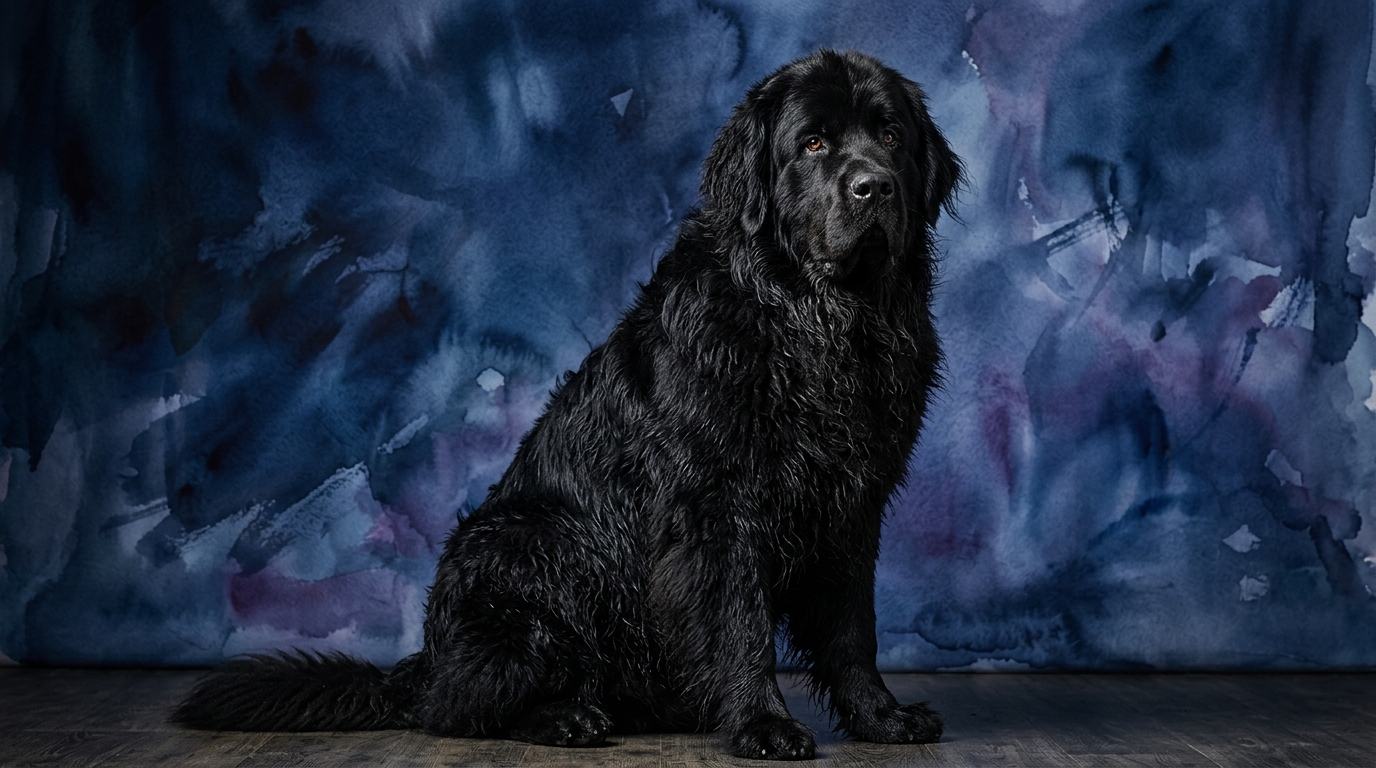
**Newfoundland:** Rated 3/5 in Problem Solving, the Newfoundland demonstrates a practical ability to figure out challenges, particularly those related to their working heritage, such as navigating water or retrieving objects. They often prefer straightforward solutions. With a Training Speed of 4/5, Newfoundlands typically assimilate new commands and routines quickly, driven by their eagerness to please. Their Social Intelligence is an exceptional 5/5, indicating a profound capacity to interpret human emotions and intentions, leading to empathetic and responsive companionship. A robust 5/5 in Instinctive Drive highlights their powerful intrinsic motivations for water rescue, protective guardianship, and loyal companionship. Lastly, their Memory, rated 4/5, means they exhibit strong recall for commands, routines, and past experiences, contributing to their consistent behavior.
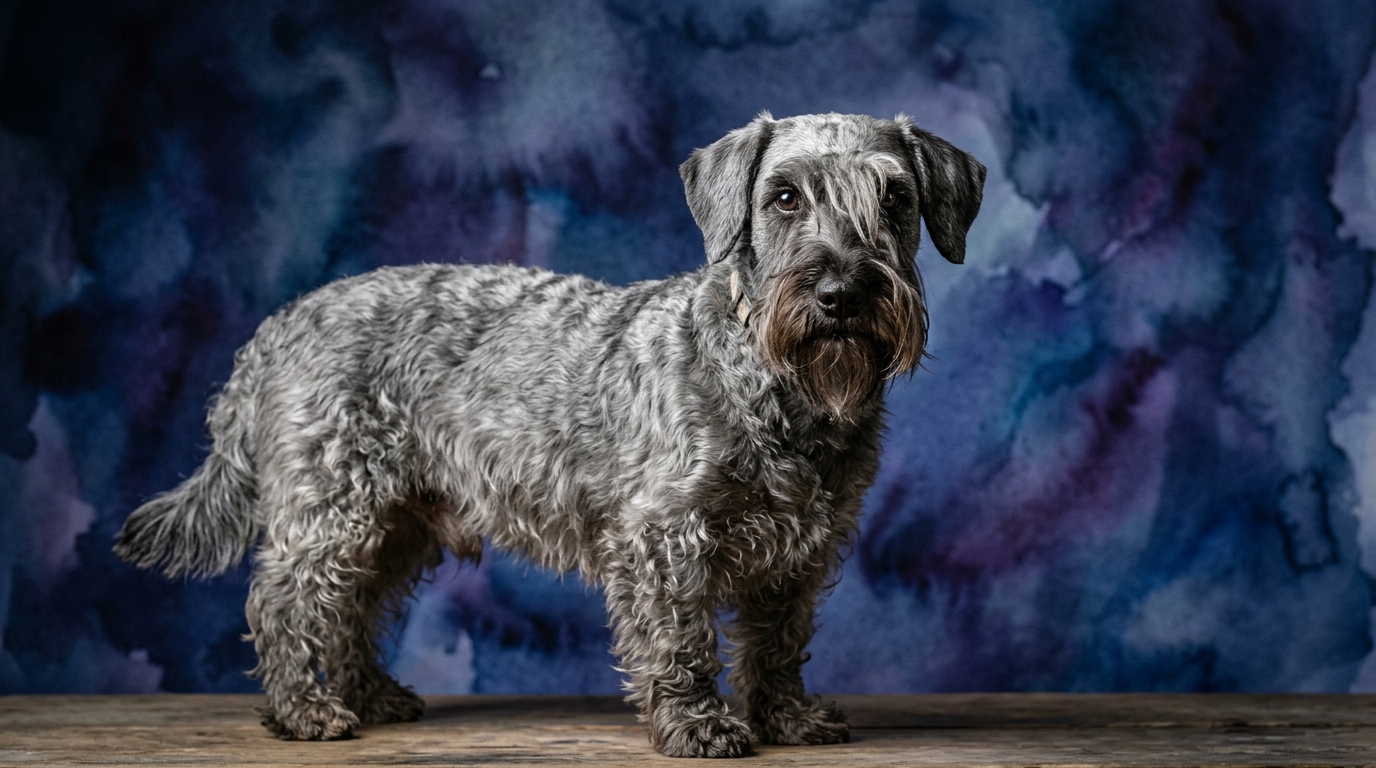
**Cesky Terrier:** Also rated 3/5 in Problem Solving, the Cesky Terrier's approach often involves tenacious, independent thinking, especially in scenarios requiring cunning or persistence, like navigating complex environments. At 3/5 for Training Speed, Cesky Terriers learn new commands with consistency, though their independent streak can sometimes require more engaging methods. Their Social Intelligence is 3/5; they observe their human companions and form strong attachments, but their expression of social cues might be more subtle. A 3/5 in Instinctive Drive reflects their inherent terrier traits, including a notable prey drive, a propensity for digging, and a keen sense of exploration. Their Memory is rated 3/5, indicating a solid recall for routines and commands, though their application might be influenced by their independent will.
Where Newfoundland Wins Cognitively
The Newfoundland's most striking cognitive advantage lies in its exceptional Social Intelligence (5/5 compared to the Cesky's 3/5). This breed demonstrates a profound ability to read and respond to human emotions, often anticipating needs or offering comfort without explicit prompting. Their empathetic understanding allows for a deeper, more nuanced partnership, making them incredibly attuned to the emotional landscape of their family.
Another area where the Newfoundland's cognitive profile stands out is its powerful Instinctive Drive (5/5 vs. 3/5). This isn't just about physical ability; it's a cognitive predisposition to engage in specific, helpful behaviors rooted in their water rescue heritage. This inherent inclination towards guardianship and aid means they often act with a purpose to protect or assist, a form of proactive decision-making driven by deep-seated instincts.
Furthermore, the Newfoundland's superior Training Speed (4/5 versus 3/5) gives it an edge in learning new commands and routines. Their innate desire to please, combined with their capacity for social understanding, allows them to process and integrate new information efficiently, often making initial training phases a smoother, more cooperative experience.
Where Cesky Terrier Wins Cognitively
While both breeds share a 3/5 rating in Problem Solving, the Cesky Terrier's application of this skill often manifests in a distinct, tenacious manner. Their terrier heritage imbues them with a persistent, independent approach to challenges, particularly those involving scent work or navigating confined spaces. They exhibit a clever resourcefulness, often trying multiple strategies to achieve a goal, which is a significant cognitive asset in tasks requiring cunning and agility.
The Cesky Terrier also demonstrates a unique form of spatial intelligence, thriving in environments that might challenge a larger breed. Their compact size and agility allow them to effectively 'map' and navigate complex, tight areas, a cognitive skill less pertinent to the Newfoundland’s open-water endeavors. This ability to assess and maneuver through intricate physical puzzles is a clear advantage in specific scenarios.
Finally, when engaged in tasks aligned with their strong instinctive drives, such as tracking a scent or digging, Cesky Terriers exhibit remarkable, sustained focus. This targeted concentration allows them to filter out distractions and dedicate their cognitive resources intensely to the task at hand, a distinct advantage in pursuits requiring precision and unwavering attention.
Which is Easier to Train and Why
When considering ease of training, the Newfoundland generally presents a more straightforward experience. Their higher Training Speed (4/5) combined with their exceptional Social Intelligence (5/5) means they are inherently motivated to cooperate and quickly grasp human directives. Newfoundlands are less prone to independent decision-making during training, preferring to work in harmony with their human companion, and their solid memory (4/5) helps cement lessons over time.
The Cesky Terrier, while capable of learning (Training Speed 3/5), typically requires more patience and a nuanced approach. Their independent terrier nature and slightly lower Social Intelligence (3/5) mean they might prioritize their own interests or instincts over immediate compliance. Successful training with a Cesky often involves making sessions engaging, varied, and consistent, using positive reinforcement to channel their spirited willfulness rather than trying to suppress it entirely. Their solid but not exceptional memory (3/5) underscores the importance of regular reinforcement.
Which Suits Active Owners vs Relaxed Owners
For owners who prefer a more relaxed pace of life, the Newfoundland often makes an excellent companion. While they are large and require daily walks and benefit from activities like swimming to engage their working instincts, their overall temperament is calm and composed indoors. Their profound social intelligence makes them deeply content when simply in the presence of their family, making them ideal for individuals or families who value a deeply connected, empathetic companion without constant high-octane demands.
The Cesky Terrier, conversely, is better suited for more active owners who relish engaging in structured play, varied training, and regular exploration. Their spirited nature, combined with their instinctive drives for digging and scent work, means they thrive on mental stimulation and physical activity that channels these natural tendencies. Owners who enjoy agility, earthdog trials, or consistent outdoor adventures will find the Cesky Terrier a rewarding partner, as they appreciate an owner who can match their zest for engagement.
The Verdict
When seeking a deeply empathetic, gentle giant eager to please, who thrives on companionship and possesses an inherent desire to protect and assist, the Newfoundland is an excellent choice. They are ideal for families valuing a calm, loyal presence and are prepared for their significant size and grooming requirements.
Opt for the Cesky Terrier if you appreciate an independent, spirited companion with a keen mind for solving practical problems and a zest for exploration. They suit active owners who enjoy engaging in varied training and activities that channel their terrier instincts.
🧠 Find Your Pet's IQ Score
Our Pet IQ Lab assessment covers 25+ tests across 5 cognitive dimensions — personalized to your breed.
Take the Full IQ Test →Frequently Asked Questions
Are Newfoundlands good with children?
Yes, their exceptional social intelligence and gentle nature make them remarkably patient and understanding companions for children. They often display a protective instinct, treating young family members with great care.
Do Cesky Terriers bark a lot?
Cesky Terriers can be vocal, especially when alerting to strangers or expressing excitement, a common terrier trait. Consistent training and early socialization can help manage their barking tendencies effectively.
What kind of mental stimulation do Newfoundlands need?
Newfoundlands benefit from activities that engage their working instincts, such as puzzle toys, scent work, and especially swimming or water-based retrieval tasks. Their strong memory and desire to please make them receptive to learning new commands and tricks.